 As most people know, turtles are the slowest creatures in the world. This isn't entirely true, as marine animals of this species can reach speeds of over 30 km/h; only land-dwelling turtles are slow. Moreover, the heavier the shell, the slower the animal's speed. If the shell hinders speed, wouldn't it be logical to get rid of it? Could turtles survive without it?
What is a shell?
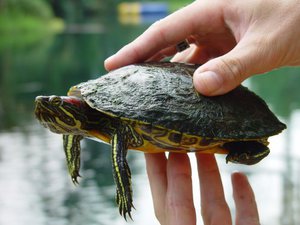
Most turtles have a thick, protective shell, a bony "armor" made of dense scales, similar in structure to human hair and nails. This is what distinguishes them from other members of the reptile class and may have helped them survive, unlike the dinosaurs. This is most common. the shell consists of two layers:
- plastron (abdominal part);
- carapace (dorsal part).
Both are covered with strong, horny scutes, allowing the turtle to support a weight tens of times its own. This scute consists of numerous bones, resembling a rib cage located on the outside of the body. With its own circulatory system and vessels, it can bleed, causing pain.
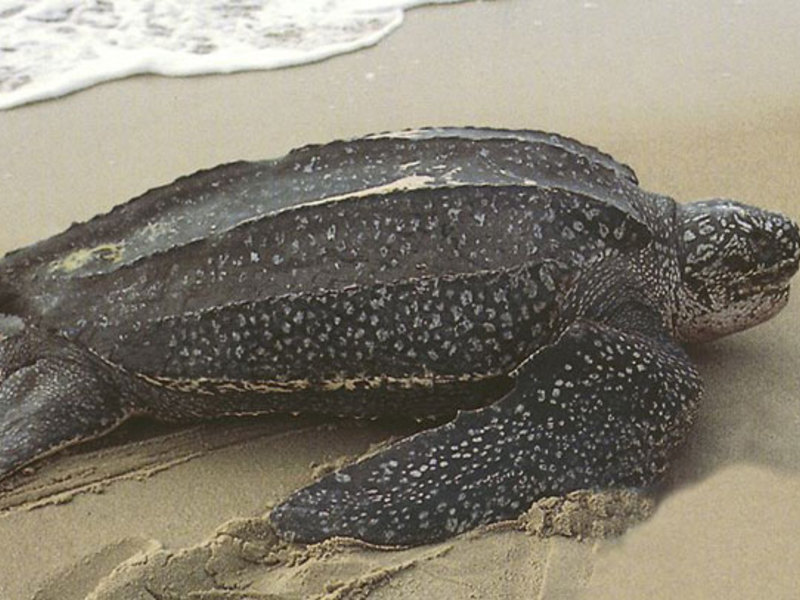
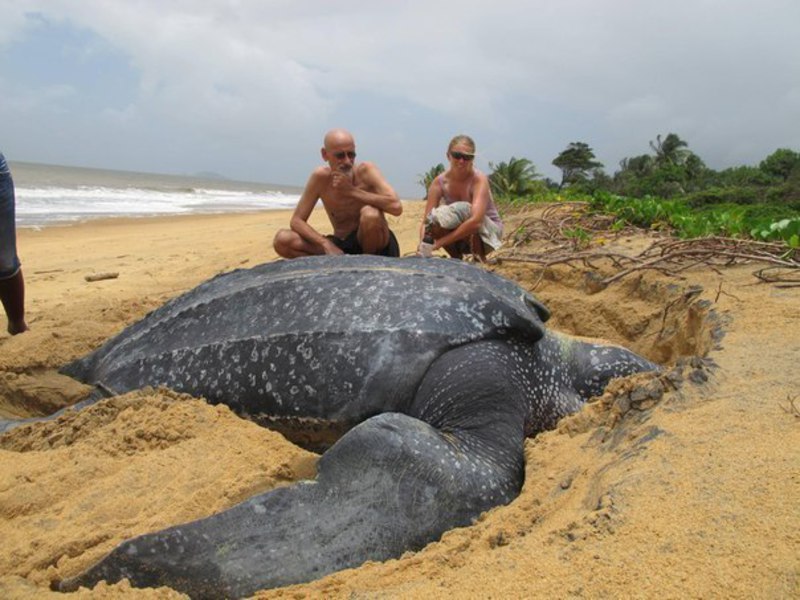
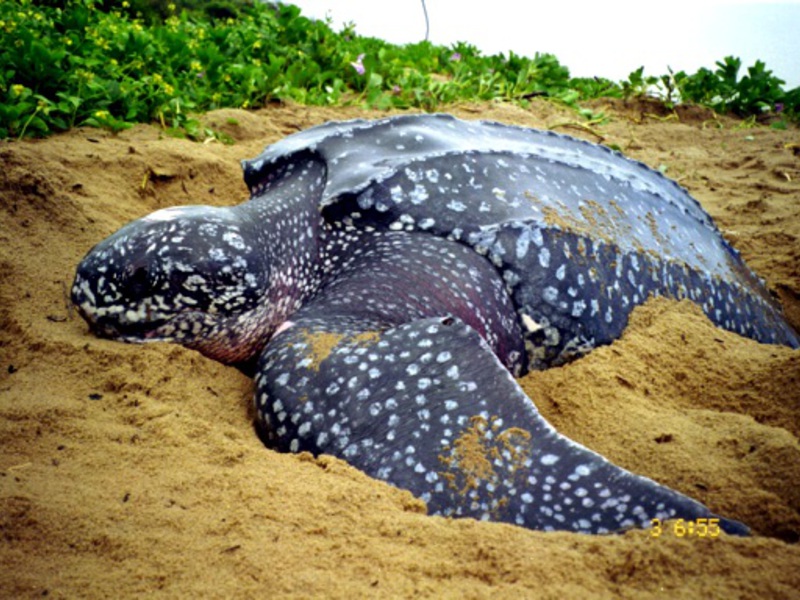
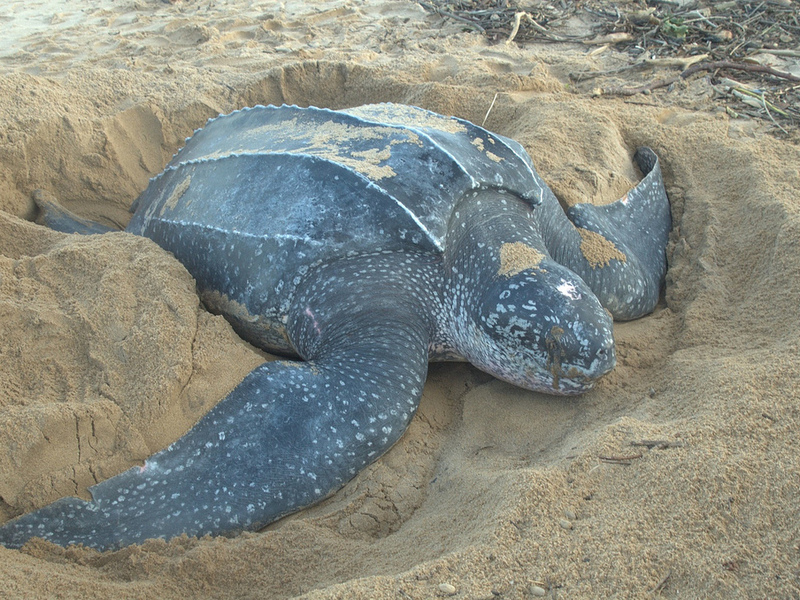
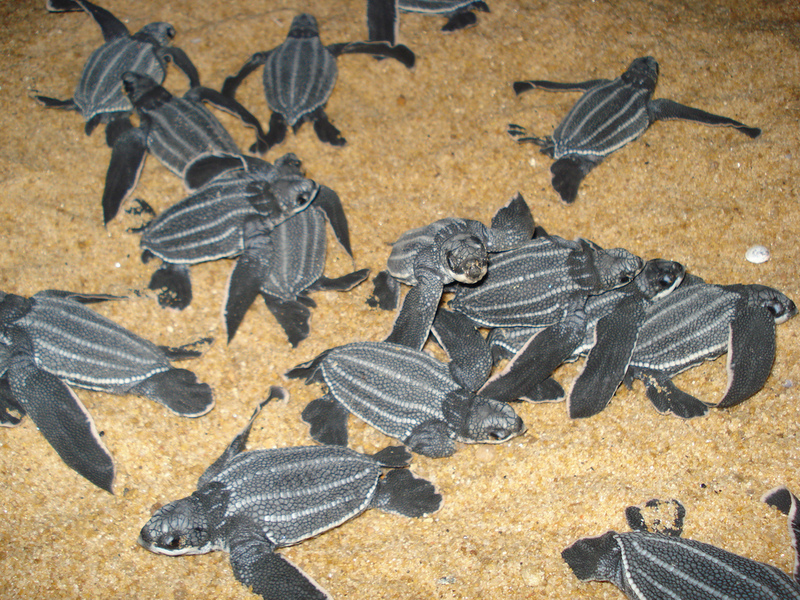
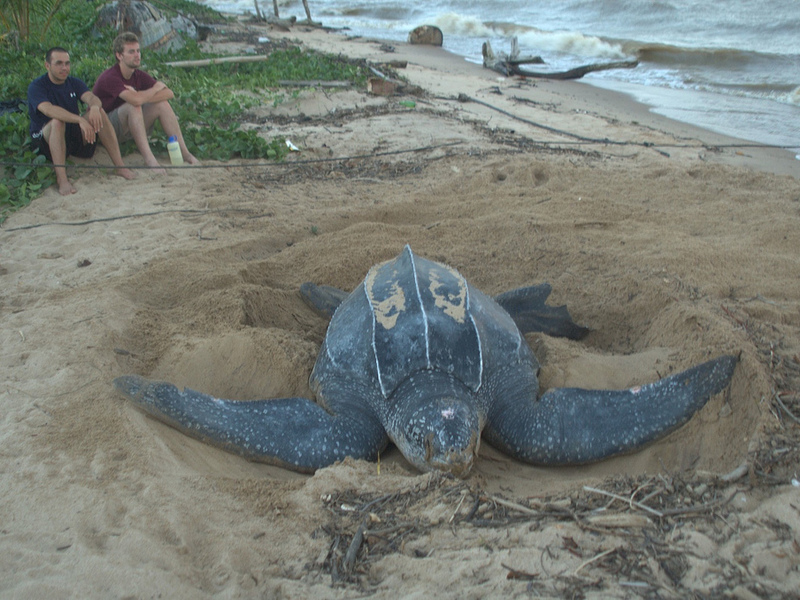
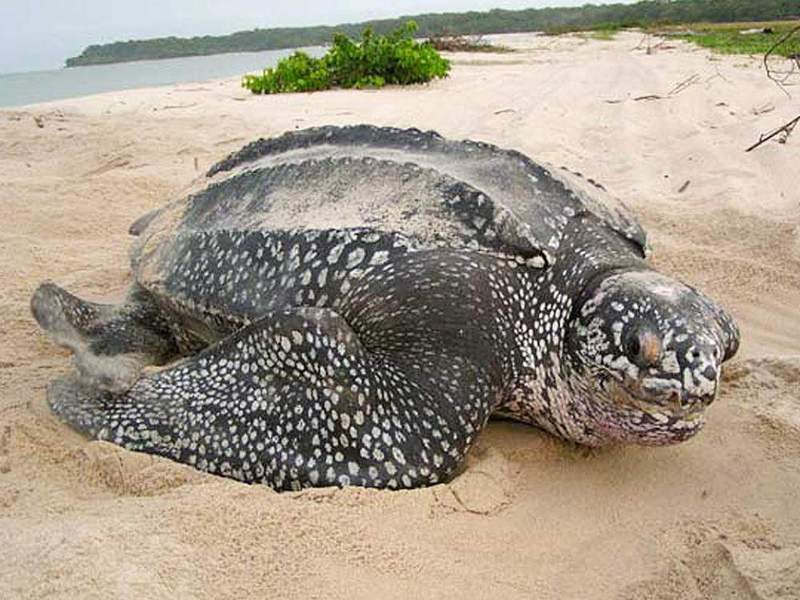
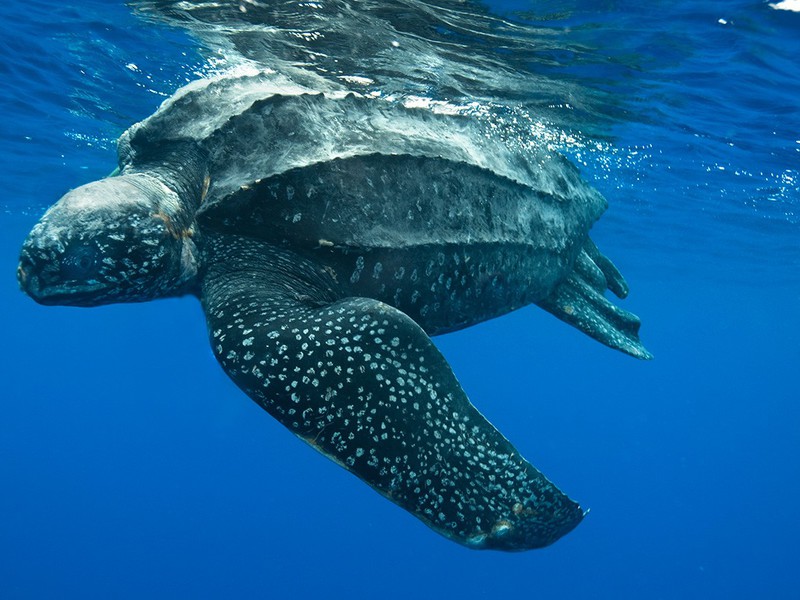
However, certain species have only leather armor, which is not particularly dense, is what gave rise to the myth that the turtle is completely devoid of it. These include:
- leatherback sea turtle;
- numerous species of trionyx (three-clawed amphibians).
These reptiles weigh significantly less, yet move faster. A logical pattern, envisioned by nature itself, can be observed: if a turtle has a dense bony shell, providing maximum protection, it is heavy and slow. If, however, its shell is leathery, which offers less reliable protection from predators, the animal's speed is significantly greater.
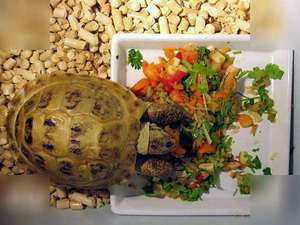
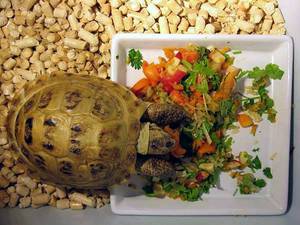
Cartoons often show a turtle leaving its home for a while. But in reality, this is impossible! The shell of this reptile fused with the vertebrae and ribs, so it won't be possible to take a picture! However, the photo still shows what a turtle looks like without its protection. It's a sad sight.
The turtle's outer shell is equipped with special openings through which it can expose its head and limbs. Some species have movable parts that can seal these openings tightly in case of danger.
Turtle owners should remember that the shell is part of the body, not a home! Therefore, a turtle needs a special place where it will be most comfortable.
Can a turtle live without a shell?
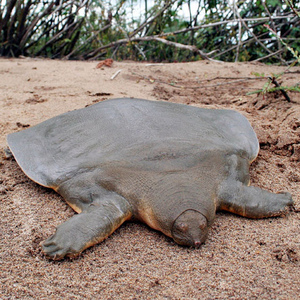 Since the shell is fused with the reptile's vertebrae and ribs, the answer is obvious: a turtle without it is like a human without a spine. But why are there so many photos of perfectly alive and contented turtles—a uniform gray color, clearly devoid of bony covering?
The answer is simple - they have a shell, but it is made of skin, not as dense and powerful as a bony one, so it feels as if it's missing. If you look at a photo of this reptile's skeleton, you can clearly see that turtles lack the muscles that support their backs, and the ribs and spine are tightly connected to the shell. Therefore, painless removal of this body part is out of the question!
Leatherback turtles are a different matter. They look give the impression of being naked, lacking a bony covering. Similar to them are soft-bodied species, whose shells are covered by skin in adulthood.
Does the shell protect?
While such a tough outer shell does provide some security for the amphibian, many predators display truly cunning tactics. Birds, for example, lift the unfortunate reptile high above the ground and drop it, shattering the bony plates, revealing the turtle's shell-less form. Great white sharks can easily gnaw through the tough shell, while crocodiles simply swallow their prey whole.
What does a turtle look like without a shell?
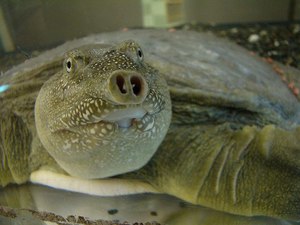 It was previously said that these reptiles cannot live without it. However, in some species it is so soft that it gives the impression of being completely absent. This is primarily soft-shelled freshwater turtles, of which there are three types.
The most common softshell turtle is the large softshell turtle, found in southern latitudes such as Indonesia and Papua New Guinea. It is distinguished by its impressive size (about a meter) and rounded shape. Its skin, like the rest of its body, is light olive or gray. Therefore, the shell blends in with the body, seemingly nonexistent. While the shell of young turtles is slightly rough, covered with small tubercles, that of adults is smooth and covered with skin. These turtles have a wide and short head, ending in a small proboscis.
The largest representative of the "shell-less" turtles is Cantori, reaching a weight of about 50 kilograms and two meters in length. It lives in warm countries: Thailand, Vietnam, the Philippines, and India. Its shell is soft and smooth; adults may have small bumps near the neck, but young animals lack them.
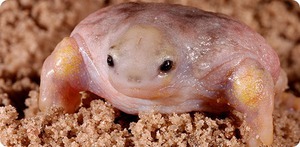
Thus, the soft shell, the same color as the body surface, gave rise to the myth that these turtles are defenseless. However, despite the widespread distribution of such photographs, a turtle without an outer shell cannot exist. But the photo shows what reptiles look like that appear "shell-less."