Millions of years ago, dinosaurs ruled the Earth; their remains are even found in Antarctica. Some of them are listed in the Guinness Book of Records for their unusual and remarkable size or external features.
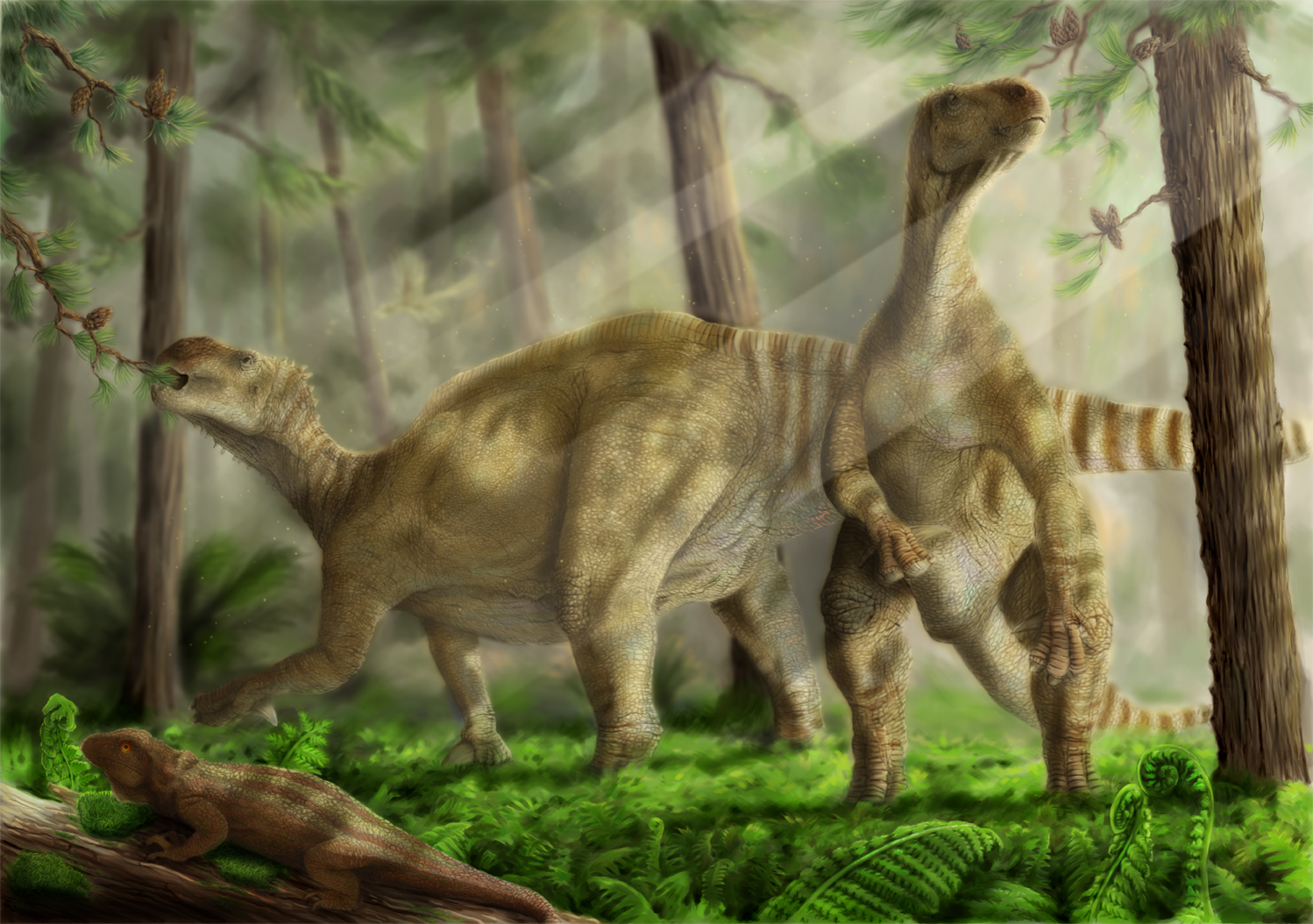
Iguanodon is the most common
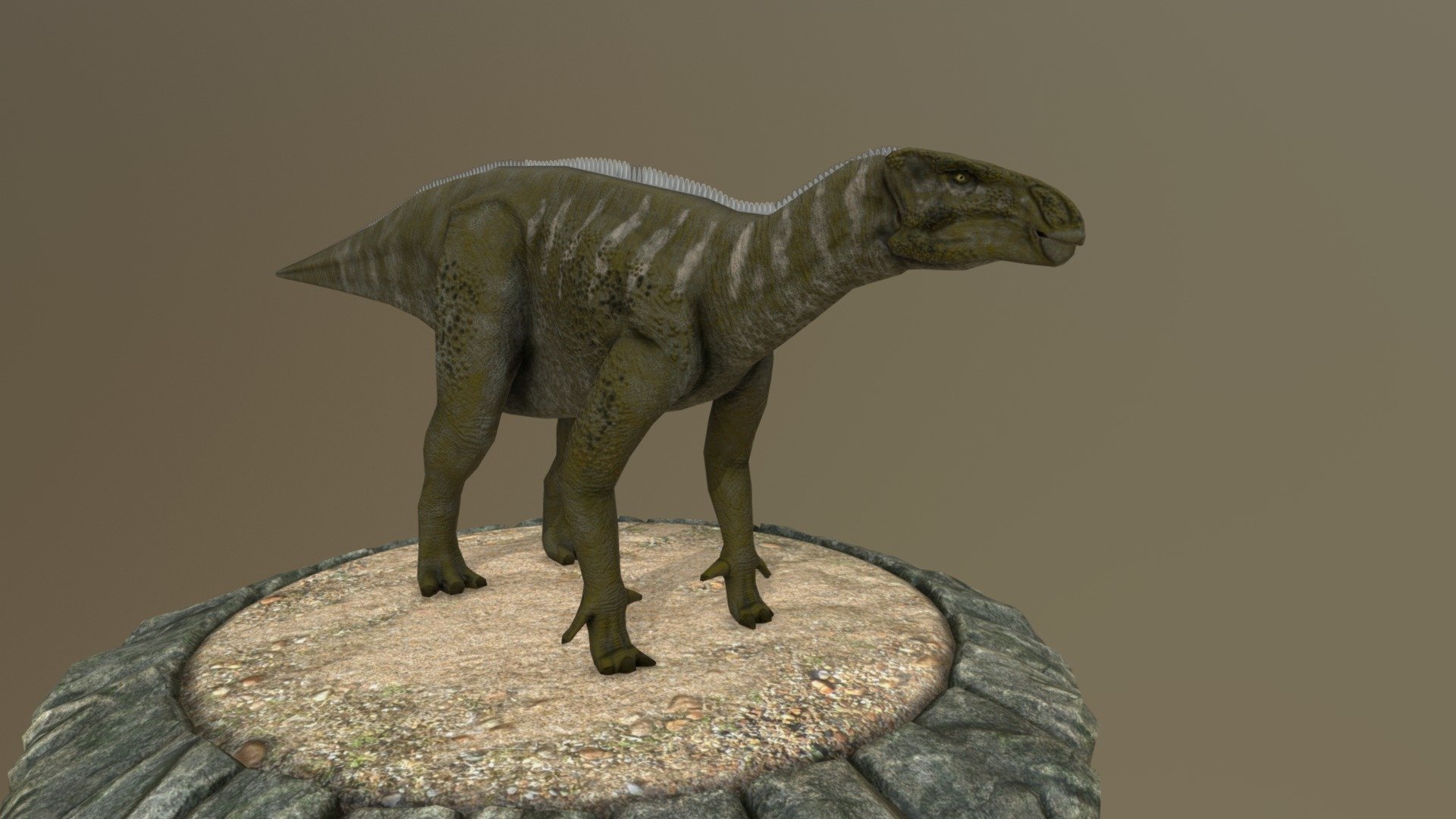
These dinosaurs reached 10 meters in height and weighed 4 tons.
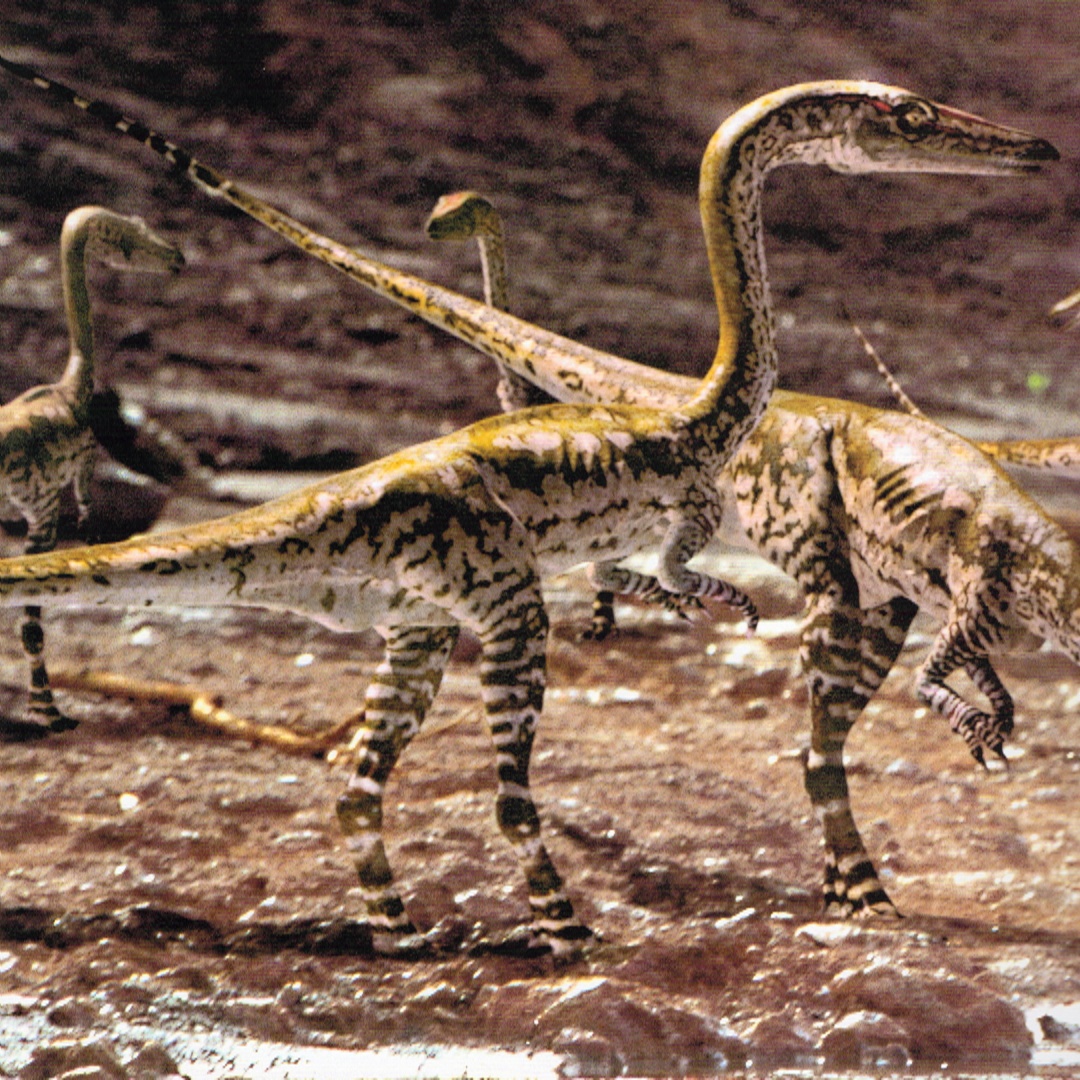
Coelophysis is the fastest
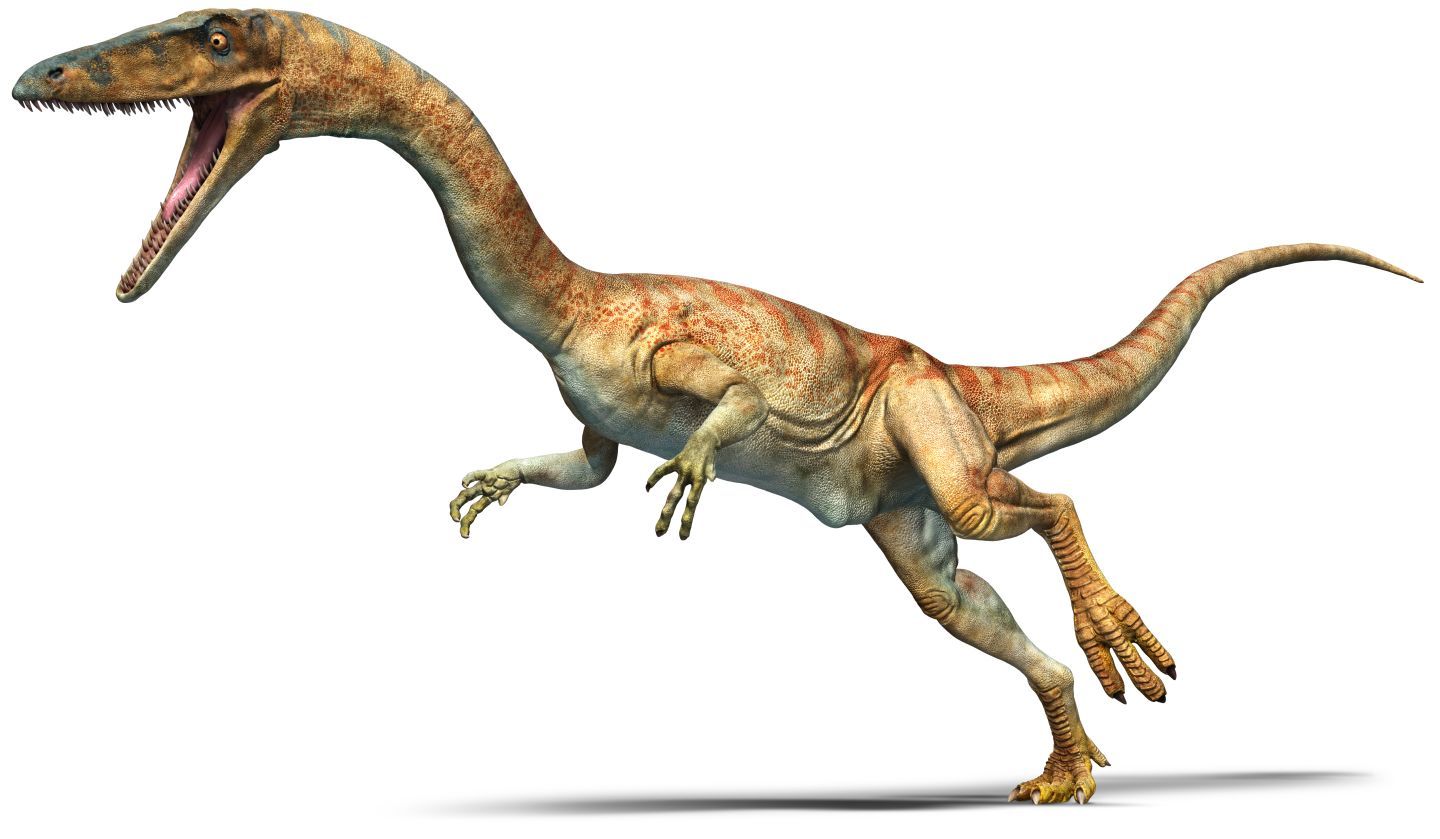
Weighing only 30 kilograms and standing 3 meters tall, it had long legs, a slender body, and light, hollow bones. It was capable of running at speeds of up to 80 km/h.
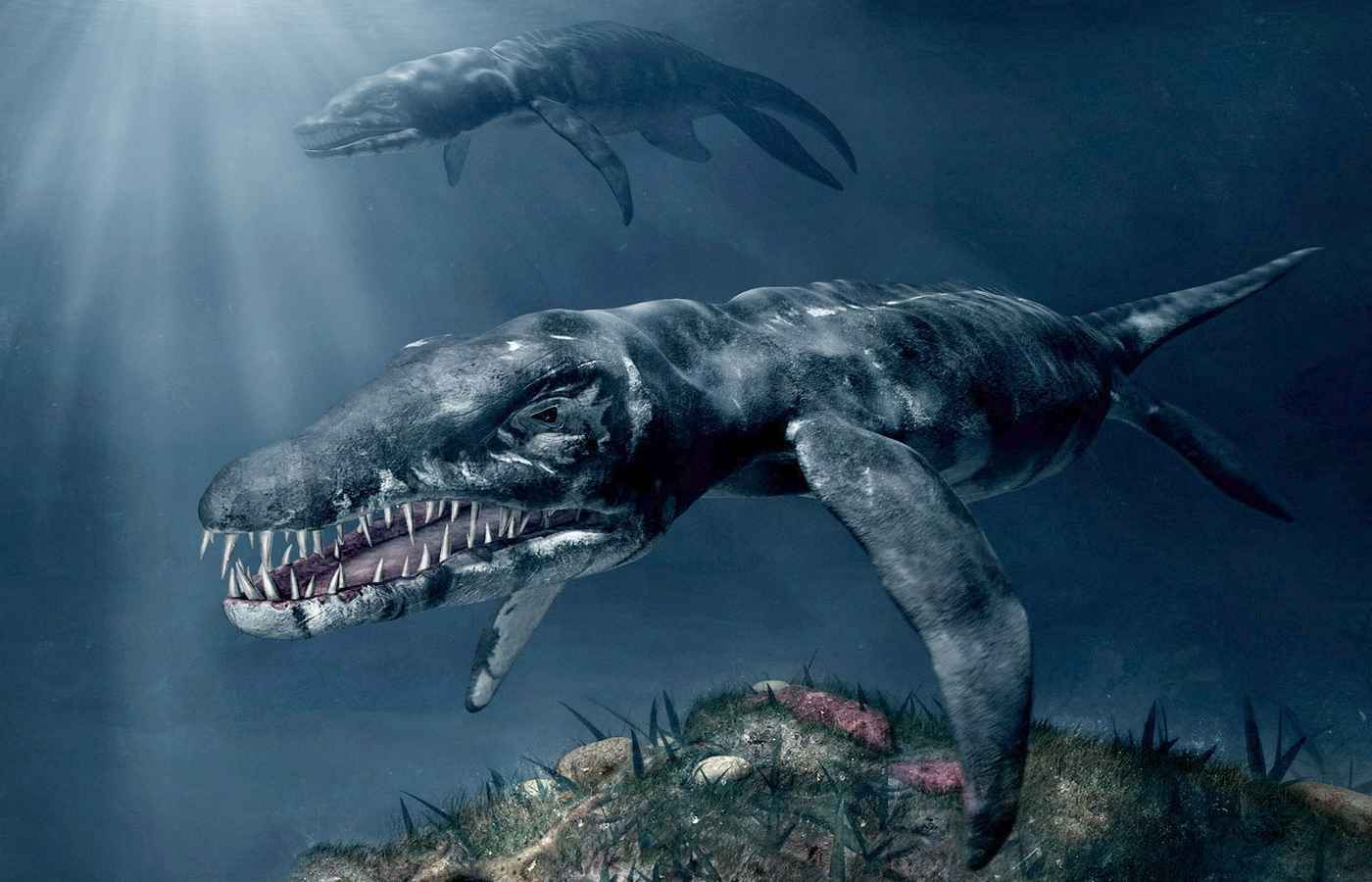
Liopleurodon is the largest and longest lizard
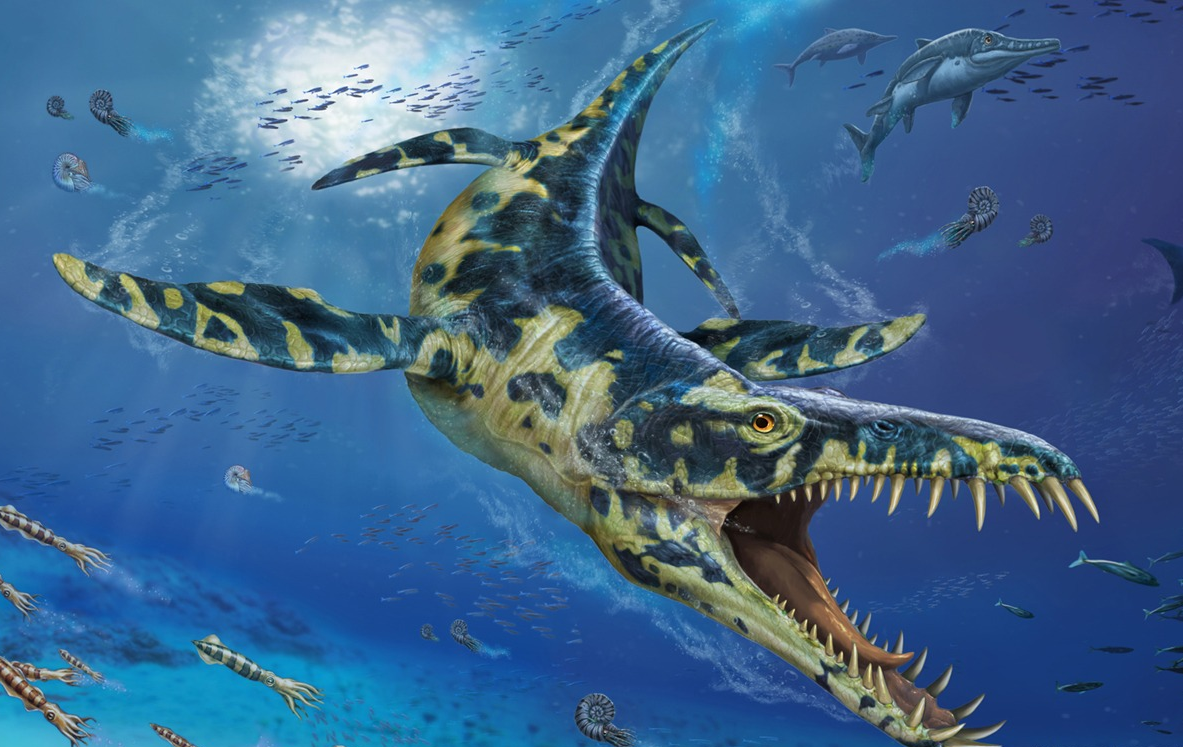
Although, according to some data, it rivals the mosasaur (late Cretaceous mosasaurs were about 25 meters in length), in terms of mass, the mosasaur is definitely inferior to the Liopleurodon.
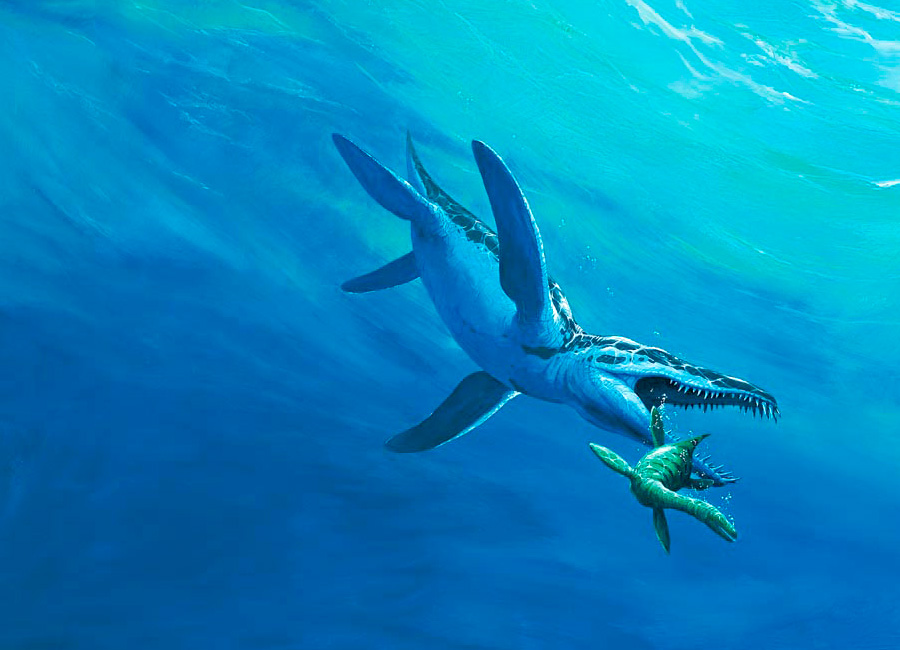
This marine reptile, including its crocodile-like head and fish-like body, measured just over 20 meters in length and weighed 20–25 tons. Its teeth were 40 centimeters long.
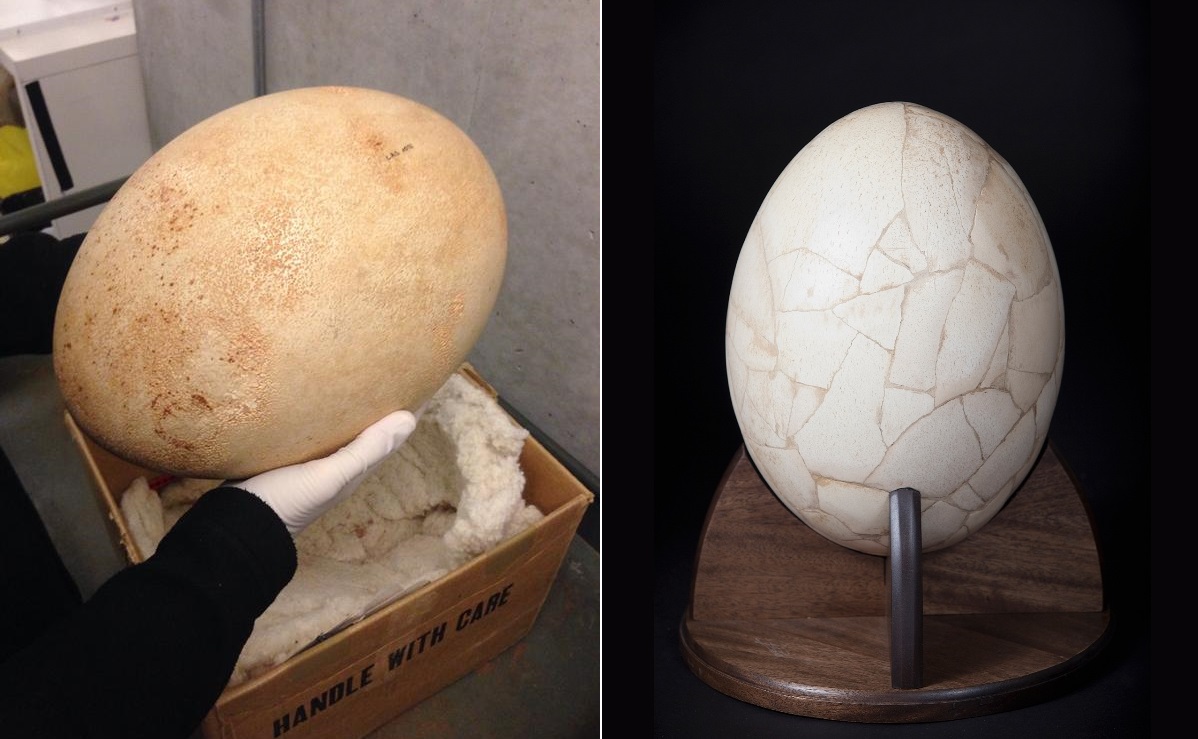
The Madagascar ostrich is the heaviest bird.
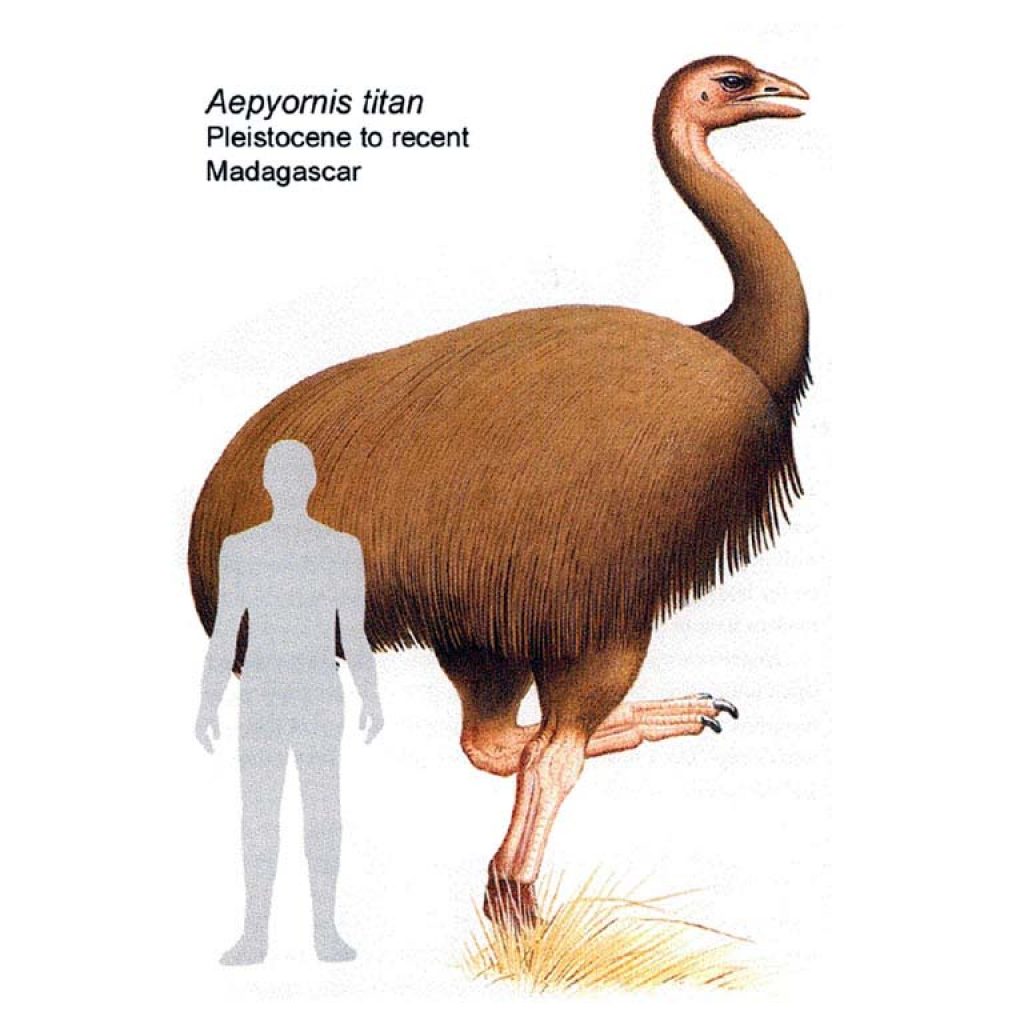
This bird weighed about 500 kilograms and stood up to 5 meters tall. Naturally, it could not fly, and its wings were underdeveloped.
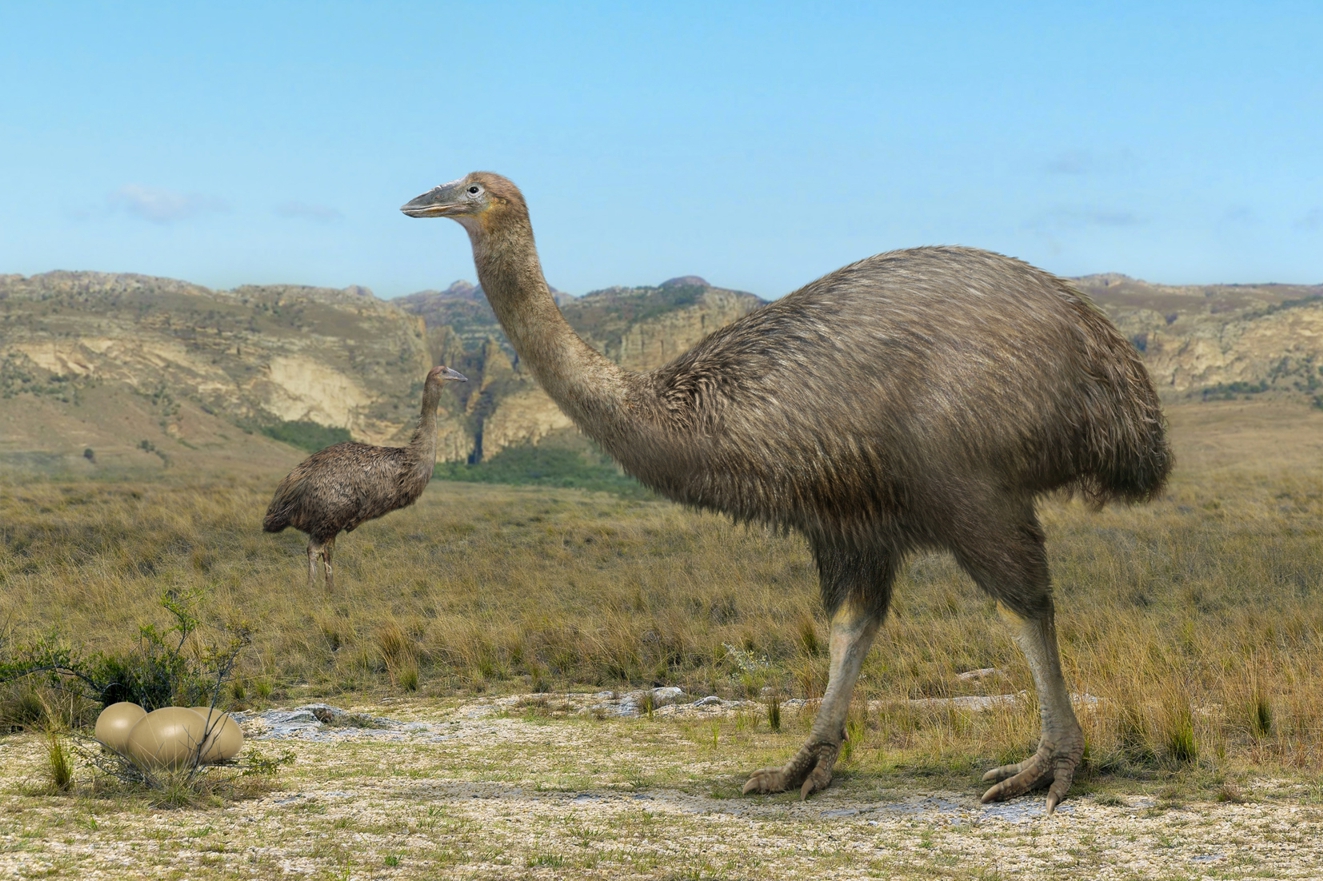
The ostrich laid eggs 160 times larger than chicken eggs, they were 32 centimeters long and had a volume of about 9 liters.
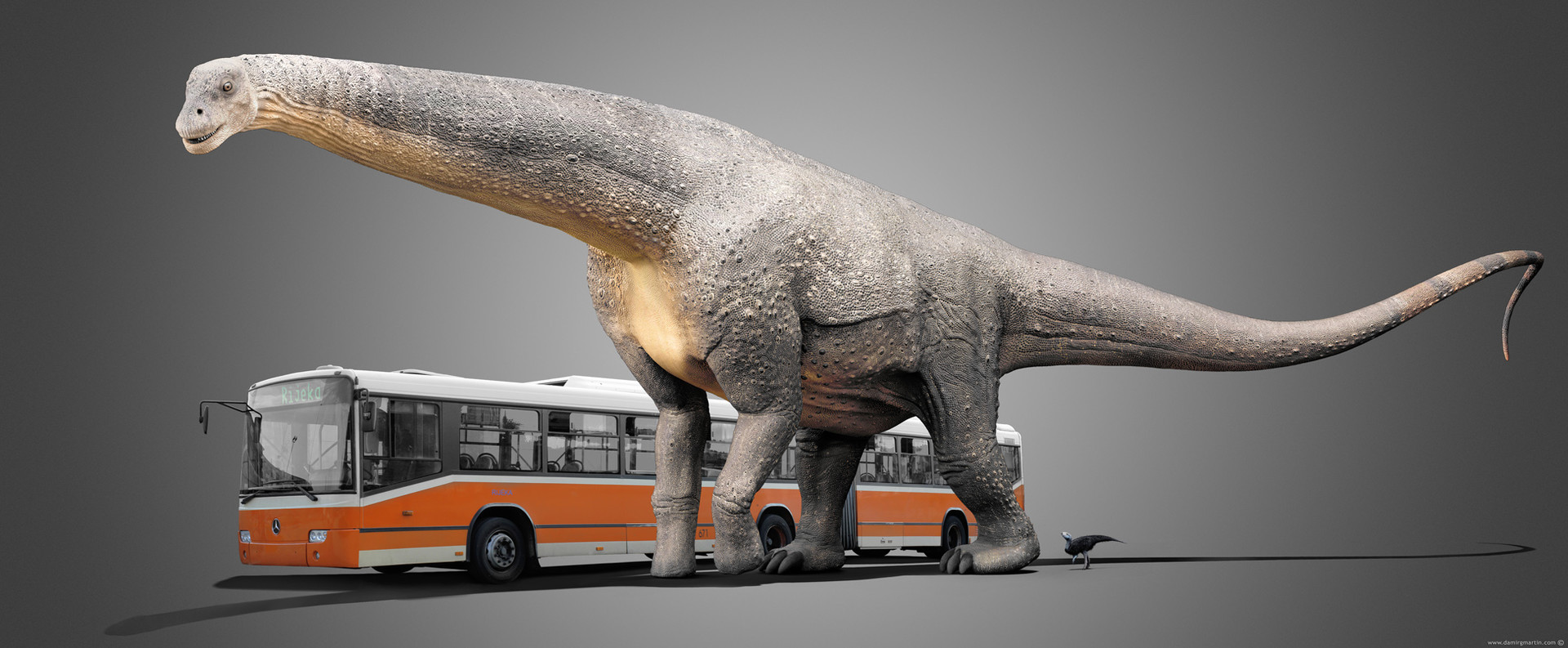
Argentinosaurus - super heavyweight
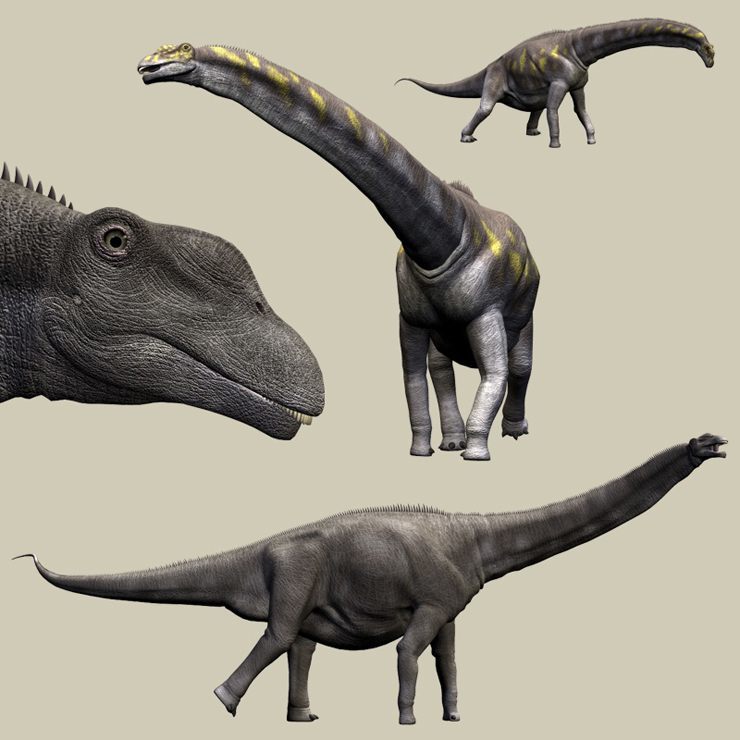
This giant is estimated to have weighed between 60 and 108 tons, was 28–34 meters long, and 18 meters high.
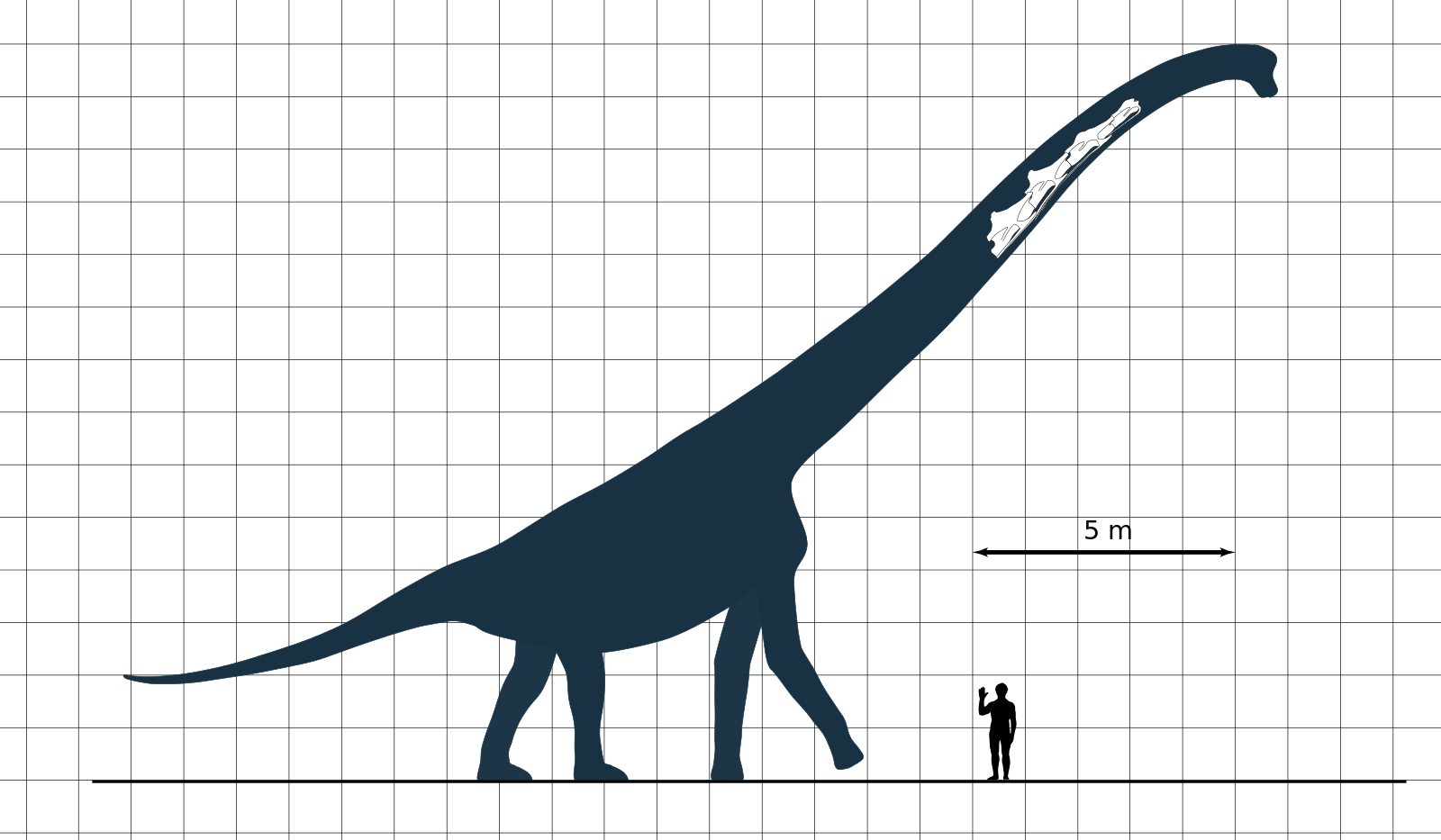
Sauroposeidon is the tallest dinosaur.
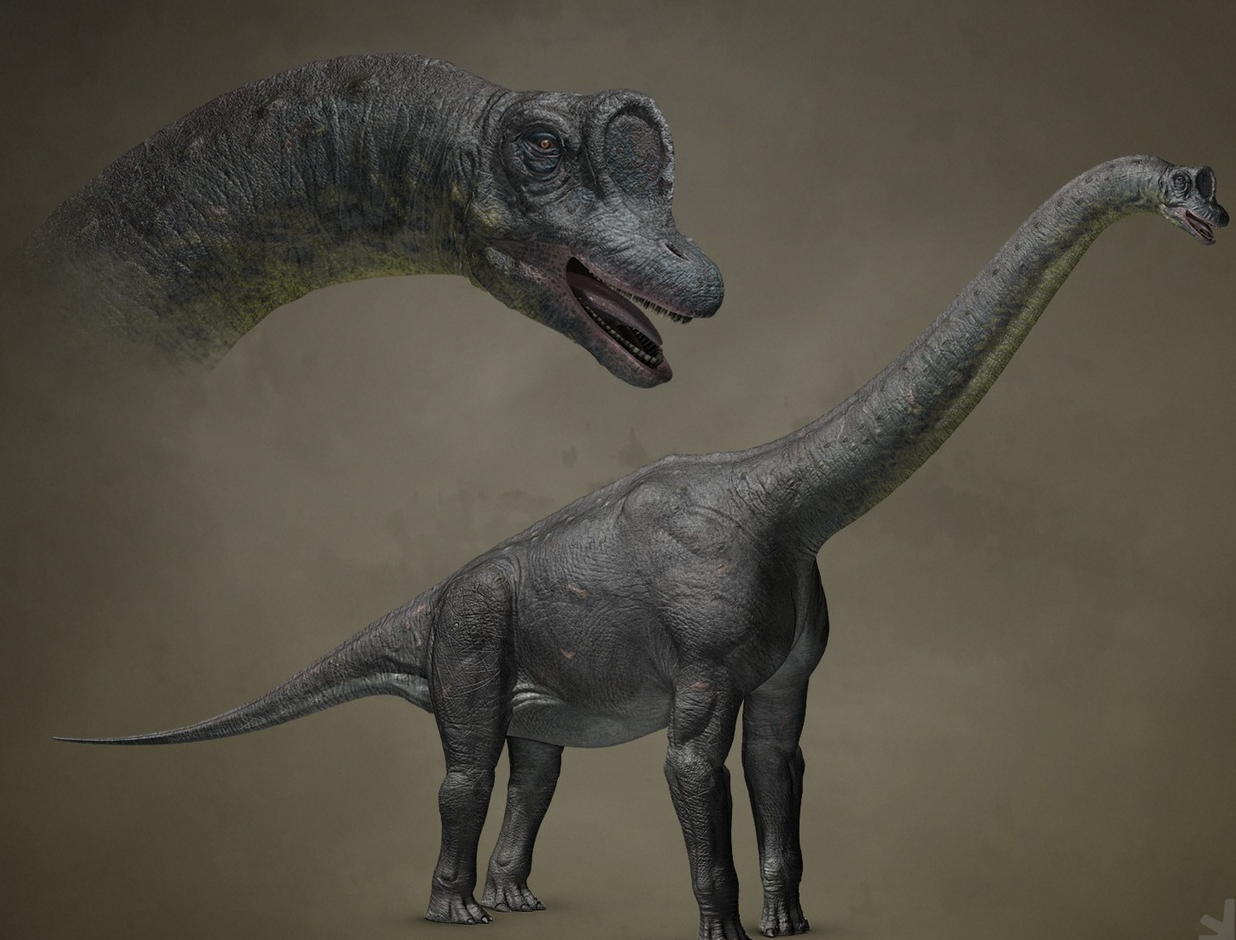
Translated, it means "Poseidon's Lizard." It stands approximately 18 meters tall and reaches up to 34 meters in length. Another record for Sauroposeidon is its unusually long neck. It lived during the Cretaceous period, 100–112 million years ago.
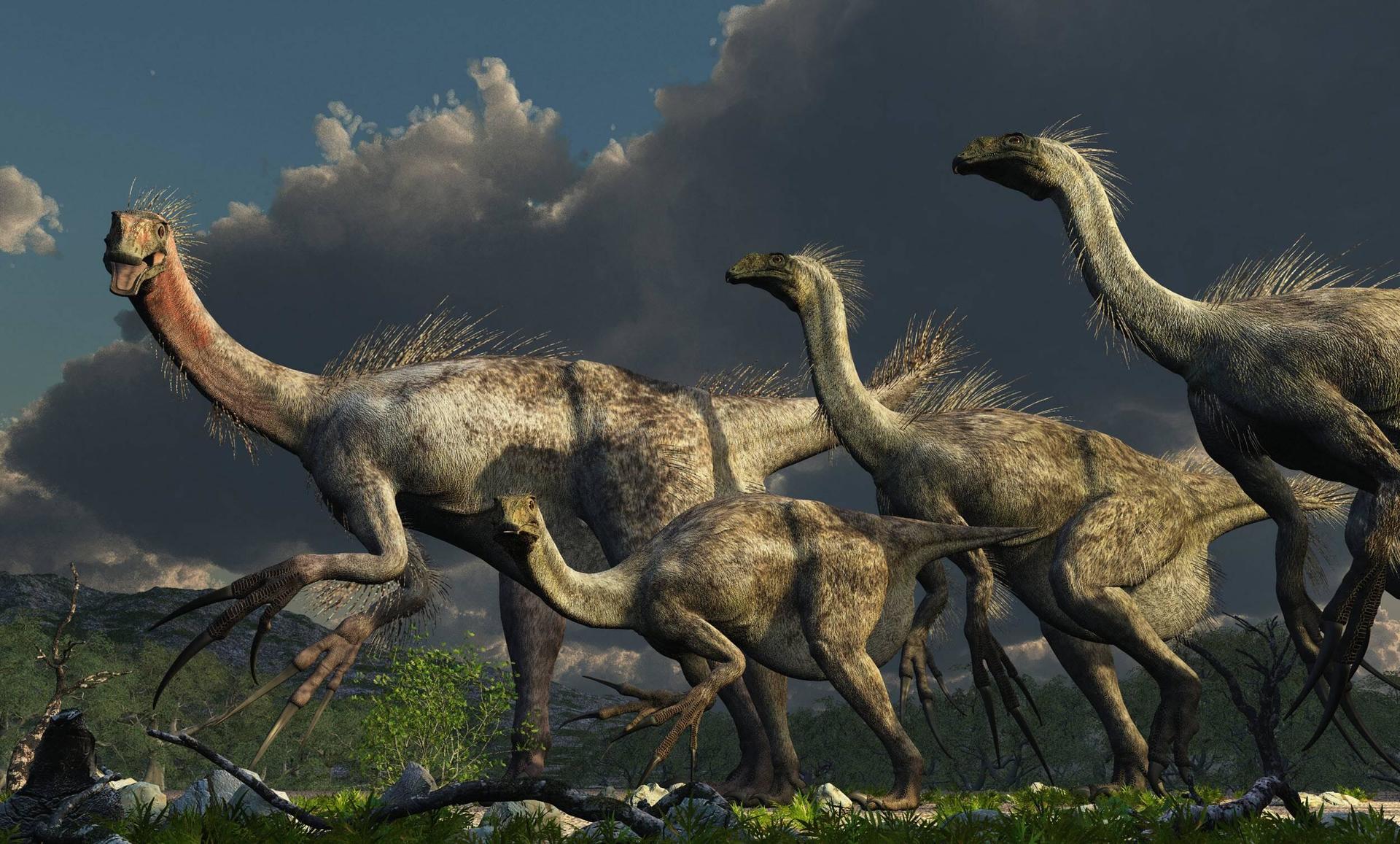
The Mongolian Therizinosaurus has the longest claws.
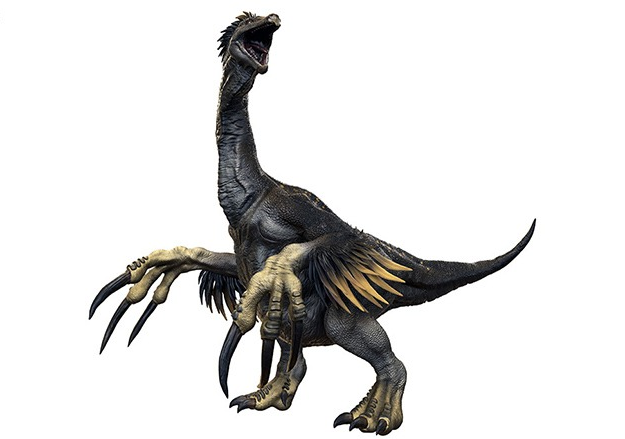
This therizinosaur was approximately 10 meters long, about 5 meters tall, and weighed 5 tons. But the most unusual feature of its appearance was its gigantic, sickle-shaped claws, 91 centimeters long.
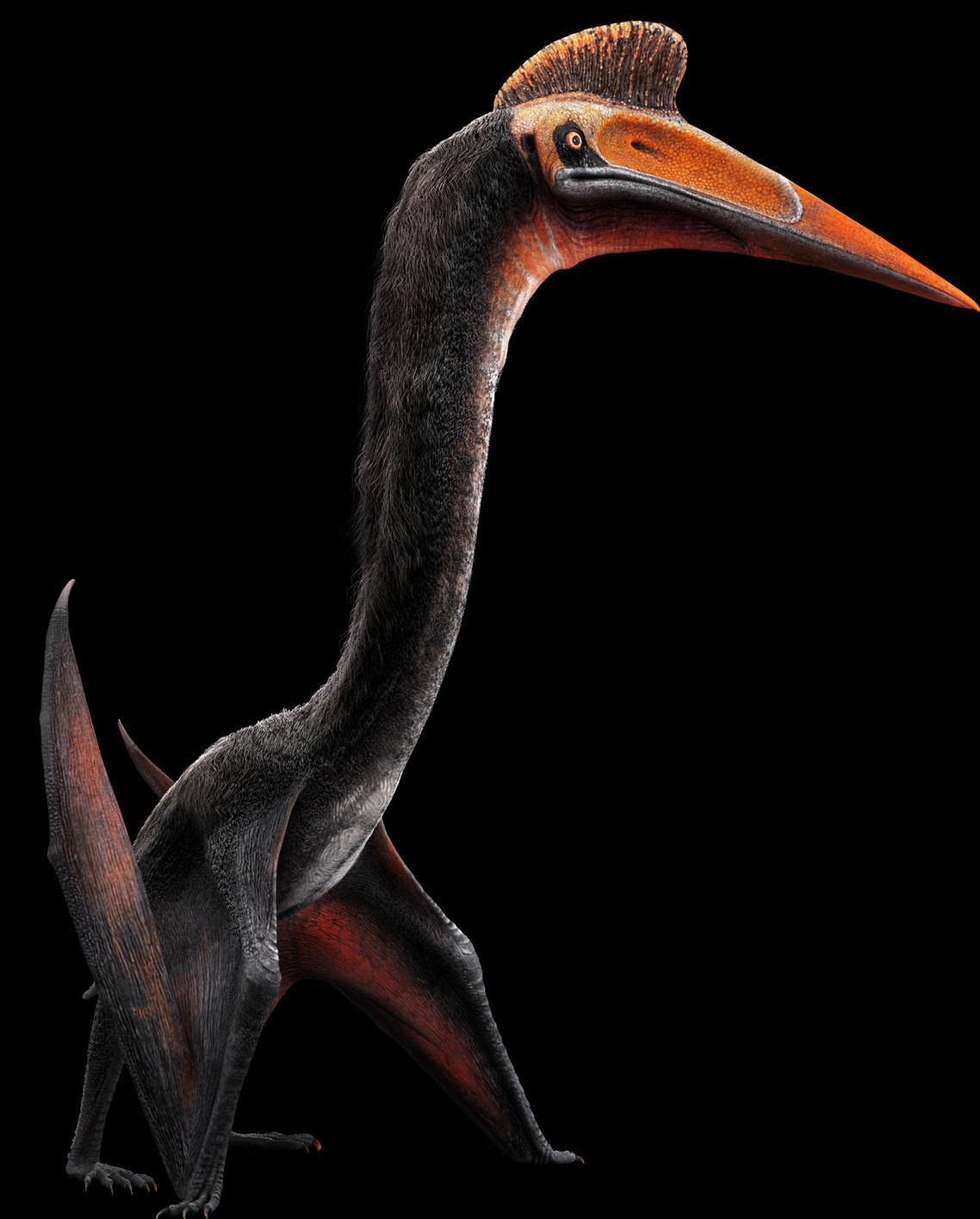
Quetzalcoatlus (pterosaur) is the largest flying bird
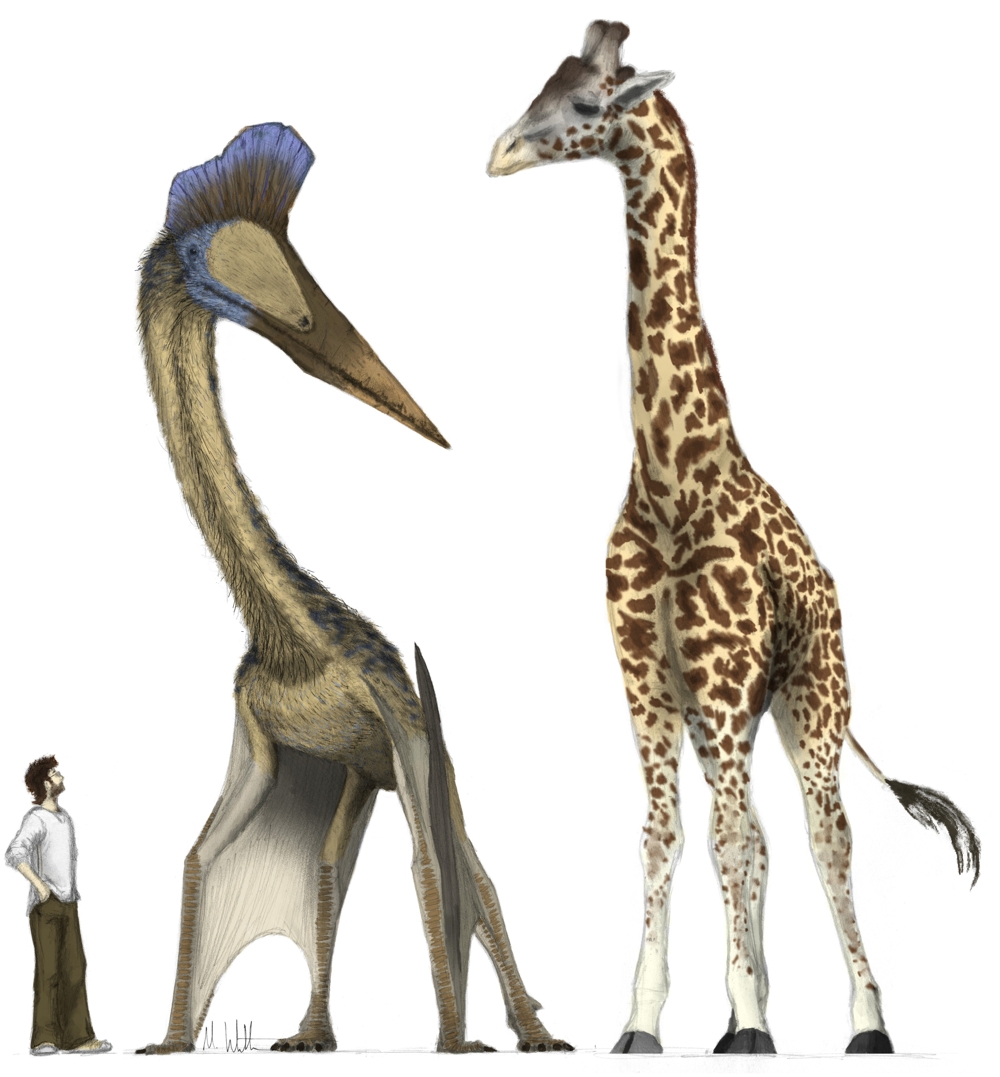
This bird is the size of an F-16 jet, its enormous wingspan was 10–15 meters long. And its bones are very light, hollow inside.
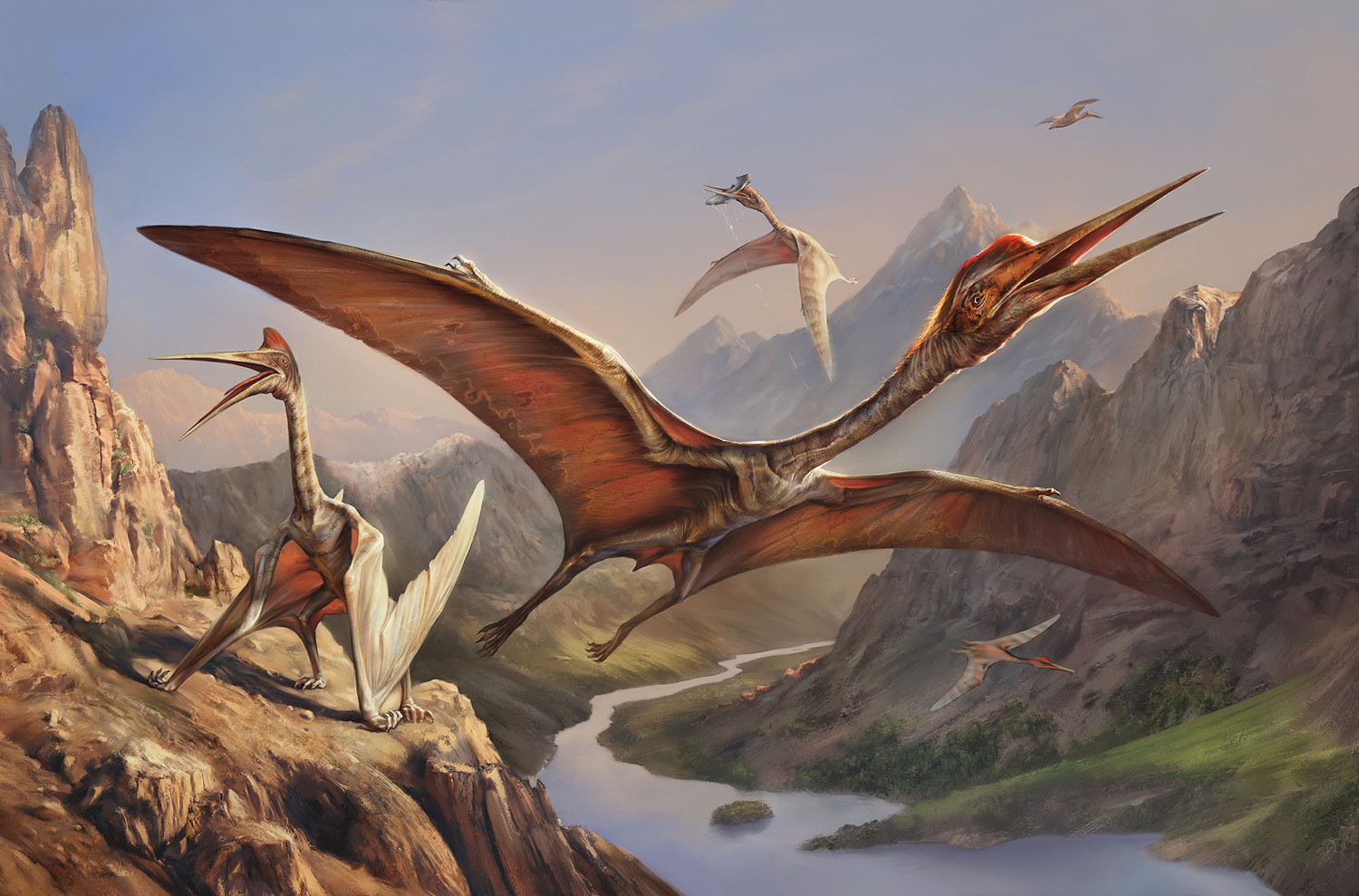
To take off, pterosaurs used the slopes of river and lake banks: they ran along this “runway” on all fours, flapped their wings and, having reached the required speed, rose into the air.
Currently, paleontologists have described more than 500 genera and about 1000 species of ancient animals, and among them there are truly outstanding ones, worthy of being included in the Guinness Book of Records.