Regardless of the size of their farm, many poultry farmers face the problem of small pests—chicken lice—infesting their poultry. This problem, called mallophagosis, is characterized by the destruction of feathers and down by this parasite. These insects, lurking on the surface of the birds' bodies, can not only significantly reduce the quality of eggs and meat but also infect humans.
Content
How to determine if a bird has lice
One of the signs of an infestation is feather problems. Affected birds may begin to molt unseasonably. This stage usually occurs relatively slowly, so other signs should be more attentive. For example, weight loss in young birds can be alarming; some individuals become visibly smaller, and their restlessness manifests itself in a constant urge to peck at feathers. Young hens that are slowly gaining weight but are fed fairly large amounts of feed should also be monitored. Upon examination, small holes in the feathers may be noticeable, which is especially noticeable during the molting period, when lice are most active.
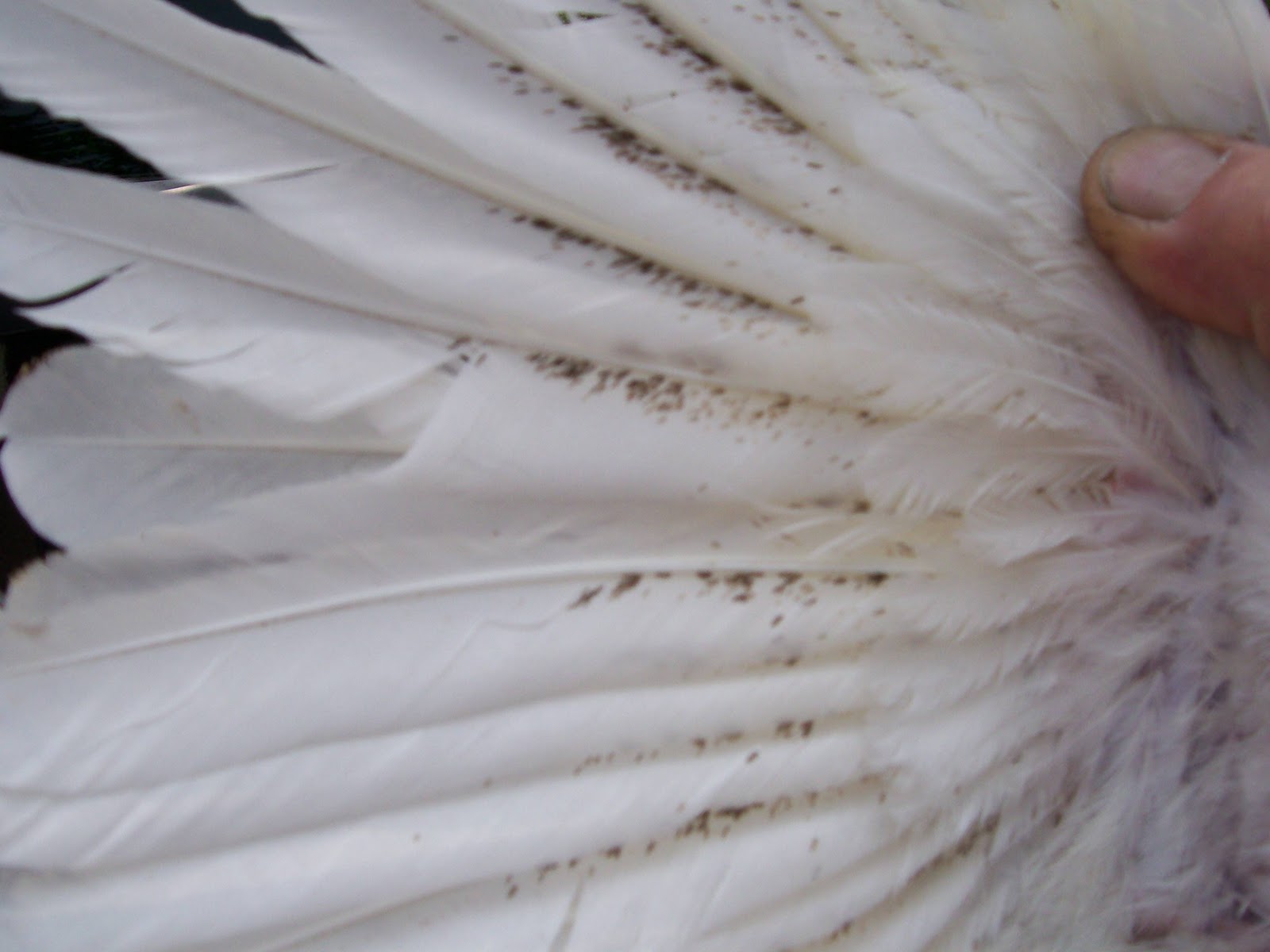
When chickens are infested with lice, typical feather damage appears.
Chicken lice most often feed on the bird's blood, its epithelium, and feathers, so if you suspect an infestation, you should carefully examine each individual.
There are many types of chicken parasites, but it is not so important to be able to distinguish between them all. If you notice small insects on the body surface of an obviously infested bird, then most likely these are lice. They are often yellow-brown in color and run near the wounds or sit directly on them.
The spread of parasites and the danger to other animals and people
Chicken lice can bite humans and even remain on their bodies for a while, but they cannot survive or reproduce there for long. As for other animals, this depends on the species, as a single body can harbor a wide variety of these pests. Unlike fleas, chicken lice are easily removed from hair by simply washing your hair, but this doesn't mean contact with them is completely safe.
When feeding on the host's blood, the insect secretes a special fluid that prevents the blood in the wound from clotting. This causes discomfort to the bird and can also contribute to the spread of infectious diseases carried directly by the lice. Parasites almost always appear in chickens that are kept in unsanitary conditions. This further increases the risk of contracting various diseases.
As mentioned above, chicken lice can significantly slow weight gain in young birds, reduce weight gain in adults, and also reduce the quality of meat and eggs. Furthermore, a bite from such a parasite can be not only very painful but even dangerous. Among the diseases transmitted to humans directly or through consumption of contaminated meat, four main ones can be identified:
- encephalitis;
- salmonellosis;
- brucellosis;
- helminthiasis.
It's also worth noting the possibility of an allergic reaction to a bite. Special care should be taken when cleaning areas where an infected chicken was kept, and it's best to consider timely disease prevention.
Methods of combating chicken lice
The best way to combat lice is to take precautions. However, once the parasites have appeared, it's important to act quickly, as the insects reproduce very quickly. A generation can change within a week. First, you should contact a veterinarian, but often there are no lice nearby, so immediate action is needed.
It is necessary to act in two stages: treating the bird itself and the place where it previously lived. You should also temporarily relocate your chickens to another area to avoid re-exposure to the most resistant lice. It's important to understand that the survival of these individuals may necessitate further treatment.
Folk remedies
Often, specialized insect control methods are simply unavailable to small farmers or those raising poultry for personal use. Therefore, it's recommended to use several homemade remedies. However, it's important to remember that such recipes are far less effective and should be used only as a last resort for small flocks or in the early stages of the disease, when the infestation is small and the lice haven't had time to proliferate significantly. The following recipes are the most popular:
- Mix kerosene and vinegar in a one-to-one ratio and treat each bird separately. Apply the solution carefully, being careful not to get it in the bird's eyes. Repeat the treatment after a week.
- Use only kerosene, rubbing it gently into the feathers.
- Mix kerosene with ammonia and use a pipette to apply a small amount to the neck or withers of each infected bird.
- Mix sand, ash, and pyrethrum powder, then let the birds "bathe" in the mixture. Repeat after seven days, if necessary.
- Mix eucalyptus and rosemary oils and rub the mixture into the birds' skin (most often used to prevent infestation of healthy chickens and to repel lice).
Photo Gallery: Antiparasitic Substances for Homemade Recipes
-
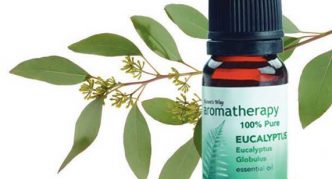
- Eucalyptus oil has a repellent effect.
-
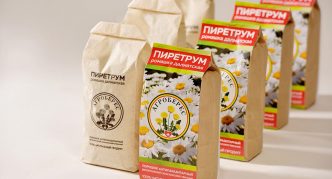
- Pyrethrum powder can be used in mixtures or sprinkled on the animal's body in its pure form.
-
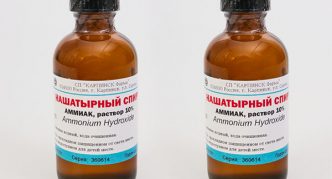
- Ammonia is one of the components of lice removal solutions, which increases the effectiveness of the fight against parasites.
-
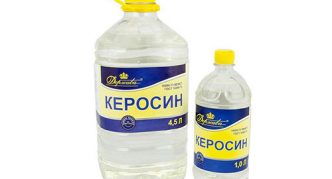
- Kerosene is an effective remedy for treating both the chickens themselves and the premises in which they are kept.
-
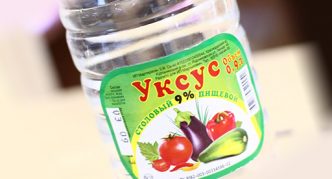
- Vinegar should not be used in its pure form, as there is a risk of burns on the bird's body.
Chemical means of lice control
Chemical methods are much more effective than traditional methods, but their use requires greater caution. Birds are treated using the following products and preparations:
- Butox. Dilute in water according to the instructions, then treat each individual insect separately.
- Drops such as Bars, Frontline, and others. Apply a few drops to the area where the parasites are most concentrated, but avoid applying them all over the skin. The effect lasts for about thirty days. It's important to understand that these products should not be combined with other insecticides (at least a month must pass before use), and they should not be used on chickens or very weak birds.
- Sprays such as Raid, Clean House, and others are recommended. It is recommended to apply the product to the chicken's entire body, spraying against the direction of the feathers.
Video: How to treat chickens for lice
Disinsection
Before cleaning the chicken coop, move all the birds to another location, thoroughly clean the room, remove feed and nests (or their contents), remove the eggs, and clean everything inside. After completing the preparatory work, put on protective clothing (maximum protective clothing and rubber gloves). Do not allow the solution to come into contact with skin or eyes under any circumstances. Treat the walls, floor, and ceiling of the chicken coop with the product you selected from the list below, and then leave the room to air out for a few hours. If the odor persists, it's recommended to wait a little longer. The manufacturer provides more detailed information in the instructions for use. Next, lay new bedding and provide fresh feed. If it's possible to move the birds to another room for a longer period, it's best to do so, but repeat the same procedure in the same location ten to fourteen days later. Lice eggs don't respond to treatment, and disinfestation two weeks later will kill any parasites that have hatched.
Among the popular insecticides suitable for indoor treatment, the following can be highlighted:
- Sevin;
- Entomosan;
- Stomazan;
- Diazonin.
Controlling Lice in Chickens
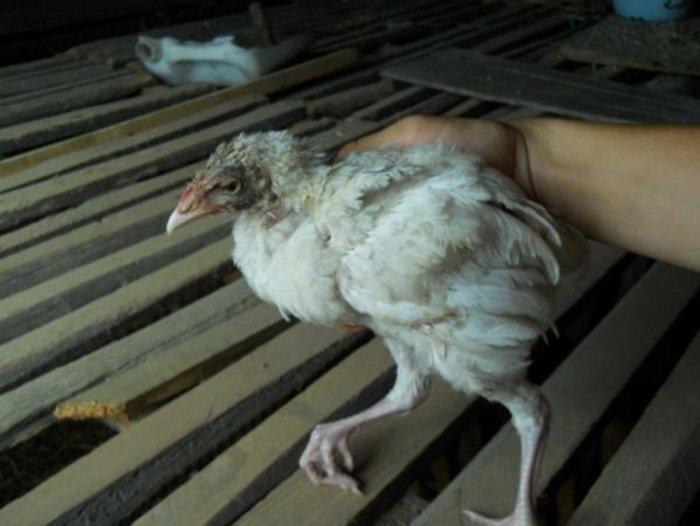
An infected individual differs from a healthy one in its characteristic appearance.
Many of the chicken lice control products available on the market can be dangerous for a growing chicken. The first thing to do is to provide the young birds with a bed of ash. By bathing in it, they will gradually get rid of this parasite. If the lice have become numerous, it's a good idea to change the makeshift mat every day.
Among the chemical treatments for chicken lice, Butox stands out. However, this doesn't mean you can be careless about dosage. The product can be toxic not only to chicks but also to adult birds and even to humans if precautions are not taken and handling errors are made. Before using, wear rubber gloves, face protection, and generally wear protective clothing. Butox is diluted at a rate of one dose per four liters of water. Spray the chicks while holding them in your hands. Care must be taken to avoid contact with the eyes or beaks of the birds.
You can also use products designed to protect dogs and cats from parasites, but be careful of the chlorine content. If it does, the product is not suitable for chickens. Suitable products include Bars, Dana, and Stomazan.
Insect Prevention
As mentioned above, it's much easier to prevent lice than to treat them. The main preventative measures are as follows:
- Provide protection against rodents: seal cracks and holes in the chicken coop, and if necessary, add rat poison in a place inaccessible to chickens;
- clean the chicken coop regularly (take out trash, old bedding, etc.);
- inspect your chickens more frequently for lice;
- hang dry wormwood or lavender around the room to repel parasites;
- Ensure that there is no contact with other people's chickens while they are in the range (for this purpose, you can use pens covered with mesh).
In summary, it's worth noting that timely lice prevention will not only help keep your chicken healthy but also protect you from contracting dangerous diseases. Clean your coop regularly, as a clean bird is a healthy bird.