Pediculosis is a parasitic infection of the scalp. It manifests itself as the presence of lice. With proper personal hygiene, the risk of infection is low. However, as we all live in society and are constantly in contact with others, it's important to know the signs of pediculosis and how to treat it. This will help identify and treat lice early.
Content
Signs of pediculosis
There are different types of lice: body lice, pubic lice, and head lice. Head lice are the most common and reside on the scalp. As soon as you suspect a hair infestation, treatment should begin immediately. They will be much more difficult to deal with later on, as they multiply very quickly.
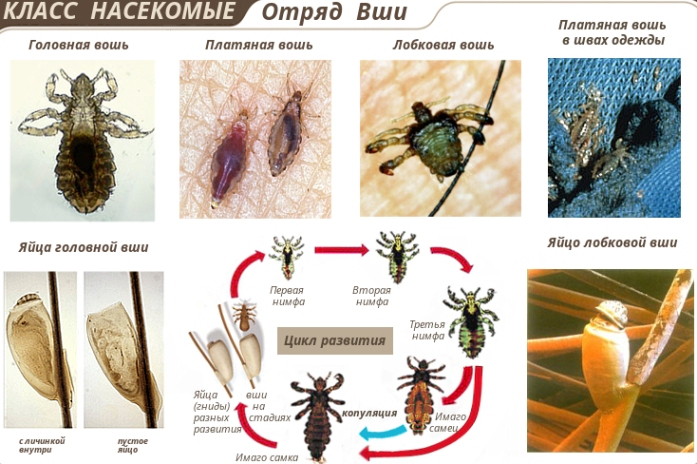
There are three types of lice: head lice, body lice and pubic lice.
How to recognize the presence of lice
You should pay attention to the following signs:
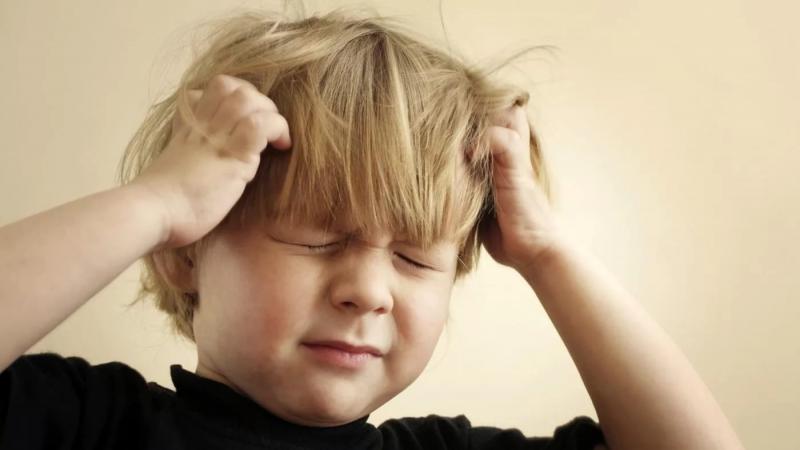
- my head is constantly itchy, even with regular washing;
- small red dots, similar to a rash, appear on the skin at the bite sites;
- When combing, strange insects are found between the teeth of the comb.

The young specimen has a fairly light coloration, darkening with time.
If you notice any of these signs, you should examine your head properly. Lice are very small creatures, making them difficult to spot in your hair. Moreover, if they sense danger, they can quickly disappear from view, hiding among hairs. To detect them, you'll need a fine-tooth comb, good lighting, and a magnifying glass. If you need to check yourself for lice and nits, you won't be able to do it yourself; you'll need help.
If your hair is thick, be sure to loosen it and comb it. Separate small strands with a comb and examine the scalp with a magnifying glass, looking for wounds or the lice themselves. In addition to adult lice, which must be eliminated immediately, you may see light spots resembling dandruff. If you try to brush these flakes off, they will remain. These are encapsulated lice eggs—nits—which will eventually become larvae.
Nits look like elongated, whitish droplets. They are easily visible on dark hair due to their light color. They are difficult to remove due to a special adhesive substance that ensures their strong adhesion.
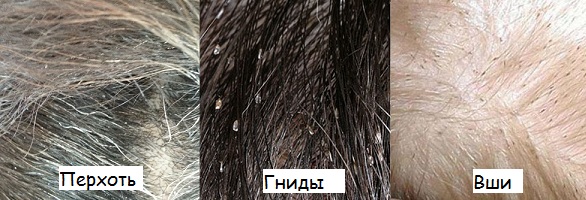
Nits differ from dandruff in size and structure.
Each nit is the shell for a single louse egg. It's tiny: just 0.7-0.8 mm long and up to 0.4 mm in diameter. Nits can be countless. It will look as if your head has been dusted with some kind of powder. Lice eggs can be either live or dead (empty). Both types must be removed. Live nits will take on a bluish tint when exposed to a beam of light. The dead will not change their appearance.
Men with beards and moustaches should have these areas of their faces checked for parasites.
After examination, the comb must be dipped in a 70% alcohol solution or held in boiling water to kill any parasites stuck in it.
Lice don't survive long away from their feeding grounds. They may abandon their host, but immediately find a new victim. Females live for 30–35 days, while males live up to 15 days. At temperatures of 10–20°C, adults can survive for up to 10 days without food.
How to distinguish pediculosis from dandruff
To avoid confusing these two diseases (and also to distinguish pediculosis from scalp itching caused by other reasons), you should pay attention to the following:
- Dandruff particles are easily removed from the hair, but nits are attached with a sticky substance, which makes them difficult to remove from the scalp.
- When you squeeze a nit between your nails, you hear a distinctive cracking sound—that's the shell breaking. If you do the same with dandruff, no sound will be heard.
- Nits are almost identical in size, but dandruff particles may vary.
- Dandruff is usually white in color, while nits are light gray or sometimes brown.
- The itching caused by pediculosis is much stronger than that caused by dandruff.
- Lice bites cause wounds, which are most often localized in areas with thin skin (behind the ears, on the temples, etc.), and redness from dandruff spreads over the entire surface of the scalp.
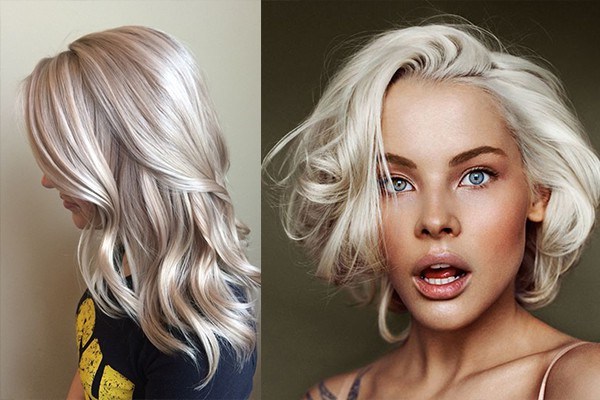
Hair dyeing, especially with harsh bleaching agents, is one way to kill lice and nits in adults.
Where do lice come from?
Lice can be transmitted in a variety of ways. They can't jump or fly, but they do move quickly and can crawl from one person to another. The hairs on the ends of their legs allow these parasites to cling well to surfaces and can reach speeds of up to 23 cm per minute.
You can become infected with pediculosis:
- in any public place in close contact with a carrier of the disease;
- through the things of an infected person (larvae can get on clothes);
- when using other people's combs in which nits or parasites themselves are stuck.
Once on the scalp, the female attaches several hundred shelled eggs (nits) to the hair using a special substance she produces. At average temperatures (36–37°C), the incubation period is 4–8 days; at 23–30°C, it is 16 days.
At ambient temperatures below 22°C and above 40°C, the embryo does not develop and the larva does not form.
Video: General characteristics of pediculosis and its treatment
Methods for removing lice at home
Once lice and/or nits are detected, treatment should begin immediately. At home, you can use pharmaceutical and folk remedies.
Medicines
When choosing a drug for the treatment of pediculosis, you need to consider the following:
- safety - the drug does not cause side effects;
- effectiveness - the medicine kills both adult nits and nits;
- ease of use - no additional skills or abilities are required;
- availability - price within reasonable limits.
Manufacturers have developed a number of products to help combat head lice:
- Lice shampoos. They're no different from regular shampoos in terms of application, but after they lather, they need to be left on the hair for the time specified in the instructions. The most popular are:
- Pedilin - affects both adult lice and nits (cannot be used to treat children under 2 years of age);
- Parasidosis - sold complete with a comb for combing out larvae and used twice a day (sometimes causes allergies, not recommended for treating children under 2.5 years of age);
- NOC - kills larvae, nits and adult lice;
- LiceGuard - the main ingredient in this shampoo softens the sticky secretion that attaches nits to the hair.
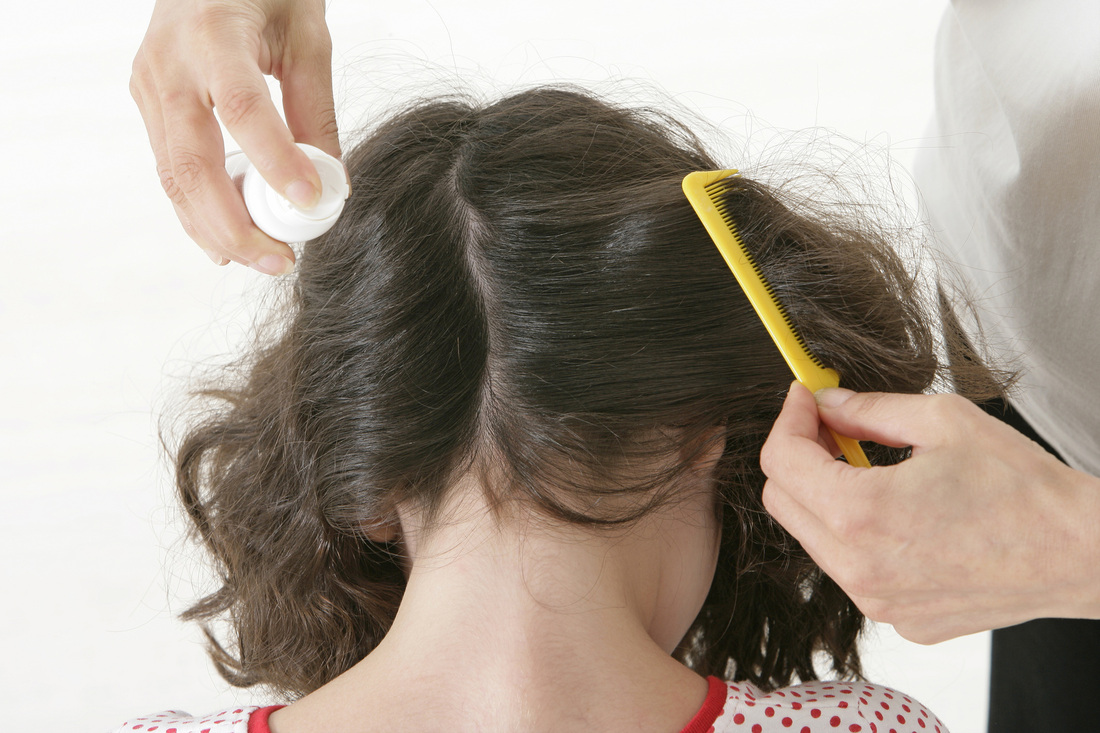
- Pediculicide sprays. These are usually insecticide-free. Apply to dry hair until thoroughly moistened, then comb out the lice after 30-45 minutes using the included comb. The following products are available in pharmacies:
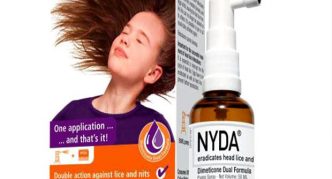
- Nyuda is used to treat head lice in adults and children over 3 years of age;
- Paranit - has a good effect on mature individuals and larvae, but does not destroy nits;
- Pedikulen Ultra is a strong preparation based on anise oil; it is not recommended for use by children under 5 years of age.
Photo gallery: Pharmaceutical lice treatments
-
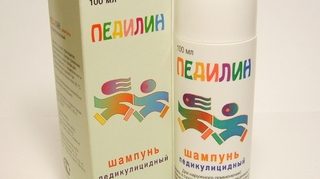
- The remedy for pediculosis Pedilin is available in the form of shampoo and emulsion.
-
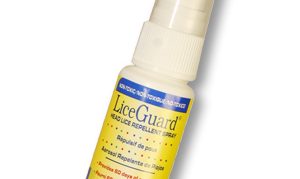
- Domestic and imported remedies for pediculosis can be found in pharmacies.
-
- Most lice sprays come with a special comb for combing out lice.
Folk remedies
In addition to commercial lice treatments, some natural remedies can help:
- Vinegar (you can use either table vinegar or apple cider vinegar). Use 1 tablespoon of 9% vinegar for every 100 ml of warm water. Apple cider vinegar can be diluted with vegetable oil in a 1:1 ratio. Wet your hair thoroughly with the resulting solution, cover it with a shower cap or plastic bag, and let it sit for about half an hour. Then, without rinsing, comb out the parasites from your hair. Rinse your hair with plenty of water and shampoo (for a more effective solution, you can use an anti-lice shampoo).
- Table salt and wine vinegar. Mix three tablespoons of salt with a glass of vinegar and 5 grams of ethyl alcohol. Apply gauze soaked in the resulting solution to washed and dried hair. Re-wet the gauze every two hours. Keep this compress on throughout the day.
- Burdock. Pour boiling water over several berries and leaves of the plant, let it steep for an hour, and rinse your hair with the resulting mixture twice a day. Elecampane root can be used in the same way.
- Mint. Mix two tablespoons of crushed leaves with a glass of pomegranate juice. Then use as you would burdock.
- Cranberry juice. Rub it into the scalp for 7 days.
The following products are not recommended for use due to toxicity:
- hellebore water - it contains alkaloids, too high a concentration of which can cause poisoning;
- Dust soap - can cause serious intoxication;
- Kerosene - may damage hair and scalp, freeze hair follicles, etc.
Video: Tips for using folk remedies for head lice
Methods for combing out lice
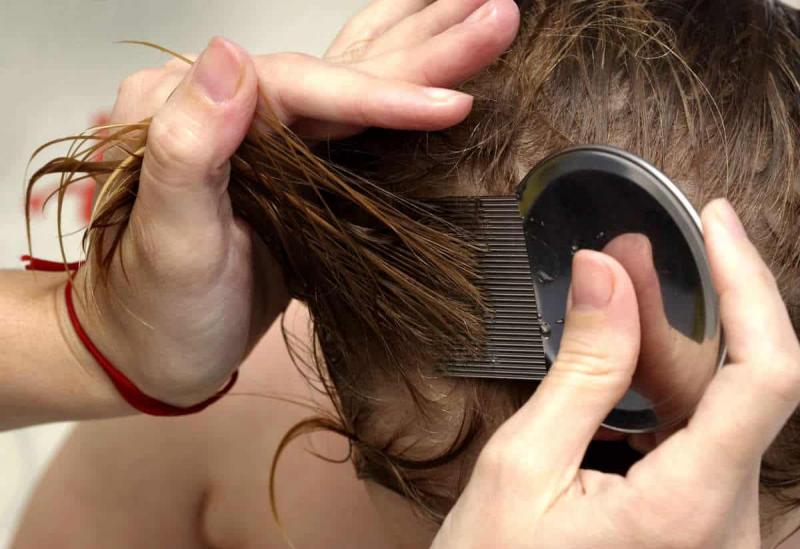
Combing out lice and nits is done with a fine-toothed comb from the very roots of the hair (first of all, you need to get rid of the adult lice, since the female lays 8-10 eggs every day).
You can purchase devices specifically designed to combat head lice:
- mechanical combs AntiV (aka Nit Free), LiceGuard;
- RobiComb comb with an electric action function on parasites that get caught in its teeth.
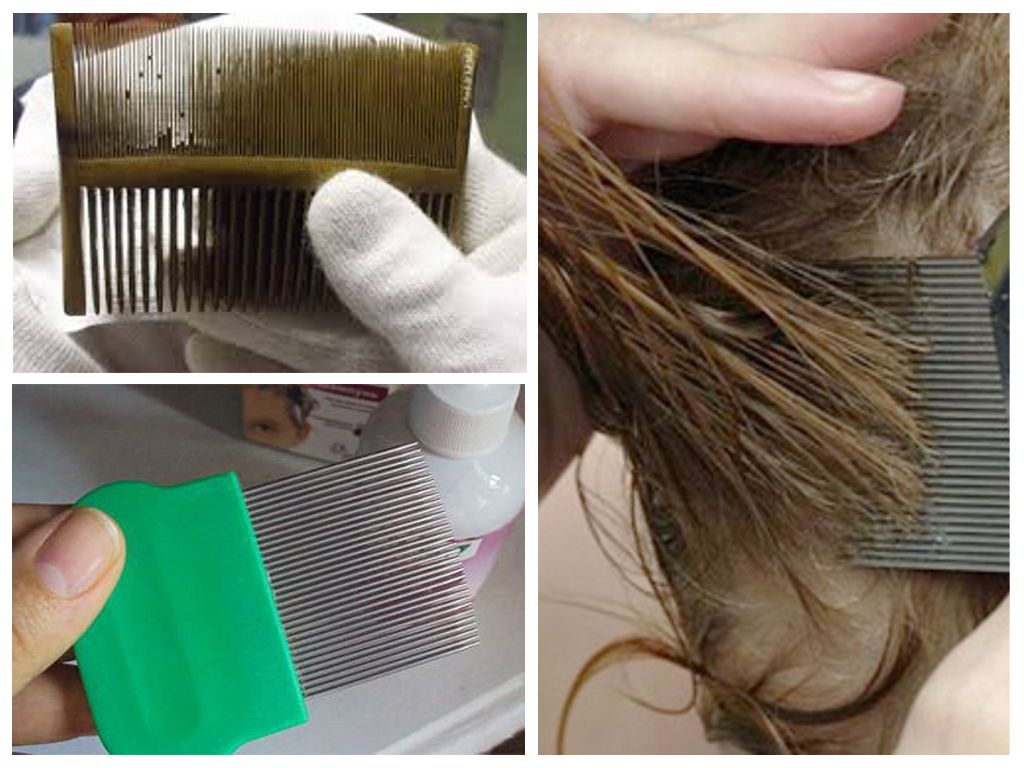
For combing, you need to use a comb with fine teeth
The combing procedure should be carried out correctly:
- Spread a sheet or stand over the bathtub to ensure that no parasite leaves alive.
- Remove clothing up to the waist, as lice may get on it during the procedure.
- Gather your hair into a ponytail and, releasing strand by strand, comb it thoroughly from the roots.
- Rinse the comb under running very hot water or dip it in boiling water.
- Repeat the procedure 4 to 10 times.
Prevention
To avoid infestation with lice, it is necessary to follow the rules of personal hygiene:
- wash your hair and whole body at least once every 7 days;
- as soon as they become dirty, but at least once a week, change bed linen and underwear;
- wash clothes with mandatory ironing with a hot iron;
- comb and cut your hair regularly;
- It is advisable for children to have their hair checked weekly for lice and nits (visual inspection);
- use only your own personal hygiene items, underwear, clothing and hats;
- After purchasing items, be sure to wash them and iron them with a hot iron.
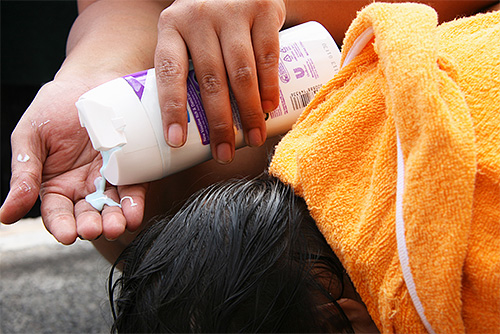
Following basic hygiene rules will reduce the risk of head lice infection.
Reviews of lice removal methods
I used Pedikulen Ultra lotion. Then I tried Nuda. But the nits weren't removed by these products. I combed them out endlessly. And it seemed like everything was over, but when I went to visit my grandmother in the village, I was running my hand through my daughter's hair out of habit and FOUND A LOUSE AGAIN! And new nits mixed in with the old, now dry ones. The village pharmacists offered me PARA PLUS. And they were right.
We combed out all the lice from our child in a week using just the LiceGuard comb. I was worried it wouldn't work because our little one has very thick and curly hair, and the comb was too fine and tight. But everything turned out fine; the comb out was easy, and no one was hurt. It's just important to know how to comb out lice properly.
You should rub rosemary oil behind your ears once a day (I skip Saturdays because we don't go to school). There are also shampoos with rosemary, but I find the scent is less strong than the oil.
Contrary to popular belief, lice aren't just a problem for the untidy. We all live in crowded communities and can easily become infected. Therefore, it's important to take preventative measures. And if you do get lice, the information in this article will help you get rid of them quickly.