Pediculosis is a very unpleasant condition, as lice and nits cause severe scalp itching and psychological discomfort. Getting rid of them can be difficult, and expensive medications aren't always affordable. In this case, folk remedies can come to the rescue, one of which is vinegar.
Content
Peculiarities of vinegar action
The benefits of using vinegar against lice and nits compared to other remedies:
- Availability - sold in all grocery stores.
- Cheapness - a bottle of table vinegar can be found for 10 rubles.
- Non-toxic - minimal risks when used correctly.
- Effectiveness: acetic acid has an extremely negative effect on lice.
The disadvantages include the damage that vinegar causes to hair and an unpleasant smell.
Action of vinegar:
- Acetic acid dissolves the outer chitinous shell of the louse and penetrates inside the insect, after which it dies or weakens to such an extent that it is easily removed from the hair.
- Vinegar doesn't kill nits, but it does soften the sticky substance that attaches nits to hair, making it easier to comb out the lice eggs.
Recipes for using vinegar against lice and nits
You can use any type of vinegar you have on hand—spirit vinegar, apple cider vinegar, wine vinegar, rice vinegar, and others. Lice are killed by acetic acid, which is present in vinegar regardless of its origin.

Vinegar is obtained by fermenting various products, its origin does not affect its effectiveness against lice.
Only vinegar with a concentration of no more than 9% can be used.Undiluted vinegar essence cannot be used.
It's important to remember that vinegar is essentially an acid and, in high concentrations, can cause severe burns to the skin and respiratory tract if inhaled. For the same reason, avoid getting vinegar in your eyes, even in solution.
Folk recipes
Acetic acid against lice is used in solutions, masks, mixtures, and lotions.
Vinegar solution
Prepare a metal comb in advance to comb out any remaining lice and nits after the procedure. It's recommended to wear gloves when applying the product to avoid drying out your hands.
Step-by-step instructions:
- Mix nine percent vinegar with water in a 1:2 ratio. If the vinegar is six percent, use one part vinegar to one part water. If you have three percent vinegar, there's no need to dilute it.
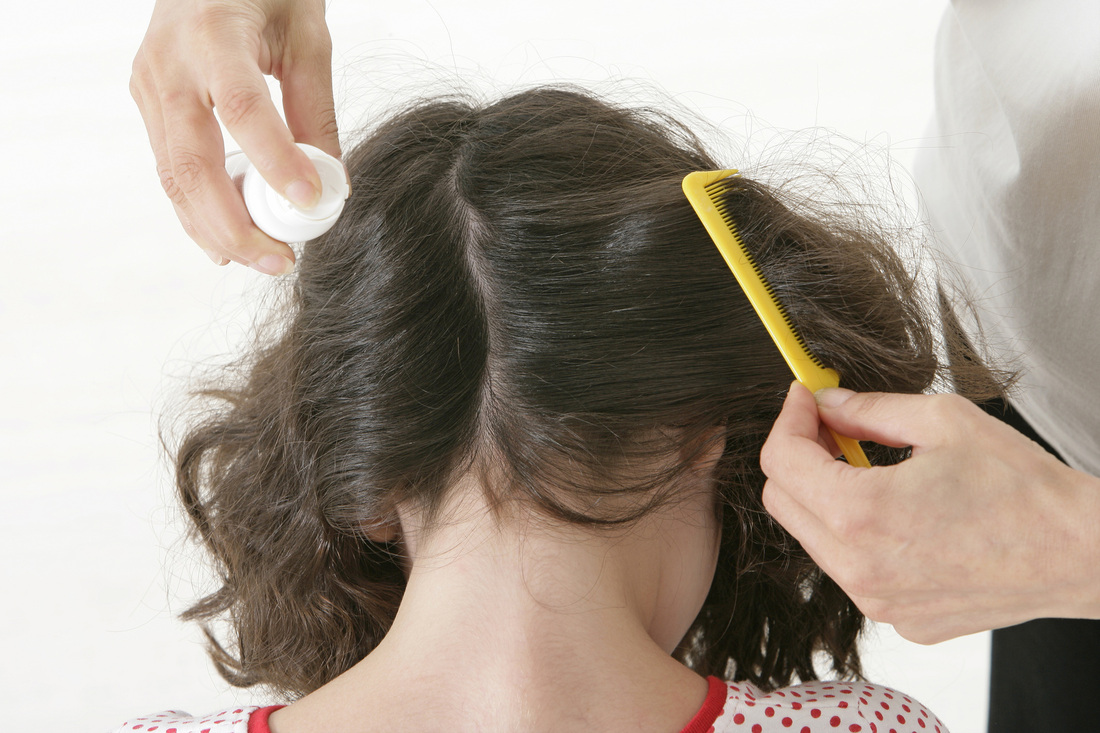
- Apply the resulting mixture to thoroughly combed, dry hair, including the roots. You can do this with a cotton swab, a hair color brush, or an old toothbrush.
- Place a plastic cap on your head. You can use a regular grocery bag, cling film, or shoe covers. Wrap a cloth (kerchief, scarf, towel, or scarf) over the plastic cap.
- Leave the mixture on your hair for 30–60 minutes.
- After the required time has passed, you need to wash your hair thoroughly with water without shampoo, and then comb it out.
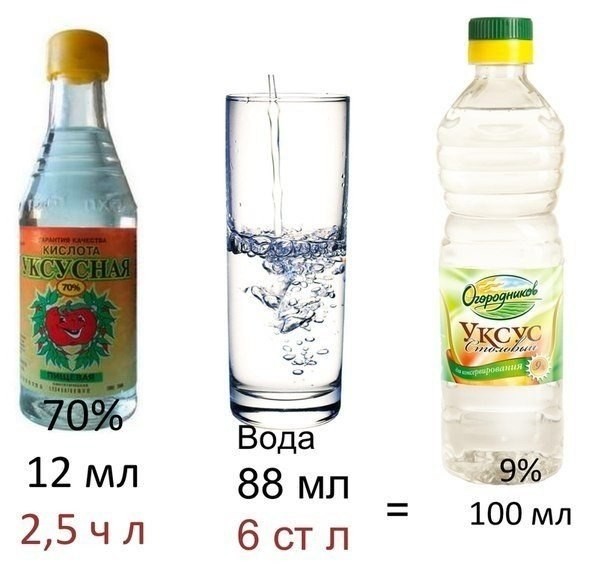
You can make 9% vinegar from the essence yourself, but you need to do it very carefully; it’s better to add a little more water than necessary.
If during the procedure you experience a severe burning sensation on your scalp, poor health, coughing, sneezing, or shortness of breath, you should wash off the mixture and consult a doctor. An allergy to vinegar is rare, but possible.
Egg and mustard mask
This mask not only helps against lice and their eggs, but also benefits your hair. The eggs in it soften the harsh effects of the vinegar, while the mustard, like vinegar, has a negative effect on lice.
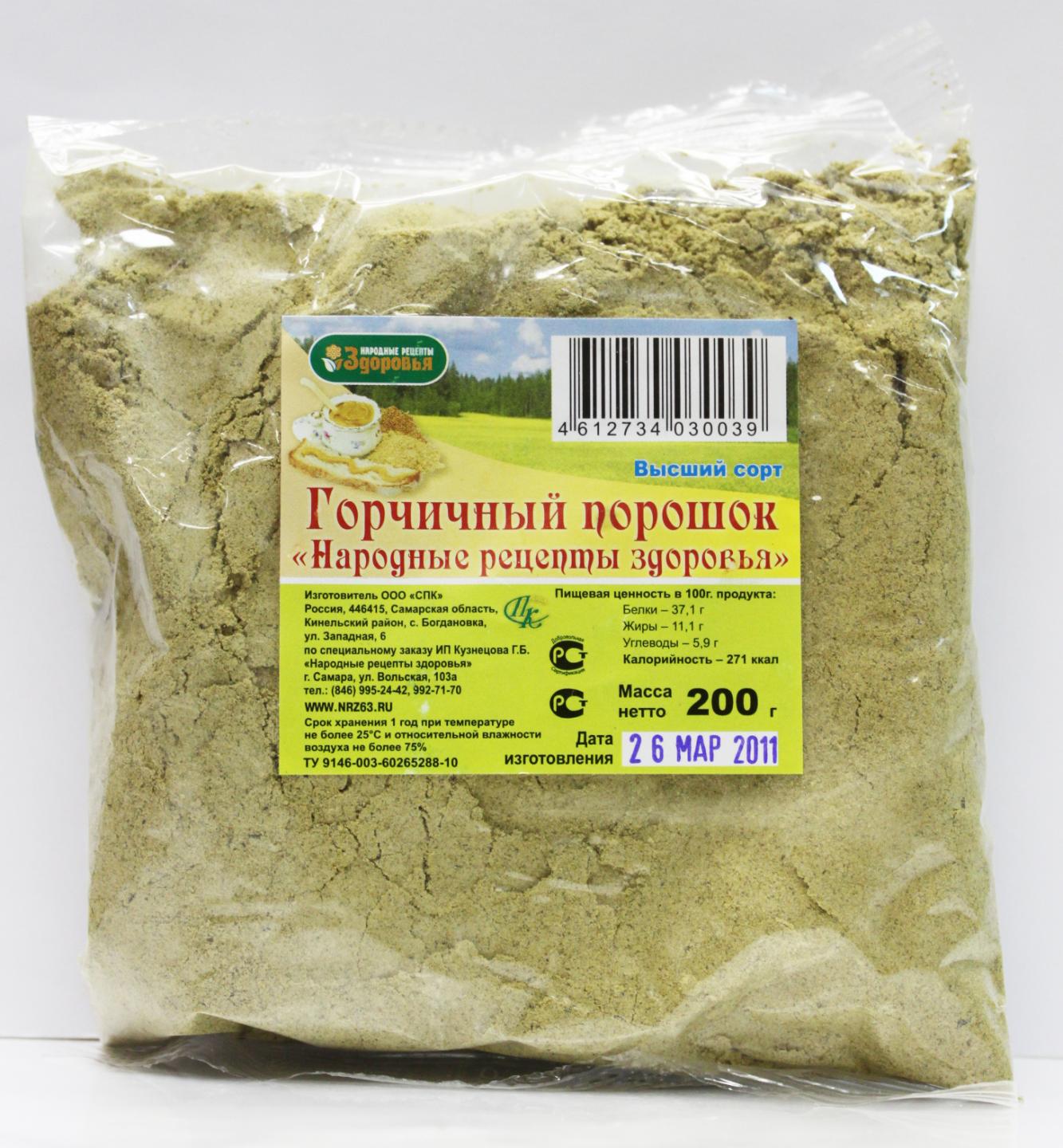
If you don't have mustard on hand, you can use mustard powder for the mask.
Step-by-step instructions:
- Add two eggs and two tablespoons of mustard to the vinegar solution prepared as described above. Mustard powder can also be used.
- Mix all ingredients well and coat your hair with the mixture.
- Wrap the scalp in plastic and put a scarf or shawl on top.
- Keep the mask on your hair for three hours.
- Rinse and comb hair thoroughly.
Mayonnaise can also be used instead of mustard and eggs. In this case, the mask should be left on the hair longer. You can leave it on overnight, then rinse it out in the morning, rinse your hair with a weak vinegar solution, and comb it thoroughly.
A mixture of vinegar and oil
To avoid damaging your hair, you can dilute the vinegar with oil instead of water. Use the same ratio: 1 part 9% vinegar to 2 parts of any vegetable oil. For 6% vinegar, the ratio would be 1:1. Leave the oil-vinegar mixture on your hair for eight hours under plastic wrap. Afterward, rinse with shampoo and comb out the hair.
Essential oils that lice don't like will add to the product's usefulness:
- tea tree,
- mint,
- lavender,
- geranium,
- rosemary,
- eucalyptus.
Essential oils that have an anti-pediculosis effect can also be added to the vinegar-water solution.

For complex treatment against lice, tea tree oil can be added to shampoo.
Vinegar poultice
How to get rid of lice with a vinegar compress:
- You need to mix 250 ml of water-vinegar solution (three percent vinegar) and 40 grams of salt.
- Pour 5 grams of medical alcohol into the resulting mixture.
- Soak gauze in the solution and apply to a clean, dry head in areas where there are most lice.
- Wear the compress all day, during which time it needs to be changed at least three times.
The advantage of this remedy is that it not only helps against lice, but also reduces scalp irritation and relieves itching.
How to comb your hair properly
As mentioned, comb your hair after using any vinegar-based treatments. It's important to do this correctly, as this will also determine the results. The better you comb out lice eggs from your hair, the less likely it is that you will need a second course of treatment.
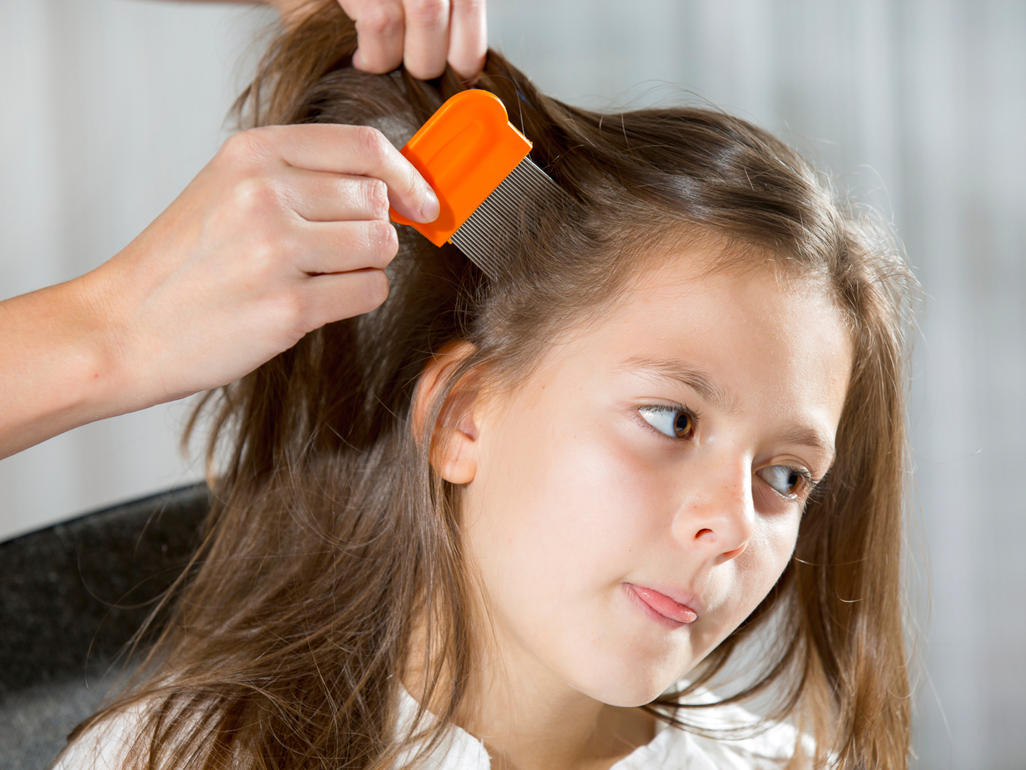
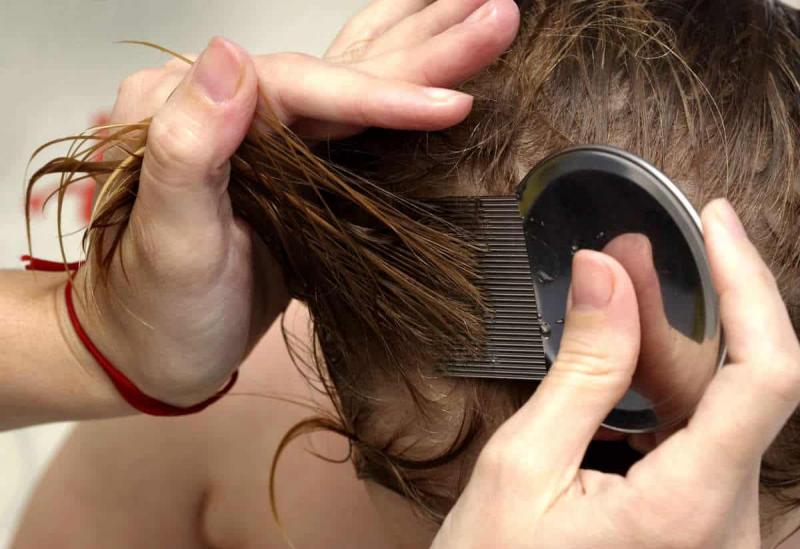
Special combs are used for combing, as their frequent metal teeth catch lice and nits well.
Recommendations for combing out lice and nits with a comb:
- A detangling comb should be metal, with specially serrated teeth. You can buy one at a beauty supply store, pharmacy, or online. Wooden or plastic combs are not suitable.
- It is necessary to comb your hair, dividing it into thin strands.
- Every time lice or nits remain on the comb, rinse it in hot water, preferably with the addition of vinegar.
To prevent surviving insects from re-infesting personal items and furniture, it is best to comb out the insects in the bathroom, above the sink, in the hallway, and, in warmer weather, on the balcony or outside.
Duration of treatment
The length of treatment depends on how many lice a person has and whether they are removed correctly after the procedure. If pediculosis is not advanced and everything is done correctly, two or three procedures with a solution or mixture are enough. Vinegar masks should be applied for 3-4 days in a row. A week after the last treatment, a control application should be performed. This applies to all recipes. If lice persist, the treatment can be extended to a week. However, this will severely damage the hair.
Peculiarities of using vinegar in the treatment of childhood pediculosis
Vinegar solution has long been used to treat head lice in children, as when prepared correctly, it has a gentle effect compared to other folk remedies. The vinegar solution should be left on children's hair for no more than half an hour. Keep in mind that children's skin is sensitive, so be especially careful when preparing the solution, making sure to use the correct proportions. It's best to avoid using vinegar from essence when treating a child.
Vinegar can seriously damage girls' hair, so it's important to remember this and stock up on restorative hair products in advance. A good alternative to the solution in this case is an egg-based mask.
Contraindications and side effects
The following are absolute contraindications to the use of vinegar:
- recorded allergic reactions to it;
- the presence of wounds, scratches, irritation on the head.
Vinegar should be used with great caution:
- in case of bronchial asthma, pulmonary insufficiency and other diseases of the respiratory system - vinegar vapors can irritate the respiratory tract and cause an exacerbation of diseases;
- During pregnancy, the effect of vinegar is unknown, as no studies have been conducted.
Before starting treatment with vinegar, as with other remedies, it is advisable to conduct a sensitivity test.
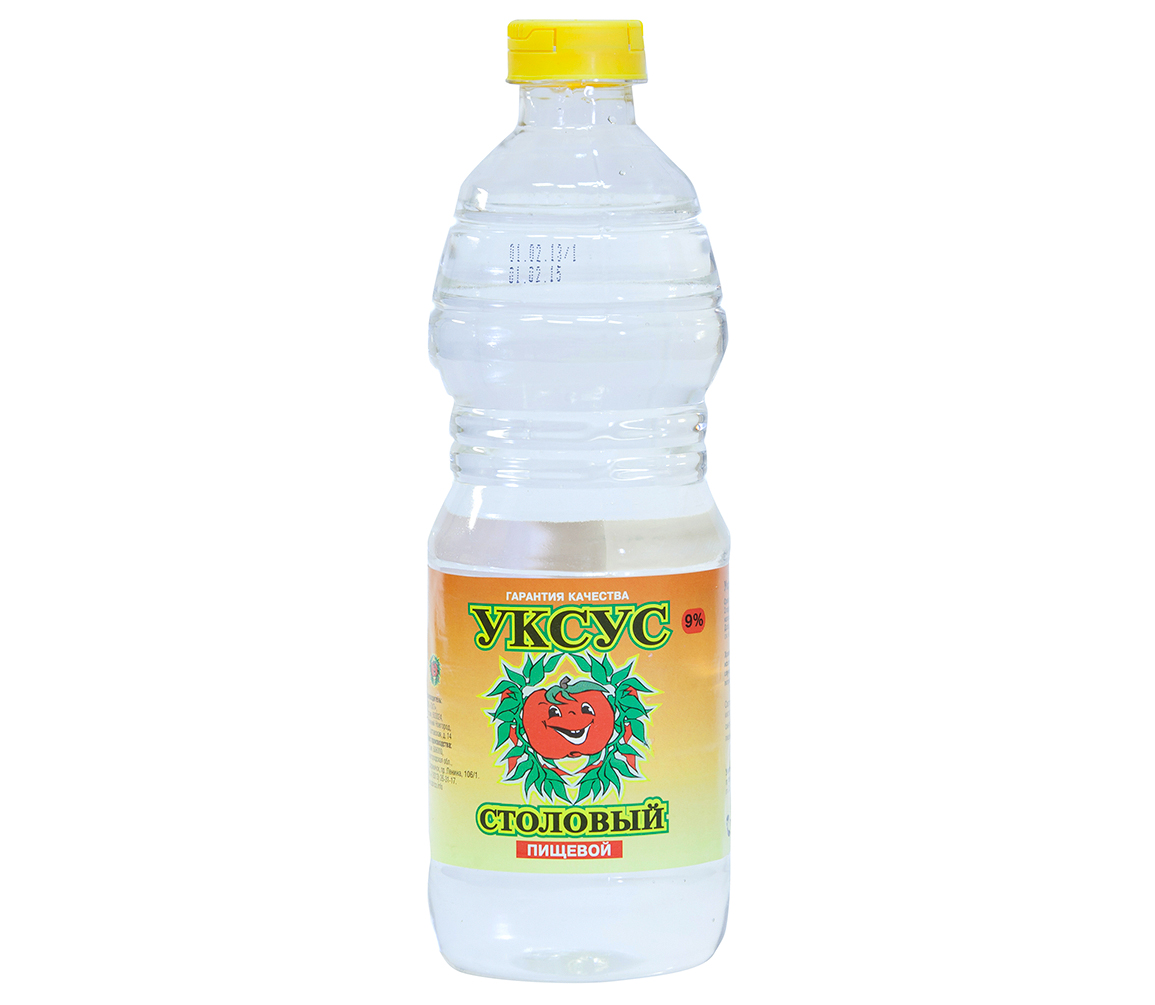
If vinegar solution accidentally gets into your eyes, rinse them immediately with plenty of cool water.
Apply the lice-fighting product to the elbow or wrist and observe the reaction. If any allergic reactions or redness occur, discontinue use. Side effects primarily affect hair: it can become dry and brittle, and sometimes even cause hair loss. Vinegar is especially harmful to color-treated hair. Scalp irritation is also possible.
Vinegar vapors can cause respiratory irritation, dizziness, and nausea. To avoid this, keep the bottle tightly capped, cover hair soaked in vinegar with a shower cap, and ensure the room is well ventilated.
Reviews of vinegar for lice and nits
Vinegar really does help remove lice. No matter what product you apply to your head, the results depend on how well you comb it out. And vinegar is the best tool for this process.
Vinegar is a great way to remove lice and nits from long hair. Then, wrap a comb with several layers of thread and comb out the nits. Just be careful of your eyes, and you'll be free of nits in 1-3 days.
When my daughter got lice, my wife immediately started treating her with vinegar. The smell filled the entire apartment, but the parasites were eliminated.
I tried getting rid of lice with vinegar after a month of unsuccessfully trying various medications, shampoos, and combing them out. I concluded that the shampoos were simply counterfeit. Yesterday, I wet my daughter's head with water, then poured a 1:3 solution of vinegar and water over her, and immediately started combing her out with a special comb. Vinegar dissolves the glue that holds the nits to the hair. But I was shocked to find that the lice I combed out were dead or barely moving—meaning the vinegar either kills or paralyzes them. Afterward, we washed her hair with shampoo to remove the vinegar smell. I think we'll do this for a few days straight. At least it's better than chemicals, which are useless, by the way.
I tried my grandmother's recipe of vinegar and oil. The insects all died, and it took a long time to comb them out. But afterward, I had to wash out the oil three more times with shampoo. It's not a very convenient or pleasant solution.
Vinegar can be used to treat head lice. It's often effective in killing lice and nits. However, keep it out of reach of children and take safety precautions when preparing mixtures to avoid burns. Hair can be damaged when using vinegar to combat parasites. To avoid this, use gentle products with a low vinegar content. These are preferable for children's or weakened hair.