As children, we all fearlessly went into the forest to pick mushrooms and berries, went on school hikes, and vacationed by lakes and rivers. We were, of course, most wary of and protected ourselves from mosquitoes. Ticks weren't something we ever thought about. But now, they're all we hear about, along with the diseases they carry. Are ticks really that dangerous, and how can we protect ourselves from attacks and infection?
Content
Why is a tick dangerous?
The tick (Latin: acari) is one of the most ancient inhabitants of our planet. Contrary to popular belief, a tick is not an insect, but an animal belonging to the class of arachnids. There are thousands of species of ticks. But today we will discuss protection from parasitic ticks, bloodsucking ticks belonging to the family Ixodid.
A tick bite can cause an allergic reaction or inflammatory skin reactions. But most importantly, they carry dangerous diseases:
- tick-borne encephalitis;
- borreliosis;
- typhus, etc.
These infections are very severe, have a long recovery period and, if the disease progresses unfavorably, can lead to disability or death.
How to protect yourself from ticks
To avoid tick attacks, you need to choose good protective equipment, choose the right clothing, and you can also use folk remedies.
Choosing clothes
Before heading into the forest, it's important to choose your clothing carefully. Here are the main rules:
- clothes should be light, plain, made of thick material, jacket - with long sleeves;
- a head covering (cap, hood, scarf) is required;
- It is better if the collar and cuffs fit tightly to the body;
- The shirt is tucked into trousers, and the trousers are tucked into socks with a thick elastic band.
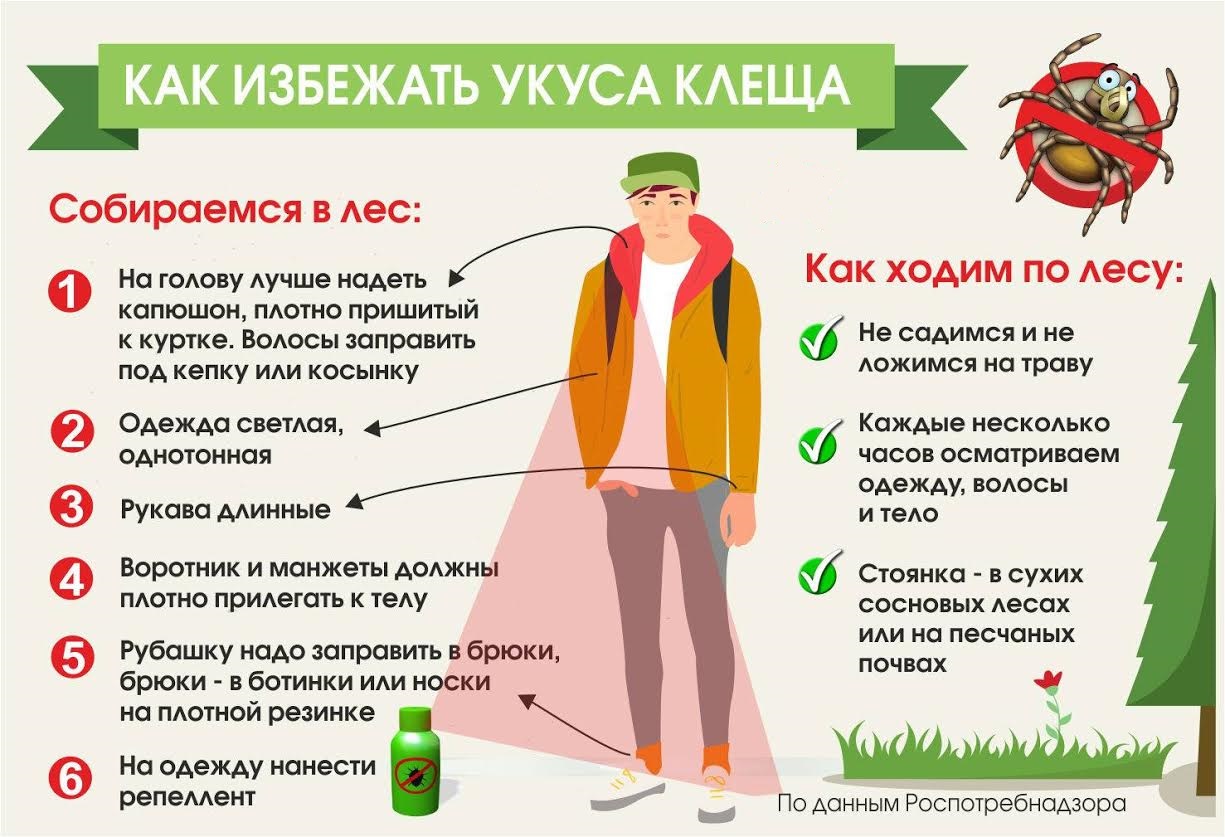
Properly selected clothing and adherence to rules of conduct in the forest will help avoid tick attacks and further consequences.
Nowadays there is special clothing for hiking in the forest. It's equipped with tick traps in the form of pockets or protective tapes (the tick constantly crawls upward, crawls into the tape, and is prevented from moving any further). You can sew these protective tapes onto your pants at the knees or on the sleeves yourself.

The anti-encephalitis suit is equipped with additional cuffs on the sleeves, mechanical and chemical traps, as well as internal cuffs on the trousers that are tucked into the boots.
After visiting the forest, don't forget to check yourself for ticks, and it's best to wash your clothes.
Types of drugs for protection
When visiting forests and parks, it's essential to use tick repellents. Several types are available today:
- Repellents (they repel parasites with an unpleasant odor). They are based on diethyltoluamide (DEET), a universal component commonly found in repellents used against mosquitoes, midges, and ticks. One downside is that it is toxic. Repellents also contain essential oils—natural ingredients effective in repelling insects.
- Acaricidal (paralyze and kill ticks). Acaricidal repellents are based on permethrin and its derivatives. These products are more toxic and are not intended for topical application. They are applied only to the outer layer of clothing. When the poison comes into contact with a tick, it paralyzes and then kills the parasite. If you plan to spend the night outdoors, be sure to treat your tent and sleeping bags.
- Insecticide-repellent (combine both actions). They can be applied to both clothing and the body, but it is believed that combining both actions makes these products less effective.
The time and degree of protection will depend on the concentration of the active substance. This will also affect the price of the product. Carefully read the information on the product packaging. For example, a 30–40% concentration means protection lasts an average of five hours. A concentration of around 25% provides protection for three hours, while a 10% concentration provides protection for two hours.
If you decide to purchase protective equipment, it is best to go to a large store or pharmacy to avoid counterfeits that can be found from unverified sellers.
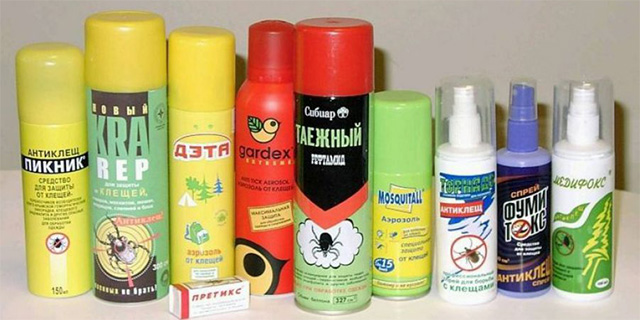
Before using tick repellent, read the instructions carefully.
Directions for use
The use of sprays and aerosols against ticks requires adherence to certain rules:
- Apply tick repellent aerosols and sprays only outdoors.
- Treat the garment from the front side. Allow the product to dry before wearing.
- When spraying the product on the skin, treat a small area first.
- When applying the product, pay attention to the area of the face around the eyes, mouth and nose.
- Do not rub creams deep into the skin.
- Do not apply the product to your child's hands, as they will likely put them in their mouth.
- After visiting the forest, wash off the product thoroughly with soap and water.
Popular brands of tick repellents
The most popular repellents today include:
- Off! Extreme;
- Reftamide Maximum;
- Gardex Extreme;
- Biban.
Acaricidal agents:
- Tornado anti-mite;
- Gardex-anti-mite;
- Reftamide taiga;
- Anti-mite picnic.
Insecticide-repellent:
- Medilis-comfort;
- Moskitol;
- Kaput tick.
Children's anti-tick medications:
- Biban;
- Gardex Baby against ticks and mosquitoes;
- Picnic Baby.
Table: Main characteristics of popular tick repellents
| Name of the product | Characteristics | Average cost |
| Gardex Extreme |
| 270 rubles / 150 ml |
| Gardex Baby tick and mosquito repellent |
| 250 rubles / 100 ml |
| Mosquitall |
| 160 rubles / 100 ml |
| Reftamide Maximum |
| 130 rubles / 150 ml |
| Off Extreme |
| 270 rubles / 150 ml |
| Taiga Reftamide |
| 100 RUR/ 145 ml |
| Picnic Baby |
| 150 rubles / 125 ml |
| Anti-mite tornado |
| 125 rubles/ 100 ml |
| Off! Kids |
| 115 rubles/ 50 ml |
| Biban |
| 130 rubles/ 125 ml |
| Medilis-Comfort |
| 170 rubles/ 100 ml |
| Gardex-anti-mite |
| 215 rubles/ 150 ml |
| Anti-tick picnic |
| 164 rubles/ 125 ml |
Photo Gallery: Tick Repellents
-

- The effect of Gardex Extreme lasts up to 15 days when storing clothes in sealed packaging.
-

- The protective action time of Reftamide Antikleshch is 10-15 days.
-
- Moskitol spray can be used to protect children and pregnant women, because it does not come into contact with exposed skin and does not have an irritating or toxic effect.
-
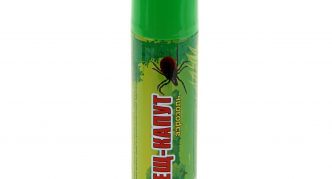
- The Klesh-kaput remedy will protect against ixodid ticks, as well as fleas, mosquitoes, midges, and mosquitoes.
-
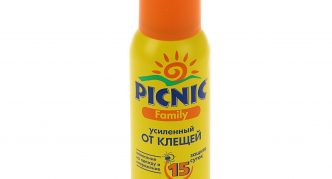
- Picnic Family Super tick repellent provides tick protection for the whole family.
-
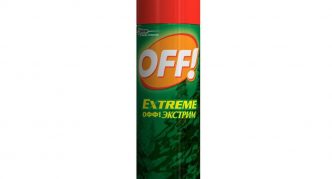
- Off! Extreme Spray protects against mosquitoes, ticks, and horseflies.
-
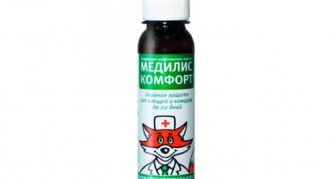
- One press of the Medilis-comfort spray head is enough to treat an area of 100 square centimeters.
Video: Review and testing of tick repellents
https://youtube.com/watch?v=wwzcBT7RcDE
Traditional methods
For people with allergies or those who, for whatever reason, prefer not to use chemicals, there are folk remedies for tick protection. Their undeniable advantages include non-toxicity and low cost, but their drawback is their lack of effectiveness: to ensure effective tick protection outdoors, a homemade remedy will require much more frequent application than a store-bought chemical product.
What folk remedies can be used to repel ticks?
- It's been proven that ticks dislike the smell of garlic. If you and your companions don't mind the aroma, eat a clove before heading out. However, applying garlic-infused mixtures to your body is safer. Avoid rubbing yourself with undiluted garlic juice, as it can cause burns.

To prepare a garlic tincture, take 100 grams of alcohol or vodka, pour it over a finely chopped or grated head of garlic and spray the mixture on your body and clothes.
- Ticks dislike the scent of geranium, lavender, and marigolds. Place these plants in your pockets before heading out into nature.
- Tar also has a repellent effect on bloodsuckers, so you can grate tar soap and put it in your pockets.
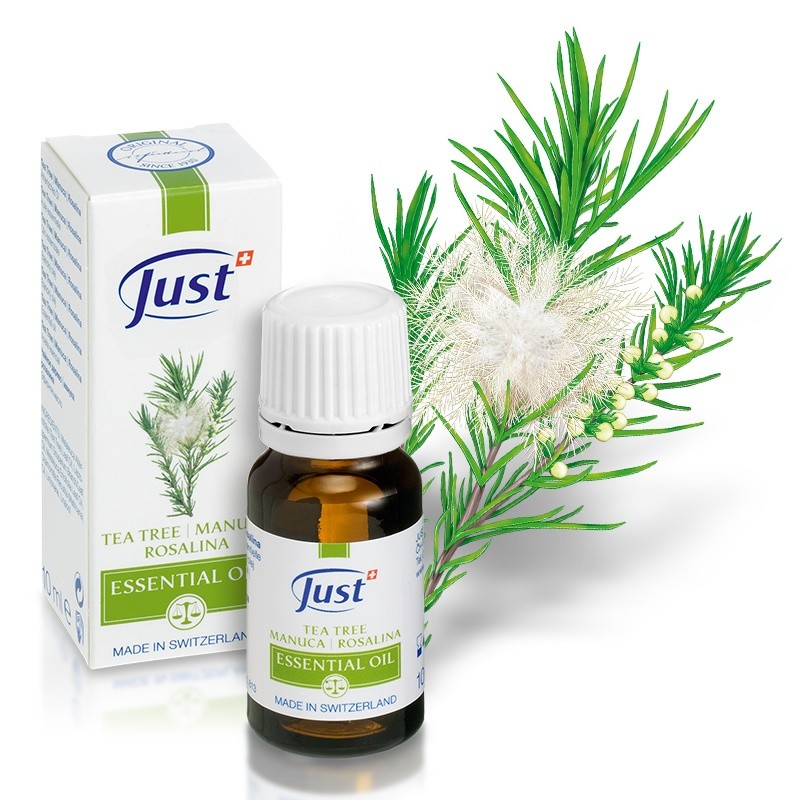
- Ticks hate the scent of essential oils. Add tea tree, clove, peppermint, or eucalyptus oil to salt water (half a teaspoon of oil per 100 ml of water). Pour the resulting solution into a spray bottle. Shake well before use and apply to exposed areas of the body. Two drops of the oil can also be added to a cream (10 ml) and applied directly to the skin.
You can make a tick-repellent mixture with tea tree essential oil, which you can rub on before going into the woods.
- To treat clothing, you can prepare a bay leaf decoction. Boil five to seven medium-sized leaves in 200 ml of water for ten minutes. Spray the decoction on the clothing. Ticks will dislike the scent.

Reviews
I use Gardex, which can only be applied to clothing...
I've tried and am happy with Moskitol tick repellent; it's sold in supermarkets here. It actually has a strange effect on ticks. I think I read somewhere that the ticks start crawling erratically, sometimes parallel to the ground or downwards, even though they're genetically programmed to move upwards, against gravity.
I use Moskitol when I'm seriously going into the woods; it keeps mosquitoes away well, and I haven't seen any ticks with it. I also use Gardex.
Only "Taiga Reftamide." Green is specifically for ticks and should only be applied to clothing. Blue is a universal product; I use it when midges are attacking, and it can also be applied to skin. I prefer the green one.
Of course, there's no need to become a mentally unstable person suffering from tick phobia. Don't deprive yourself of a wonderful outdoor experience just because you're afraid of something happening. Use our tips to keep yourself and your loved ones safe. Have a wonderful vacation and happy hiking in the woods!