Dogs possess a wealth of talents and unique abilities, and their devotion to humans, combined with their natural enthusiasm, makes them particularly valuable workers. Today, you'll learn about eight of the most interesting and challenging dog professions and once again admire these animals.
Sapper
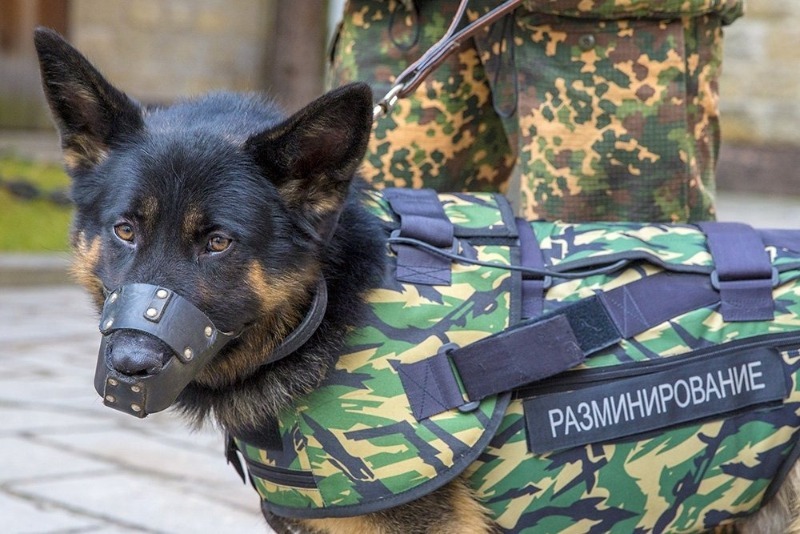
These four-legged soldiers perform their work thanks to their excellent sense of smell. Their advantage over mine detectors is that a dog's nose can sniff out explosives not only in metal casings, but also in plastic, wood, cardboard, and other materials. There have been cases where dogs have sniffed out ordnance buried two meters deep in the ground.
Sappers undergo rigorous selection and training. In addition to their search skills, the dog must be mentally stable and able to concentrate on the task at hand even in the presence of distractions, as many lives depend on their work.
Labradors, retrievers, spaniels, German and Belgian shepherds are recognized as the best sniffers.
During the Great Patriotic War, mine-clearing dogs cleared 4 million mines and landmines. The most famous mine-clearing dog in the USSR, Dzhulbars, even received the Medal for Military Merit and participated in the 1945 Victory Parade: after being seriously wounded, he was carried across Red Square on Joseph Stalin's old military jacket.
Bloodhound at customs
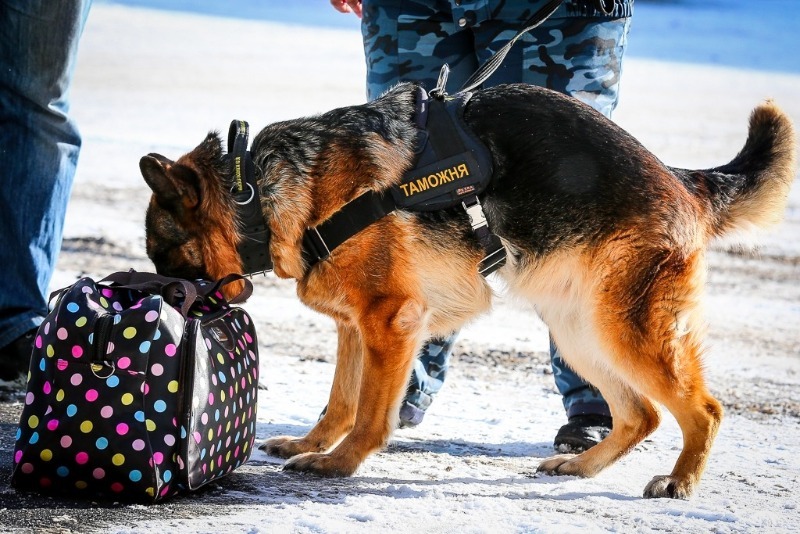
Once again, a dog's nose is unrivaled. At customs, sniffer dogs sniff out prohibited items: drugs, tobacco products, weapons, explosives, and even money.
For such work, a dog must have a kind and docile nature. After all, it doesn't need to guard or apprehend criminals.
The four-legged specialists receive their training from the Federal Customs Service and then undergo annual testing. Their work lasts up to 10 years.
Rescuer
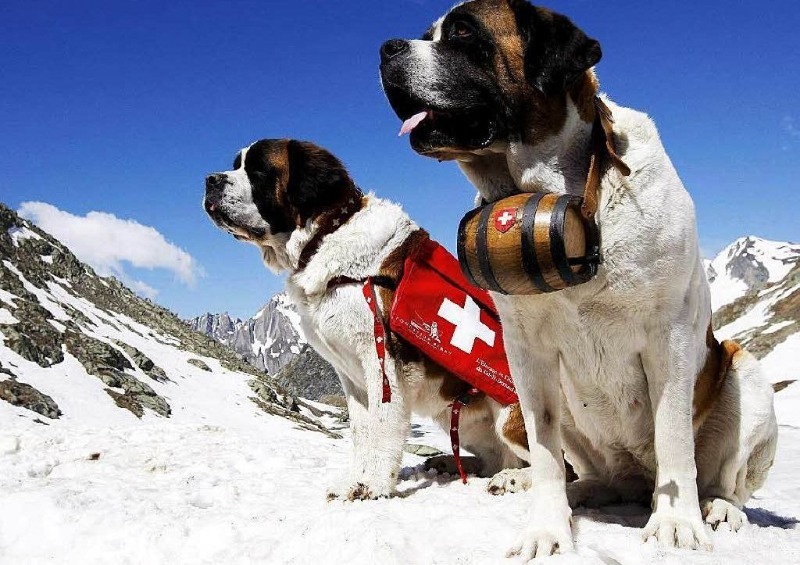
Dogs find people under the rubble of collapsed buildings, under thick snow, and in the forest. When a report of a lost mushroom picker is received, canine handlers and their trained dogs are the first to arrive. It's important that the dog walks on untrodden ground and is able to pick up the scent.
During earthquakes and explosions, dogs are also sent to the ruins. Rescue teams can't always hear human cries. And then all hope rests on the fearless and tireless animals.
In 1954, in the Dachstein Mountains, a German Shepherd named Ajax spent four days searching for and digging out 11 schoolchildren and their teacher who had been buried in an avalanche, until his paws froze and were worn down to the bone.
Shepherd
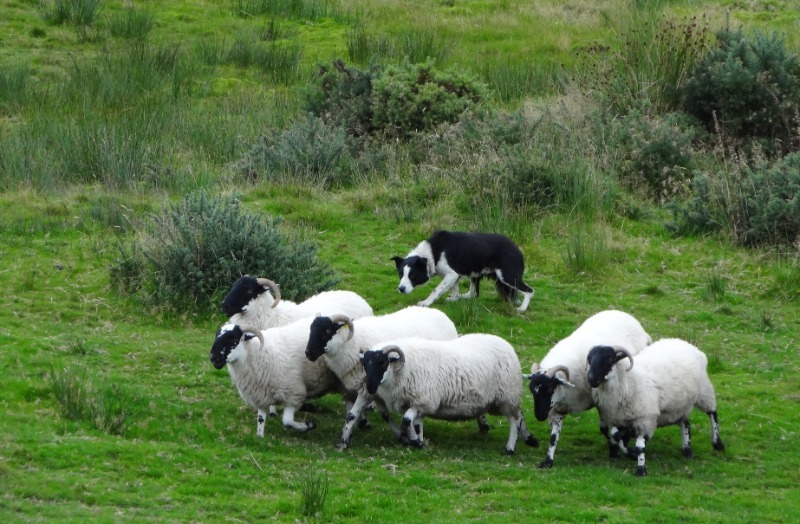
Dogs have been used to work pastures since ancient times. Thanks to this service, we now have many breeds that possess a genetic herding instinct.
This, for example:
- border collie;
- Welsh Corgi;
- Bernese Mountain Dog;
- Sheltie;
- bobtail;
- Samoyed dog;
- briar;
- Schipperke;
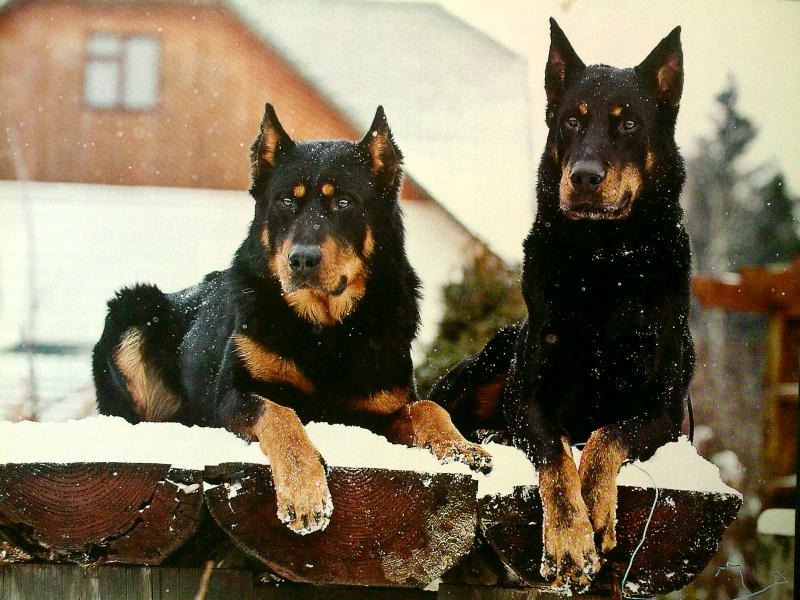
- Beauceron;
- as well as Caucasian, Central Asian, Australian, Belgian and German Shepherds.
The tailed shepherds prevent the animals from wandering off. Some dogs run around the flock, maintaining its boundaries. Others bark warningly at stragglers, herding them back into the herd.
But shepherd dogs don't just watch over livestock. They also protect their charges from attacks by wild animals or human intruders.
Shepherd dogs must be resilient when traveling long distances, tolerant of thirst, fearless, self-confident and obedient to their owner.
Therapist
There are known cases of dogs lying on the same area of their owners' bodies, and the humans were subsequently diagnosed with tumors. By their actions, the pets were trying to warn humans of health problems. There's nothing mystical about this. Scientists have discovered that cancer cells can emit a special odor that is detected by animals with a keen sense of smell—cats and dogs.
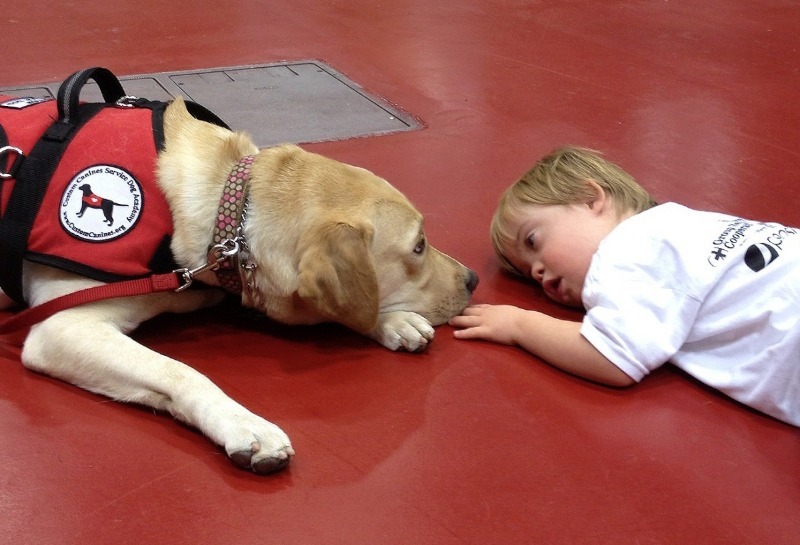
But the "medical" work of four-legged friends doesn't end there. There's even a whole field of rehabilitation medicine called canistherapy. Dogs act as doctors in this field. They help nursing home residents cope with depression and insomnia, they're brought to people who have suffered strokes, and they help children with autism who exhibit destructive behavior improve their relationships with others.
Artist
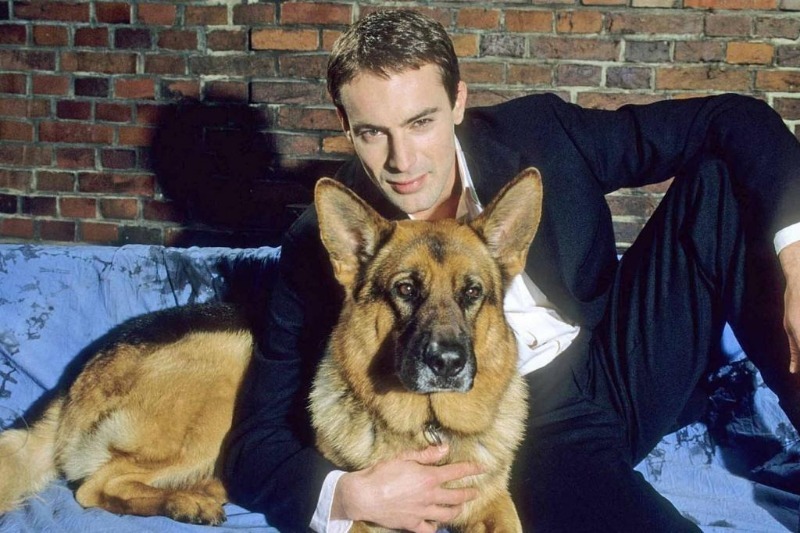
Some four-legged movie stars boast greater popularity than their human counterparts. But these leading dogs aren't concerned with fame. Like all professional dogs, they do their work purely out of passion and are always happy to be on set.
The most famous and beloved films and TV series featuring dogs:
- "Come to me, Mukhtar!"
- "Barbos the Dog and the Unusual Cross"
- White Bim Black Ear;
- "Commissioner Rex"
- "Hachiko";
- "Beethoven";
- Marley and Me.
Since 2001, the Cannes Film Festival has also presented an award to dog actors. The animal equivalent of the Oscar is the Golden Collar. The first recipient was Uggie, who starred in the film "Water for Elephants."
Hunter
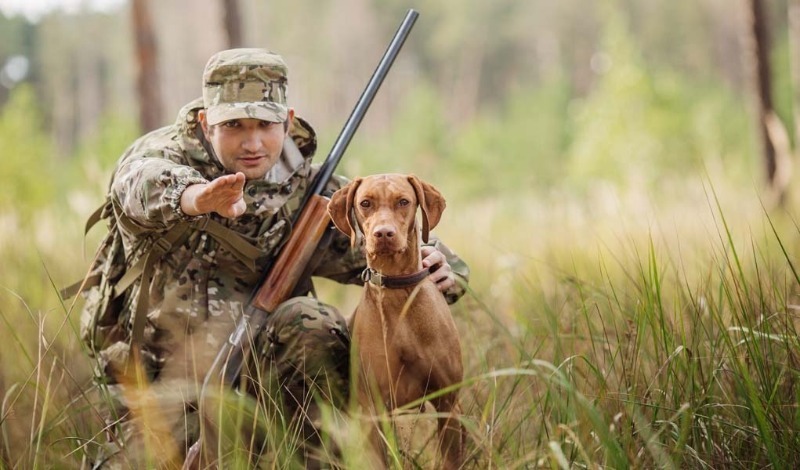
Hunting dogs have frequently appeared in the paintings of famous artists. Hunting wild animals with dogs has been a favorite pastime of kings and nobles in many countries since ancient times.
Four-legged hunters, like humans, must be resilient and patient. Sometimes they have to wait for hours, even days, to spot an animal, and then the long pursuit begins. A dog shares all the hardships of life on the trail with its master.
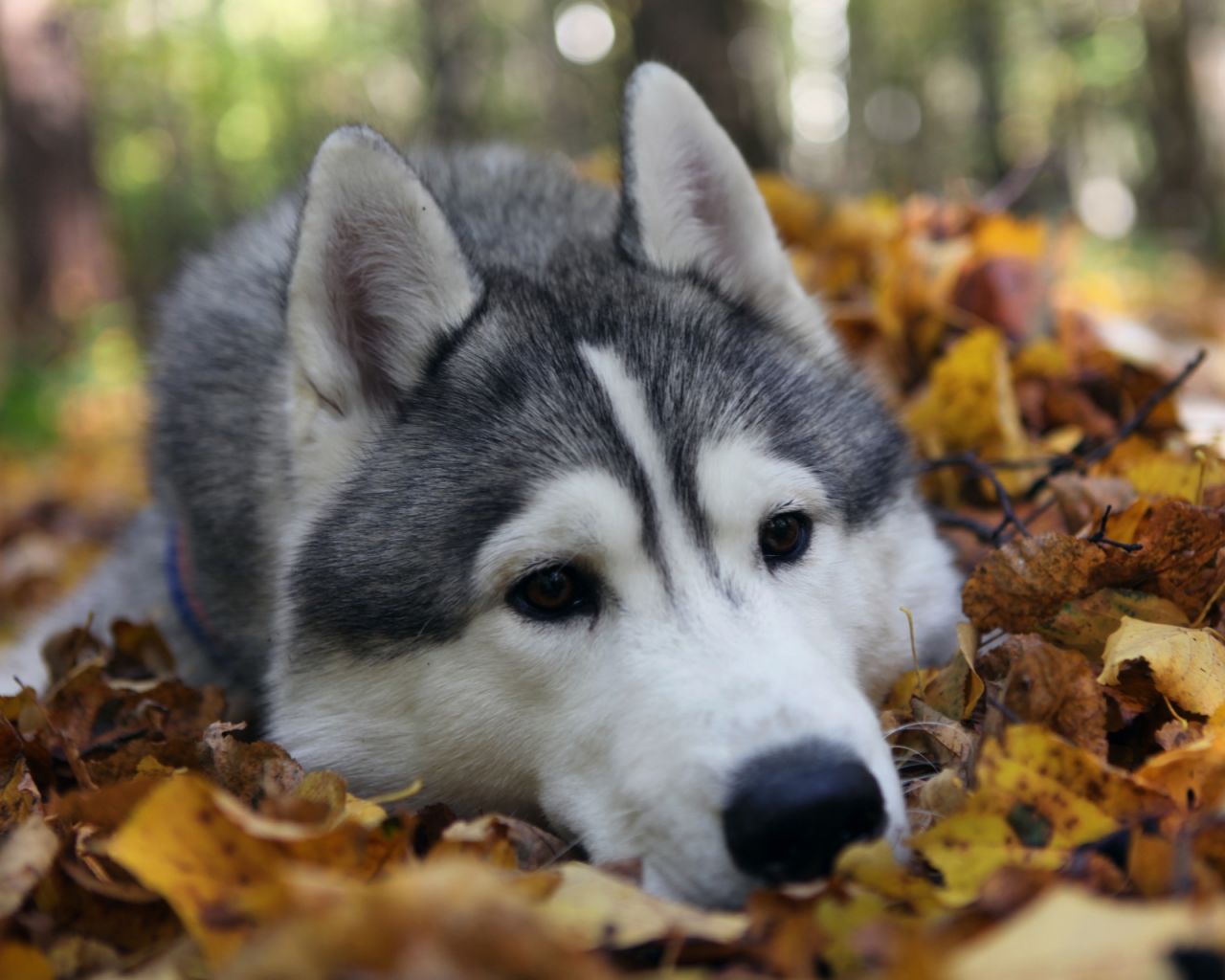
A dog truly is a great help when hunting. But hunting comes in many forms, and each has its own breed: huskies, spaniels, pointers, greyhounds, burrowing dogs, and scent hounds.
Guide dog
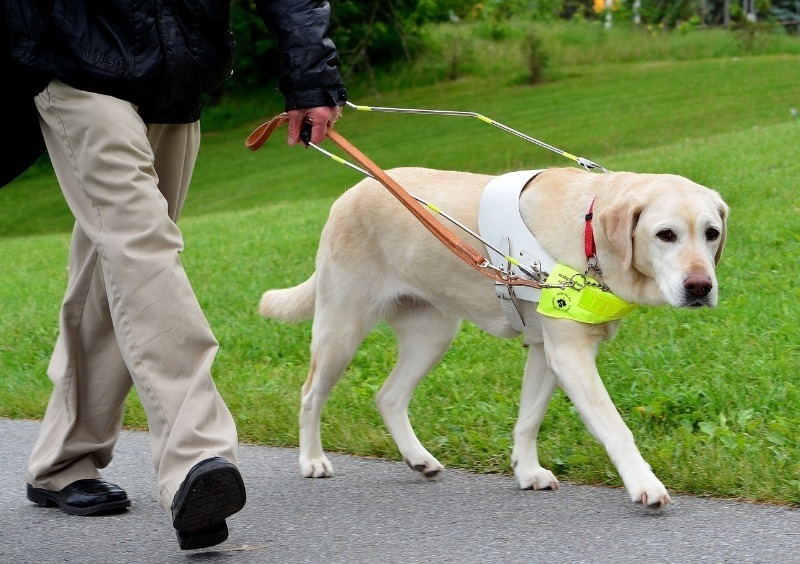
For a blind person, a dog becomes their eyes. They provide the visually impaired with access to the world. A cane alone isn't always enough, especially when it comes to impairments that involve not only vision but also hearing.
Only breeds with a genetically docile nature are fit to serve as guide dogs. However, personality traits are also taken into account during selection. If a puppy is more active than its peers, it won't be trained to assist blind people.
The four-legged assistant can navigate the city and obey traffic rules. It knows which obstacles it should stop at to ensure its human companion can safely navigate them. At the same time, it's the dog that assesses whether the human can step over the barrier or whether it's best to go around it.
A guide dog is unaffected by external irritants, such as other dogs, traffic noise, and cats. The animal knows how to behave appropriately in public places, such as pharmacies, clinics, and stores.
It's hard to imagine what we would do without dogs. These amazing creatures bring us joy every day and help us cope with difficult, responsible tasks.