Loyalty and devotion are the most valuable currency in a long-term relationship. It's worth learning how to demonstrate them from the animal kingdom. Let's find out which loving couples among them are truly enviable.
Swans
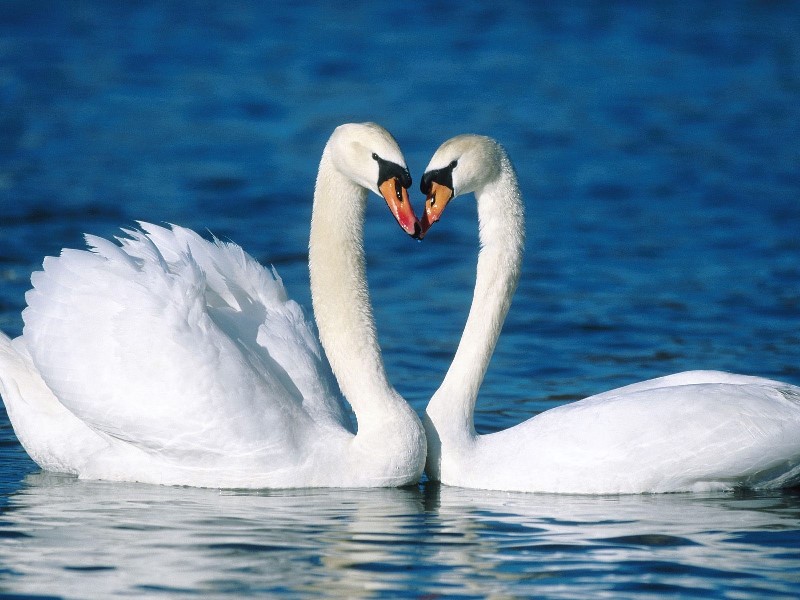
Swan fidelity is a catchphrase that people constantly strive to emulate. Monogamous birds have become a symbol of eternal love in literature, song, and art. When choosing a mate, a young swan seeks to please not only the female but also her father. After a lengthy courtship, the couple forms a lifelong union. There have been cases of a widowed spouse remaining faithful to their partner even after death.
Gibbons
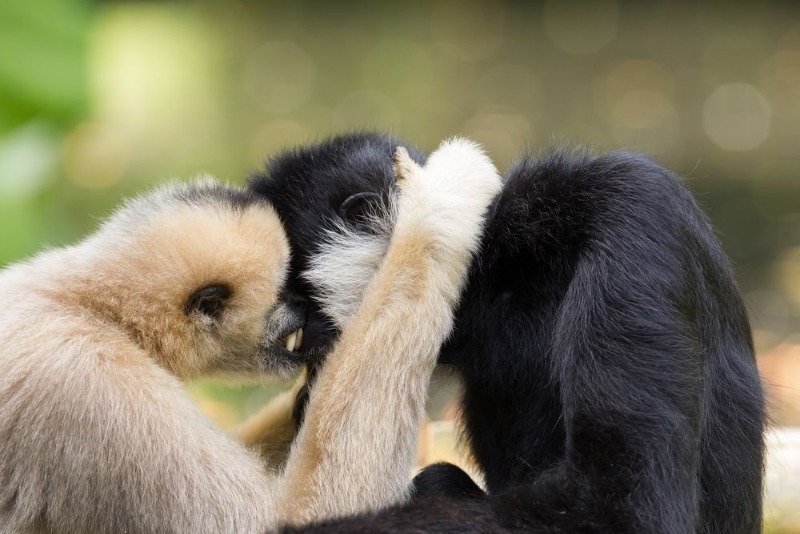
Gibbons can search for a mate for years and spend a long time courting a charming woman from another family. These primates' mating relationships last a lifetime. They lovingly care for their children and elderly family members. Males and females are nearly identical in size, indicating equal rights in the relationship and the sharing of family responsibilities.
Wolves
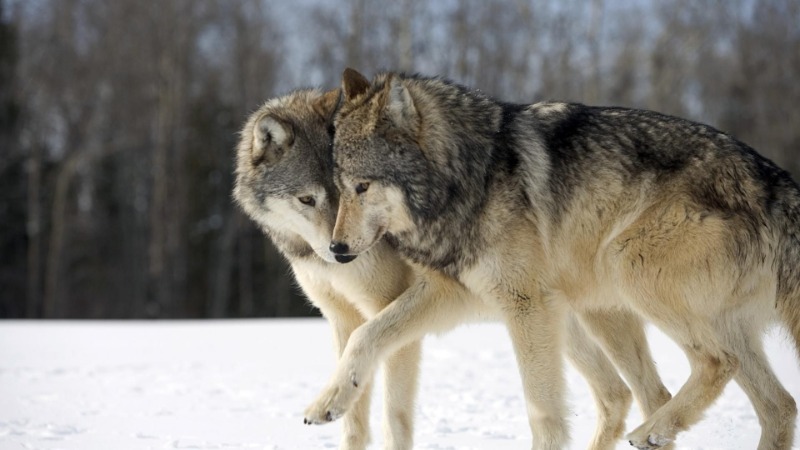
Wolves are deeply family-oriented animals. They live in packs, where each member is devoted to their family and cares for their neighbors. Wolf pairs are exceptionally strong. Males tenderly care for their mates, jealously protecting them and their offspring. In return, females are unconditionally devoted to their mate and remain faithful to them until death. Wolves are not above tenderness in their relationships; they love to flirt with each other and always seek to be close.
Turtle doves

The courtship dances and courtship of turtle doves culminate in a lifelong mating union. These birds are devoted and caring partners. After mating, turtle doves begin building and furnishing the nest. The pair typically uses this "home" for an extended period, strengthening and improving it over time. The partners take turns incubating the eggs and jointly raise the chicks.
Beavers
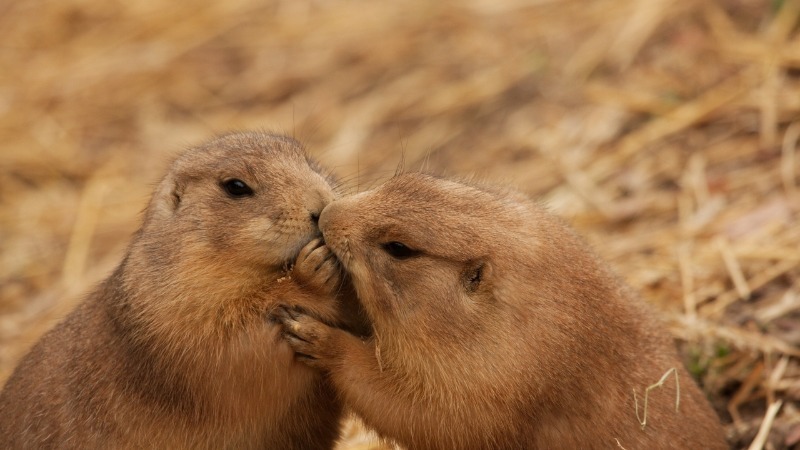
Beavers are a matriarchal society. However, the dominant females in families always display wisdom and tact, making their marriages stronger than a dam. Males in beaver families are hardworking and loyal, but also very jealous. They are ready to fight for their lady love with anyone who looks her way.
Lovebirds
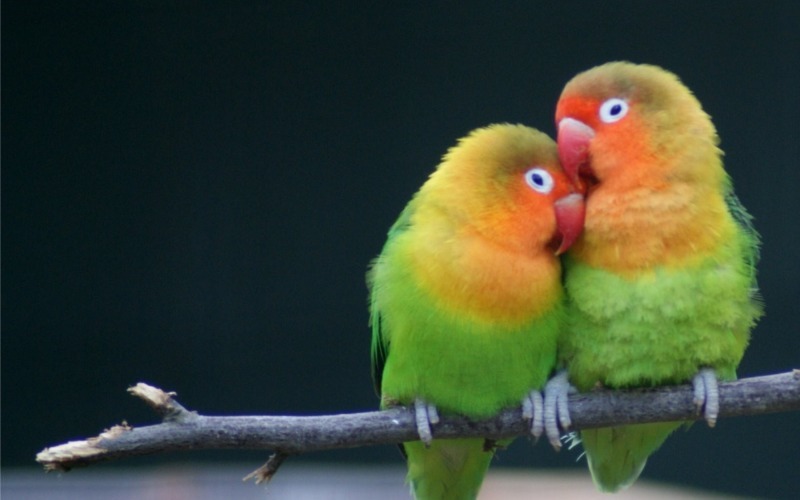
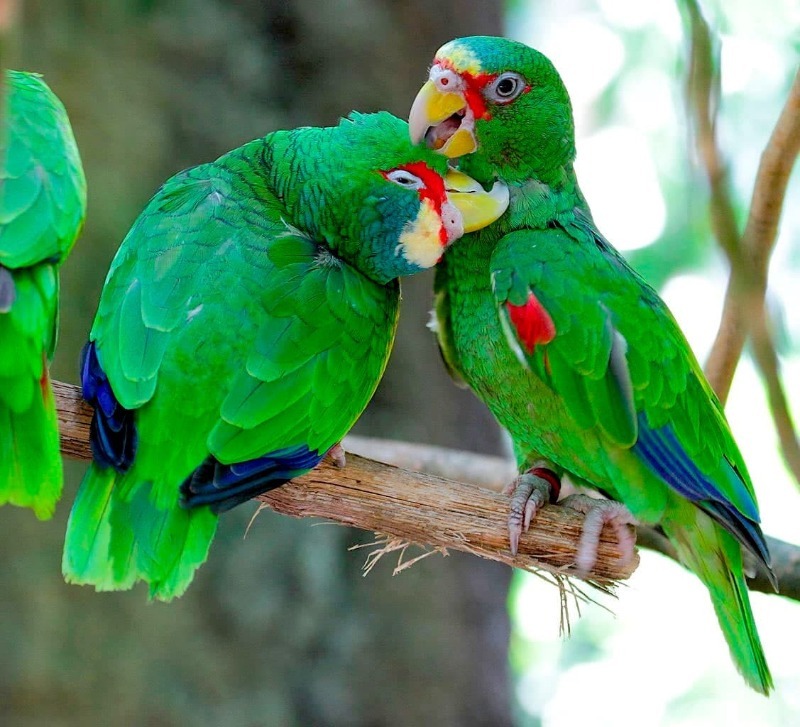
Lovebirds are a pair that can't bear to be separated, even for a second. These adorable parrots choose a mate at two months of age. They spend their entire lives enjoying the company of their partner, tenderly caring for each other. And although mating season only occurs in the spring, lovebirds tenderly court each other throughout the year.
Albatrosses
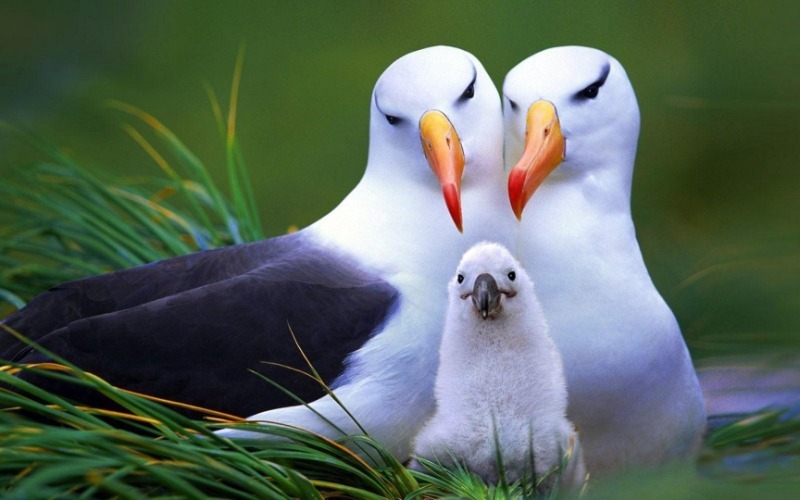
Some albatrosses circumnavigate the globe several times during their lives. However, their wanderlust doesn't prevent these birds from forming monogamous pairings—they always return to their mates. A young male can spend several years searching for a mate. Over time, the pair develops a unique set of signals by which they find each other. Mating rituals are accompanied by honking, beak clicking, and "kissing"—grasping the partner's beak.
Penguins

Penguin pairs also prefer to remain faithful at a distance. Males and females meet during the nesting season, which lasts about 30 days a year. Despite these long separations, penguins manage to remain faithful to their partners. Statistics show that seven out of ten pairs reunite annually to have offspring.
Eagles
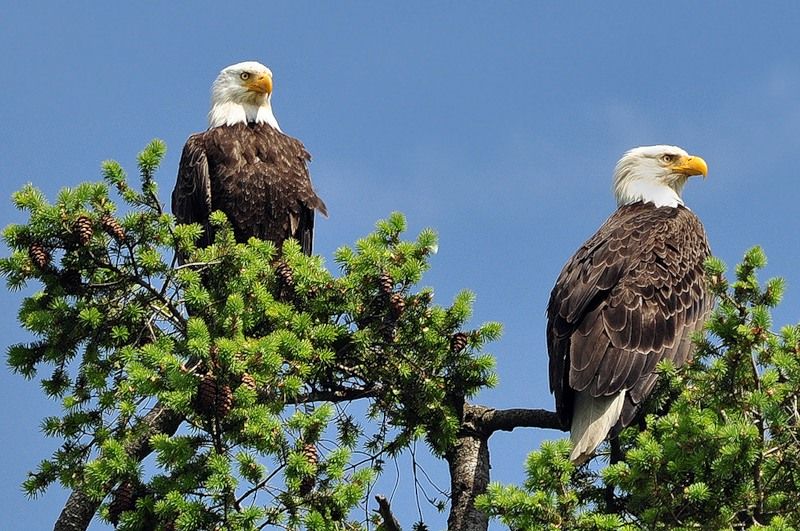
Eagles are true conservatives and monogamous. They mate for life, and some remain faithful even after the death of their mate. Eagle families share responsibilities. The female takes care of the home and incubates the eggs, while the male hunts and guards the family. Eagles cooperatively raise their chicks, helping them acquire the skills they need for adulthood.
Steppe foxes
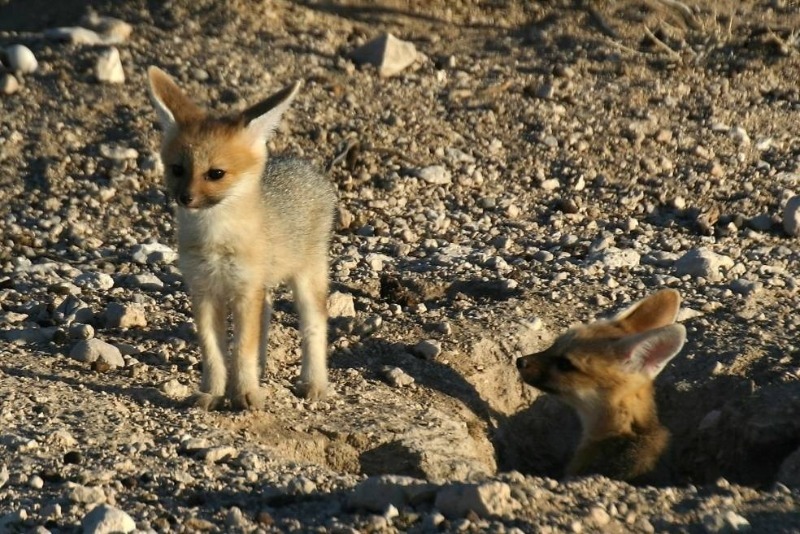
Steppe foxes mate for life and even longer. There have been cases where a fox remained faithful and unmarried after the death of a female. Foxes are very caring and affectionate husbands. They court their chosen female before mating and throughout pregnancy. Once the cubs are born, the male usually leaves the family but continues to hunt for them and tenderly protects them.
Seahorses
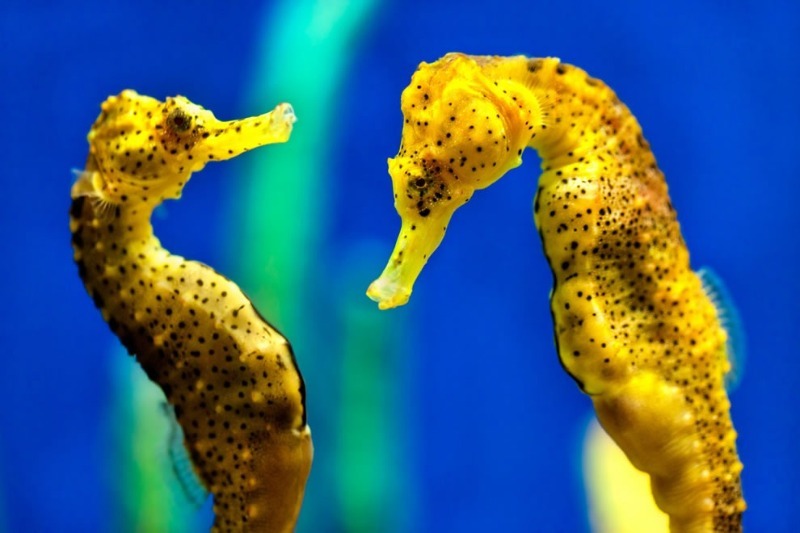
Seahorses often form monogamous pairings. These are quite interesting and unusual pairings. The female initiates courtship. After choosing a partner, she tests him in a passionate dance for three days. After mating, the male carries the young and gives birth.
Two-horned hornbills
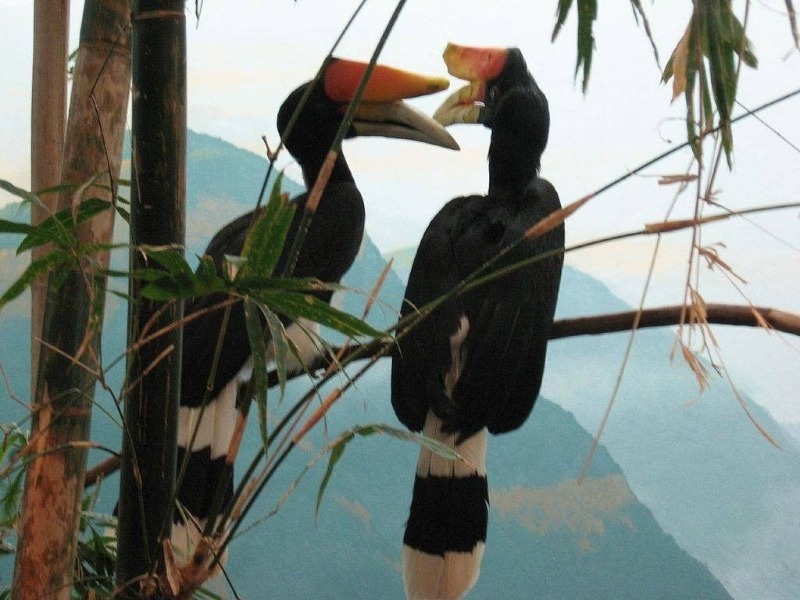
Great hornbills also form strong families. Their partnership is exceptional. After a romantic mating ritual, accompanied by enchanting singing, the birds begin building the nest. The male values his new wife's opinion and works tirelessly until she is satisfied with her new home. While incubating the eggs, the female selflessly remains in the nest, while the caring husband takes on the housework and food supplies.
American Black Cathartes
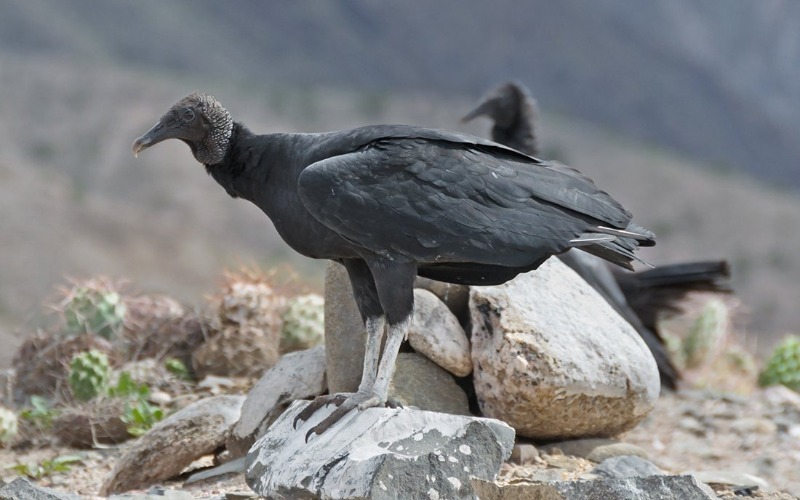
The black katarat may not be the most striking in appearance, but it is a master of courtship. The ritual includes not only courtship dances but also a graceful hovering display. Having won the favor of a beautiful lady, the male remains faithful to her for life. Katarat are conscientious family men and are willing to share the care of the offspring with the female.
Australian bobtails
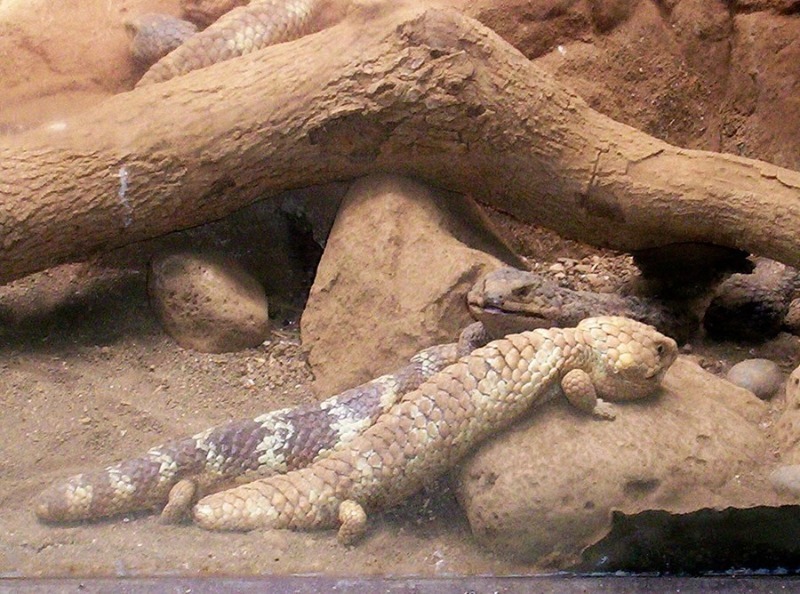
The touching love story of the bobtail lizards isn't exactly dynamic. Male lizards pursue the object of their affection for several months, slowly and tenderly flirting with her—licking her and gently nudging her. After mating, the male and female find each other each season, remaining faithful to their partner.
Devotion and true love in the world around us invariably warm our hearts. Eternal love exists and lives in the hearts of all lovers—both those with legs and those with feathers and tails.