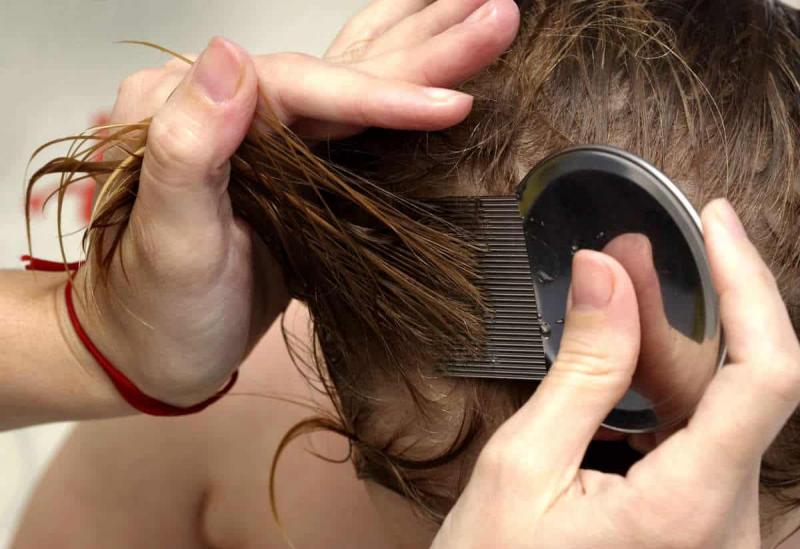
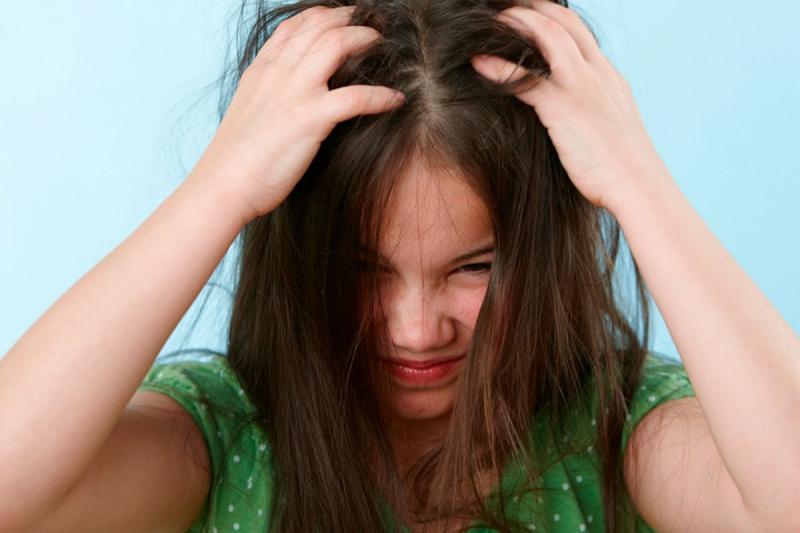
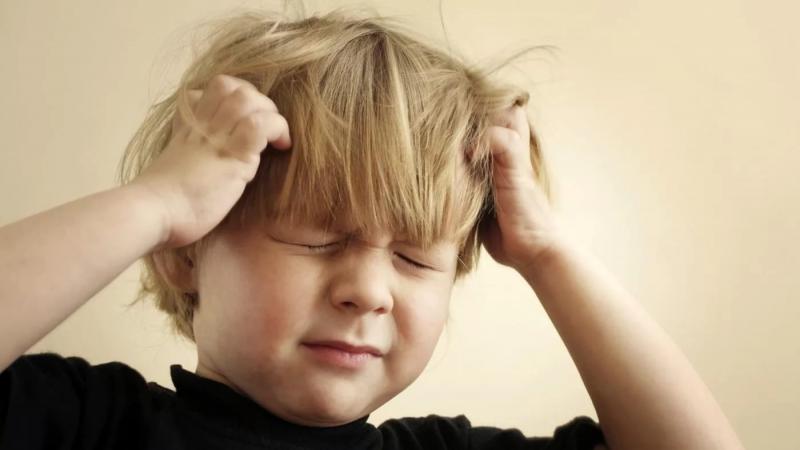
Lice are small insects that cause intense itching. The condition in which they infest the scalp is called pediculosis. It most often infects children attending preschool, kindergarten, and school. You can also pick up lice at camp or a social event, in a swimming pool, sauna, or sandbox. Therefore, if you are at risk of infection, it is important to take special preventative measures.
Content
How is head lice spread?
Lice are very small blood-sucking insects that infest human hair. They feed on a small amount of blood and skin particles. They have a short lifespan, no more than two days without food, but if the temperature drops to 10°C, the lice adapt to the conditions and can survive for up to 10 days. Lice cannot jump or fly, but the problem is that they reproduce at lightning speed, making them very difficult to remove, especially when several family members already have lice. Infection occurs through direct contact with the head of an already infested person, and in rare cases, by using their comb or hat. The peak of pediculosis incidence occurs in spring and summer.
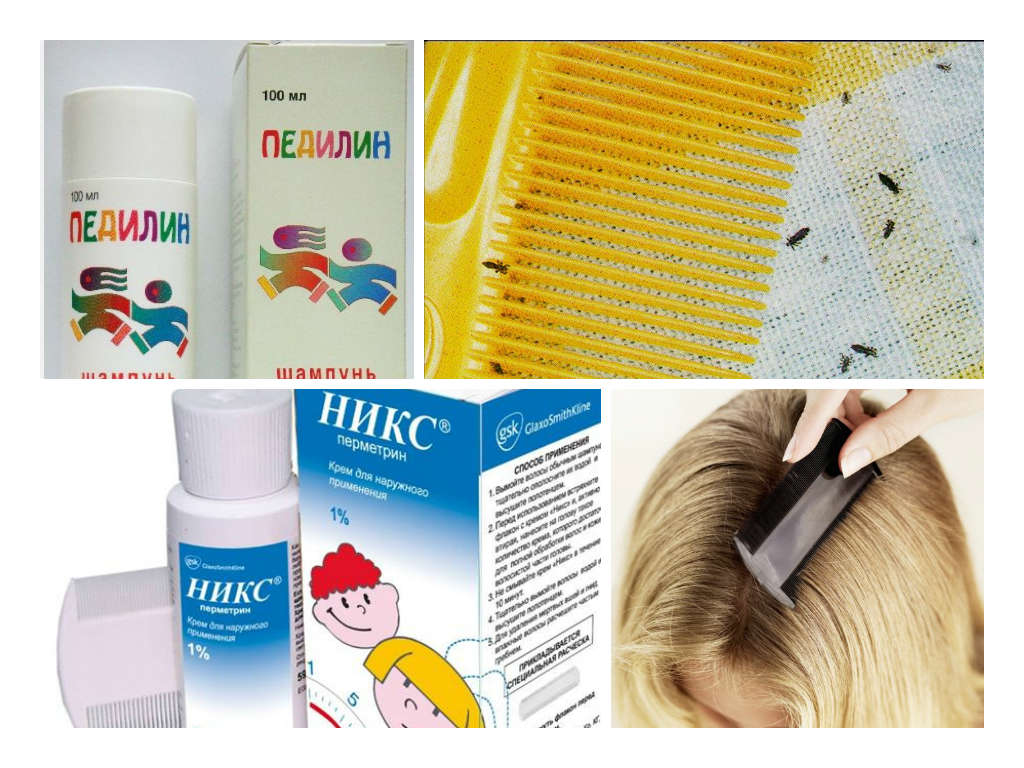
Small blood-sucking insects are difficult to get rid of, so you need to carefully follow the instructions on the packaging of the anti-pediculicide.
Prevention is key
It's much easier to prevent a disease than to cure it. Therefore, preventative measures are of paramount importance. The risk of infection is particularly high in childcare facilities, so the problem must be taken especially seriously there.
Regular head examination and limiting contact with infected people
According to regulations, if lice appear in a childcare facility, the sanitary and epidemiological service must be called immediately. The law requires that the management of any children's group refuse to admit a child with pediculosis. Regular scalp examinations by school and preschool health workers will help quickly identify the problem and begin treating it. Parents are notified of the discovery of lice in a child and are immediately given instructions on the type and duration of treatment. The affected child must remain at home until fully recovered. They can only be readmitted to school or preschool with a doctor's note authorizing admission. This is all done to protect other children and prevent the widespread spread of the disease.
After infection, parents take responsibility for treatment.
First and foremost, parents should talk to their children and explain that they shouldn't share personal items with anyone: hats, scarves, and other clothing items, combs, and stuffed animals. They also shouldn't use other people's things.
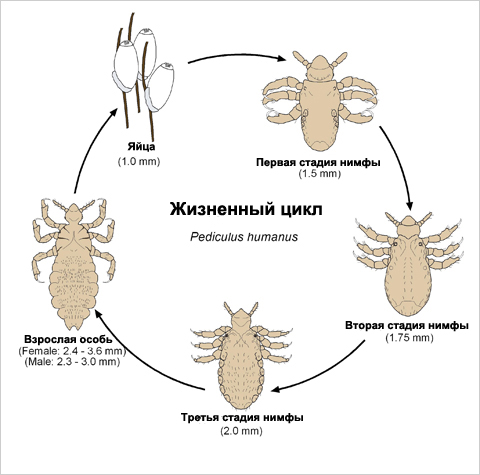
During the development process, lice go through the stages of egg (nit) and nymph, so when examining the head, it is necessary to pay attention not only to adult individuals
Personal hygiene and daily washing
If a louse accidentally gets into your hair but hasn't laid eggs yet, simply washing your hair will help prevent the parasite from developing. Therefore, don't neglect hygiene.
You should wash yourself every day, then the risk of getting head lice will be lower.
You should also avoid wearing previously worn items and sleeping on "yesterday's" pillowcases, sheets, and duvet covers. Lice spread quickly, and once the possibility of infestation arises, bedding, towels, and, of course, clothing become "dangerous" items. Therefore, laundry should become a regular routine for a while. All items, especially hats and scarves, as well as bedding, should be changed daily, washed in hot water, and ironed after drying.

During an epidemic, hats and scarves should be changed every day.
Prevention at home and in institutions
Both the child's parents and the staff of childcare facilities should be involved in the fight against the spread of pediculosis.
Prevention at home
At home, you need to do the following:
- Comb your child's and your own hair daily using a fine-tooth comb.
- If there's an outbreak at a school or kindergarten, boys can have their heads shaved, and girls should tie their hair up before going to school. Leaving it loose increases the risk of infection, while tying it up gives insects nothing to latch onto.
- Carry out wet cleaning daily, and clean carpets and upholstered furniture every three days.
- Regularly inspect and wash personal items and hats, as well as bedding, pillows and toys.
At school
Unfortunately, keeping a child home during a lice epidemic doesn't always prevent infestation. During outbreaks in any public institution, lice have time to multiply and spread from one head to another. As a result, some recover, while others become ill. And when a child returns to class after staying home, the risk of lice and nits appearing in their head remains. However, it's not as high as during peak infestations. Therefore, isolating a healthy child from sick children is a good preventative measure. Another issue is that the epidemic can be long-lasting and sluggish, and staying away from school for weeks or months is impossible. Sooner or later, they'll have to go. Therefore, it's important to explain to your child that they shouldn't have too much close contact with their classmates. Lice aren't airborne, but touching someone else's hair for a short time can greatly increase the risk of infection.
A good preventative measure for girls is a headscarf. Since children are less active at school than at kindergarten and spend less time there, it's entirely possible to keep them on throughout the school day. If girls cover their scalps in this way, the epidemic will end much more quickly.

During the epidemic, it is better for a child to go to school wearing a cap or bandana, under which even girls' long hair, pulled back into a bun, can be hidden.
Daily wet cleaning of classrooms and hallways will also help prevent the spread of lice in schools.
In kindergarten
It's easier to explain to schoolchildren why they shouldn't share combs and hats with anyone, but it's more difficult to explain to kindergarteners. Young children interact with each other constantly, play, sit in the sandbox, take other people's things and give up their own.
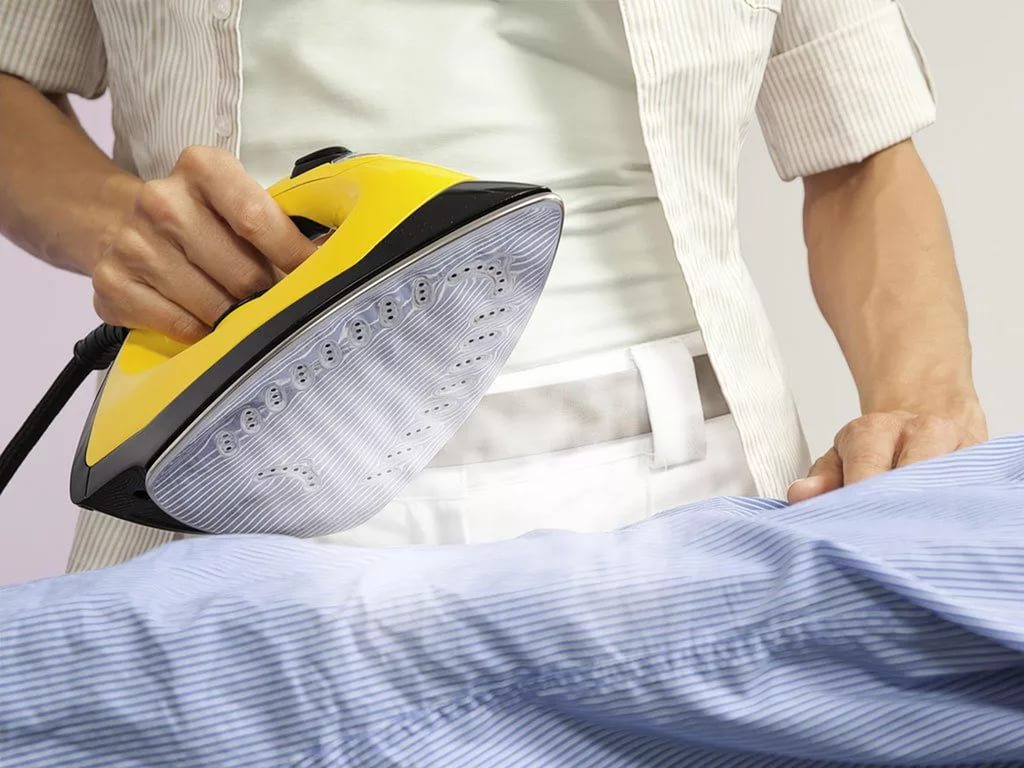
After each wash, you need to iron your clothes with steam: this will kill any lice and nits that accidentally got there.
As preventive measures, the following is recommended:
- Store personal belongings in separate lockers (so that each child has their own).
- Avoid playing on pile carpets. They can harbor accidentally deposited nits. Alternatively, replace carpets with lint-free ones or remove them for the duration of the expected outbreak.

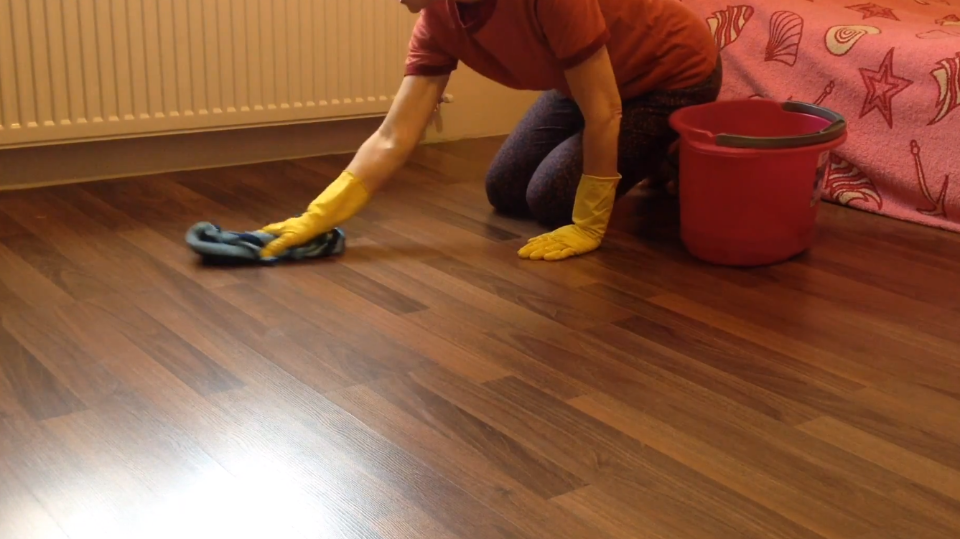
During a pediculosis epidemic, pile coverings must be removed and floors must be washed every day.
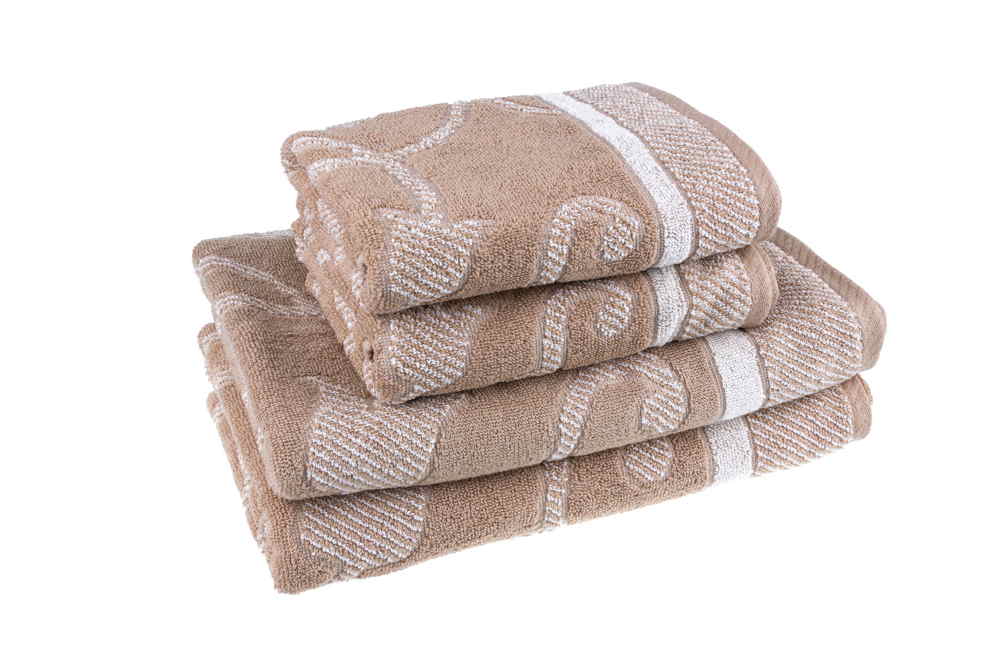
- Place a clean towel on your pillow every time before napping. Wash it daily.
A clean towel should be placed on the pillow in the group every day.
- Comply with sanitary standards stipulated by law for kindergartens (daily wet cleaning, etc.).
Wet cleaning is mandatory in the group.
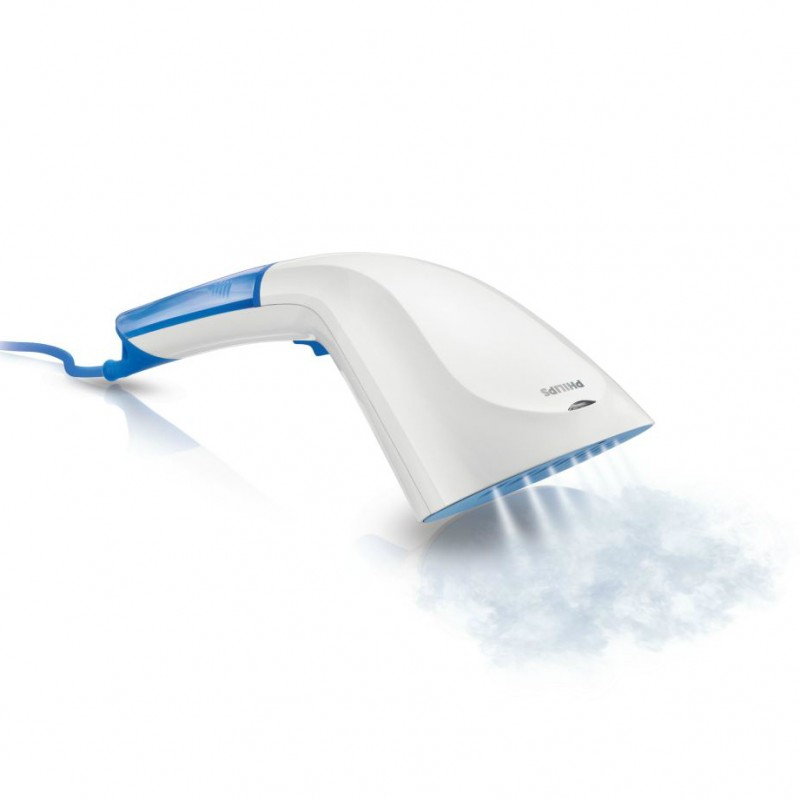
- Inspect and shake out your pillows daily. If you have a garment steamer, it's a good idea to steam each pillow on both sides.
Pillows should be treated with hot steam daily.
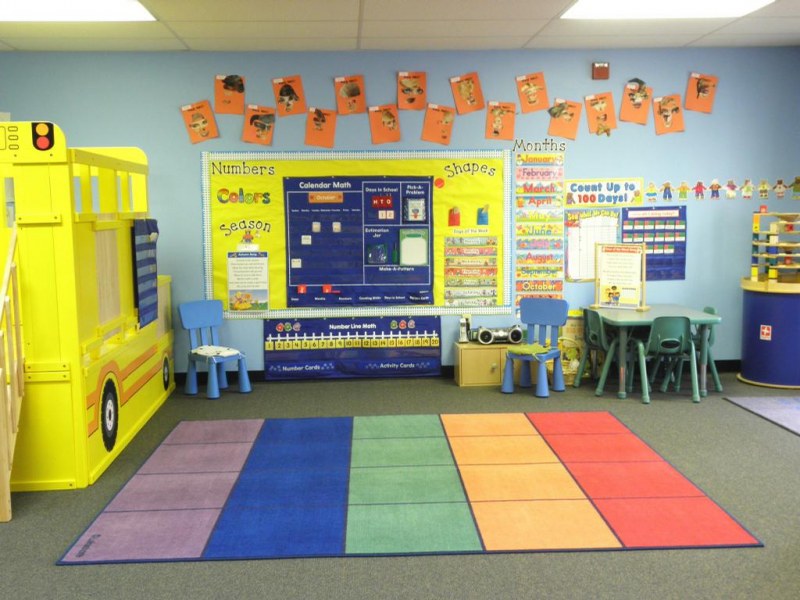
Parents cannot monitor compliance with preventive measures in kindergartens, much less participate in their implementation. Therefore, educators and nannies need to take this issue especially seriously.
In the hospital
In addition to daily wet cleaning with bleach, medical facilities regularly change linens to prevent the spread of lice. Used linens are boiled and ironed. First, it is placed in a special disinfection chamber. This device is designed to eliminate infection and insects. Linens placed inside are automatically treated with hot steam. This process is performed not only in children's hospitals but also in adult hospitals.
Similar units can also be found in some sanatoriums, bathhouses and laundries.
Folk preventive remedies
Lice can be repellent using special treatments, whether over-the-counter or folk remedies. Both are effective, but it's important to understand how they work and the specifics of using each. And it should be remembered that, first of all, disease prevention must be safe, especially for children.
Before using the chosen head lice prevention product, make sure it won't cause an allergic reaction in your child: apply a drop of the product to the inside of the elbow. If no reaction occurs within 24 hours, the medication is safe to use. It's important to pay attention to the dosage: everything in moderation.
Hellebore and lavender water
Hellebore water has a repellent effect, but it should only be used by adults. It is applied to several areas of skin on the head, neck, and behind the ears. It is quickly absorbed and has a characteristic odor that parasites dislike. This remedy should be used immediately before entering crowded areas. Lavender tincture has a similar effect. Lavender is safe for children, but hellebore water and especially hellebore tincture are very toxic and can cause serious poisoning, so they should not be used as a preventative measure for children..
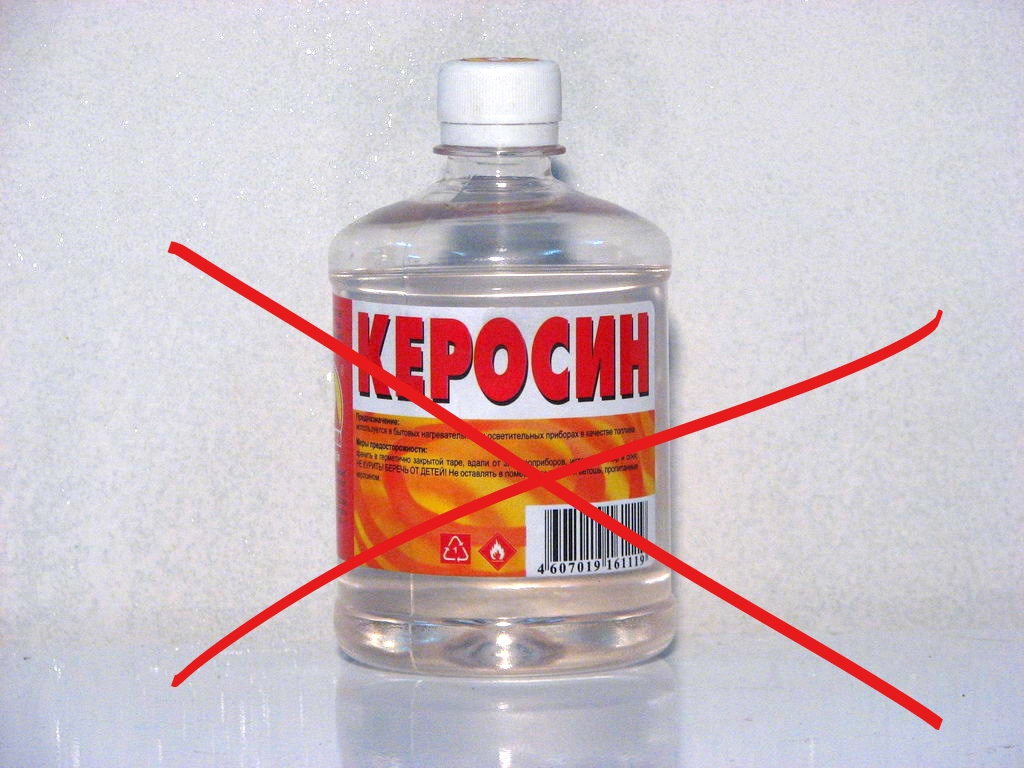
It is not recommended to use toxic products intended for completely different purposes (gasoline, kerosene, dichlorvos, etc.) for either prevention or treatment of lice.
Tar soap
Tar soap or shampoo with birch tar extract has a pronounced antiparasitic effect. These products have a strong scent, which helps prevent infestation. Tar soap also repels ticks and mosquitoes. Even children can wash with it regularly. The only problem is that it dries out hair, so you'll need to use conditioner.
To prevent head lice infestation, washed and dried items should be ironed thoroughly with steam.
Essential oils
Some essential oils have a powerful repellent effect: anise, clove, lemon, eucalyptus, peppermint, ylang-ylang, rosemary. Add a few drops to shampoo, conditioner, or rinse water. It's okay if they don't dissolve, as their scents are repellent—insects avoid them. Lavender and tea tree oils are most commonly used. Essential oils, diluted according to instructions, can also be used to prevent head lice in children. The key is to ensure the scent isn't too strong.

A strong smell is the main enemy of lice, so as a preventative measure against pediculosis, you can apply a few drops of essential oil, such as lavender, to the scalp.
It is not recommended to use vinegar, and especially not essence, for lice and nit prevention. It can cause skin and mucous membrane burns, even in adults.
Juices and decoctions
There are other folk remedies that can help protect children and adults from head lice. For example, cranberry and lemon juice. Both can be diluted 50/50 with water and used in the same way as hellebore tincture: apply to the scalp, neck, and behind the ears before going outside.
A St. John's wort decoction is effective in repelling lice. To prepare it, add 2 tablespoons of chopped St. John's wort (dried is fine) to a glass of water, bring to a boil, then remove from heat and let steep for two hours. It's used in the same way as cranberry and lemon juice.
The listed remedies are well suited for children.
Pharmaceutical preparations for the prevention of pediculosis
To prevent pediculosis, pharmacies offer products in various forms.
Sprays
Special sprays can help prevent lice infestations and treat their early stages. Their advantage lies in their ease of use. It's important to read the instructions carefully and use them correctly, as some products contain hazardous substances. The most popular antiparasitic sprays are:
- Lavinal is a gentle preventative spray suitable for treating children's delicate scalps. It contains only natural ingredients: ylang-ylang, clove, lavender, and lemon oils. A special metal comb and cap are included with the product. Apply the spray to the scalp and keep it under the cap for 30 minutes. After this time, rinse the hair thoroughly and comb it to ensure it is free of lice and nits.
- LiceGuard is the safest repellent spray suitable for daily use. It contains no harmful ingredients. It remains active for 24 hours and does not require rinsing.
Shampoos
There are shampoos specifically designed for lice and nits that are suitable even for very young children and can be used as a preventative measure. These include:
- NOC;
- Nix;
- Biosim;
- Veda.
The principle of their use is similar: the head is soaped, wrapped in plastic and a towel, and then left on for the time specified in the instructions (from 20 minutes to 1 hour).
For prevention, it is enough to use sprays and shampoos no more than twice a month.
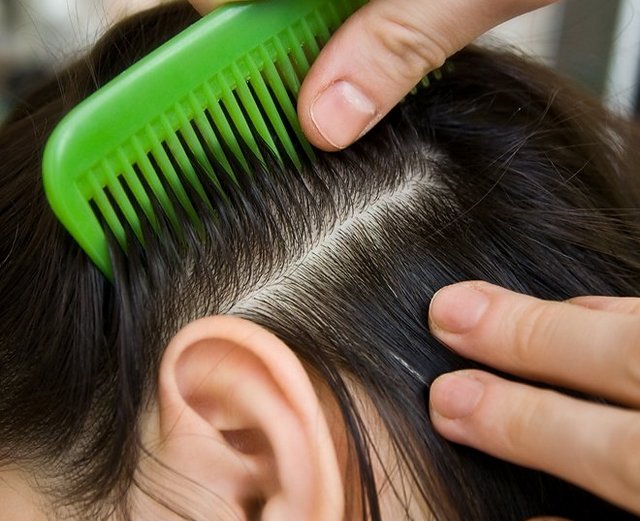
The simplest and most effective way to prevent pediculosis is to regularly examine your scalp, which will allow you to begin treatment without delay.
Prevention of relapse
Sometimes we think we've cured lice and stop using pediculicides. But after a while, lice reappear. This means nits remain in the hair, which later develop into adults and continue to reproduce. Therefore, even if you think the infection is behind you, don't abruptly stop treatment. For at least 1-2 months, it is necessary to carry out prevention: use natural remedies for lice, for example, those mentioned above: LiceGuard and Lavinal.
Video: How to identify lice and prevent head lice
Any prevention is effective when combined, so protection against lice includes the use of folk remedies, over-the-counter medications such as shampoos and sprays, and precautions to prevent infection, including limiting contact with people with lice. And, of course, if using any medication, be sure to read the instructions before use.