Other useful information
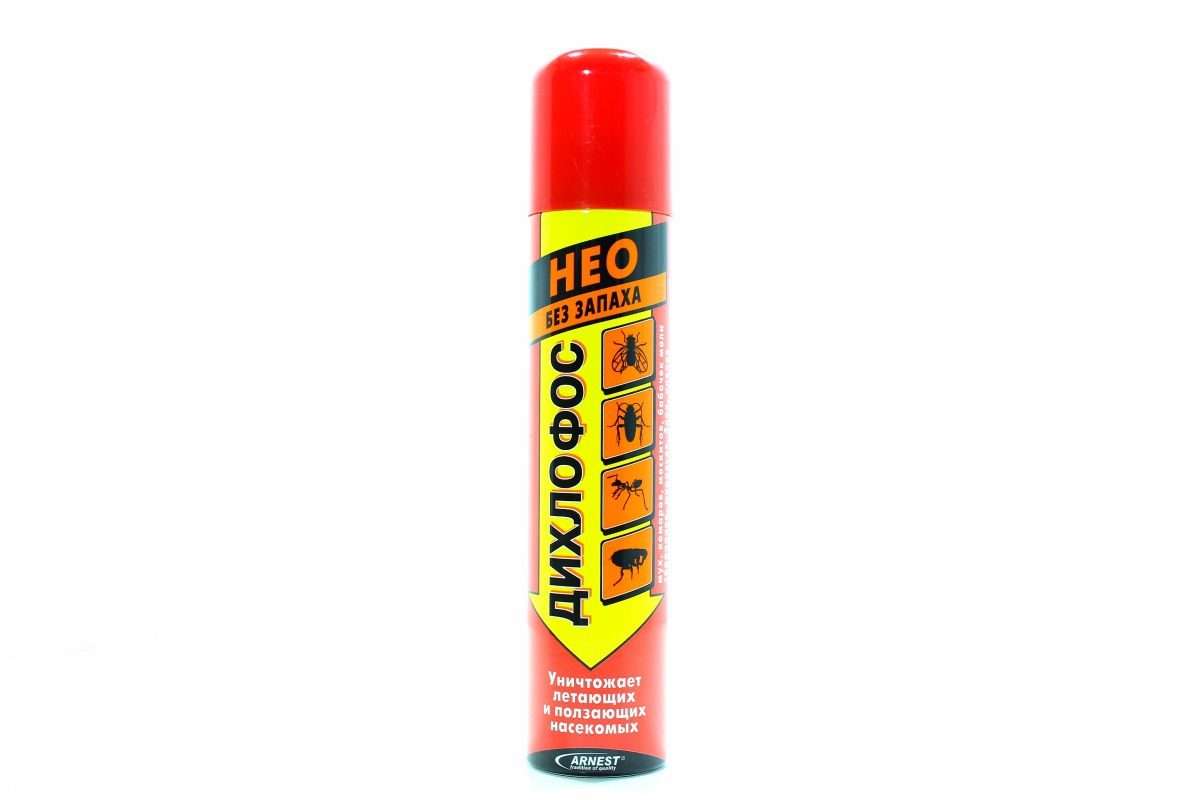
Pediculosis is a very unpleasant disease caused by lice and nits. They settle on the scalp at the roots of the hair and feed on human blood. They can be picked up anywhere, and if left untreated, a few parasites can quickly develop into a whole colony. The more lice there are, the more difficult it is to deal with them, and people often turn to the "good old" method of dichlorvos, rather than to store-bought pediculicides designed specifically for lice and nits, which don't always work.
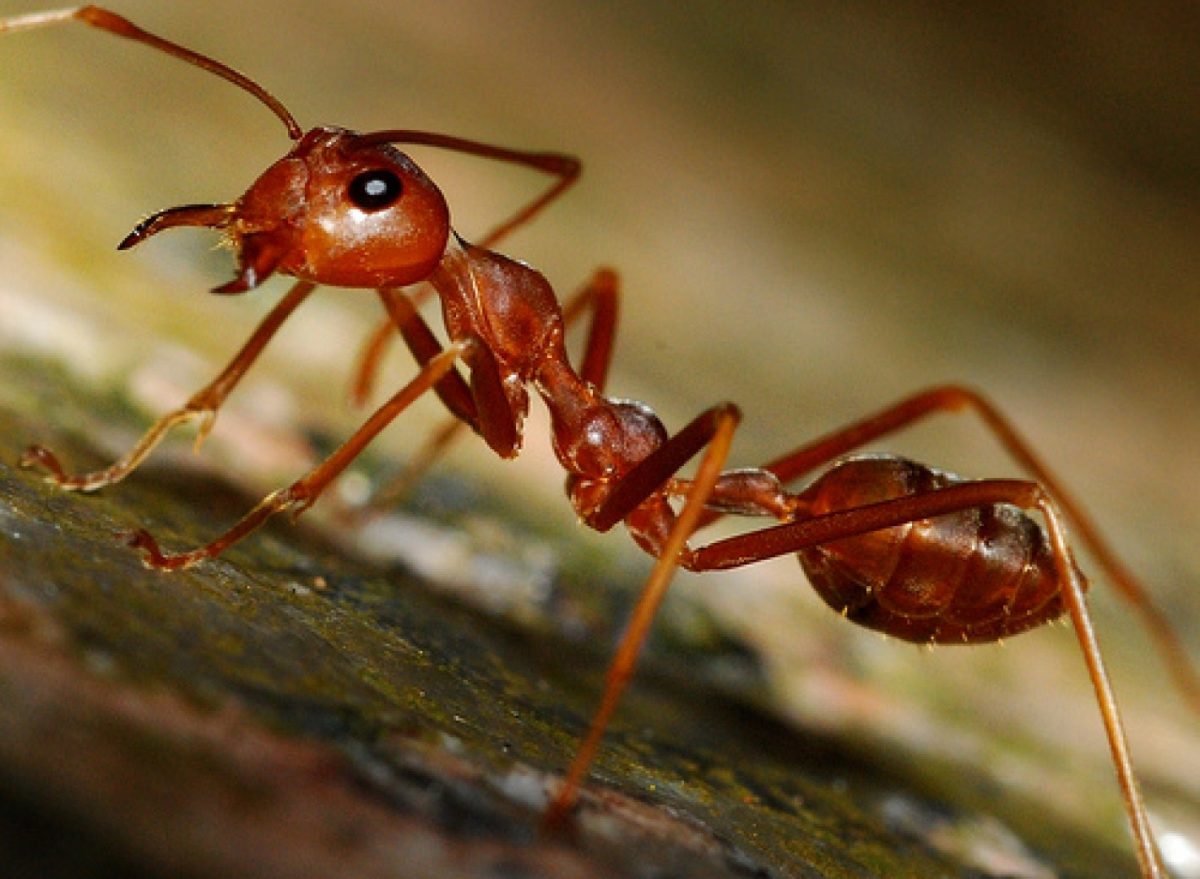
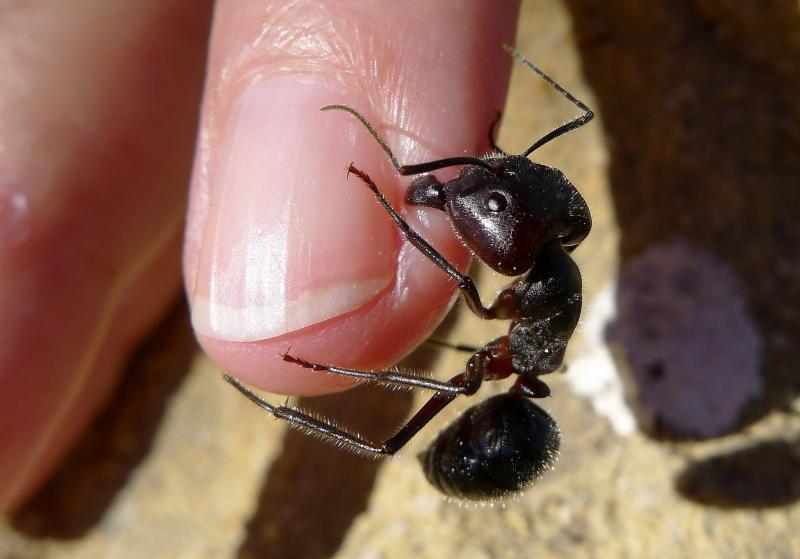
Ants are among the most organized and cohesive insects in nature. Their entire activity is dedicated to serving their colony, which can range from a few dozen individuals to entire colonies occupying vast territories and consisting of several million individuals. It's terrifying to imagine such a multitude of nimble insects occupying a garden plot, house, or apartment! While many members of the ant family are undoubtedly beneficial to nature and, specifically, to gardens and vegetable patches, the damage caused by large numbers of these hymenopterous insects is also significant. They can destroy not only pests but also crops, flowers, shrubs, and even trees.
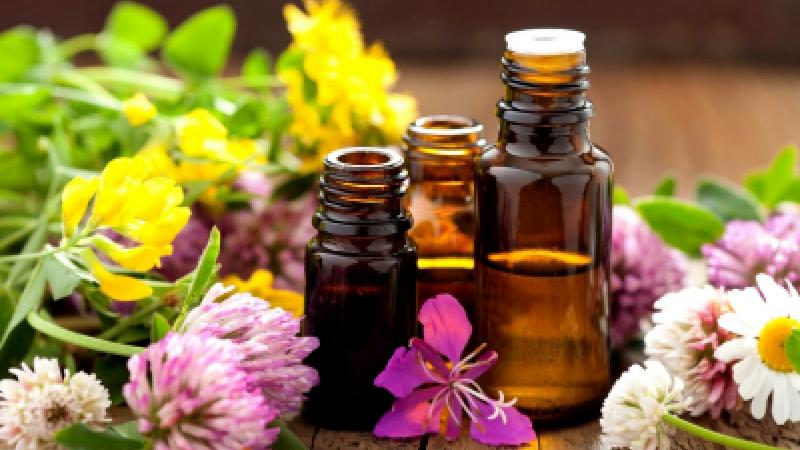
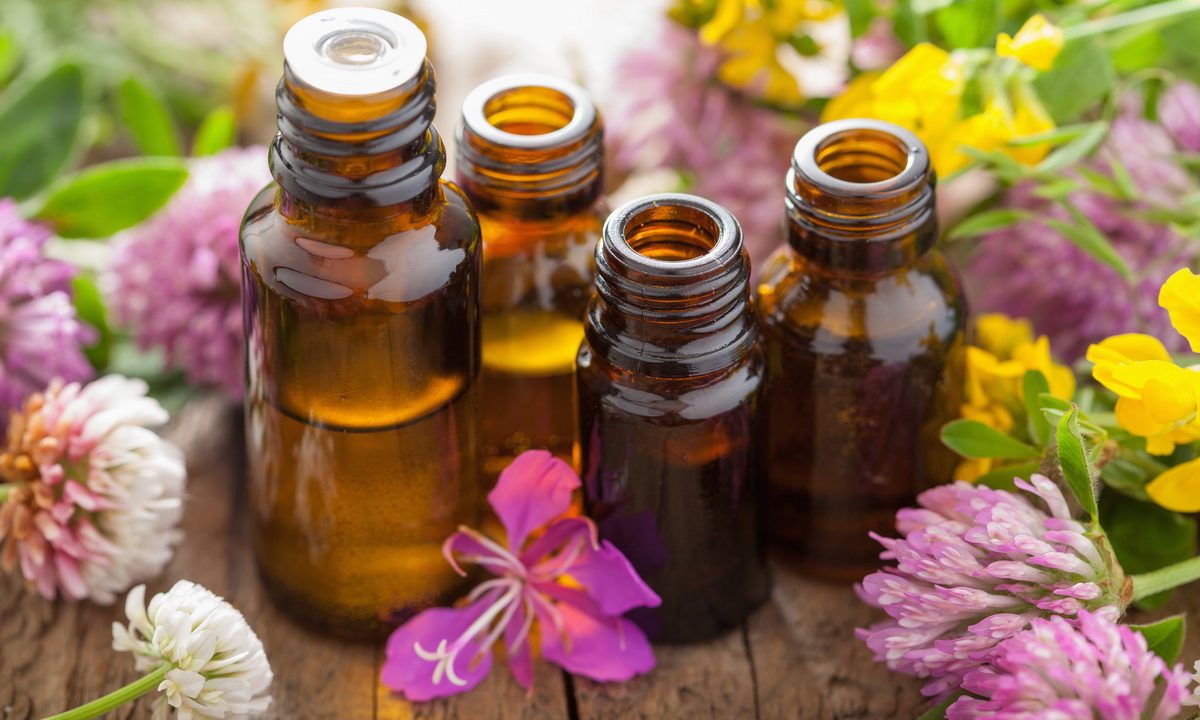
Mosquitoes are extremely unpleasant blood-sucking insects. Their bites are particularly painful due to a substance injected into the victim's bloodstream. This substance causes an allergic reaction, manifesting as reddening of the skin and itching that lasts for several days (especially if the affected area is rubbed). Other symptoms may also occur, but all are unpleasant and cause significant discomfort. The solution is to use mosquito repellents. These can include substances created in chemical laboratories, but the question arises: are they safe? And what about small children? There are also natural insect repellents—the essential oils of various plants. Many people prefer these in the fight against mosquitoes.