There are many methods for controlling cockroaches. Dichlorvos is a well-known remedy that proved its effectiveness back in Soviet times. However, its modern version has little in common with its predecessor.
Content
Description of an aerosol produced by different manufacturers under a common name
The active ingredient in Dichlorvos, produced during the Soviet era, was dimethyl dichlorovinyl phosphate. It was the first chemical insecticide used in our country. At the time, the product was highly toxic and had a pungent odor. Now Dimethyl dichlorovinyl phosphate is banned for use in Russia.
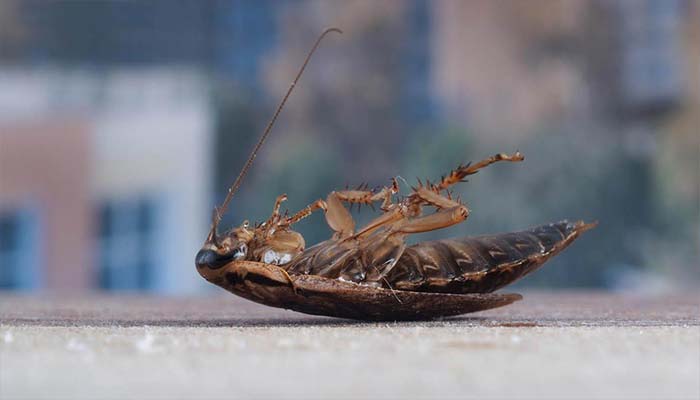
The old version of Dichlorvos was deadly not only for cockroaches, but also for people.
The composition of modern Dichlorvos differs from its predecessor: it is safer, odorless, or contains fragrances, which impart a pleasant aroma to the product.
The action of modern Dichlorvos and its types
Modern types of Dichlorvos contain substances from the pyrethroid group:
- cypermethrin,
- tetramethrin,
- piperonyl butoxide.
They are poisonous to cockroaches and other crawling and flying insects, but have low toxicity to warm-blooded animals and humans. The substances act on the nervous system of pests, causing paralysis. After treating the room, cockroaches die within minutes, and the effect lasts for about two weeks. These treatments are quite effective. However, they are unable to kill eggs, so repeat treatments are sometimes necessary.
Products from different manufacturers differ mainly in their composition only in fragrances. The most popular aerosols currently include:
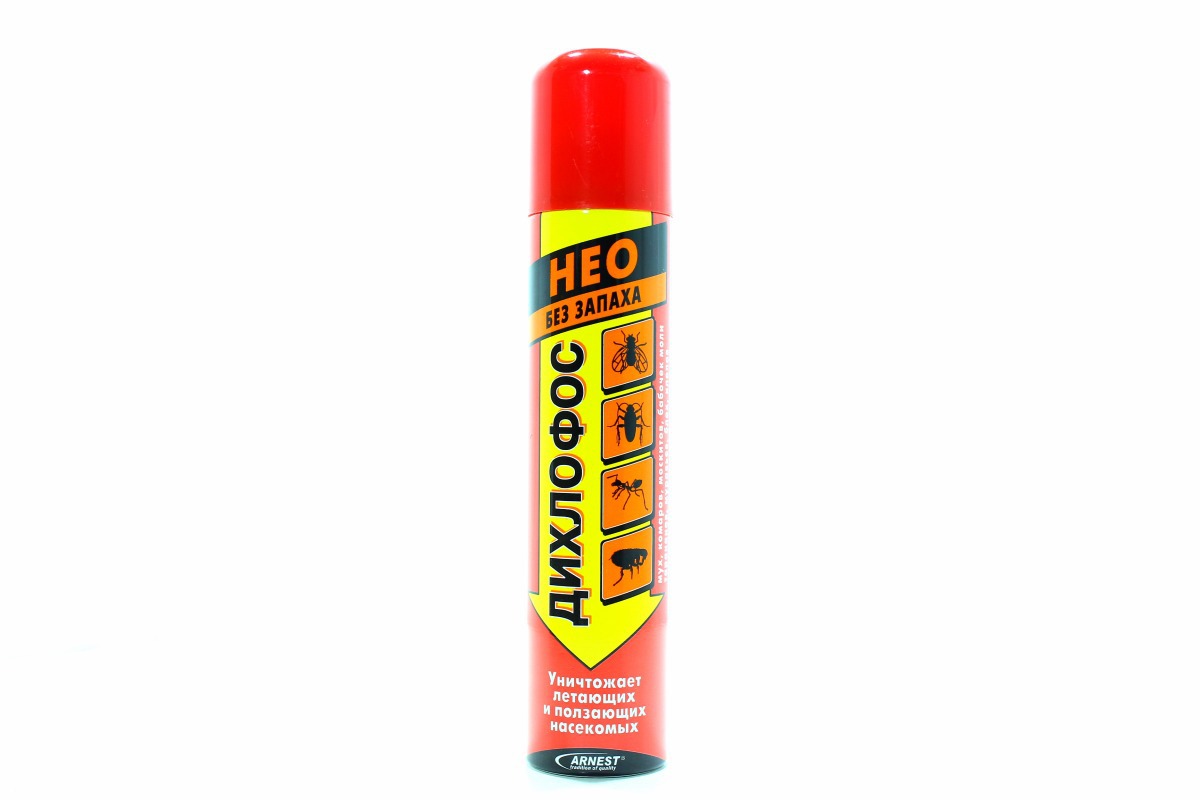
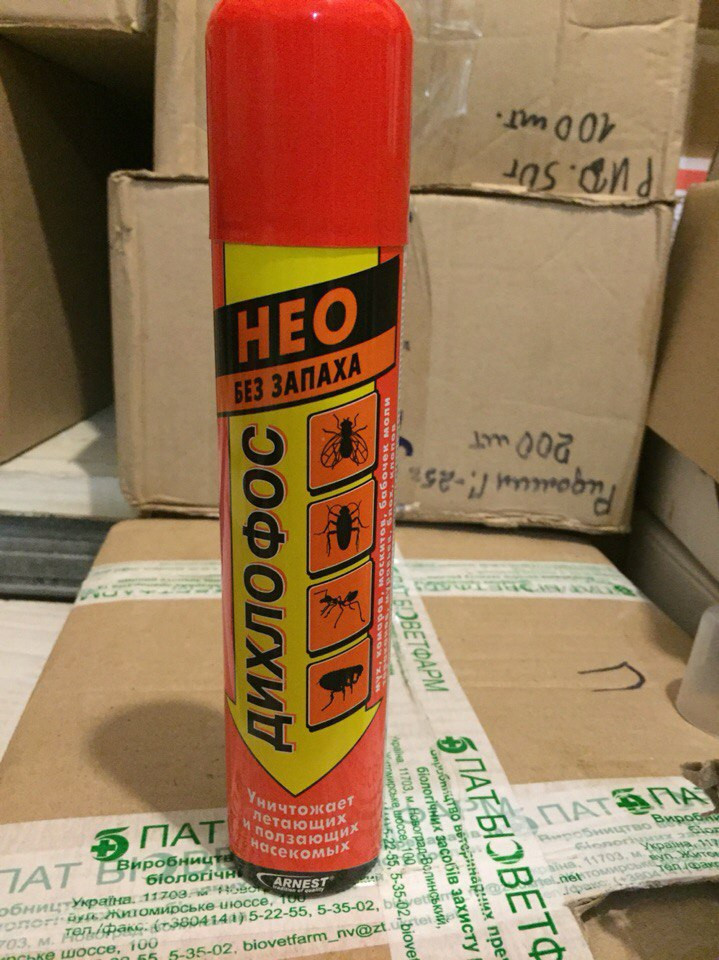
- Dichlorvos Neo is an odorless product;

Dichlorvos Neo is an odorless product.
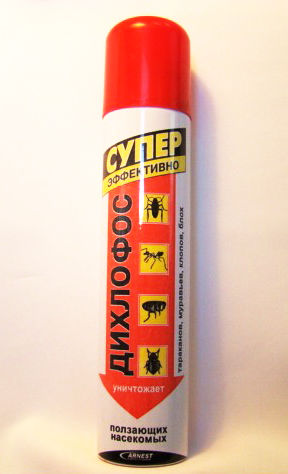
- Dichlorvos Super is also odorless;
Dichlorvos Super and Dichlorvos Neo differ only in their manufacturers.
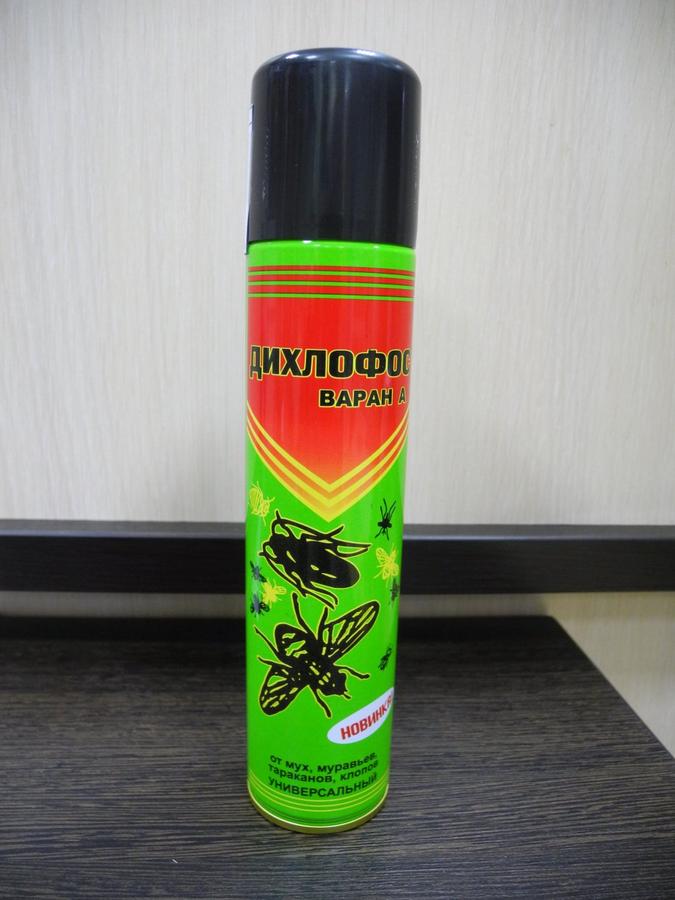
- Dichlorvos Varan has a light lemon aroma.
Dichlorvos Varan is a universal remedy for insect pests
How to control cockroaches using dichlorvos
It is essential to strictly follow the instructions for use on the packaging. The general procedure is as follows:
- Remove children and animals from the room, remove aquariums and terrariums or tightly close them with lids to prevent the product from getting in, and turn off the aeration.
- Put on personal protective equipment.
- Close the windows.
- Pack all personal items and dishes in plastic (bags, vacuum packaging).
- Place food in the refrigerator or also in plastic packaging.
- Remove the bed linen.
- Roll up carpets from the floor and walls.
- Move furniture away from walls if possible.
- Shake the can well before use.
- Spray onto surfaces from a distance of approximately 20 cm, holding the can at arm's length.
You should pay special attention to the places that cockroaches love most: cracks, baseboards, places behind pipes and under sinks, near windows and doors, under carpets and furniture, in and behind kitchen cabinets.
- Leave the apartment with the windows closed for at least three hours, during which time you should vacate the premises. If possible, spend two to three days away from home.
- After returning home, immediately ventilate the room and do a wet cleaning.
Since Dichlorvos's effect is not very long-lasting, it is advisable to use it in combination with other products whose effects last for a long time and will prevent recurrence of parasite infestation in your apartment:
- gels;
- crayons;
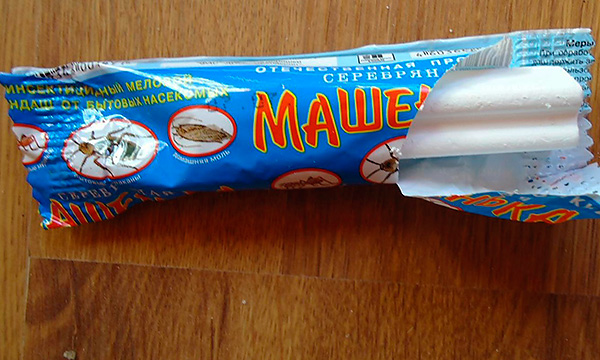
A good addition to Dichlorvos is cockroach chalk.
- traps in the form of discs with poisoned bait.
Precautionary measures
All Dichlorvos products can cause poisoning if ingested or if vapors are inhaled. To avoid harm to your health, follow the package instructions and standard safety precautions when treating premises with chemicals:
- do not inhale vapors of the product;
- Do not swallow. If accidentally swallowed, seek medical attention immediately;
- Keep the aerosol out of reach of children;
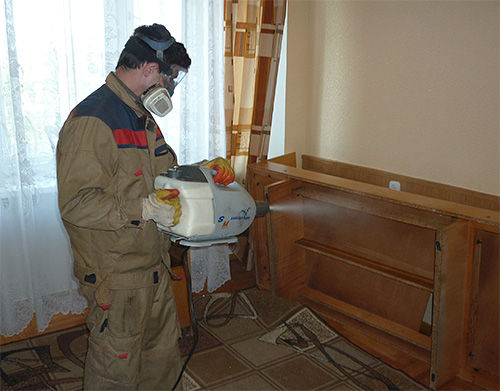
- The premises must be treated using personal protective equipment:
- respirator (if there is no respirator, make a bandage from gauze with a cotton layer),
- rubber gloves,
- protective suit (instead of a suit, you can simply wear closed clothing so that as little skin as possible remains visible);
When treating a room, it is important that the product does not come into contact with the skin or the respiratory tract.
- In case of accidental contact with eyes or skin, rinse with plenty of water; the skin can also be treated with a soda solution;
- If you feel unwell while using the product, go out into the fresh air;
- If a severe allergic reaction or loss of consciousness occurs, seek medical attention. Allergy sufferers and asthmatics are advised not to participate in room treatment.
- Store aerosols away from fire sources and heating devices, otherwise there is a risk of explosion.
Is dichlorvos safe for humans and animals?
Dichlorvos is classified as hazard class 3 out of four, meaning it is moderately hazardous. However, low toxicity doesn't make poisoning impossible, so the precautions outlined above should be followed.
There is one more point: the product is relatively safe for people and warm-blooded animals, but not for reptiles and fish. Sometimes it's even applied to the fur of farm animals to combat ticks and other parasites. But if you have cold-blooded pets, you need to be careful.
Reviews of the application
I decided to spray dichlorvos and leave the treated areas overnight, just to be sure. I removed all food, fruits, and vegetables beforehand to prevent them from becoming saturated with the poison. I sprayed the dichlorvos in the cockroaches' habitats—the bathroom, toilet, and kitchen. There was a smell, but it wasn't lethal to humans. I locked the cat in the room with me and went to bed. Toward morning, I felt thirsty, got up, and went to the kitchen. I saw a drunken cockroach crawling up the wall. I sprayed it, and it immediately fell at my feet. Then I decided it was time to air out the area, otherwise I wouldn't be able to have breakfast in the kitchen in the morning. In total, the cockroaches languished in the treated area for about five hours. After that, they still appeared occasionally, but I set traps to be on the safe side, and within a week, the cockroaches were gone.
There were several different dichlorvos at the store, but I bought Varan dichlorvos because it says it's odorless and doesn't have warnings like "do not use when pets or children are in the house." Also, you don't need to air this product out for 24 hours, like you did 15 years ago. 30 minutes is enough, and the product is completely gone. It's worth noting that the dichlorvos had a slight lemon scent, not harsh or pungent. The smell evaporated in less than 30 minutes. Now let's talk about the results. Based on the ingredients, I expected complete (or almost complete) elimination of the cockroaches. Ingredients: permethrin, tetramethrin, piperonyl butoxide, solvents, functional additives, fragrance, and hydrocarbon propellant. However, after treating all the corners, spraying under the baseboards, and into the cracks, I didn't get the expected results. The cockroaches scattered in all directions, some even dried out and lay scattered on the floor. But most simply slowed down so much that they were easily swatted with a slipper. One day, I saw only small cockroaches and was almost overjoyed to be rid of them, but no such luck... Another day later, in the evening, I walked into the kitchen and was horrified – the cockroaches were back in full force! They had either simply fled the apartment for a while, or were simply recovering from the dichlorvos, hiding in places I couldn't reach!
Modern forms of dichlorvos are just as effective as the Soviet version and significantly superior in safety. However, this doesn't mean they are completely harmless. When using any chemicals, precautions must be taken.