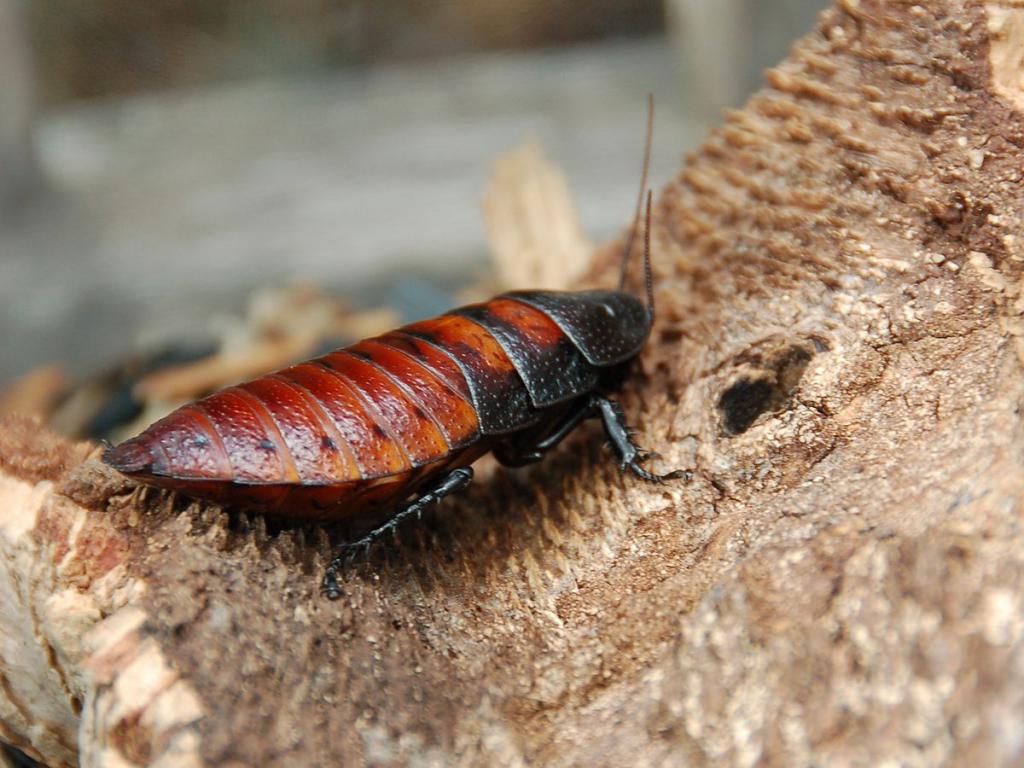
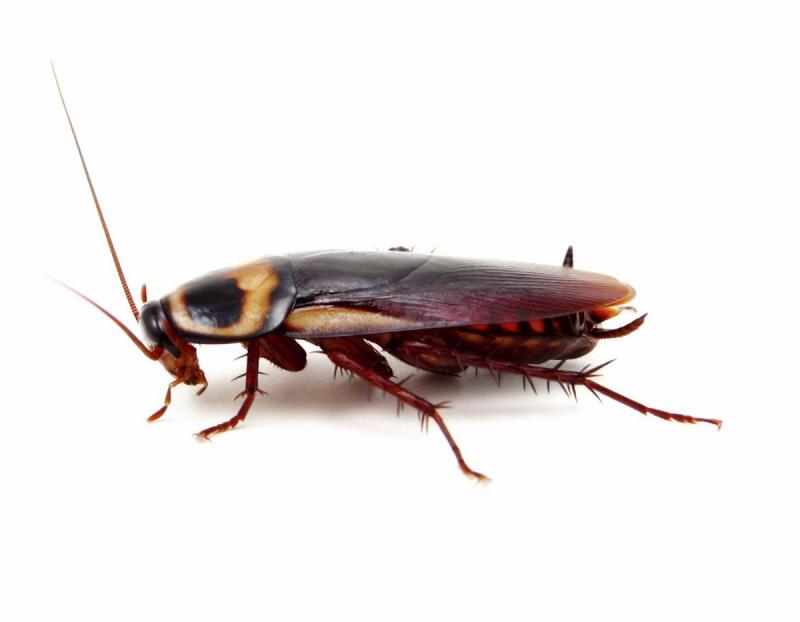
Apartments are comfortable living spaces not only for humans but also for cockroaches. Once they've found a way in, these insects won't leave willingly. That's why cockroach control should begin immediately.
Content
Reasons why cockroaches appear in an apartment and their types
The cockroach population numbers over three and a half thousand species, but it is unlikely that any of them are more familiar to Russians than the German cockroach – the Prusak.
The appearance of Prussians in Russia coincided with the end of the war with Prussia in the 1760s. It is believed that the insects were brought back by soldiers upon their return home, hence the nickname. Black cockroaches also appeared in the country around the same time.
For two centuries, only red and black cockroaches were observed in warm rooms and apartments. It was only in the last twenty to thirty years that ash, American, and brown-banded cockroaches began infesting homes in Russia. They arrived in the country via various cargoes brought from abroad.
It's no coincidence that cockroaches have chosen heated residential and industrial buildings as their "home"—they are heat-loving insects; in the wild, they are unable to survive the winter cold. The premises have everything for a comfortable life for the "whiskered ones": food in abundance, the possibility of year-round residence and intensive reproduction.
By crawling through floors, ventilation pipes, and other utility openings, insects are able to colonize new territories within a single home. This typically occurs as the population increases and reproduction progresses.
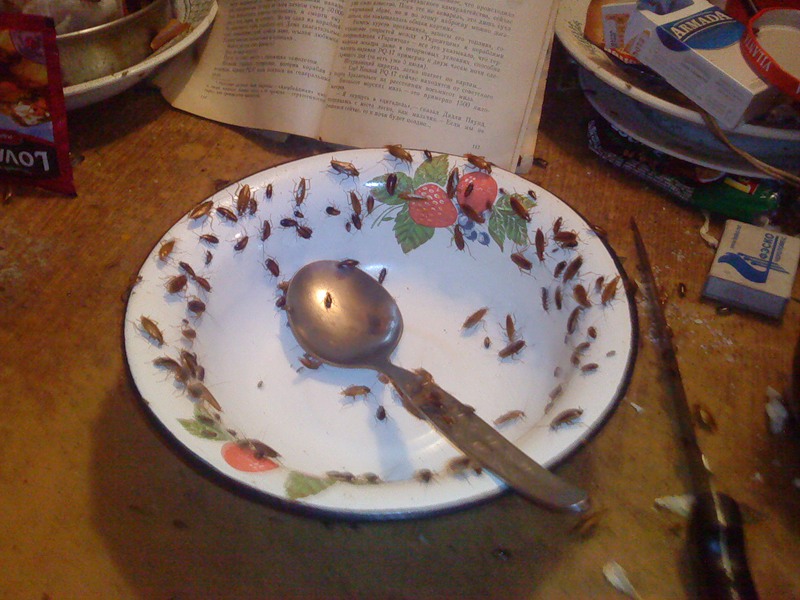
Lack of basic household hygiene can contribute to the appearance of cockroaches in the home.
Poor household hygiene and unsanitary living conditions lead to a massive infestation of cockroaches. However, the insects can also infest clean apartments if they are located near a breeding ground—a basement or garbage chute neglected by utilities, an illegal waste dump near the building, or unclean neighbors.
Cockroaches are nocturnal insects. During the day, they prefer to hide in secluded places, which they leave in the evening and night, scattering throughout the apartment in search of food and water.
Insects hide in places that are difficult for humans to reach:
- behind the baseboards;
- behind the refrigerator;
- in kitchen tables;
- behind the tiles;
- in interfloor ceilings, cracks in walls and ceilings, under plaster;
- behind sinks, in hidden corners of bathrooms and toilets.
They mark their “hiding places” and the paths to them with trail pheromones, which allows them to easily and quickly navigate in space. If cockroaches are running around your apartment during the day, it means their population has reached a critical point and should be exterminated immediately!
Photo gallery: cockroach species
-
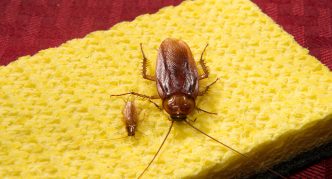
- The American cockroach is a large insect, and what's more, it can fly.
-
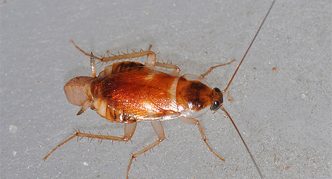
- The brown-striped (furniture) cockroach has a red color
-
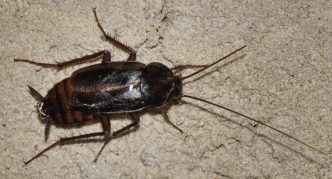
- Black cockroaches are less common indoors than Prussians.
-
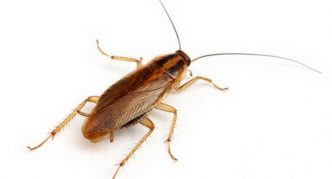
- German cockroaches are common throughout Russia and the world.
Why are cockroaches dangerous?
Insects are practically omnivorous. They consume spoiled food with just as much appetite as fresh food.
It's a common misconception that cockroaches infest kitchens because food is stored there. This assertion is partially true—the main reason is the proximity to water.
Even with sufficient food, but without water, the insects' viability ceases. Cockroaches feed on food products, household waste, and inedible items and substances. In the absence of bread, they may "eat" paper, cotton wool, and ink, and they also happily consume animal and human waste.
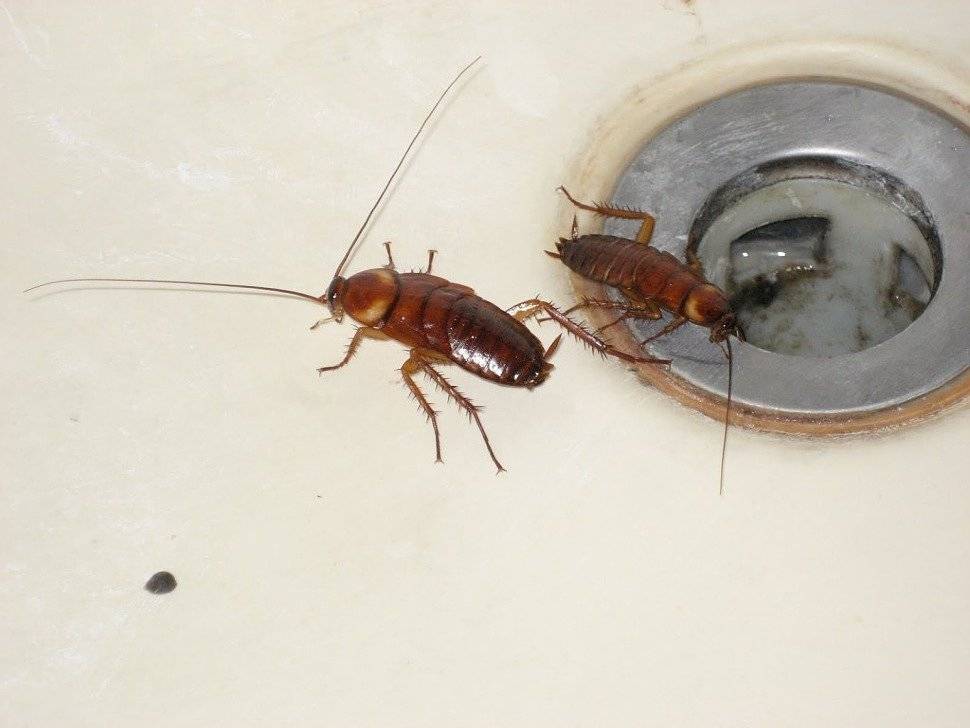
Cockroaches can live without food, but they cannot live without water.
In search of food, insects visit not only food storage facilities but also various "dens of evil" places: garbage dumps, cesspools, and toilets. Under favorable conditions, a cockroach's lifespan is 9-12 months—during this time, the insect can visit these "latrines" repeatedly, accumulating viruses and transmitting them. When in contact with both waste and human food, cockroaches are capable of mechanically transferring pathogens from waste to “clean” food.
Insects are capable of spreading:
- helminths;
- microorganisms that cause acute gastrointestinal diseases, anthrax, cholera, plague, leprosy;
- microorganisms that cause poliomyelitis and lymphocytic choriomeningitis.
How to get rid of cockroaches
Effective and permanent insect control is possible—extermination measures must be combined with preventative measures. Folk remedies and chemicals can be used in combination.
Fighting cockroaches with folk remedies
Every other apartment is home to pets and small children. To protect them from potential exposure to industrial chemicals, people try to get rid of cockroaches using "old-fashioned" methods.
Exposure to cold
A simple folk remedy is to drive insects out of a room with cold. Cockroaches are heat-loving creatures, requiring a temperature of +28°C (88°F) to thrive. OC - +30 OWITH. Already at +15 OIn the insects' bodies, development processes are inhibited, and the temperature is -8 OC is destructive for them.
The "freezing" technology is quite simple: windows and doors are opened wide, and the room is cooled. For a positive effect, the temperature must reach -8 OC and keep it for at least 4 hours - this will be enough to kill adults and larvae.
This method is suitable for rooms without central heating and private homes. In apartments with central heating, the method is unsafe—you'll have to interrupt the utilities by shutting them off. This could lead to serious consequences, such as freezing of the heating system pipes or a ruptured radiator.
Uses of baking soda
Baking soda is a non-toxic natural substance with a wide range of uses. It's also used to make bait for cockroach control. The preparation process is simple: thoroughly mix baking soda powder with powdered sugar or sugar in a one-to-one ratio. The amount of ingredients is selected individually, depending on the area of the premises being treated and the number of possible hiding places for the insects—cluttered, cluttered premises tend to have more hiding places.
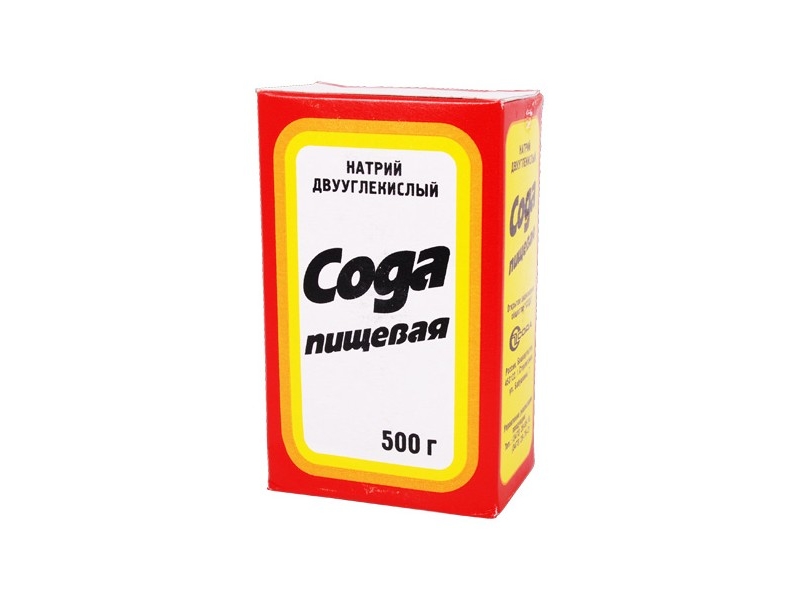
You can get rid of cockroaches in your apartment using baking soda.
The mixture is poured into small open containers: saucers, bowls, and trays. These are placed near potential insect hiding places:
- in kitchen cabinets;
- near the refrigerator;
- near sinks in the kitchen and bathroom;
- near the toilet;
- around the perimeter of the room.
Bait placed around the perimeter of the room, along the baseboards, can be removed during the day and returned at night. The baking soda mixture can be sprinkled around the perimeter of the room without a base, but if the apartment is occupied, there's a high risk that the powder will quickly be spread throughout the apartment on shoes, thereby reducing its concentration in the "needed" areas and reducing the effectiveness of the bait. Sprinkling the powder behind the stove will likely make it difficult to completely remove the remaining mixture once the "war" is over.
By eating the mixture and also by coming into contact with it with their bodies, cockroaches will die. The bait's "effect" is noticeable within 2-3 days after placing the saucers—there will be fewer cockroaches, but their complete extermination using this method can be achieved in no less than 2-3 weeks. If the cockroach population in an apartment is very large, it is advisable to combine extermination with soda and industrial poisons.
Uses of boric acid
Baits with added boric acid powder are effective in fighting cockroaches. When boric acid enters or touches the body of an insect, it causes dehydration, which results in the death of the cockroach.
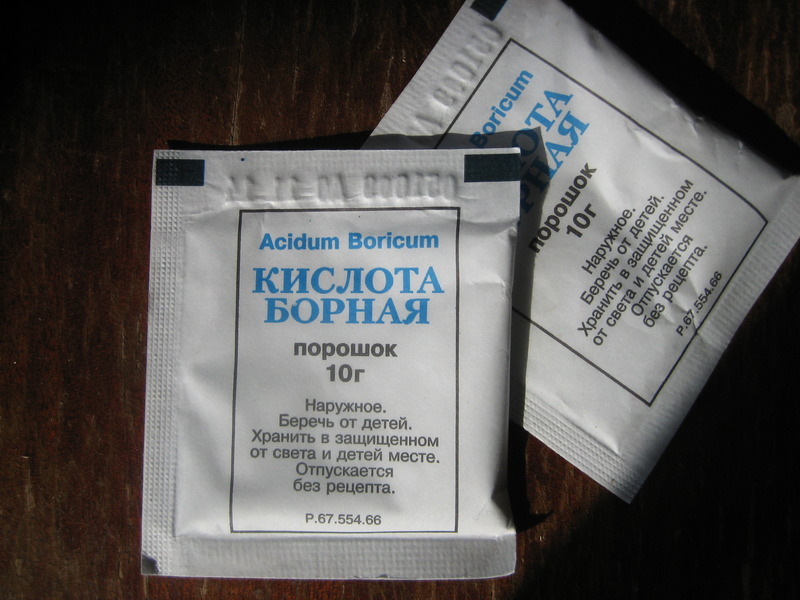
Boric acid is another broad-spectrum powder that is excellent for fighting insects.
Boric acid powder can be used in its pure form, laying out "white paths" along the baseboards where the "whiskers" move, but due to the unhygienic nature of this method, it is preferable to use the product as part of bait.
To prepare the bait balls you need to mix:
- 1 potato, boiled in its skin;
- 1 hard-boiled egg;
- 1 teaspoon of boric acid powder.
Peel and shell the food while it's still warm, then thoroughly mix all the ingredients and roll into hazelnut-sized balls. Place them in areas where insects are likely to be found, paying particular attention to secluded corners in the bathroom and toilet. This process should last at least three weeks, with the balls being replaced with fresh ones every week.
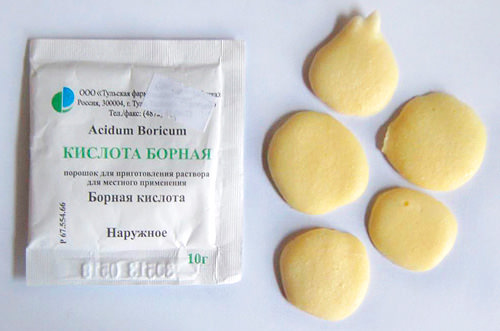
Boric acid is actively used against cockroaches along with new modern drugs
Boric acid can be used to make a liquid bait, the undoubted advantage of which is the ability to be applied precisely in narrow furniture openings and other hard-to-reach places.
Cooking technology:
- Brew 20 grams of boric acid and 20 grams of potato starch in 80 ml of boiling water, mix well.
- Place the mixture on the fire and bring to a boil, but do not boil.
- Cool to a temperature of 60–70 OAfterwards, use a gauze swab to apply the mixture to the back walls of the furniture, and treat the baseboards and cracks in the kitchen and bathroom.
After 3-4 days, remove the mixture with a damp cloth and apply a freshly prepared mixture. Continue this procedure for 2-3 weeks or until the insects have completely disappeared. Baking soda and boric acid baits are only effective when there is no alternative food for the insects and no access to water.
When we bought the apartment, we found a ton of cockroaches; apparently, the previous owner wasn't particularly clean. We tried all sorts of pest control methods, but they only helped reduce the number for a short time. A friend recommended trying boric acid powder. She said she'd gotten rid of the cockroaches this way, and they haven't returned for a long time. I made a paste of boric acid, egg yolk, and vanilla extract (to attract them).
I also sprinkled dry powder around the sink, toilet, and bathtub (watering area). It's best to use powder for this purpose, as the boric acid solution contains alcohol, which repels insects with its odor, but the acid needs to reach the stomach. Once in the stomach, it's absorbed into the bloodstream and, over time, enters the insect's nervous system, causing paralysis. The first results were visible within a few days—lots of dead insects in the morning. Literally two weeks later, I noticed the cockroaches were gone!
So, I can confidently recommend boric acid powder for getting rid of these dreaded pets. It's been over a year since we got rid of cockroaches in our apartment. I periodically sprinkle the powder as a preventative measure, but in addition to these measures, my husband has sealed all the ventilation grilles with gauze to reduce the chances of them getting into our apartment from the neighbors. Incidentally, you don't have to worry about pets licking the boric acid; it's completely harmless to them, unlike other poisons.
Pyrethrum, ammonia, and a Vaseline trap
Pyrethrum, a powder made from the flowers of the Dalmatian chamomile, is an excellent natural remedy for controlling many insect pests, including cockroaches.
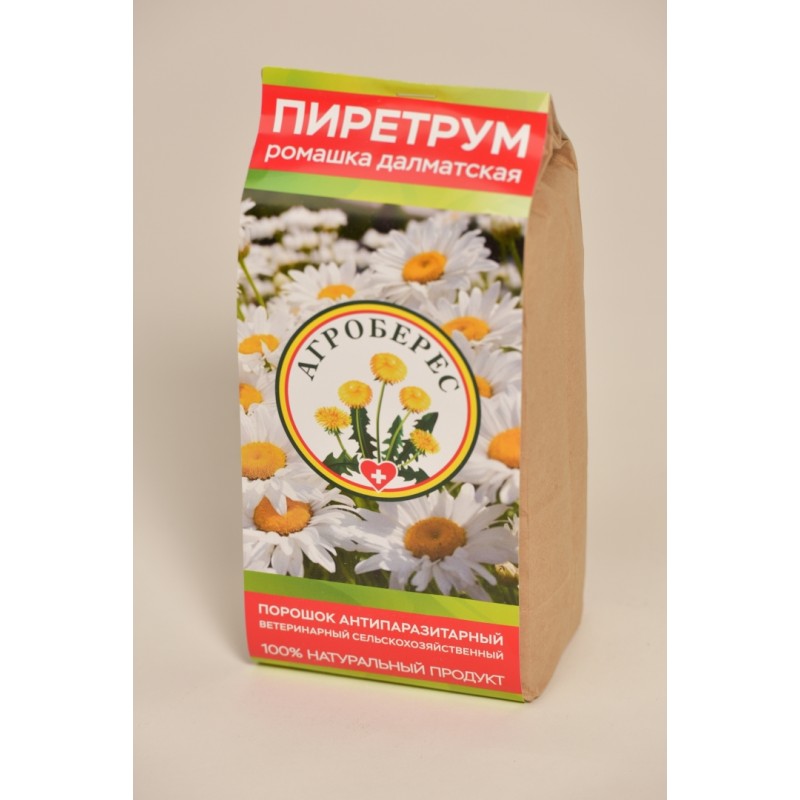
Pyrethrum is an effective natural insect repellent.
Prepare a decoction from the powder at a rate of 20 grams per square meter of the area to be treated. Spray along baseboards, walls, corners, and generously in areas where cockroaches are likely hiding.
Cockroaches cannot stand the smell of ammonia. It can be added to water when washing floors in the ratio: 1 tablespoon per bucket of water.
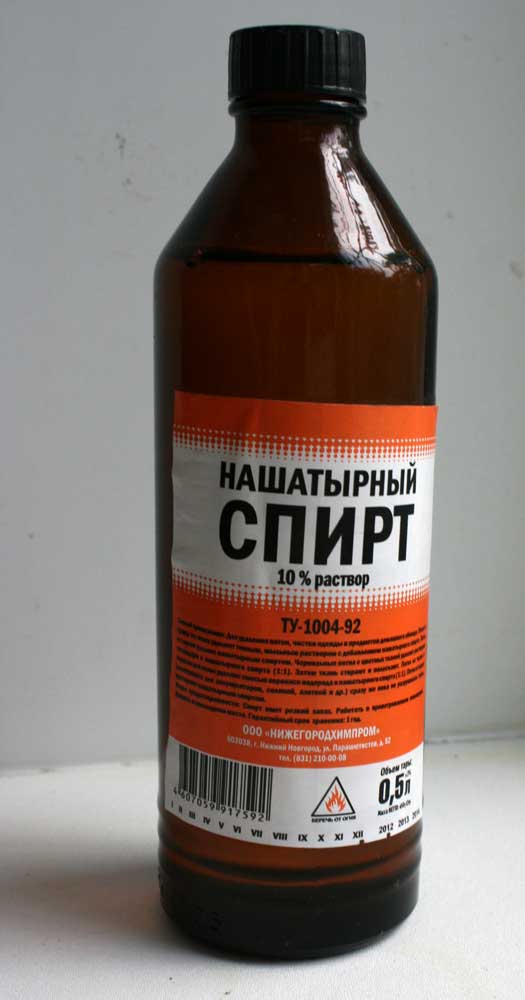
The smell of ammonia can get rid of cockroaches.
A "folk" alternative to store-bought chemical traps is a successful way to "catch" cockroaches. It's made using small glass jars, canisters, plastic cups, or bottles with the tops cut off.
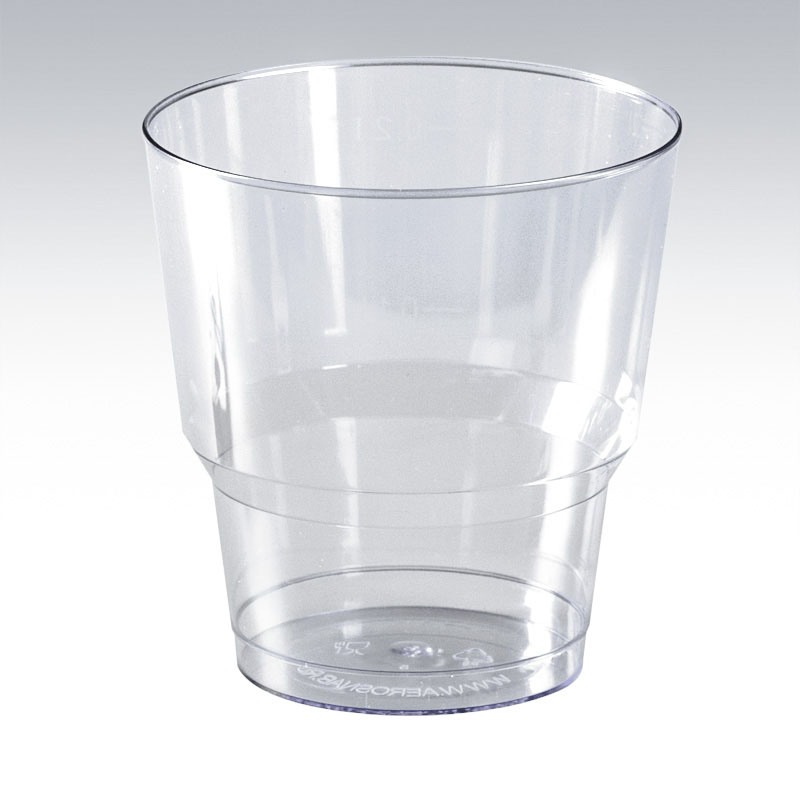
A plastic cup with Vaseline is great for catching cockroaches.
The inside top of the glass is coated with a thin layer of Vaseline, 1–1.5 centimeters long. A "treat," preferably a "smelly" one, is placed in the glass as bait. For example, a peeled and sliced onion, or pieces of bread generously soaked in beer. The trap is simple but effective: a cockroach, searching for food, follows the smell and crawls into the glass, but is unable to crawl out because of the Vaseline.
The prepared traps are set up near the insects' supposed hiding places at night, and in the morning you can "harvest" them.
Vaseline doesn't kill cockroaches—be prepared for the insects to move around inside the glass in the morning, and you'll have to eliminate them yourself, for example, by flushing the toilet.
Every night, the traps need to be refreshed: coated with Vaseline again, and fresh bait added. They need to be set daily until the insects have completely disappeared from the apartment.
Video: How to get rid of cockroaches at home
Chemicals for cockroach control
The range of chemicals for the extermination of cockroaches is represented by various preparations:
- gels;
- crayons;
- pastes;
- powders;
- aerosols.
Crayons
Insect chalk resembles school chalk in appearance and application. Draw solid lines along baseboards, following the insects' paths from suspected hiding places; outline kitchen cabinet doors, areas around sinks, and corners of kitchens and bathrooms; and carefully fill crevices.
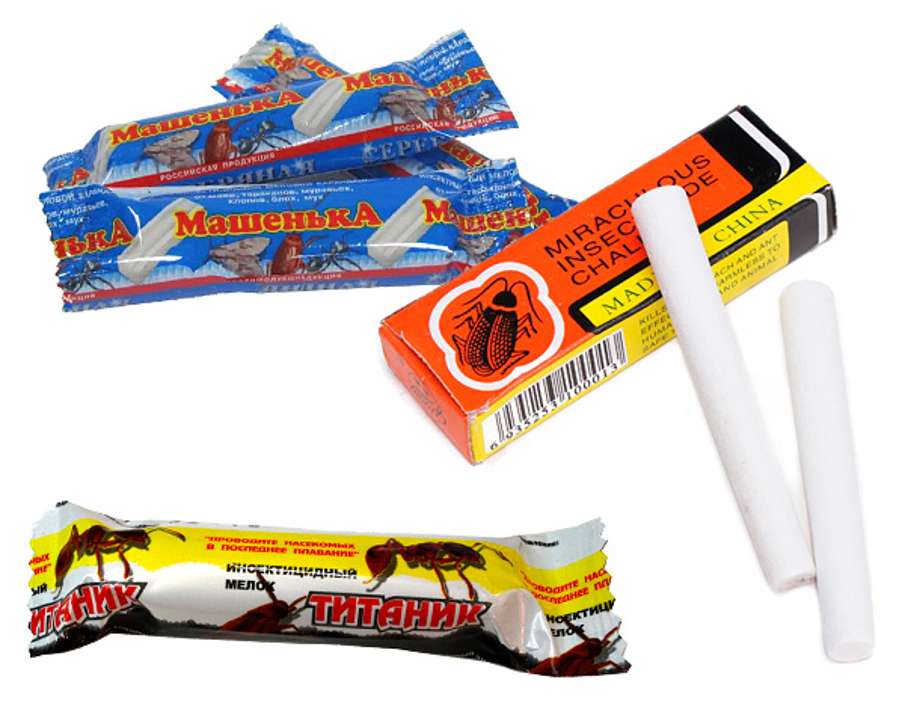
Cockroach chalk is an affordable and effective remedy
Regardless of the manufacturer, chalk works identically, and its composition is similar: gypsum and a low-toxicity poison (usually labeled as a Class 4 hazard poison). This low-toxicity poison is still dangerous to humans and animals upon direct contact, so all handling of chalk should be done with gloves. If children or pets live in the apartment, for safety reasons, avoid drawing chalk lines within their reach.
While scurrying around the apartment in search of food and water, cockroaches repeatedly cross the chalk lines and also eat the plaster from them, not only becoming poisoned by the toxic component but also carrying it on their paws to their hiding places. For treating very tight spaces, the chalk can be crushed and the resulting powder poured into cracks.
The chalk is effective if it is applied to the entire perimeter of the room, but if this is impossible due to the presence of animals and children in the apartment, the “coverage area” is significantly reduced, and as a result, the effectiveness of the product also decreases..
Gels
For ease of application, cockroach gels are available in syringes or tubes with a narrow dispenser. This allows for application into crevices and hard-to-reach areas.
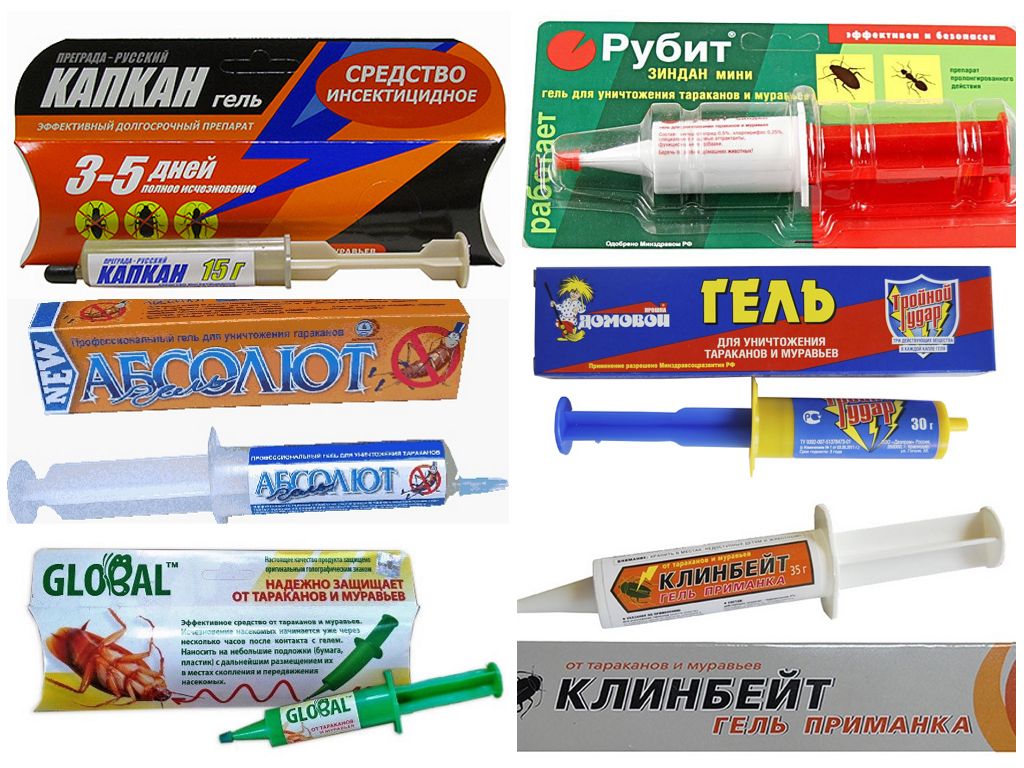
Cockroach gel is available in a convenient form for use.
The gels work on the bait principle: a dose of a poisonous substance is added to an attractive food component (or imitation food). The poison is generally mild, so most gels are approved for use in food service establishments.
Powders
Cockroach powders, due to their loose consistency, are dangerous, although quite effective. They can be mixed with an attractive food component and placed around the house as bait. However, it's important to strictly follow the instructions and be aware of the potential hazards, especially if there are small children or animals in the area.
I recently encountered cockroaches for the first time and realized what they were. We lived in a small apartment at the time. (Anyone who has lived or is living in such conditions understands perfectly well...) So, living with such neighbors is quite unpleasant. We decided to deal with them thoroughly. At the store, they recommended cockroach powder, which we sprinkled along the baseboards, on the closets, under the beds—basically, everywhere we could. While they were spreading the poison, cockroaches began crawling out from all sides (windows should be tightly closed during the extermination). After scattering the powder, we also sprayed dichlorvos in the room. We returned home a day later to find cockroach corpses lying all over the room. To prevent them from returning, you need to sprinkle the powder along the baseboards again and leave it for three months. Since we have a small child, I sprinkled it only in places where he would not be able to reach. And indeed, we haven't seen any more cockroaches.
Aerosols
The most toxic chemical insect killers for home use are aerosols.
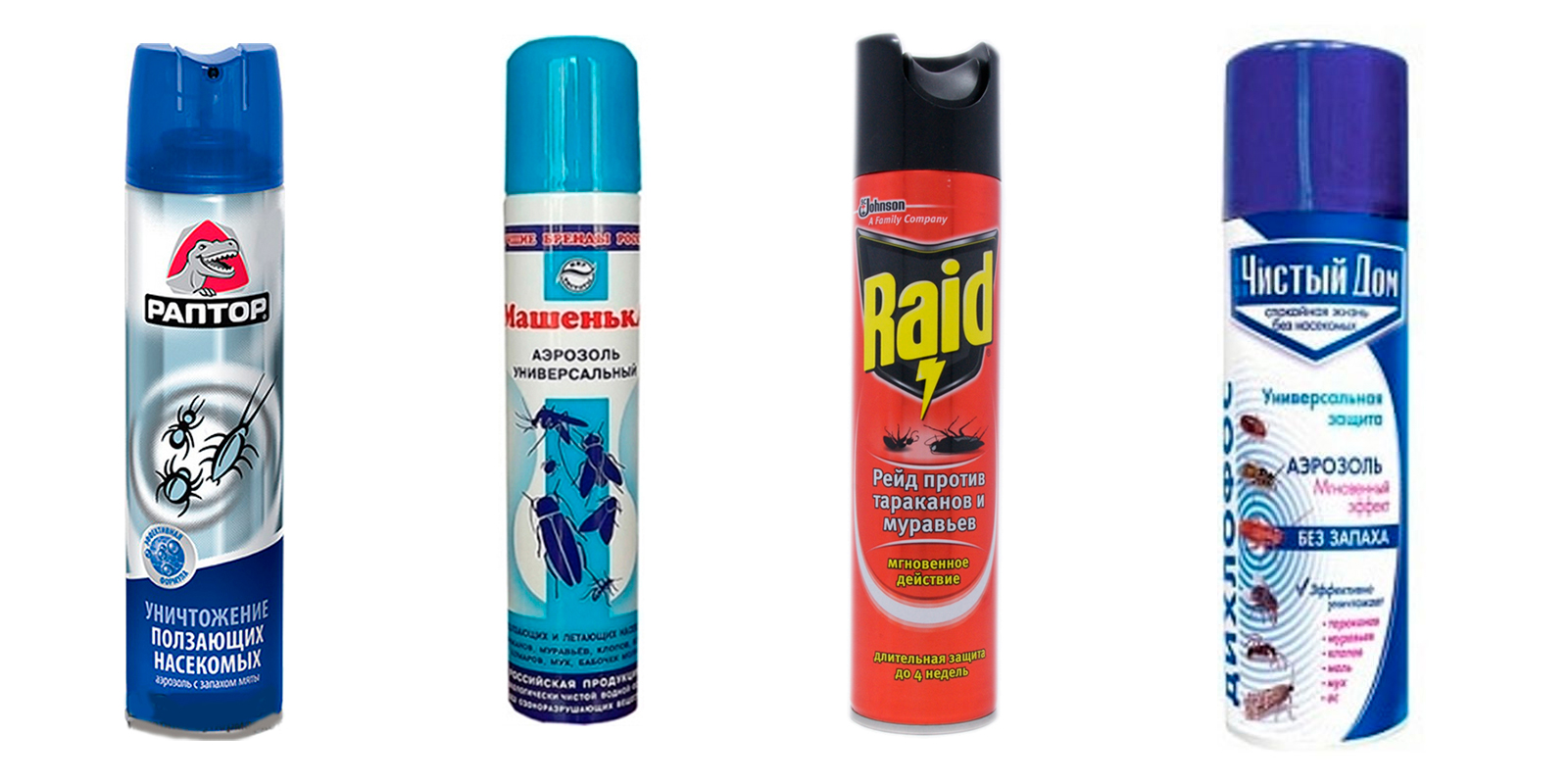
The disadvantages of aerosols include increased toxicity.
A single spray can only kill a passing insect. To eradicate the entire population, the entire premises must be treated. It is essential to follow the manufacturer's instructions when treating a room with an aerosol.
A disaster struck my home—cockroaches. The traps I'd bought weren't working. The roaches showed no interest in them. I had to tackle the problem head-on. I installed screens on the air ducts, maintained absolute cleanliness, sealed every possible crack with plaster, and chose "Crawling Insect Aerosol" as my primary means of attack. I thoroughly treated their habitual habitats. The cockroaches fled like rats from a sinking ship, crawling to conspicuous places where they ended their lives. The next day, I repeated the treatment. For a week, remnants of the insects continued to crawl out here and there. After a while, to my surprise, the insects disappeared completely. I recommend this product. It's quite smelly, so it's best to use a respirator when applying it.
Use personal protective equipment for treatment, and spray from a distance of at least 20 centimeters. Important rules:
- There should be no people or animals in the house during the treatment;
- windows must be open;
- the products are hermetically packed and hidden;
- The aquariums are tightly closed.
Ultrasonic repellers
Ultrasonic repellents operate by emitting sounds of a specific frequency, which have a detrimental effect on the nervous system of insects being driven out of the premises. Insects, unable to withstand the unbearable noise every day, quickly abandon their occupied spaces.
An ultrasonic repellent may be effective against insects that communicate with each other using ultrasonic signals. Cockroaches do not, which casts doubt on the effectiveness of this method of control.
Cockroaches can be affected by high-power ultrasonic signals, but there are a number of nuances. Firstly, signals of this frequency are audible to humans, meaning that throughout its entire operating period the device will irritate not only insects, but also people and animals in the room.Secondly, buying a powerful device will cost a pretty penny.
Upholstered furniture and other interior items can act as "jammers" of ultrasound, reducing the coverage area and effectiveness of the device. It is recommended to position the device away from such interference. In practice, this is practically impossible. This necessitates the need for more devices per area, which entails additional costs.
The repeller is harmless to animals and humans.
Cockroach traps
The traps are house-like structures with a tasty treat inside. Insects, eager for the treat, crawl inside and die.
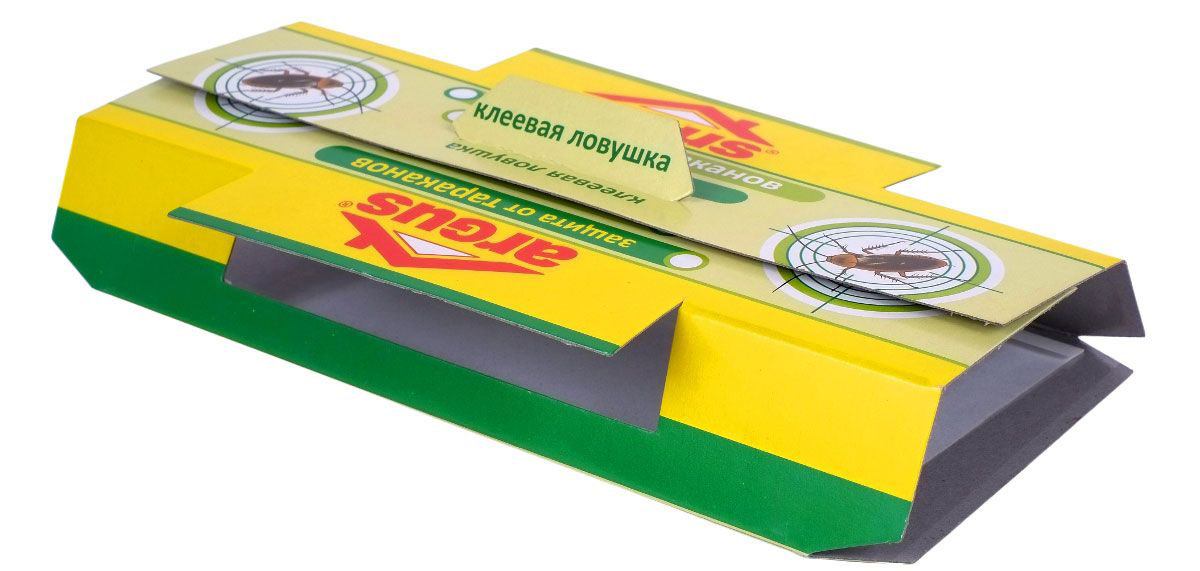
Using traps to kill cockroaches is one of the safest methods for human health.
The advantage of glue traps is the complete absence of poisons and harmful components in their composition – the death of insects is achieved by immobilizing and dehydrating them.Disadvantages include the relatively quick drying of the sticky layer. It's not always possible to place the trap as close to the insects' hiding places as possible, as they are difficult for humans to reach.
As the house fills with “guests,” the traps must be replaced with new ones.
These same "houses," but with a different operating principle, are insecticidal traps. Inside the small house, a poison is prepared for cockroaches. After feasting on it, the insect returns to its hiding place, where it poisons its "relatives." The advantages of insecticidal traps include their "hermetic" nature - when setting them out, a person does not come into direct contact with the poison.
Hello, dear housewives! A wonderful neighbor with a drill has moved into our building... And his "neighbors" have come down through the pipes. No, I'd noticed the scouts once or twice a year before, but I'd never bothered them. So he came and went, telling his family there was nothing to catch. Then I realized it was serious: getting up at night to go to the bathroom and turning on the light, I saw three fat, "meaty" cockroaches scurry out from under the washing machine. And not Prussians (brrr, how I'm afraid of them!), but some kind of black ones. Later, the almighty Google said they were "sewer cockroaches." I didn't even have time to kill them; two ran under the bathtub, and another crawled down the hot/cold water pipes. The next morning, I called my parents, told them, and my dad advised me to get a trap. When I was a kid, we used to use them. We'd poison the basement and then everyone would go upstairs. We even went as far as the 5th floor. We got rid of the critters in about a month with their help. As for the new traps, they're made using some innovative technology that even kills cockroach larvae. And they smell delicious (my husband said so). They smell like peanut butter. That night, I scattered three traps around the bathroom and went to bed, occasionally raiding the toilet to catch them. But no one showed up. And in the morning, I'd already found two corpses. The manufacturer recommends changing the bait every three months as a preventative measure. In general, I recommend always having some at home, just in case.
Professional pest control
Cockroach control can be entrusted to specialized pest control services.
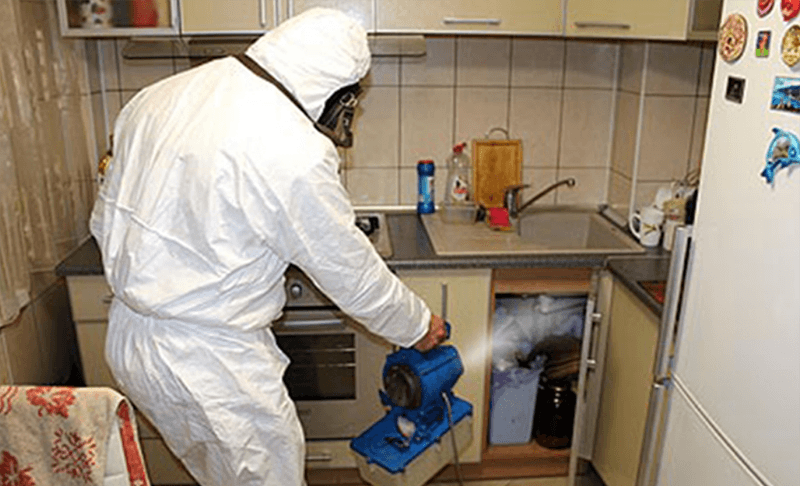
In case of severe infestation, professional cockroach control is recommended.
The chemical and its concentration are selected individually, depending on the intended use of the premises and the insect population within. Some services use substances that are harmless to humans and animals, such as ozone.
The procedure lasts on average 10–30 minutes, depending on the size of the room.
If there is a breeding ground for insects near the treated area where pest control was not performed, there is a high probability that the insects will return even after professional treatment. In this case, the service will have to be called regularly once every one or two months, which will entail additional expenses.
Preventing cockroaches from appearing in your home
It is much easier to prevent the appearance of cockroaches than to fight them.
Simple prevention consists of:
- maintaining household hygiene;
- elimination of possible insect shelters.
The main preventative measures in the fight against cockroaches include:
- daily cleaning of premises, especially thoroughly cleaning the bathroom and kitchen;
- storage of waste and garbage in closed buckets, systematic removal;
- storing food products in closed, insect-proof containers;
- Eliminate water accumulation areas - sinks and wash basins must be wiped dry, water must be drained from washed dishes, plumbing must not leak, flowers must be watered in the morning, not in the evening;
- Repairing gaps of even 1–2 mm in floors, walls, and door frames, as well as damage to tiles, is crucial. Gaps should be filled with cement or putty, then coated with oil-based paint.
There's a wide range of cockroach control products available. By combining preventative and extermination methods, you can say goodbye to these insects in your apartment forever.