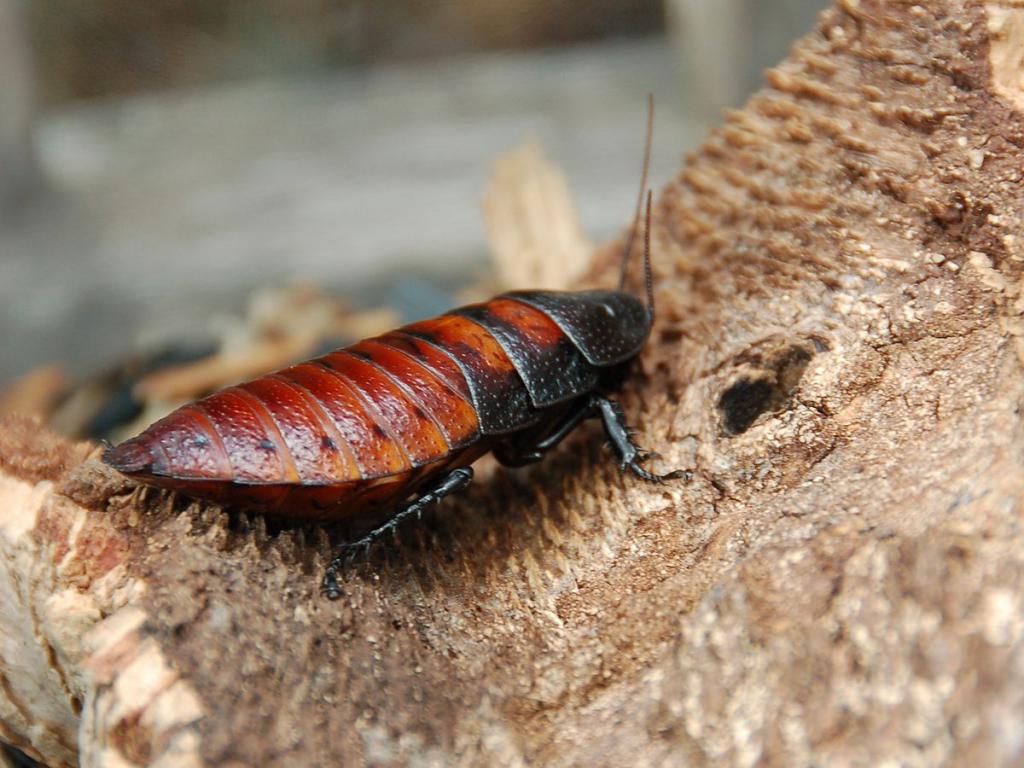
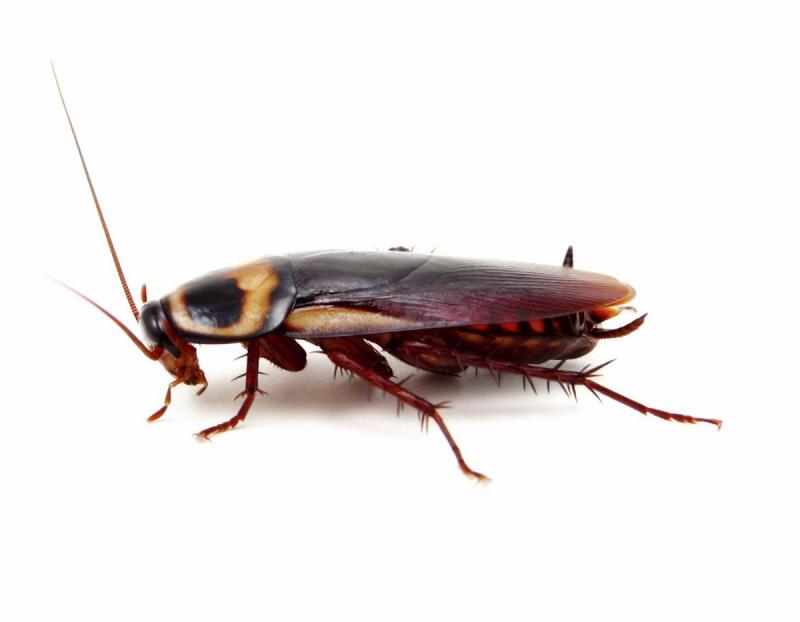
Most people are terrified and utterly disgusted by the presence of cockroaches. These whiskered insects are far from harmless, carrying numerous pathogens dangerous to humans on their legs. Hepatitis, E. coli, tuberculosis, fungal spores, and even worm eggs—this is far from a complete list of the dangers posed by a cockroach infestation. Of course, no one would be happy to have such neighbors, so humanity is constantly developing new ways to combat these insects. But what if chemicals don't work, or if there are children or animals in the house, and various types of "poisons" could be harmful to their health? In that case, it's time to remember the time-tested, folk remedies for driving away unwanted whiskered cohabitants!
Content
How to get rid of cockroaches using folk remedies
Cockroaches are probably among the most ancient creatures on our planet. They managed to survive dinosaurs, the Inquisition, wars, and many other invasions that have befallen our imperfect world. For this reason, fighting them is difficult, but helping them find another home and leave your clean and cozy apartment is entirely possible. There are many effective folk remedies for getting rid of cockroaches and preventing their reappearance.
Before reviewing cockroach control methods, we must first determine where they like to hide. Naturally, the kitchen is their favorite place—there's plenty to feed on and a place to wait out the daylight hours. And if you neglect to keep it clean and tidy, the kitchen becomes a veritable paradise for these red-bellied creatures.

By regularly leaving piles of unwashed dishes, you risk turning your home into a haven for cockroaches.
Cockroaches love damp, warm, dark, and hard-to-reach places. These most commonly include the back of gas stoves and refrigerators, the space under the sink where the trash can is often located, the space under cabinets, ventilation pipes, and even household appliances.
It is worth noting right away that most folk methods are environmentally friendly and safe for pets. The advantage of these methods is that cockroaches don't adapt to them, and their bodies haven't developed defense mechanisms. Most natural remedies act as repellents, meaning they don't kill the insects. Let's take a closer look at each of them.
Bay leaf
This beloved spice has long been used as a repellent, that is, a repelling agent in the fight against insects. Bay leaves contain the substance cineole, which has a negative effect on the respiratory system of insects, including cockroaches. For this reason, they try to leave unfriendly territory as quickly as possible. They also dislike the essential oils found in spice leaves. But to maximize the effect, you need to know how to use the product correctly:
- Only freshly dried bay leaves are suitable for cockroach control. Old bay leaves contain too little of the essential oils, making their aroma weaker and less effective as a deterrent. Avoid buying leaves that are nearing their expiration date.
- The leaf should be whole, preferably on a branch. Crushed leaves have a weak aroma and do not produce the desired results.
- Bay leaves should be replaced frequently as they lose their repellent properties over time.
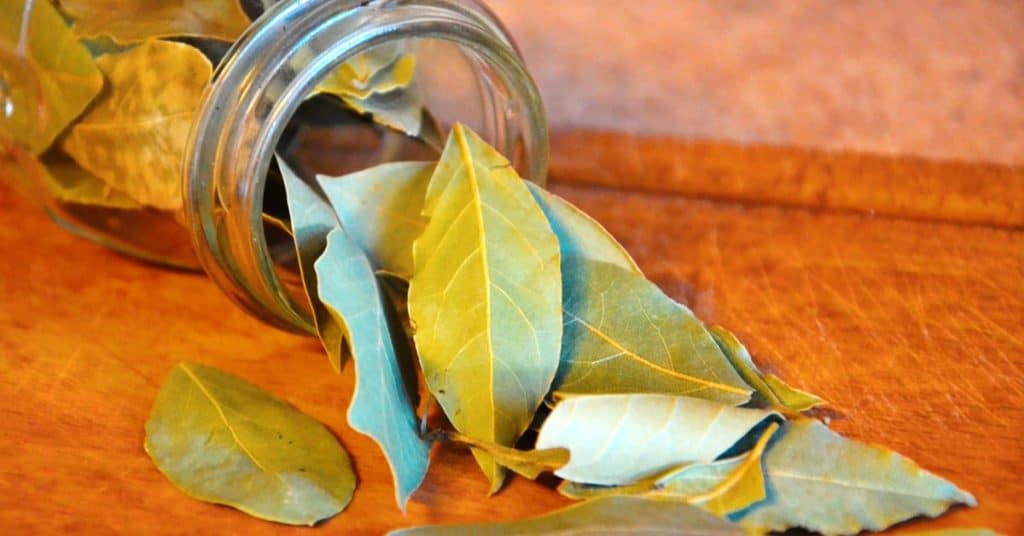
Bay leaves repel cockroaches with their smell.
Bay leaves are non-toxic, inexpensive, and have a pleasant scent. They can be used to naturally disinfect rooms and get rid of other insects.
If you only have a few cockroaches in your home, or you want to take preventative measures, simply spreading leaves in their favorite spots and replacing them with fresh ones every week will suffice. However, if the cockroaches have decided to permanently colonize your home, you'll have to literally smoke them out. Let's look at more effective ways to drive out these mustachioed creatures using bay leaves.
Fumigation
Your actions:
- Close the windows and balcony door - there should be no drafts in the house.
- Light a leaf or several leaves on fire and then extinguish them. You can place them in a metal or ceramic container.
- Make sure the bay leaf doesn't burn, but rather smolders and smokes slowly. Only then will you achieve the desired result.
- Essential oils and smoke will fill the room, making it unsuitable for cockroaches to live in.
- Repeat the procedure for several days in a row.
- If possible, avoid ventilating the room during these days. For the method to be effective, the concentration of essential oils in the air must be at its maximum.
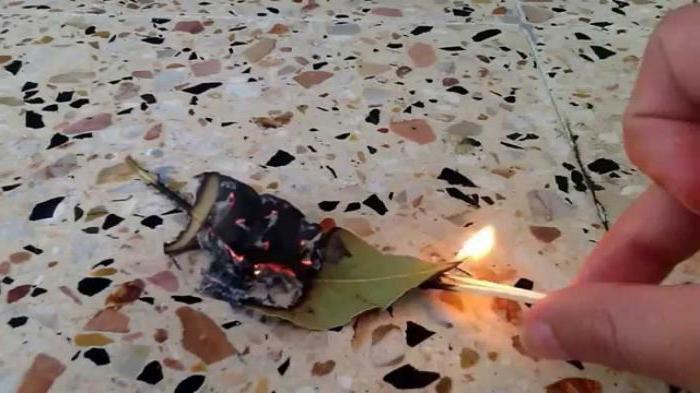
Smoke from a smoldering bay leaf can drive away cockroaches for a long time.
At first glance, this method seems complicated, but in reality, fumigating a room doesn't take much time. The only drawback may be the lack of free air circulation in the apartment for several days. This method won't completely eliminate cockroaches, but a prolonged absence or a significant reduction in their numbers is quite possible.
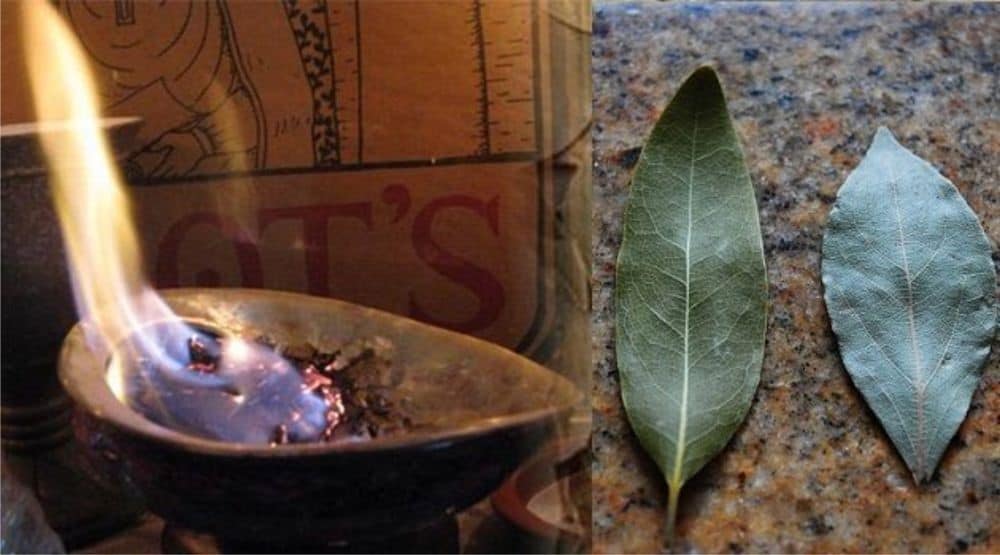
Fumigation is carried out for several days in a row.
Spraying
You can also make your own tinctures from bay leaves.
- Method one: Pour 0.5 liters of boiling water over a packet of dried leaves and let steep for at least 3 hours. Then strain the brew and spray it on areas where cockroaches are most common.
- Method two. You'll need 1 pack of bay leaves and 200 ml of vodka. Break the leaves, place them in a glass bottle, and fill with vodka. Let it steep for two weeks in a dark place. Then, add 1 tablespoon of the prepared tincture to 100 ml of water and spray on surfaces where cockroaches are common: under the sink, near the range hood, behind the gas stove and refrigerator (if possible), windowsills, near pipes, etc.
As you can see, both methods are easy to use, and you can use them frequently without fear for the health of your loved ones.

You can use bay leaf infusion to treat various surfaces in your home.
Herbs (wormwood, elderberry, mint, tansy, feverfew)
Certain herbs also have a repellent effect against cockroaches. These include wormwood, elderberry, mint, tansy, and feverfew. They are used fresh and dried, and can also be used to make decoctions and tinctures.
Pyrethrum
Pyrethrum is a powder made from the Dalmatian chamomile plant. This plant somewhat resembles common chamomile, but its insecticidal properties are significantly superior. The remedy is used in its pure form, meaning there is no need to make decoctions from it.
Pyrethrum has become hard to come by lately, but you can find it in eco-friendly home improvement stores. Ground chamomile flowers can be substituted, but they contain much less of the active ingredient, pyrethrum. If you're lucky enough to find the powder, sprinkle it in areas where cockroaches are most common or place it in corners of the room (under the sink, bathtub, behind the refrigerator, etc.).
A disadvantage of pyrethrum is that it quickly loses its properties in light. Therefore, it's best to apply it in shaded areas and reapply it every few days.
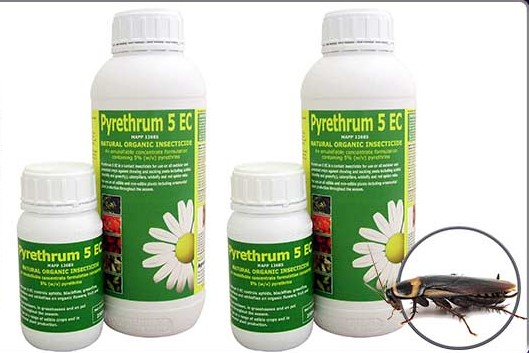
A natural chamomile-based remedy can kill cockroaches, bedbugs, and other unwanted household insects.
Sagebrush
To combat cockroaches, wormwood is used fresh or in the form of a tincture. The latter can be purchased at a pharmacy, as preparing it yourself is time-consuming. This plant contains a high concentration of substances that are extremely unpleasant for cockroaches and other pests that inhabit the home (bedbugs, dust mites, ants). However, the repellent effect is short-lived, so this method is more suitable for prevention and control of small numbers of insects.
Fresh herbs are scattered in the corners of the room, placed under furniture, and under the sink near the trash can. It's a good idea to replace wilted wormwood with fresh ones daily, as the pungent aroma quickly dissipates, making further use pointless. You can also prepare a decoction and apply it to hard-to-reach areas. To do this, you'll need 4 tablespoons of chopped wormwood and 1 liter of water.
Preparation of the decoction:
- Bring water to a boil over heat.
- Add chopped wormwood to boiling water.
- Boil for one minute under the lid.
- Let the decoction steep for several hours.
- Strain through a fine sieve or cheesecloth.
- Pour the prepared decoction into a spray bottle and spray the problem areas.
Wormwood tincture can also be used as a spray. Simply dilute 2 tablespoons in a glass of water. It's worth noting that not everyone likes the smell of wormwood, but if you don't mind it, feel free to use this remedy.
To reliably prevent the reappearance of cockroaches, it is recommended to spray once a week.
Other plants can be used in the same way.
Photo Gallery: Plants That Repel Cockroaches
-
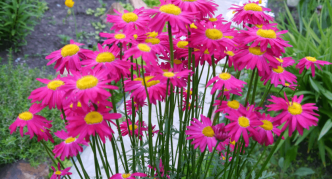
- A natural insecticide called pyrethrum is made from a pink flower similar to the common chamomile.
-
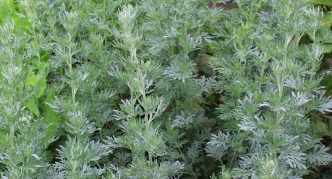
- The smell of wormwood can repel cockroaches and other insects.
-
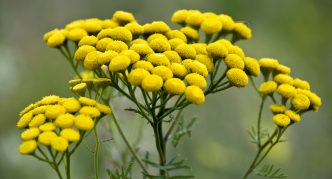
- Tansy has long been famous for its repellent properties.
-
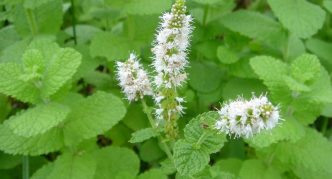
- Mint will not only give your home a fresh scent, but will also repel cockroaches.
Vinegar
Not only fungi and microbes are afraid of vinegar, but also cockroaches. They dislike its smell, and direct contact can even kill the insect. You can use either regular 9% table vinegar or its essence. The product can be added to water for washing floors, and can also be prepared as a spray for treating surfaces, vents, and cracks.
Cockroaches require a source of water, so they prefer damp places. If you have an infestation of these whiskered insects, pour a little undiluted vinegar into the kitchen sink near the drain and into the drain itself, as well as into the sink and bathtub. Cockroaches won't drink the vinegar, but they will instead seek out other watering holes outside your home.
We also suggest you prepare a spray with vinegar and hot red pepper.

No cockroach would want to live in a house where red pepper and vinegar infusion is actively used.
Cockroach spray
Use this spray on kitchen cabinet shelves, walls near the floor and vents, baseboards, and any cracks where cockroaches might crawl. While vinegar doesn't stop these unwanted guests, pepper will certainly repel them for a long time. For 1 liter of boiled water, you'll need 4 tablespoons of vinegar and 2 red pepper flakes. Directions:
- Pour water into a suitable container with a lid.
- Dilute vinegar in water.
- Add red pepper flakes or 1 tbsp ground pepper and close the lid tightly.
- Place in a dark place to infuse for 5 days.
- Pour the liquid into a spray bottle.
- Perform treatment every week.
Since this product is a tincture of red pepper, which is known for its pungent properties, we strongly recommend wearing gloves when using it and keeping it out of the reach of children. Overall, the spray is safe for the environment, people and animals.
By the way, you can also use this same product to “treat” the cockroaches themselves if they dare to show themselves to you.
If you decide to use vinegar essence, dilute it with water in a ratio of 1:22.
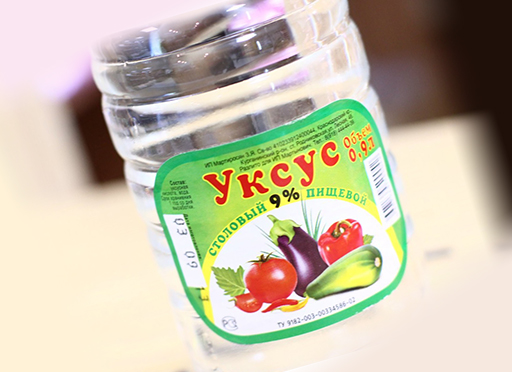
The most common cheap vinegar will do the job of fighting cockroaches.
Black cumin seeds
Black cumin seeds are a very common spice. In addition to its spicy properties, black cumin has insecticidal properties. To combat cockroaches and other insects, seeds are used in their natural form, set on fire, or prepared as a tincture:
- Seeds. They are simply scattered in the cockroaches' favorite places.
- Tincture. Take 1 tablespoon of seeds and pour a glass of boiling water over them. Let steep for at least 3.5 hours, then use as a spray.
- Fumigation. The seeds are placed in a fireproof container and ignited. Care is taken to ensure they do not burn, but rather smolder slowly. The procedure is repeated for several days.
Black cumin is extremely beneficial for humans and has been used in folk medicine since ancient times. Therefore, fumigating your home with this spice has a double benefit: while killing and driving out cockroaches, you and your family will breathe in healing aromas.
Black cumin oil can be used to repel cockroaches. It can be applied to crevices and hidden areas of furniture, but since this oil is expensive, it's more practical to use tinctures made from the seeds or the seeds themselves.
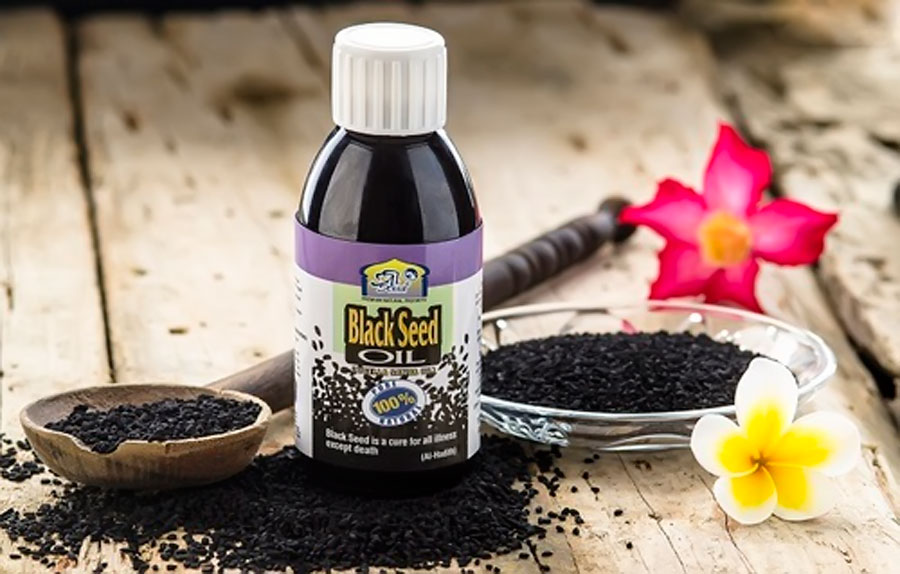
Thanks to their strong insecticidal properties, black cumin seeds will help get rid of cockroaches and their relatives.
Boric acid
Boric acid, which is sold in powder form at any pharmacy, is capable of destroying entire hordes of cockroaches. Unlike previous methods, this solution only works on impact. Cockroaches won't eat it in its pure form, of course, but they'll eagerly gobble up food generously laced with acid.
To prepare a deadly poison, use:
- boiled peas,
- potatoes (mashed, in their skins - it doesn't matter),
- yolks of hard-boiled chicken eggs,
- dough made from flour and sugar.
Add the powder to any of the above ingredients, mix, and roll into small balls. For every two egg yolks, you'll need one packet of acid (10 g). When using other ingredients, use the size of the yolks as a guide. The finished "treat" is scattered in hard-to-reach places where cockroaches like to hide. You can also dilute the acid in water and pour the resulting solution into a clean kitchen sink. In this case, it's important to block any other access to water so the cockroaches are forced to drink it.
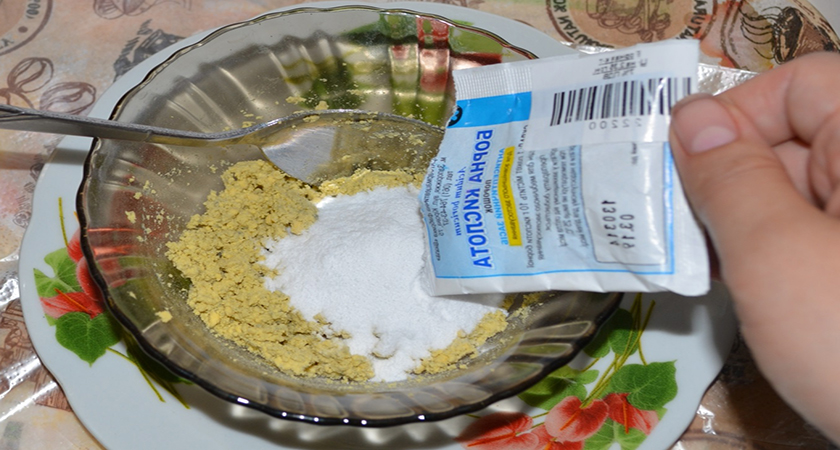
Boric acid is mixed with boiled peas and then the cockroaches are treated to this dish.
Ammonia
The smell of ammonia is so unpleasant that even the most resilient creature can't stand it. Pure ammonia is lethal to all insects, but remember that you can also be harmed. It is impossible and dangerous to be in a room with a concentrated smell of ammonia. Therefore, you must first dilute it in a large amount of water. You'll need 1 teaspoon of the solution per 1 liter of water. Use this solution to clean floors, kitchen cabinets, and anything else that might be touched by the pesky insect's paws. By doing this cleaning regularly, you'll forget about not only cockroaches but also moths, mosquitoes, and other flying, scurrying pests for a long time.
Ammonia solution can also be poured into a spray bottle and used to kill cockroaches directly.
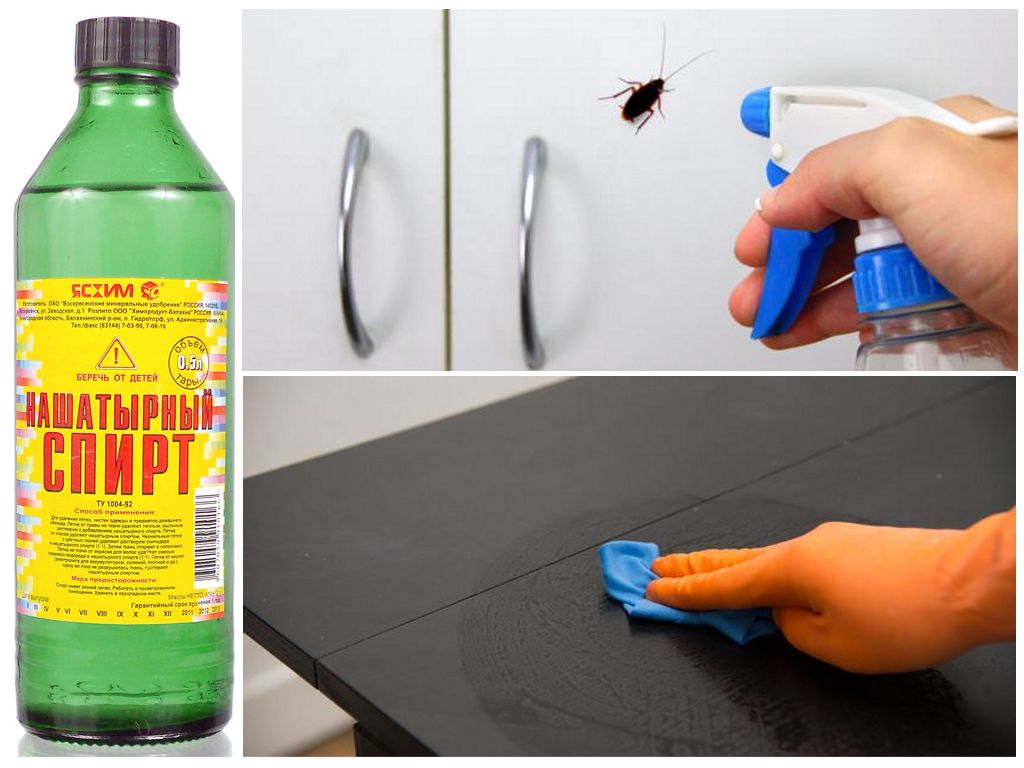
Ammonia is widely used in the fight against cockroaches.
Plaster, alabaster, soda
This method is perhaps not the most humane towards cockroaches, but it is effective. Once in the stomach, the plaster hardens, causing the insect to die. Cockroaches won't eat this in its pure form, so you need to prepare bait. You'll need powdered sugar or flour and regular plaster of Paris. You can use alabaster and crushed chalk instead. Instructions:
- Mix powder and plaster in equal parts.
- Add a small amount of water and stir well – it should form a thick mass.
- Roll into small balls.
- Place bait throughout the apartment.
You can simply sprinkle the dry mixture under cabinets, behind the refrigerator, in the pantry, near the trash can, and elsewhere. You can use regular wheat flour instead of powdered sugar, or both.
Cockroaches also dislike baking soda. It's mixed with powdered sugar or flour and fed to them in the same way.
The baits are not dangerous for children or pets, although eating such a treat is certainly not recommended.
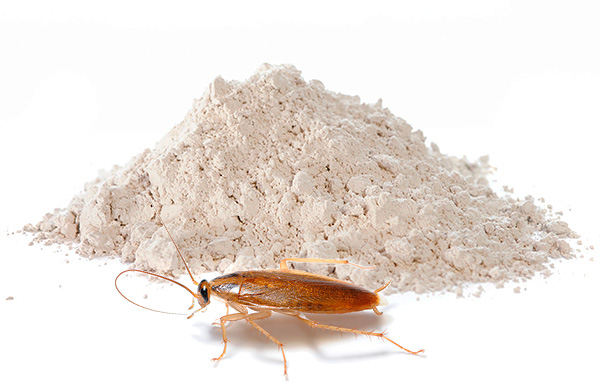
Regular building plaster can help significantly reduce the number of cockroaches in your home.
Essential oils
Cockroaches hate essential oils:
- cedar,
- eucalyptus,
- carnations,
- citronella,
- lemon balm,
- geraniums.
The most effective is eucalyptus oil, which has the strongest aroma. The product is applied directly to surfaces, prepared into home sprays, or added to water for washing floors.
- In its pure form, apply the oil to a piece of cotton wool and treat the surfaces. The same pieces of cotton wool can be scattered in the corners of the apartment, remembering to reapply the product weekly.
- For cleaning floors, simply dilute 4–5 drops of oil in a regular bucket of water and wet-clean at least twice a week.
- Sprays. Add a few drops of oil to a cup of water. The spray is used for both surface and contact treatments.
- Vinegar + oil. Pour 4 tablespoons of vinegar into 1 liter of water and add a few drops of essential oil. This spray will work with double the power.
Keep in mind that essential oils can trigger allergic reactions. Before choosing any oil, make sure no one in your family is allergic to it.
In addition to essential oils, cockroaches also dislike other strong odors. Garlic, black pepper, cloves, juniper berries, and other strong-smelling spices can be used in conjunction with the above-described methods.
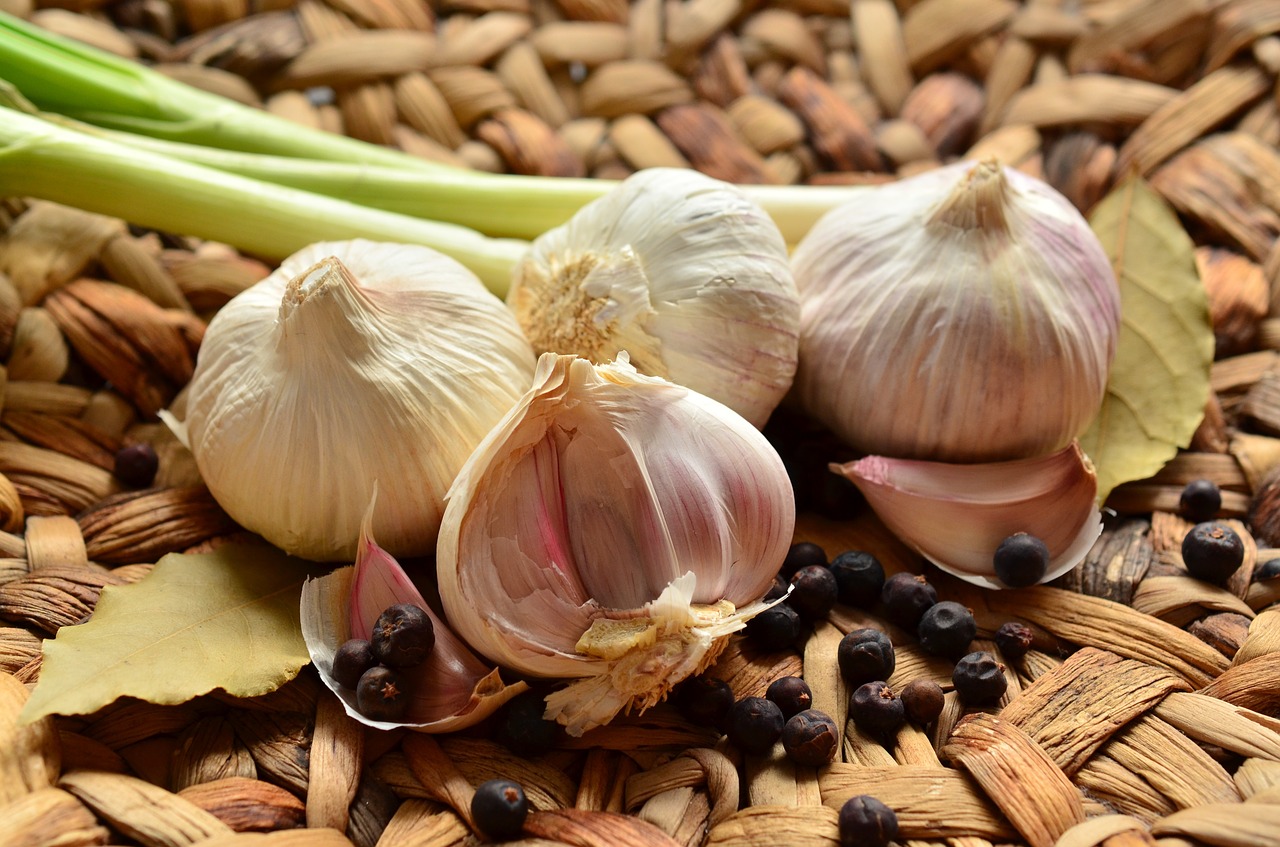
The strong smell of some foods can repel insects.
Reviews
You can find many reviews online about this or that remedy. Most people still recommend using several folk remedies at once to achieve the best results.
I didn't know how to get rid of this nasty stuff. Once they started crawling, there was no peace from them. The first thing I did was sprinkle some boric acid and make bait out of it. I washed the floors with vinegar and then rubbing alcohol to keep them from getting used to the smells. All in all, I got the job done in two months."
I didn't wash the floors with ammonia; I didn't have time for all that. But I did put it in a saucer overnight and closed the doors. That's how it was in my rented apartment. I was a student myself, didn't have much money for expensive products, and didn't have time to wash the floors every day. Duct tape, boric acid, and ammonia were my only weapons. It worked!
A paste made from boiled potatoes and eggs works very well against cockroaches. Add a little baking soda to them, roll them into small balls and leave them in places where cockroaches hide.
Video: Folk remedies for cockroach control
Whatever solution you choose, always keep the room clean, avoid crumbs on the counter, and don't leave dirty dishes in the sink. Also, remember to regularly repair your faucets to prevent cockroaches from having easy access to water. Most importantly, be friendly with your neighbors and work together to exterminate cockroaches—only then will they have no chance of winning.