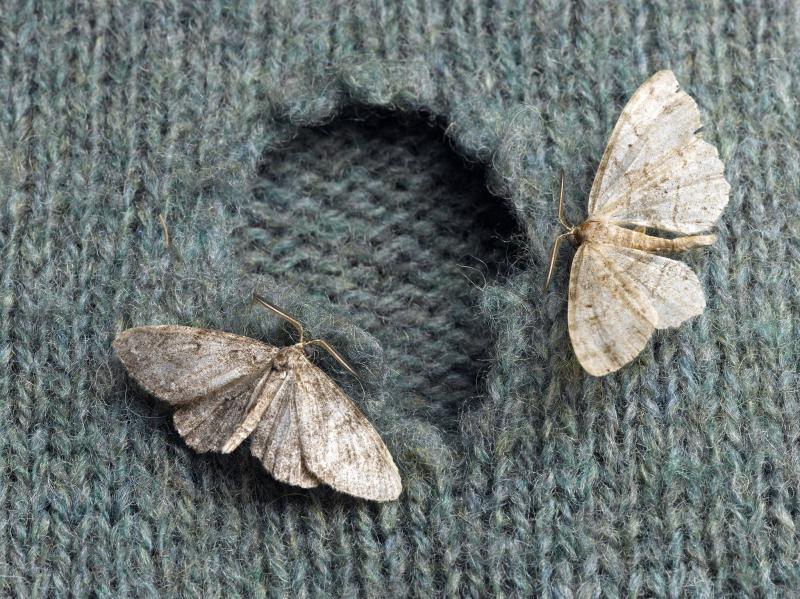
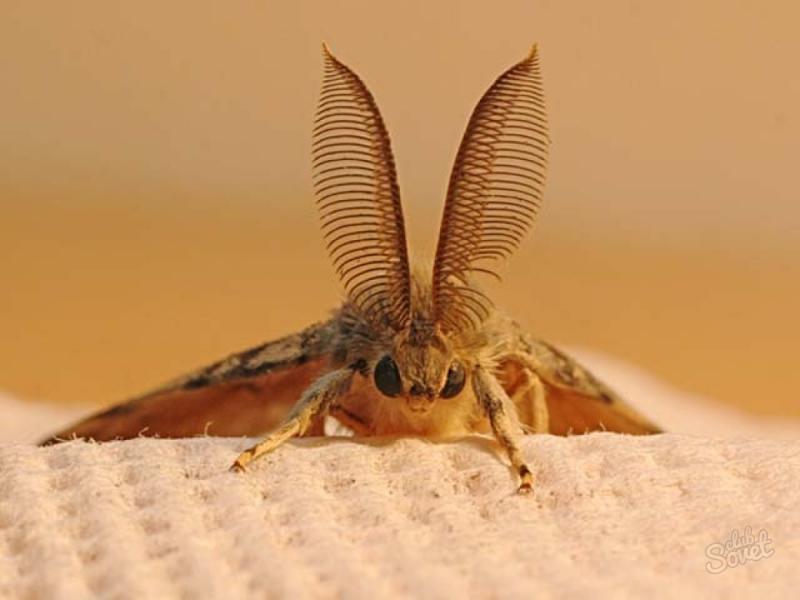
Scientists classify approximately 73,000 species of moths as moths, but when a pest appears in an apartment, theoretical research becomes irrelevant. It's important to know that some of these species are harmful to kitchen products, while others can cause serious damage to fabric and leather items. If there are allergy sufferers or small children in the family, safe methods are essential for pest control. In such cases, it's best to use proven folk remedies.
Content
How to get rid of moths using folk remedies
These days, there are many professional moth control products available, but despite the wide selection of commercial products, folk remedies remain no less popular for fighting moths in apartments. The reasons are simple—folk remedies offer many undeniable advantages when used at home:
- Safety. This is especially important if you have small children or pets in the house.
- Effectiveness. If you use the recipes correctly, you can completely eliminate the pest from your apartment.
- Availability. Home remedies involve using readily available or simple and inexpensive products.
- Eco-friendly. After using homemade remedies, you don't have to deal with any harmful side effects.
The disadvantages of using home remedies include a delayed effect: you may not see results right away.

Most folk remedies against moths use strong fragrances.
When fighting moths, our ancestors usually used products with a strong smell - moths cannot stand them. Time-tested: essential oils, scented soaps, aromatic plants, herbs, citrus fruits and, of course, vinegar.
Naphthalene, which is probably the first thing that comes to mind when thinking about moths, is now considered unsafe. Doctors have discovered that naphthalene is carcinogenic and causes tumors. Furthermore, moths have gradually developed a tolerance to the substance, and most populations are now resistant to it.
Essential oils
A pleasant, proven remedy. A small amount is enough to eliminate the voracious insects from a suspected moth infestation.

In addition to repelling moths, essential oils have many beneficial properties, including a healing effect.
Moths react most intensely to lavender, fir, eucalyptus, rosemary, patchouli, citronella and lemongrass oils. Choose the most pleasant scent to ensure you feel comfortable while fighting the pest. Just don't pour the product directly onto fabric or clothing items—it may stain. It's better to apply a drop of the product to a cotton pad, a small piece of cloth, or even just a paper towel and spread it around the room, in areas likely to attract moths.
Herbs
If you have ready access to plants such as wormwood, tansy, mint, eucalyptus, cloves, or walnut, you can consider your moth problem solved. Fresh leaves and pieces of bark are used from trees; herbs are collected during flowering. The plants need to be dried, tied into small bundles and placed on cabinet shelves.

It is better to collect aromatic herbs during the flowering period, just before ripening.
To prevent herb particles from lingering on fabric, you can use small tea bags, such as old tea bags, or simply wrap them loosely in a napkin. The main thing is to allow the aroma to pass through unimpeded.
When using dried herbs to combat moths, it's important to remember to check the scent regularly. If the scent has weakened so much that it's no longer noticeable, the product needs to be renewed.
Citrus peels
The peels of any citrus fruit (oranges, tangerines, lemons, limes, and others) are effective against moths, both fresh and dried. Our grandmothers saw tangerines and oranges mostly around New Year's, but they never threw away the peels. They dried them and then placed them in kitchen cabinets and on clothing shelves to keep pests away.
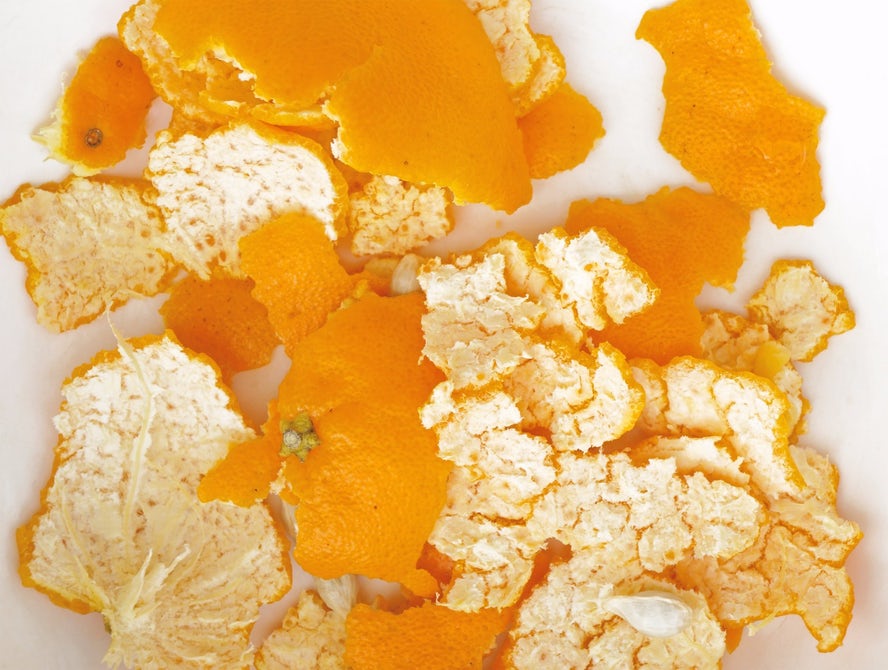
To repel moths, the bark must be fresh.
Surprisingly, unlike many chemicals, moths have never developed a tolerance to the pleasant aroma of citrus fruits, so two or three peels on a shelf can repel harmful moths for a long time. Just keep in mind that fresh peels, unlike dried zest, can spoil.
Fresh citrus peels on cabinet shelves should be replaced before they show signs of drying out, and mold should not be allowed to develop.
Herbs and spices
Moths also dislike the aroma of herbs and spices. Bay leaves, pepper, thyme, coriander, curry, cinnamon, cloves, saffron, cardamom, and even vanilla—anything with a strong odor—repel moths and prevent them from hatching. Moths will be unable to lay eggs on shelves exposed to these specific aromas.

Fragrant powders can be poured into small open containers.
It is especially convenient to use spices and herbs in the kitchen, where their aroma will only improve the atmosphere of the room. Loose spices can be placed in pest-prone areas directly in special packaging, with the lid slightly unscrewed to allow the scent to spread better. Larger spices, such as vanilla or cinnamon sticks, as well as large peppercorns, can simply be spread out loosely on the shelves.
Laundry soap
The method is universal, but due to the unpleasant odor, it is used mainly for non-residential areas such as closets and pantries. To repel moths using laundry soap, you can prepare a soap solution and wash the inside surfaces of cabinets with it, or you can cut a bar into pieces and place them in places where pests congregate. For example, in furniture, on the shelves of cabinets and cupboards, or in the pockets of clothes that you want to protect.
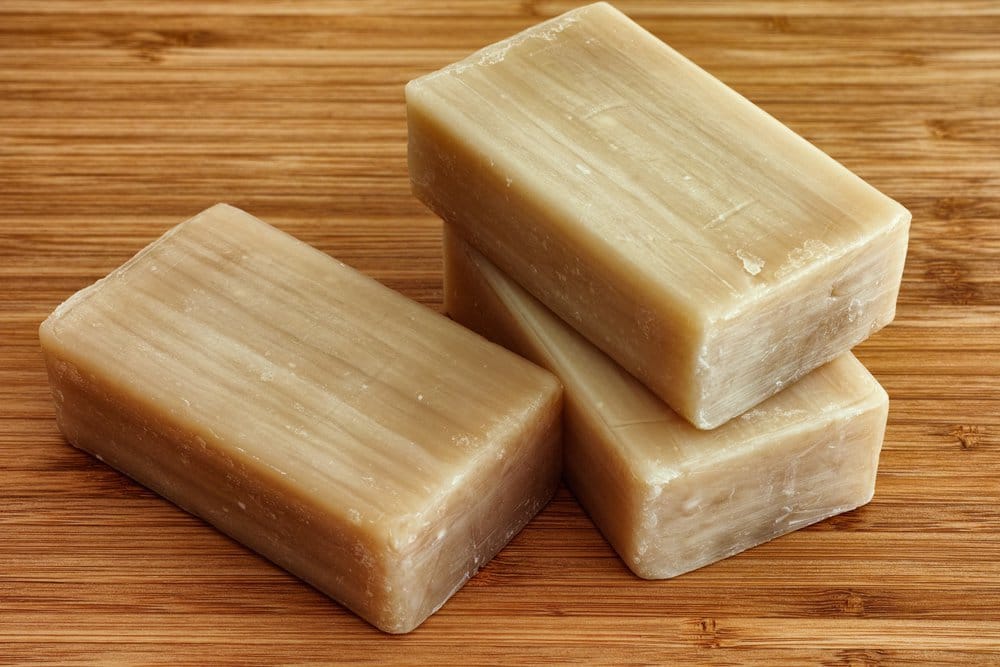
Fresh laundry soap will repel moths more effectively.
Laundry soap is also effective against moth larvae, seriously restricting their movement.
Tobacco or shag
This remedy shouldn't be overused when protecting clothing from moths. Dry tobacco is best used in areas where the smell will only harm moths—inside furniture or in unoccupied spaces.
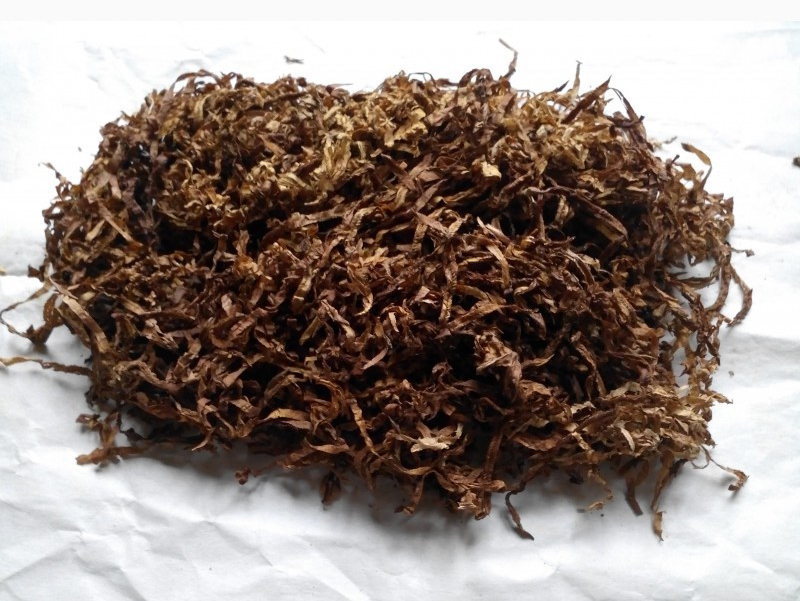
When using tobacco, it is important to ensure that the smell does not spread to clothing or living spaces.
The method of application is similar to that of herbs and spices: the dried mixture is placed in bags with holes and placed in places where moths may appear. Adding a few black peppercorns to the tobacco per bag gives good results.
Tobacco and shag are effective against moths, but only in their natural form. Tobacco shaken out of cigarettes is useless.
Vinegar
Thanks to its pungent smell, vinegar has become one of the most effective folk remedies for moths. In the old days, housewives would heat cast-iron containers to high temperatures and pour this caustic solution into the bottom. The vinegar would begin to evaporate, and then the container would be held close to moth-infested areas to saturate them with the vapors. Today, housewives add vinegar to water when cleaning, which also effectively repels moths. A few tablespoons of the product per bucket of water is enough.
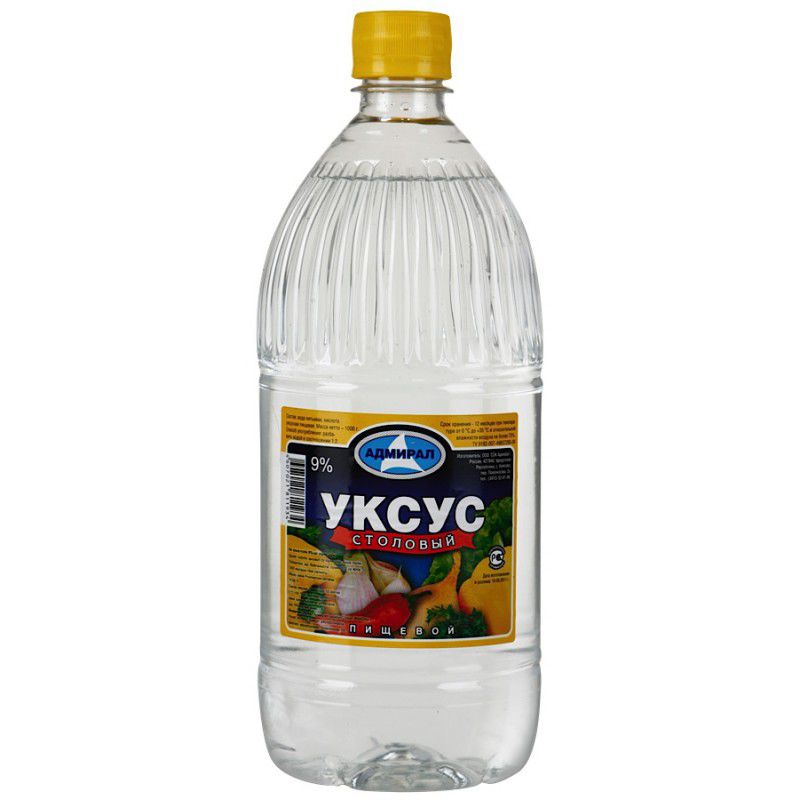
When using vinegar, you need to remember safety rules.
Garlic
Garlic, like mothballs, hasn't stood the test of time. However, not because of its harmful effects on humans and animals. Folk remedies suggest that the pungent smell of garlic supposedly repels moths, but this is a highly dubious claim.

Most types of moths are resistant to garlic.
The fact is that long-term use of garlic against all kinds of insects has caused addiction, and now many types of pests not only do not react to the smell, but also happily feed on this beneficial plant.
When using folk remedies against moths, it's important to remember that most of them rely on strong odors to repel insects. Before using any method, make sure your family members aren't allergic to it.
Photo Gallery: Additional Pest Control Methods
-

- Camphor can repel moths from closets containing clothes or food for a long time: just apply 1–2 drops to cotton pads or scraps of fabric and place them in areas where the pests appear.
-
- The powder should be sprinkled around the infested area approximately every 1.5–2 meters, but it is important to remember that the total consumption per apartment should be limited to a few grams of dry matter.
-

- The plant's fruits don't have a strong smell, but moths still can't stand them: you need to dry the chestnuts in the oven to prevent spoilage and place them on shelves.
-

- Geranium itself is a living repellent, one plant per room is enough to prevent the pest from appearing.
-

- Fragrant tobacco will protect the room from the invasion of moths, just water the flower on time, enjoy the beautiful flowering, and at the same time the absence of moths
Other folk methods for fighting moths
It is known that moths, like their voracious larvae, cannot tolerate either heat or frost. If possible, it is good to wash contaminated items at a high temperature and iron them or treat them with hot steam.

Ironing clothes and treating them with steam completely destroys moth larvae.
It is enough to heat food products in the oven at a temperature of 30 °C to kill both the moth and the larvae.
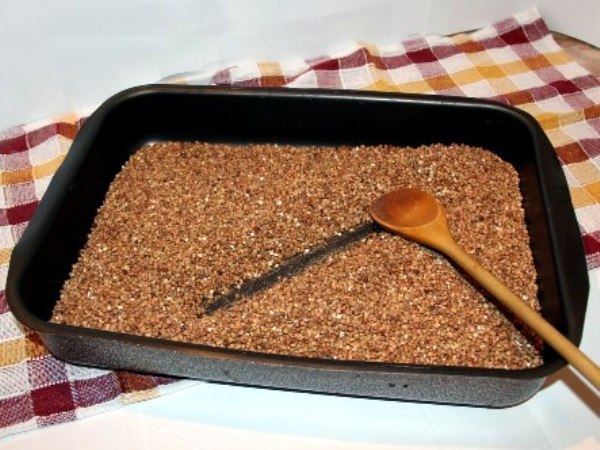
Cereals and dried fruits can be roasted in the oven.
Freezing is also effective, but to kill the larvae, infected items and food must be kept at a temperature not exceeding -10°C for at least 24 hours.
It is known that neither moths nor larvae can withstand direct exposure to sunlight, so our ancestors took their clothes out into the open sun. In modern conditions, a quartz lamp copes with this task perfectly.
Moth larvae—the main pests that damage fabrics and food—are unable to attach themselves permanently, so they can be easily removed by simply shaking the clothing. It's best to do this away from living areas to prevent reoccurrence. If you vacuum-seal seasonal clothing after washing and airing until the next time you wear it, moths won't be able to reach it.

Well-packaged foods prevent moth infestation.
The same applies to food: hermetically sealed cereals, dried fruits, and other food that attracts pests will remain safe and sound because insects will not be able to get into them.
Frequent and thorough vacuuming is a good way to prevent moth infestations. While this doesn't guarantee complete control, it's effective as a supplementary measure, especially when combined with adequate ventilation.
Reviews
Aromatika Lavender Essential Oil - A multifunctional remedy: against moths and for improving sleep
Pros: Inexpensive, excellent product for problem skin, soothing, moth repellent
Disadvantages: Didn't find any
I add 3-4 drops of oil to sea salt and place it in my cupboards. You can also place it in food cupboards (just make sure all food items are tightly sealed!).
Aromatika Lavender Essential Oil - Several Ways to Use
Benefits: for hair, skin, nails
Disadvantages: I didn’t find any
I love lavender products and the scent. But I didn't buy lavender essential oil just to scent the room. I had a moth infestation, and I tried every method I knew to get rid of them. Lavender oil certainly works against moths. I made small fabric pads, added drops of lavender oil to them, and placed them in the closets. They didn't pick up a strong odor, which I really appreciated. The closet itself just has a subtle scent. But I used a lot of moth repellents, added tablets and other moth repellents, and this massive attack worked, and there haven't been any moths for three years now—not at all.
I used the most powerful chemicals at one point, but nothing worked. They just stink, and moths don't care. Moths thrive where there are clothes that aren't worn, just lying around. Moths don't eat things that are worn regularly. So, you need to throw out the clothes you don't need, wear the ones you do need, and in the off-season, air them out and take them out of the closet.
To combat moths, I put mountain lavender (a bunch, I buy a new one every year in Crimea) in the closet. It smells fresh and helps repel moths. I've also heard that wormwood and mint help. Empty perfume bottles also repel moths with their scent.
I wash my closets with soapy water several times a year, clean the cracks with vinegar, shake out the clothes outside, let them air out, and when the closet is dry, I hang them back up and add a bag of mountain lavender to the shelves. My mom and grandma do the same.
I periodically air out my clothes, blanket, and throw on the balcony. I'd also put them out in the sun, but unfortunately, there's no space. I keep bags of wormwood in the closet (I put them in a bag because it sheds). It helps!
I have a scented sachet in my closet. It's a nice-smelling bag of dried herbs. And because of it, moths never show up in my closet. I don't like the pungent smell of moths. 🙂
To keep moths away, I put herbs like wormwood or wild rosemary (with flowers) in my closets. And I put orange peels in my children's clothes.
When moths appear, my mother buys Prima cigarettes without a filter, opens a pack and places them between the shelves of the cabinet, and in two weeks, or a month at most, we get rid of the moths completely. It’s a very effective method, I recommend it to everyone.
We always put a couple of chestnuts on the shelves, I don’t know if they help, but there are no moths at all, knock on wood.
Another benefit of using folk remedies and methods to combat moths is that all recipes can be combined without fear of harmful consequences. Safe home remedies for moth repelling can be used year-round and for prevention.