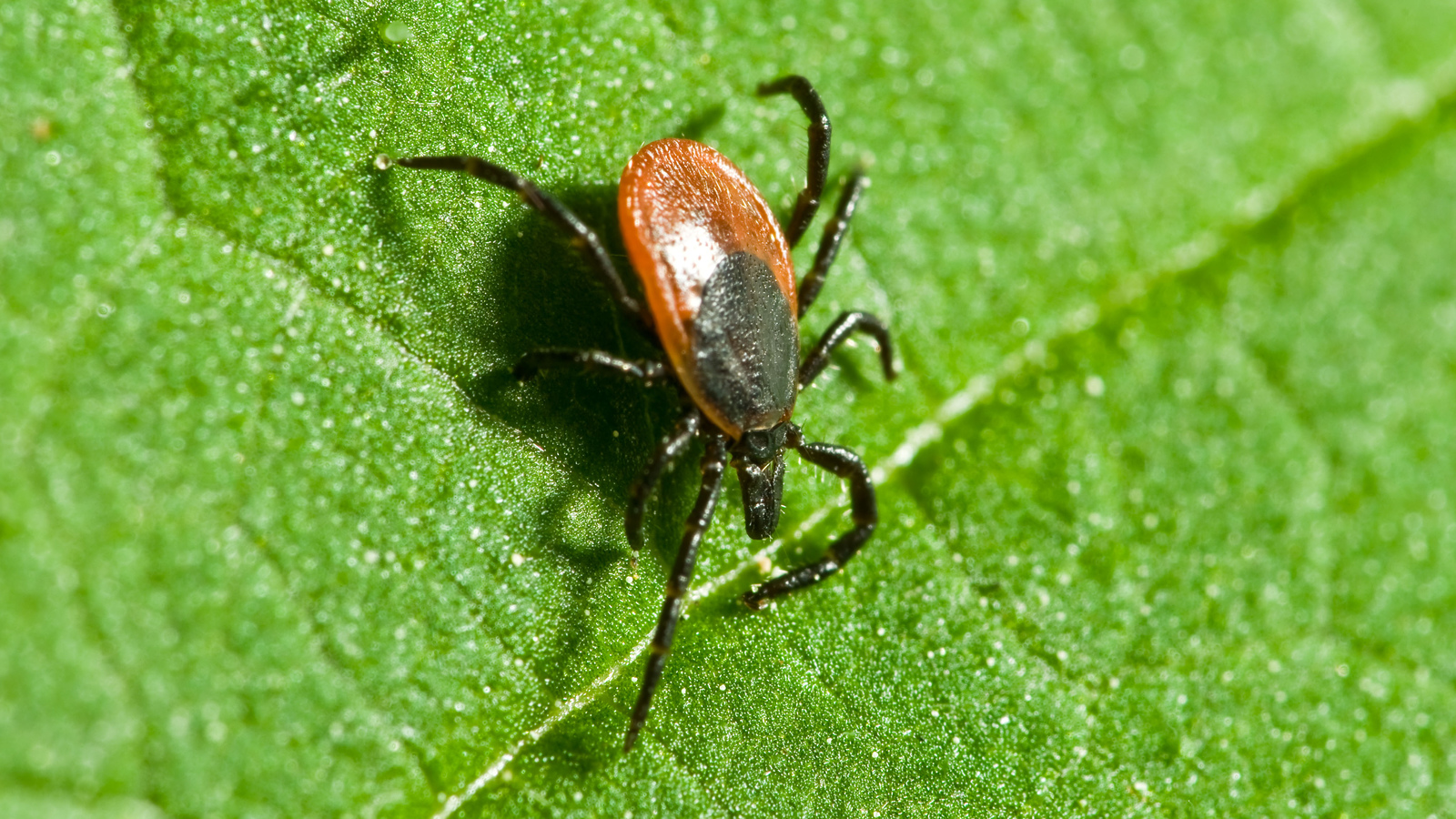
When warm weather arrives, dangerous parasites—ticks—come out hunting. Since they carry dangerous diseases, it's important to take precautions. If you don't want to resort to chemicals, you can try home remedies.
Content
Folk remedies for ticks
Folk remedies are designed to repel ticks; pests can only be destroyed with harsh chemicals. However, home remedies are safer for health, as they are non-toxic and rarely cause allergies (except in cases of individual sensitivity).
It is important to remember that folk remedies are not able to provide 100% protection against parasite bites. To avoid unpleasant consequences, you need to periodically (every hour or two) examine yourself and your children for ticks on your body.
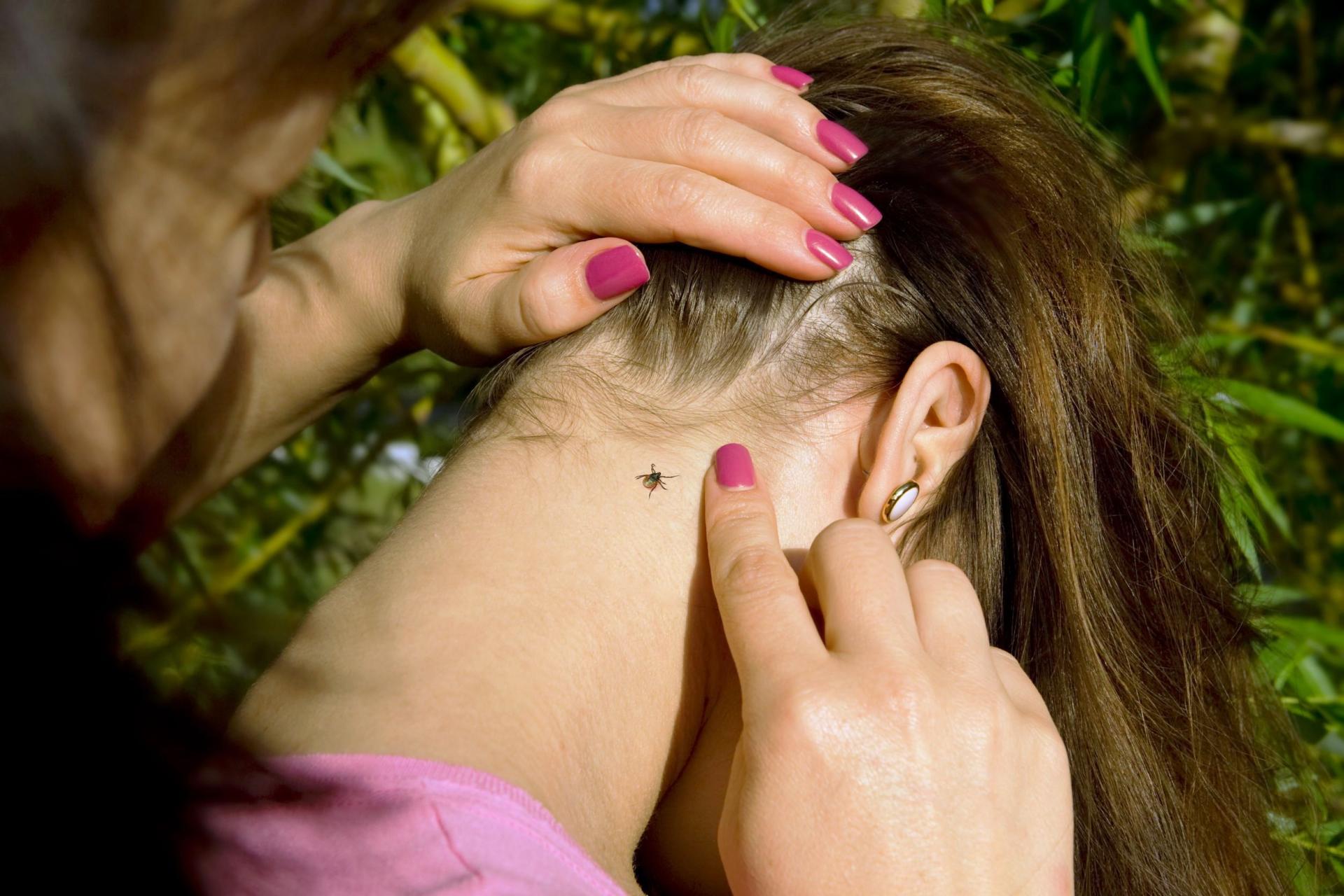
Most often, ticks bite the delicate skin in the armpits, groin, folds of the arms and legs, and the scalp.
All folk remedies are applied immediately before going outside. When spending a long time outdoors, clothing and exposed areas of the body should be treated every two hours, unless the prescription specifies a different frequency.
With essential oils
Essential oils are suitable for protection against ticks:
- geranium;
- palmarosa;
- carnation.
Less effective, but also suitable:
- eucalyptus;
- lavender;
- tea tree.

You can combine different essential oils to protect against ticks.
To achieve the desired effect, you need to choose high-quality oils, natural ones, not synthetic ones. They can be used to make an oil blend or spray. Essential oils can also be applied to the skin in their pure form, but this can cause skin irritation or allergies.
Recipe for oil mixture:
- Take 2 tablespoons of base oil (any vegetable oil).
- Mix with 15-25 drops of your chosen essential oil.
- Apply the resulting mixture to the skin; it can also be applied to clothing, but this will leave stubborn stains.
Aromatherapy oil spray recipe:
- Take 2 teaspoons of the chosen essential oil.
- Mix with 200 ml of water.
- Add a little alcohol or other emulsifier.
- Spray the mixture on yourself or your clothes.
Emulsifiers are substances that ensure the mixing of substances that do not readily interact, such as water and oil.
You can make a thick, cream-based tick repellent. To make it, mix 20 ml of regular cream (preferably baby cream or aloe vera cream), 20 ml of any vegetable oil, and 10 drops of essential oils. It's best to use 5 drops of each of the various essential oils.
With vinegar
Pure vinegar is not generally used to protect against ticks. It enhances the odors that repel parasites, so apple cider vinegar or table vinegar is added to mixtures of other ingredients.In principle, you can apply apple cider vinegar to exposed areas of the body, but it can cause irritation and burning on sensitive skin. It's best to dilute it.

Vinegar in recipes not only enhances the flavor of ingredients, but also helps them interact better.
Recipe with apple cider vinegar and Zvezdochka balm:
- Take 100 ml of vinegar.
- Add 400 ml of warm water to it.
- Add 20 ml of liquid soap.
- Add a little (at your discretion) of Zvezdochka balm to the resulting mixture.
- They spray the mixture on themselves and their loved ones.
You can replace the "Zvezdochka" with two drops of lavender essential oil. To reduce skin irritation, add 30 ml of aloe vera juice to the mixture.
There is another option:
- Grate 30 grams of soap (can be replaced with 50 ml of liquid soap).
- Add 15 grams of vinegar and 15 grams of water to it.
- Heat the mixture over very low heat, stirring occasionally. Turn off the heat before it boils.
- Add a drop of Zvezdochka balm to the still-warm mixture.
- Mix everything thoroughly.
- Use as liquid soap on exposed areas of the body.

The famous Vietnamese "Star" also repels mosquitoes and flies, and is also used to lubricate bites.
Recipe with mint oil and vinegar:
- Take 20 drops of mint essential oil.
- Add 3 teaspoons of vinegar (apple cider vinegar is best, but 5–6% table vinegar will do).
- Mix the ingredients.
- Add 3 teaspoons of warm water.
- Stir again; the mixture is ready for use.
- Spray yourself and your loved ones.
Recipe with table vinegar:
- Take a bottle of vinegar.
- Add a glass of water to it.
- Add 15 drops of eucalyptus or citrus essential oil to the diluted vinegar.
- Mix everything thoroughly.
- Spray on items and exposed areas of the body.
With tar
The tar smell repels ticks and other pests. To prevent tick attacks, it's recommended to tie wool threads soaked in tar around exposed parts of the body. You can also place rags soaked in tar in your pockets. It's not recommended to apply this solution directly to clothing, as tar stains are very difficult to remove.
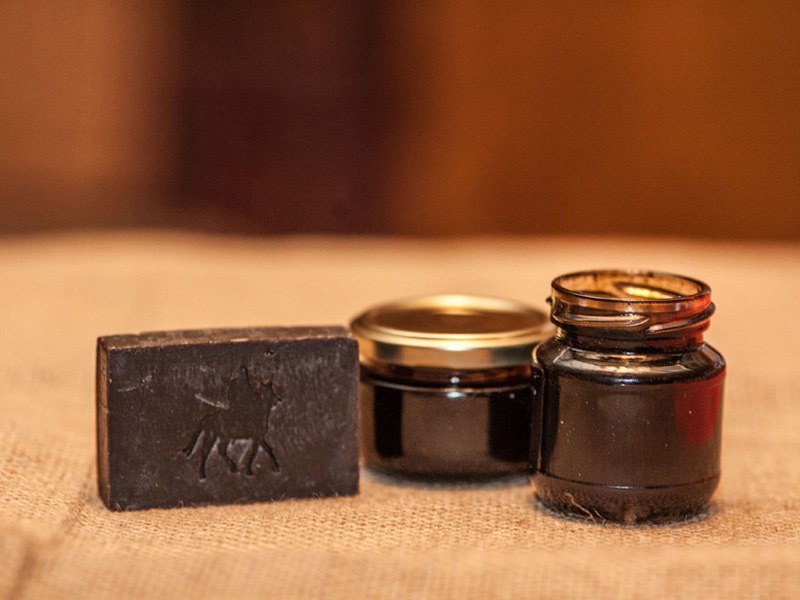
Tar is used against mosquitoes, midges, fleas, ticks and garden pests - ants, aphids, wireworms, onion flies, mole crickets
You can simply wash yourself with tar shampoo and soap—the pungent smell should repel ticks. However, it will quickly dissipate in the fresh air, so it's better to use a tar solution, which you can spray on yourself as needed:
- Take 350 grams of tar.
- Mix with a liter of warm water.
- Stir until smooth.
- Let the mixture steep for at least 9 hours.
- Store in a cool place, in a tightly closed glass container.
- Apply to exposed areas of the body.
If you don't have an intolerance to the tar smell, you can combine spraying with tar-soaked threads for greater effectiveness. To protect yourself from ticks while hiking, you can rub the solution onto your clothing; it may be difficult to repair, but the effect will be greater.
With vanilla
Vanillin is a well-known insect repellent and is often added to aerosols and sprays against blood-sucking parasites. But only pure vanillin is effective; vanilla sugar is not suitable due to its weak smell.
Vanilla-vodka tincture:
- Take 2 grams of vanillin and 100 ml of vodka (you can use a different amount, the main thing is to maintain the proportion of 1:50).
- Mix the ingredients thoroughly.
- Infuse the mixture for 7 days in a cool place.
- Spray exposed skin and clothing.
Vanilla alcohol:
- Take a packet of vanillin and a tablespoon of alcohol.
- Mix thoroughly.
- Store the mixture in a closed container for any time.
- Immediately before use, dilute with water (100 ml of water per teaspoon of mixture).
- Spray yourself and your loved ones.
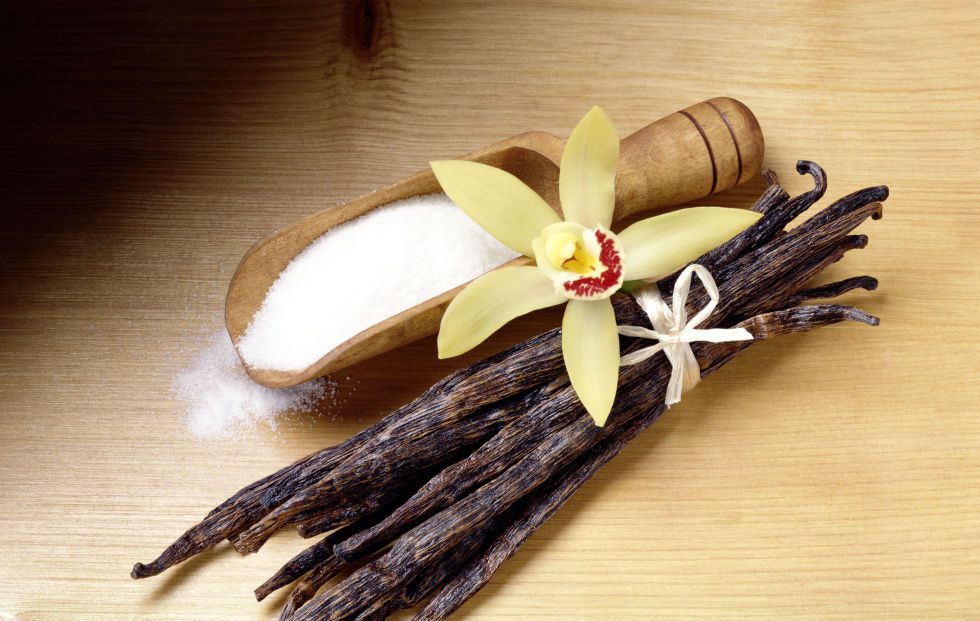
Vanillin is also used to protect against mosquitoes and midges.
Vanillin water solution: For children, pregnant women and people with sensitive skin, recipes based on vanillin that do not contain irritating components are suitable.
- Take 1-2 packets of vanillin.
- Dissolve in a glass of warm water.
- Stir until vanillin is completely dissolved.
- Spray on skin and clothing.
Cream with vanilla:
- Take vanillin and baby cream (in a ratio of 1:10).
- Apply the composition to exposed areas of the body.
- The cream and water solution evaporate quickly, so they should be applied every hour.
With garlic
Ticks hate the smell of garlic, and it also repels mosquitoes. It can be consumed orally, unless contraindicated. This will also kill many pathogenic microbes in the body, as garlic has antiseptic and antibacterial properties. However, a more reliable method of protecting against ticks is to spray a garlic tincture on your body and clothing.

Garlic contains zinc, selenium and vitamin C, which increase the body's defenses.
Garlic tincture:
- Take a head of garlic.
- Crush it in a mortar or use a special press.
- Pour in half a glass of vodka or alcohol diluted with water (in a 1:1 ratio).
- Infuse the mixture for a week in a dark place.
- Strain the tincture before use.
Do not apply undiluted garlic juice to your body, as this may cause burns.
Anti-tick cologne
As a homemade repellent, you can use a mixture of cheap, strong-smelling cologne (Triple, Chypre, Carnation, etc.) and valerian drops.
- Take a tablespoon of cologne.
- Add 15 drops of valerian alcohol tincture.
- Mix thoroughly.
- Apply the composition to exposed areas of the body with a gauze or cotton swab.
Herbal decoctions and infusions
Cloves and bay leaf decoctions are easy to make, and these spices are inexpensive and readily available. And if you have geranium growing at home, you can make a tincture from it. Ticks dislike the scents of these plants.
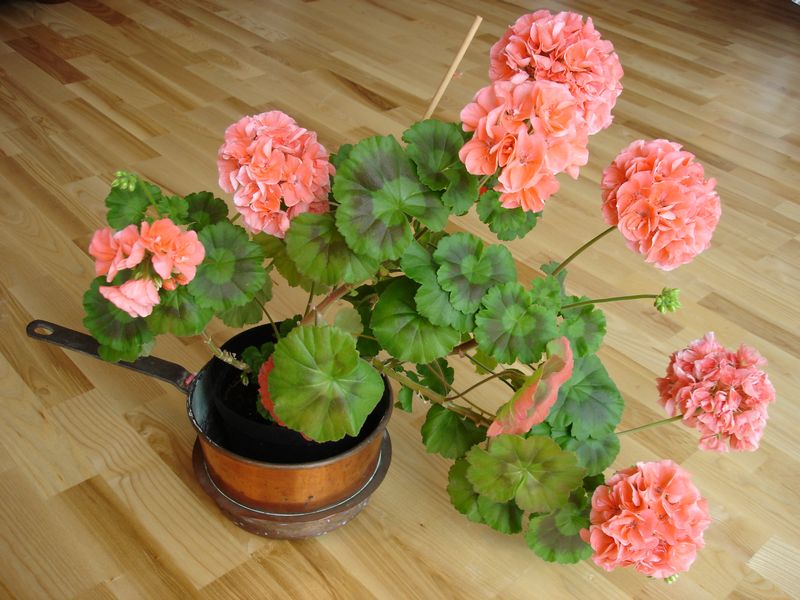
House geranium can be used as part of an anti-mite product, and it also purifies indoor air from bacteria.
Clove decoction
- Pour a glass of water over a spoonful of clove seasoning (it is sold in grocery stores).
- Bring the mixture to a boil.
- Infuse for 10 hours.
- Strain before use.
- Spray the decoction on your body and clothes.
Bay leaf decoction
- Take five bay leaves (more is possible) per 200 ml of water.
- Bring the mixture to a boil.
- Boil for 10 minutes.
- Let it brew until the mixture cools.
- Spray the resulting mixture onto the clothes.
Geranium infusion:
- Take 5-6 leaves of the plant.
- Mash until mushy or grind in a blender.
- Pour half a glass of boiling water.
- Infuse in a closed container until completely cool.
- Spray the resulting solution onto clothes.
Contraindications and precautions
The main contraindication is individual intolerance to the ingredients. To ensure safety, it is advisable to conduct a sensitivity test before using any folk or chemical tick repellent:
- Apply the product to clean skin of the wrist or elbow.
- Wait a while. A definitive conclusion about the absence of intolerance can be made within 24 hours if there are no adverse reactions.
- If symptoms such as itching, irritation, persistent redness, acne, or similar occur at the site of application, discontinue use. It's best to choose a different product to avoid any potential health risks.
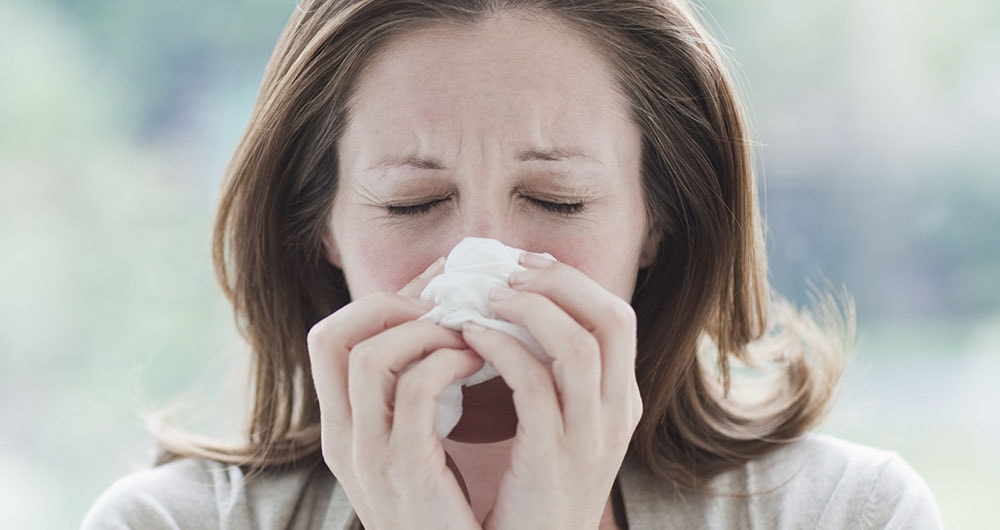
In addition to skin reactions, intolerance to the product may manifest itself as sneezing or swelling of the eyes, and in rare severe cases, difficulty breathing.
Asthmatics and people prone to allergies are more likely to experience an individual intolerance reaction. When using any purchased or self-prepared remedy, they must have their usual medications with them.
All chemical acaricides are toxic to varying degrees. Even tick repellents labeled "for children" should not be used on children under one year of age. It's best to start using them no earlier than three years of age.
Small children should not use products containing vinegar or alcohol, or those with strong odors. This also applies to pregnant women.
There are other precautions:
- All prepared products must be kept out of the reach of children and prevented from coming into contact with eyes or being swallowed.
- To avoid damaging your clothes while using tick protection, remember that vinegar-containing products can damage plastic or synthetic clothing. The solution is to wear clothes made of natural fabrics or those you don't mind damaging.
- If the product contains oils, it will leave stubborn greasy stains on fabrics. To avoid unpleasant consequences, such mixtures should be sprayed directly onto the body, not onto clothing.
Reviews
If you're going mushroom picking or fishing, tie woolen ropes soaked in birch tar around your legs, over your clothes, your arms, and your head. This will keep ticks out. It's best to soak the ropes beforehand and let them dry to avoid completely staining your clothes.
My mother always rubbed me with a vanillin solution before going into the forest.
The only surefire way to prevent ticks is to check yourself regularly, every 2-3-4 hours (depending on the number, activity, and danger of ticks in a given area). A tick first crawls, then begins to bite, and during this time, it's not yet dangerous in terms of infection.
On the skin, I apply a mixture of concentrated essential oils: tea tree + juniper + (one of the available ones – geranium, eucalyptus, lavender). On a multi-day wild (in very sparsely populated areas) hike, in the morning I smear myself with yesterday's campfire ashes (not soot) – then even oils are generally unnecessary.
There are many folk remedies you can use to make tick repellents at home. While they won't completely protect you from tick attacks, they do reduce your chances of getting one. Don't forget about other protective measures, too, such as regular body inspections and wearing protective clothing.