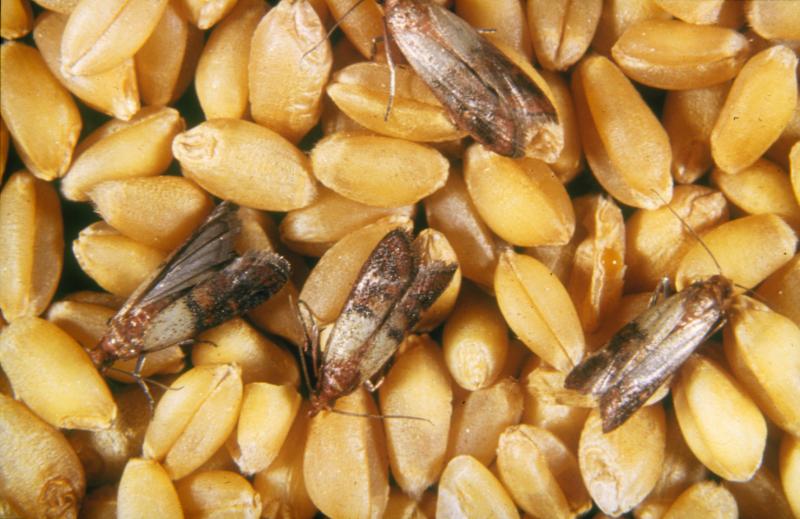
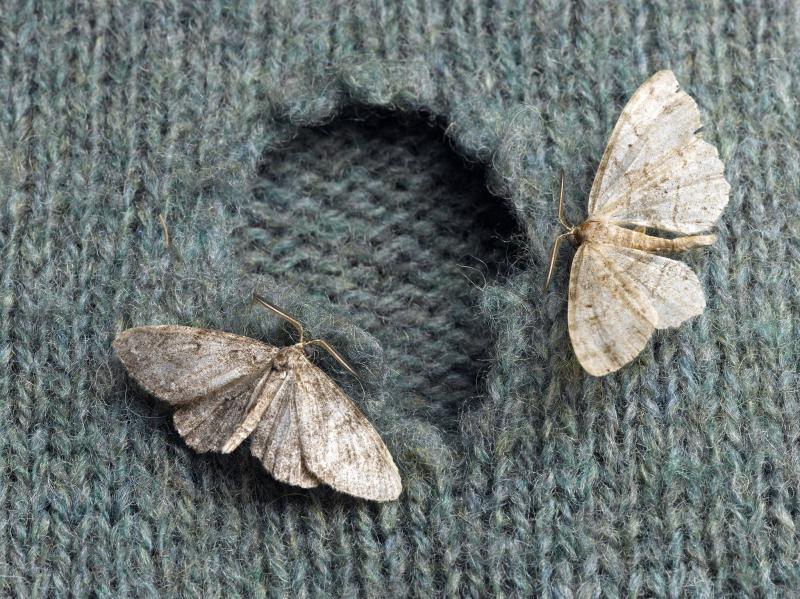
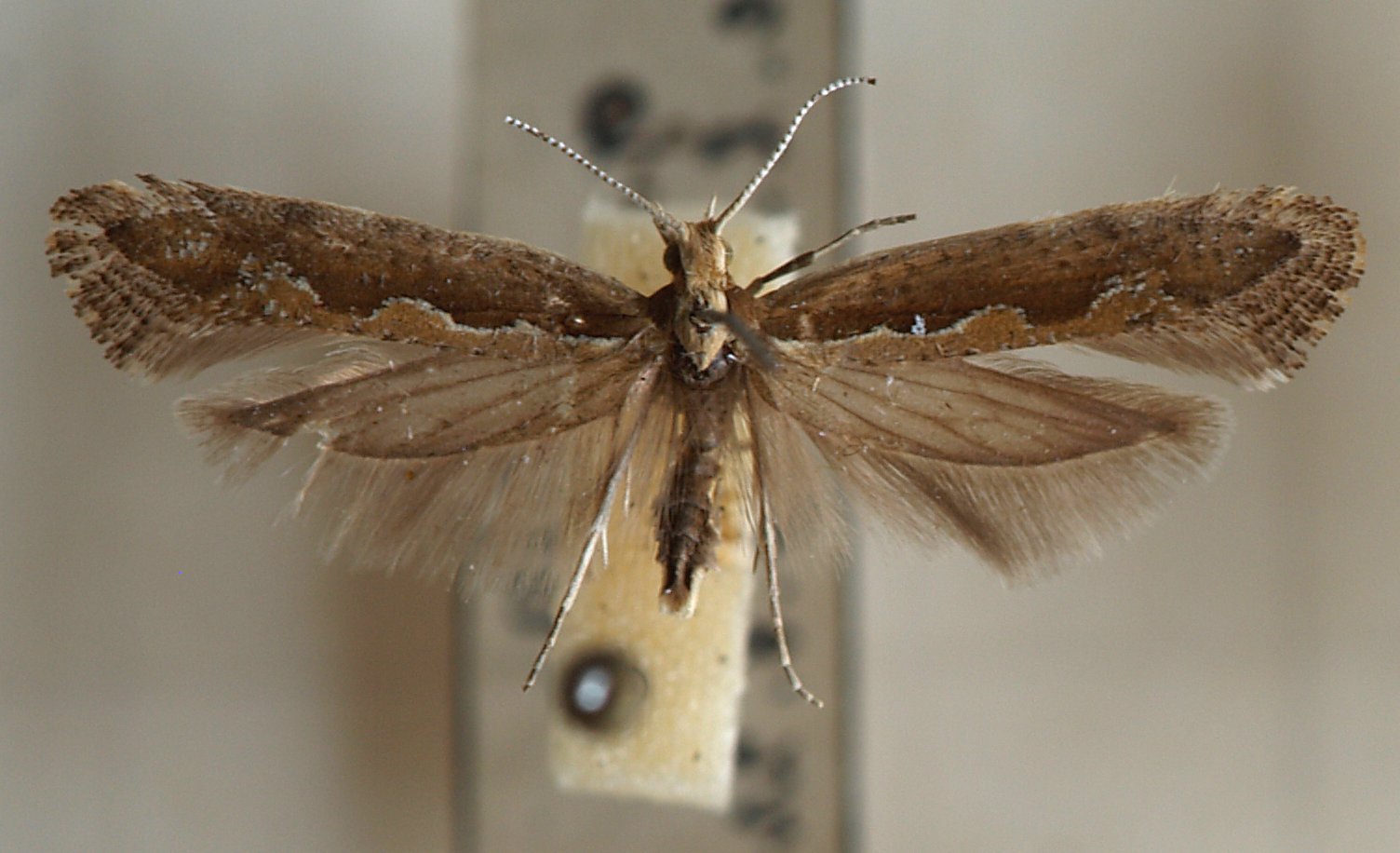
Among the small insects that damage personal belongings and disrupt your daily life, moths deserve special attention. These small, seemingly harmless creatures from the butterfly family can appear in any home or apartment. However, appearances, as we know, can often be deceiving. Despite their small size and seemingly harmless to human health, these insects can cause irreparable damage to beloved items of clothing and spoil food.
Content
How to deal with house moths
Of the 30 known species of moths, only a few are known to inhabit houses and apartments. These insects are collectively known as "room moths," which include clothes moths and food moths. It's difficult to determine the specific pest species in a home by appearance, but damaged clothing, furniture, or food items will be a clue. It's important to note that simply swatting the insect fluttering around the room won't solve the problem, as female moths produce numerous larvae, which quickly produce new, voracious offspring. Therefore, control measures must target both adults and larvae.
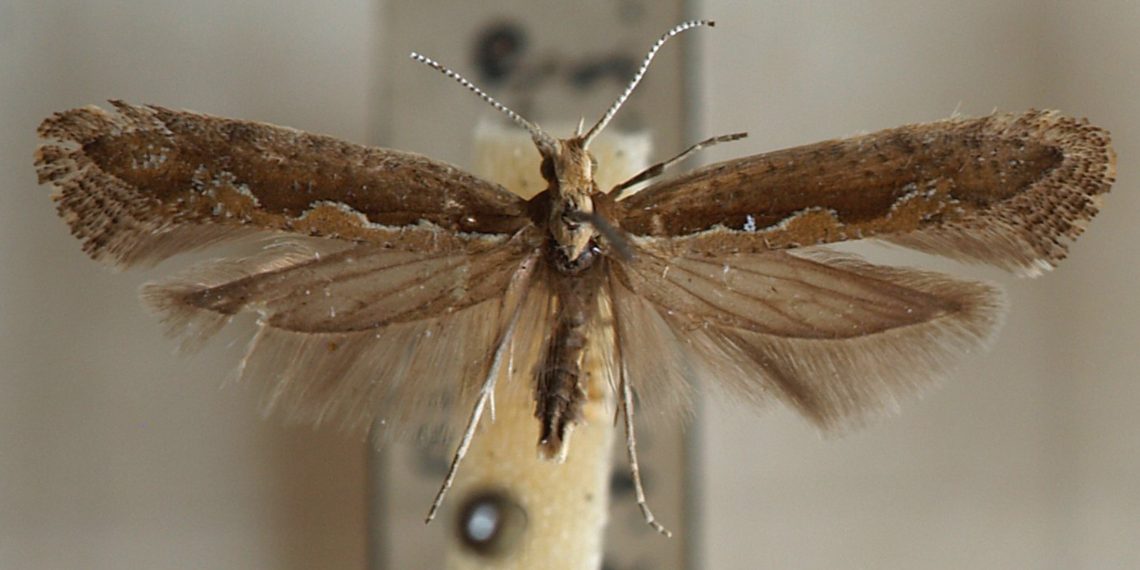
The house moth is one of the most well-known household pests.
Moth eggs are very small, no more than 5 mm in size, making them virtually impossible to detect with the naked eye. Under favorable conditions (high humidity and a temperature of 25–30 degrees Celsius), the eggs hatch into larvae—translucent caterpillars with a dark head and six pairs of legs—in just seven days. Initially, the caterpillars are only 1 mm long, but adults can reach 1–2 cm.
Depending on where the pest larvae are localized, clothes moths are also divided into wool, fur and furniture moths. The presence of this type of moth can be identified by the following signs:
- Bald spots on fur and felt products;
- Holes in clothes made of wool, down and other natural materials;
- Small cocoons resembling oblong pellets;
- Damage to furniture and carpets in the form of mini-tunnels.
The clothes moth's coveted prey is the protein keratin, which is found in derivatives of the skin's epidermis - hair, feathers, down, and wool.
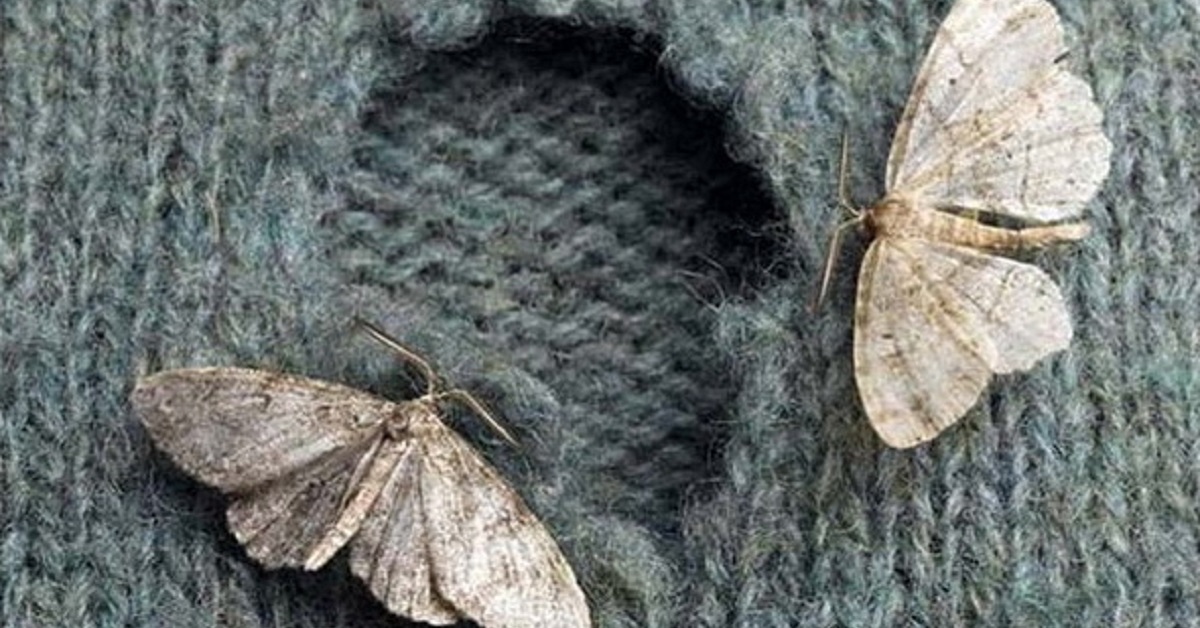
Clothes moths feed on keratin found in natural materials.
Pantry moths inhabit only kitchens and other areas where food is stored. You can tell if these winged pests are present in your home if:
- Fine grain or flour contains lumps and/or grains stuck together like a web;
- Insect-eaten passages and moth excrement are visible in the products;
- Shed skins of larvae are found in food packaging or food cabinets.
The following products are most often attacked by food moths:
- Flour;
- Cereals;
- Pasta;
- Cookie;
- Candies;
- Nuts;
- Dried fruits;
- Seeds.
This choice can be explained by the voracious insects' love of carbohydrates. Moreover, the pests' jaws are very strong, so even hard food shells are no obstacle.
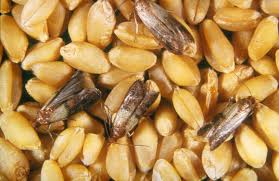
The most common source of food moths in the home is contaminated cereal from the store.
What should you do if you see signs of moth infestation in your home or apartment? Below, we'll look at the main methods for dealing with house moths.
Folk remedies
Most advice from experts is ineffective against moth larvae and is more recommended for repelling or killing adult moths, so it's best to combine it with more effective chemical treatments.
Winged insects are repelled by strong odors, which is why the following can be placed in known or suspected pest habitats:
- Bunches of dried lavender or bags with the same herb;
- Fresh citrus peel;
- Dried or fresh tobacco leaves;
- Pelargonium (geranium) leaves;
- Laundry or any other soap with a strong aroma (in the form of shavings in bags or in pieces).

The most popular folk remedy for moths is aromatic lavender.

User reviews
I bought some dried lavender, put it in the closets, and the moths disappeared. I didn't do this in another room - moths periodically fly out from somewhere.
Horse chestnut seems to help, but I don't know how effective it is or how to use it. As for lavender, it's worth a try. Orange peels didn't help me at all, though.
Garlic helps against both food moths and other moths (like those in closets). Just peel a few cloves of garlic and place them in the areas you want to keep them out. Of course, you should throw out any spoiled food and clothes first. Wash everything, and then add the garlic.
Lavender (clove, lemon) essential oil - drop a couple of drops on a napkin and put the napkin in the cupboard where you keep your cereal - that's what I do, it helps...
After cleaning out infested grains, wipe down kitchen cabinets where moths have infested with apple cider vinegar diluted in water. Wipe down periodically as a preventative measure.
...personally, I use bay leaves. They need to be changed periodically. Just put them in the jar with the food (mushrooms, dried fruit, berries, grains, etc.). It won't fit in from the outside, anyway. And if it's store-bought, it's best to throw the bag away right away.
A friend had moths living in her fish food. My grandmother, before storing her winter shoes, stuffs them tightly with newspapers. She also stores her fur hats wrapped in newspapers. She says she's never had any moths.
As the above mentioned products lose their rich aroma, they should be replaced with fresher ones.
Folk remedies also include heat treatment of clothes moth-infested items of clothing or furniture. This process involves killing the pest using very high or, conversely, very low temperatures:
- Cooling. Place clothing or other items showing signs of moth infestation outside; the air temperature should be at least 3 degrees below zero. The lower the temperature, the faster the moth larvae will die. For example, at -20 degrees Celsius, voracious caterpillars and adults die in just a few hours. At lower temperatures, items will need to be cooled for 1-3 days to a week. It's important to note that the time it takes to kill the moth also depends on the material of the item being saved and the speed of the cold air flowing into it.
- Heating. A method popular in the southern regions of Russia and Central Asia. Items containing moth larvae are placed so that they are well-heated by sunlight. For example, at a temperature of 53 degrees Celsius, the larvae die within 15 minutes, at 43 degrees Celsius, within 30 minutes, and so on.
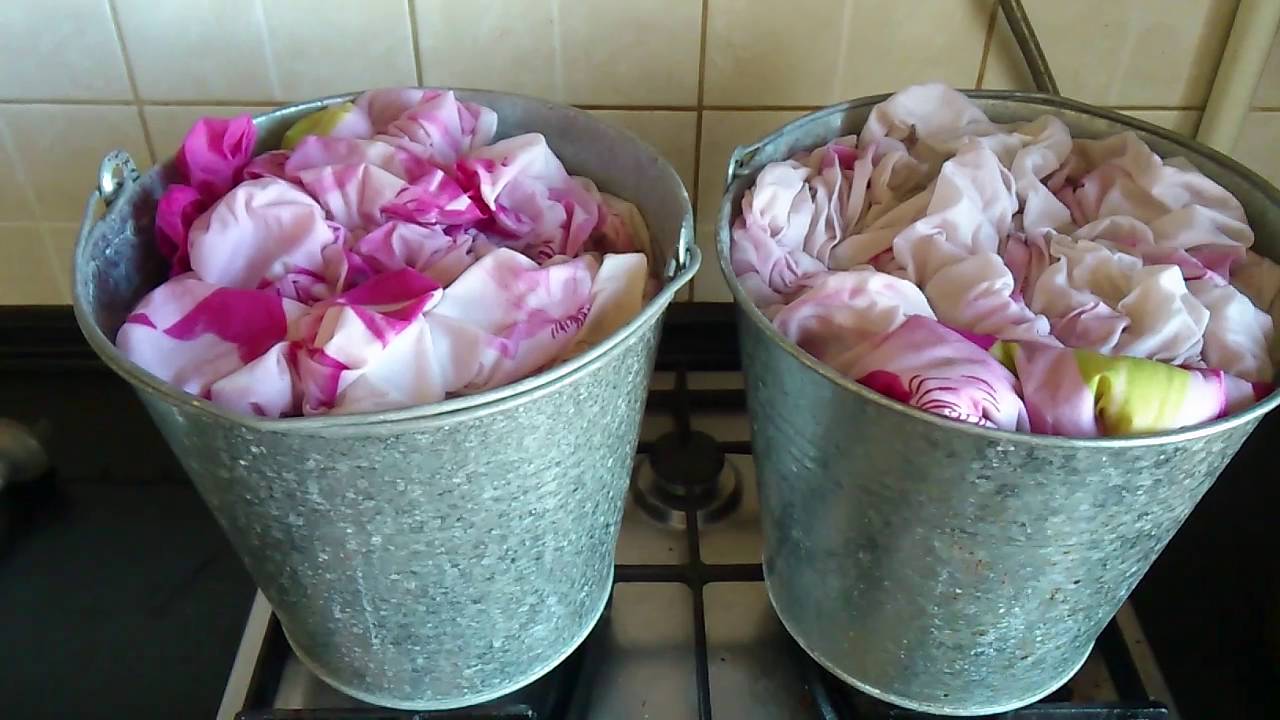
- Boiling. Small items can be boiled; this will also kill insect eggs and larvae. Before boiling, it's important to check the manufacturer's instructions on the maximum wash temperatures for a particular item.
A guaranteed way to kill moth eggs and larvae is to boil the infested items.
Reviews
I don't know, we got rid of this infestation very easily. Of course, we threw out all the infested grains, and then thoroughly froze the house, at -15 degrees outside. There are no more moths.
I was absolutely tormented by moths in my previous apartment. They were everywhere—in all the cereals, noodles, and flour, in shoes and clothes. They even ate bags; nothing bothered them. It was only the frost that really helped. Before moving, I put everything out on the balcony, and when we moved into the new apartment, I also initially stored everything on the balcony.
If you discover a food moth infestation, the first step is to conduct a complete inventory of all available food products. Infested items should be discarded in the trash, and the package should be removed from the home as quickly as possible. If grain shows only minor signs of infestation, it can be sifted, poured into a baking tray, and dried in the oven at 70 degrees Celsius (158 degrees Fahrenheit) for 30-40 minutes. To remove any eggs or larvae that may be present in kitchen cabinets, use specialized insecticides, which will be discussed below. As a preventative measure, to repel females, which may leave offspring in the kitchen again, you can use the same remedies used to control adult clothes moths: lavender, geranium, tobacco, and so on.
Chemistry against moths
The most effective and affordable means of fighting pests at home are modern chemicals, which can be purchased in specialized stores and regular supermarkets.
- Aerosols. High effectiveness and ease of use make these products very popular. Aerosols' high effectiveness is achieved through powerful toxic substances that are lethal to moths at all stages of their development. On average, the effect of these products lasts for 6-12 months. They can be used to control both clothes moths and food moths, although the latter should never come into contact with food.
- Sprays. These differ from aerosols in the way they deliver the substance—the sprayed insecticide particles are larger and have a dispenser. They are excellent at killing moth eggs, larvae, and butterflies. They are easy to spray, allowing you to treat large areas in a short period of time. Their effectiveness lasts from several weeks to six months.
- Fumigators. These small, mains-powered devices, consuming minimal electricity, vaporize an insecticide that kills moths. You can purchase special refills or a liquid moth fumigator bottle. The downside of this method is that it requires longer application—it can take anywhere from 2-3 days to several weeks to kill the pest.
- Tablets and sheets. The downside of these products is their short lifespan, but if used up, the moth larvae die and the adults lose their desire to re-infest closets.
User reviews
I usually win the war against clothes moths with store-bought remedies. Last fall, I had a long battle with food moths. I finally found the "source"—a bag of wheat (my husband had a thing for eating sprouted wheat). Since then, the moths haven't bothered me!
They sell moth repellents in the open space. I think they'll be available in other hypermarkets too. We bought some just a couple of weeks ago. The moths were still scurrying around the kitchen for three or four days, but now I've forgotten it like it was a bad dream. We clapped our hands and went through things and food for a couple of years. Even moving to a new apartment didn't help. We successfully threw out the winter boots. Now everything is clean. I recommend placing these repellents throughout the apartment. One package is enough.
Orange peels, fresh or dry, won't help. I used Raptor moth spray. It's handy, and orange peels were used as a preventative measure.
I hang Maskitol tablets in my closet and put them on every shelf. Cheap tablets give me a splitting headache, but these are fine. But it's best to air out all woolen clothes in the cold before using them. Ideally, store them on the balcony during the winter.
By the way, we got rid of the moths. I think the Raptor helped the most (it repels not only flying moths, but also their larvae). I cleaned my shoes and fur coat after the treatment.
We used Reefer-Galler spray. It was quite effective. And we used sticky traps at Grandma's. They worked just as well.
Gallery: Modern chemicals for fighting moths in the home
-
- Armol aerosol has a detrimental effect on moth eggs, larvae and butterflies.
-
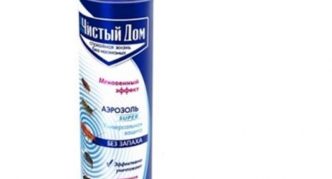
- Clean Home Aerosol with a pleasant smell of freshly cut grass is suitable for treating furniture and carpets
-
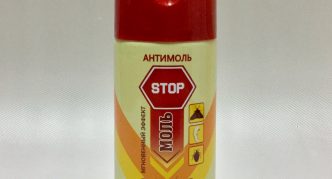
- Stop-Mol aerosol kills moth larvae and butterflies and carpet beetles.
-
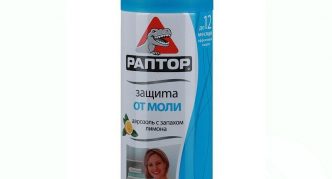
- Raptor spray is one of the most famous modern products
-
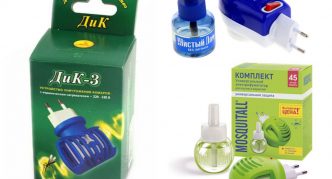
- The DiK-6 Universal fumigator will help in the fight against any flying parasites.
-
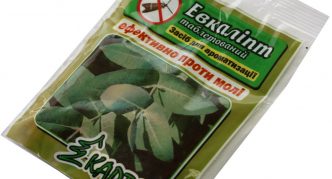
- Kartas tablets with natural essential oil repel pests, scent clothes and have antiseptic properties.
-
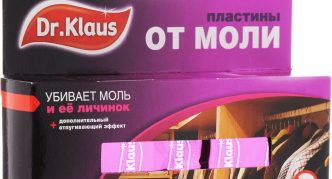
- Dr. Klaus moth repellent plates repel and destroy moths
-
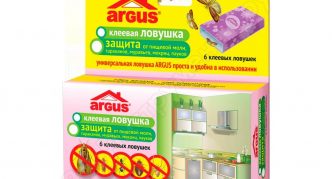
- The ARGUS glue trap is great for fighting moths in any corner of your home.
Traps and repellents
In addition to chemicals and folk remedies, there are several other effective ways to eliminate harmful insects in your home:
- Sticky traps. These are especially useful for dealing with food moths, as they are non-toxic and odorless. The sticky plates (rubber and natural resins) attract insects with pheromones.
- Electronic traps. Attracted by ultraviolet rays, adult insects enter the device and are instantly killed by a high-voltage discharge. These devices are environmentally friendly and safe for humans;
- Ultrasonic repellents. They generate ultrasonic waves that repel various insects, including moths. They are safe to use and have a long lifespan.
The downside of such products is that they only control adult winged pests, so they are used only for prevention.
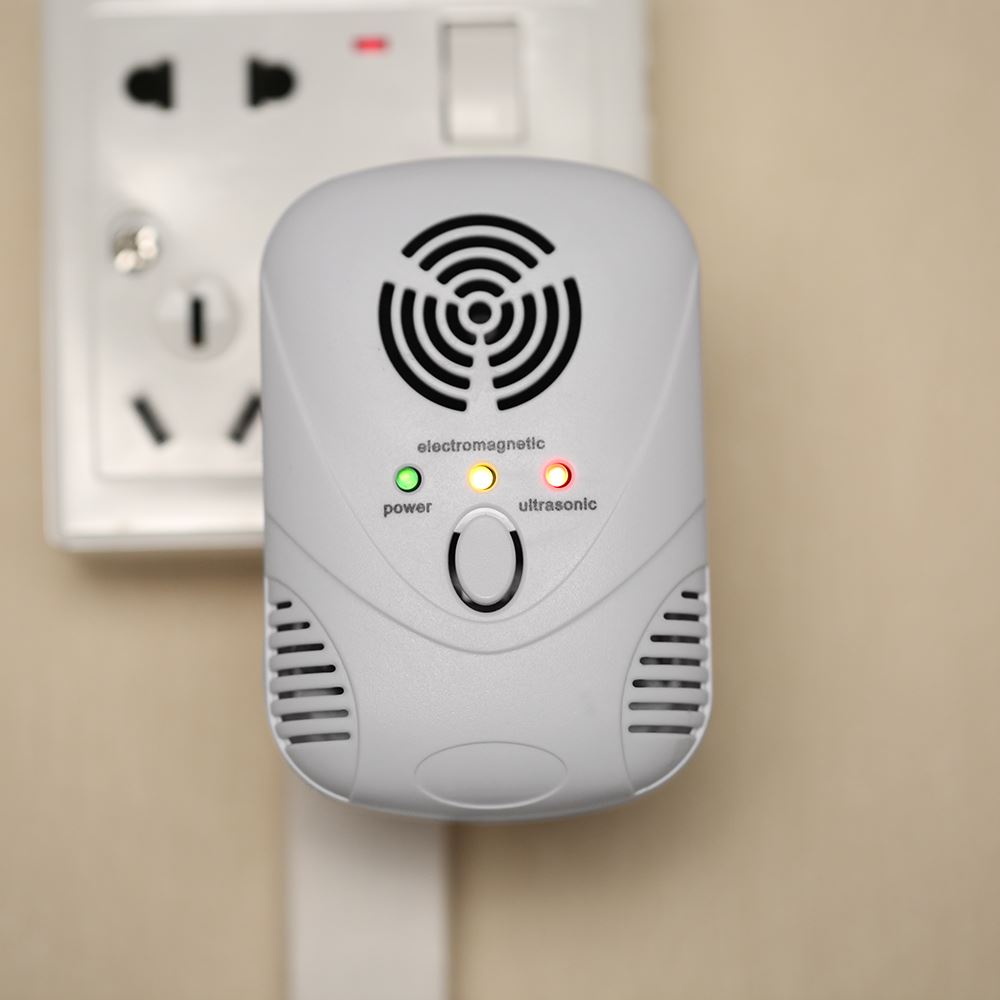
Electronic repellents are an excellent means of preventing and getting rid of adult moths.
User reviews
There are some very good German moth traps, odorless, for both food and clothing moths. Moths are attracted by the scent (like pheromones) and stick.
Sticky moth tape is very helpful. It's the same as fly tape, but with a picture of a moth on it. Hang it on the side of your closet so it doesn't spoil the look or get in the way. It gives off a scent, and moths, including all the ones in your apartment, simply fly to it. I've personally tested this!
Professionals enter the fray
If none of the above methods have produced the desired effect, and moths continue to attack your home, the only reliable solution is to contact professional services. Specially trained staff from sanitary and epidemiological stations or private firms can provide high-quality pest control in your home or apartment. In most cases, after one professional treatment by true experts, you can breathe a sigh of relief and forget about the winged pest. Pest control takes from half an hour to 1.5–2 hours. Experienced pest controllers will not only treat the identified pest locations but also address the most likely "hidden hiding places" of the moths, including possible entry points from outside.
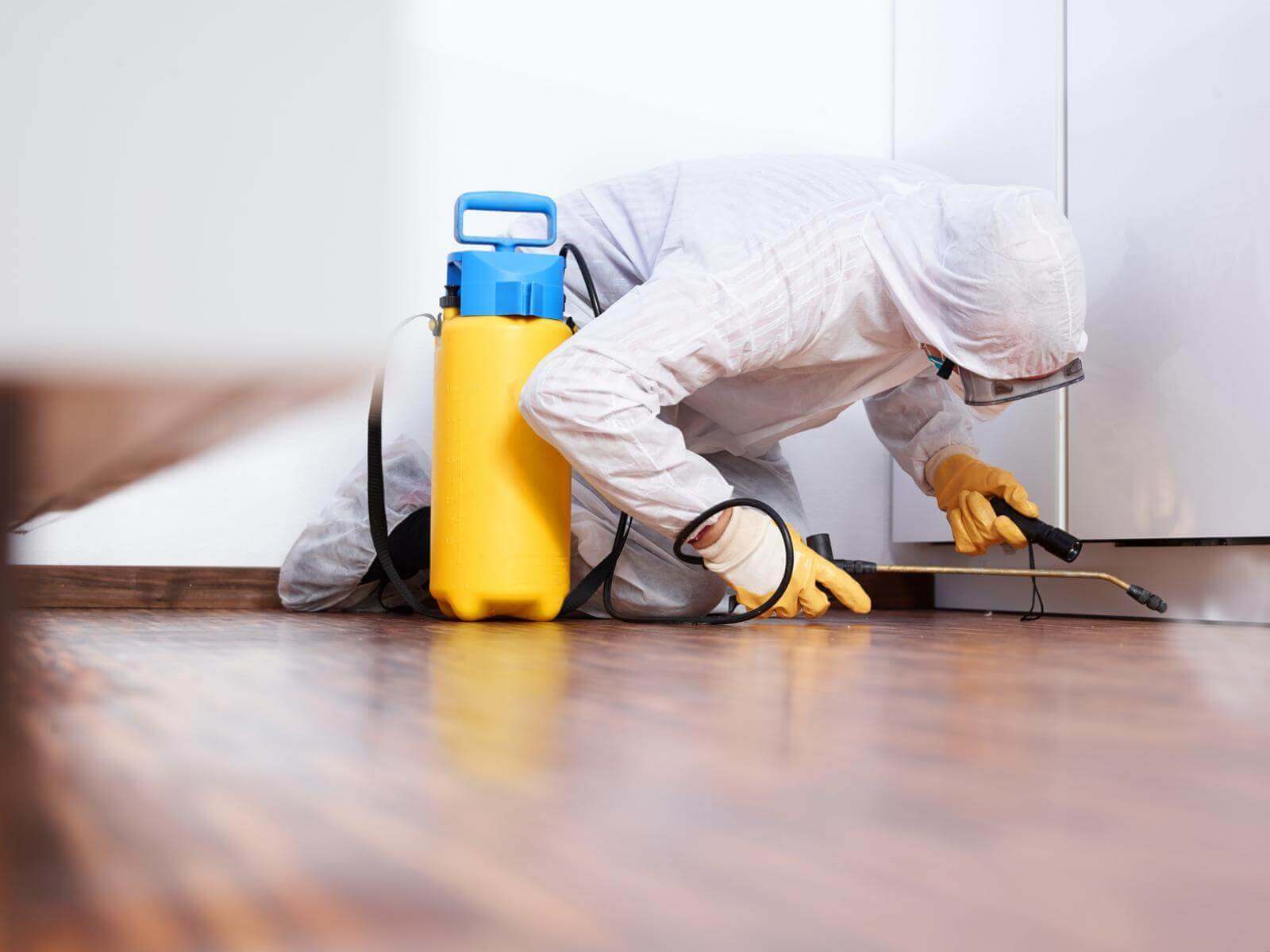
Experienced workers know all the "hiding places" of winged enemies and do not leave them a chance
Advice: When choosing a private company to disinfect your home, be sure to sign a contract and carefully read everything you sign. There are many scammers who can trick you into paying them without actually cleaning your home or apartment. By spending a little time researching reputable services, you can get rid of moths in your home without worrying about your health, saving money, and avoiding stress.
Prevention
A moth infestation in the home is harmless, but it can cause a lot of frustration due to damaged items and food. Getting rid of these pests takes a significant amount of time, effort, and money. It's best to take steps to prevent these winged pests from invading your home. Everyone can follow these simple preventative measures:
- Before placing a product in your cart and heading to the checkout, carefully inspect it for food moth infestation;
- Store food in the refrigerator or in airtight containers;
- Do not purchase used furniture and clothing unless you are sure that the items were previously kept in good sanitary and hygienic conditions;
- Before trying on new items of clothing, wash them at the maximum temperatures indicated on the manufacturer's labels;
- Air out your clothes periodically, choosing frosty, hot or simply sunny days;
- To repel moths, use scented sachets in cabinets, glue traps in the kitchen, and electronic devices anywhere in the home.
Public opinion
I used the harshest chemicals at one point, but nothing worked. They just stink, and moths don't care. Moths thrive where there are clothes that aren't worn, just lying around. Moths don't eat things that are worn regularly. So, you need to throw out the clothes you don't need, wear the ones you do need, and in the off-season, air them out and take them out of the closet.
There are these lavender clothes covers. They're very convenient and keep moths away. It's great to hide winter clothes in them—they keep the moths out and keep them neatly hung up for the next season. I bought two of these packs, and now I'm so happy with the scent in my closet—I really like it. There haven't been any moths yet, thank goodness.
I store cereals only in tightly sealed jars with metal lids. Even if something gets into one batch, I throw it out immediately to prevent the infection from spreading throughout the kitchen.
The presence of moths in a house or apartment is an unpleasant and fairly common occurrence. If you've encountered this problem, don't be discouraged, as there are many pest control methods available these days. Perhaps you've already experienced this ordeal and would like to share your experience? Be sure to do so by leaving a comment below. May your home be cozy!