Domesticated predators have rightfully taken their place in human life: cats are associated with many beliefs, songs, books, and even... names are dedicated to them.
Catnip
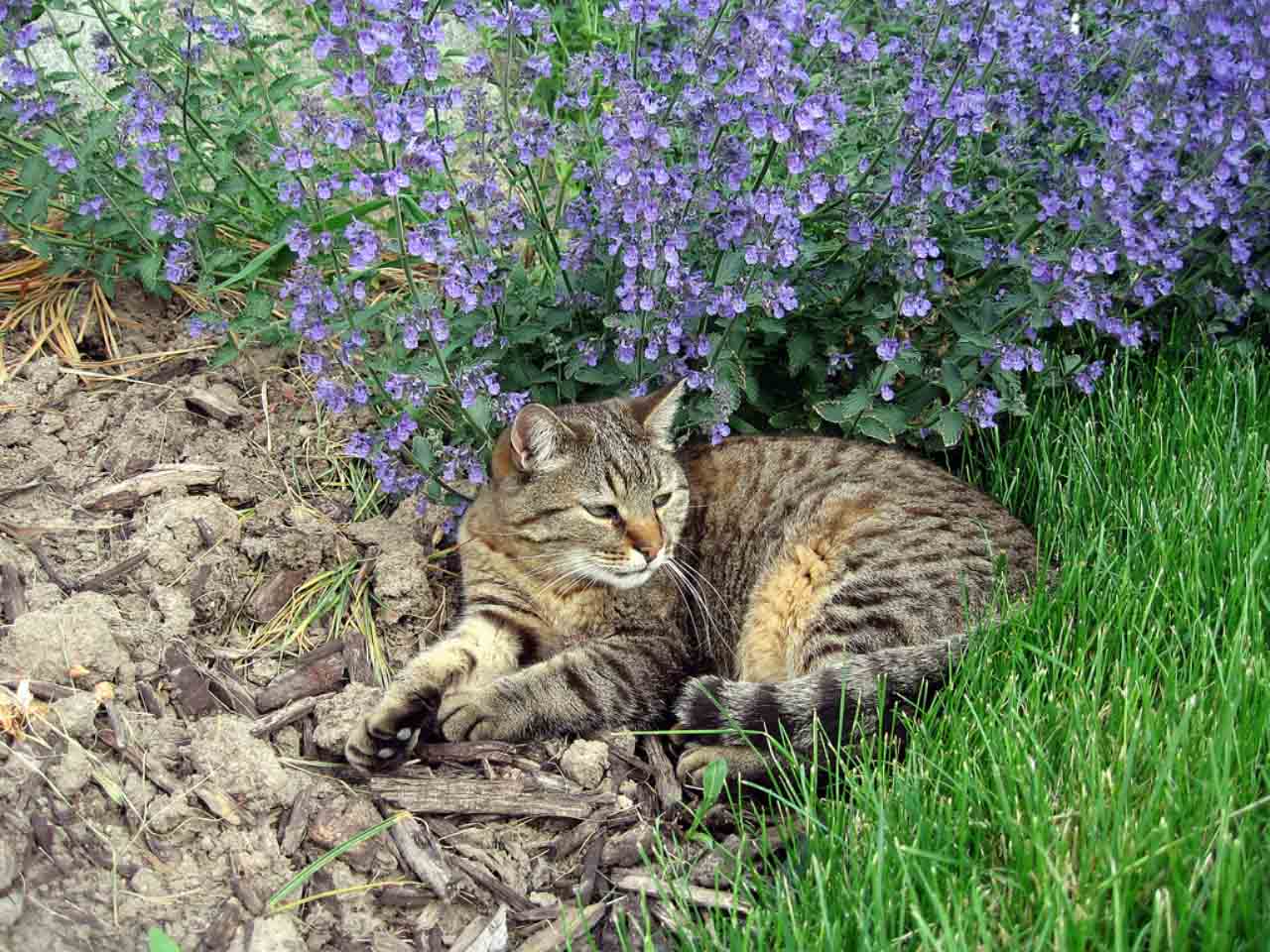
"Catnip" is a popular name for not one, but three different plants: Nepeta cataria, Nepeta nigra, and Nepeta nigra. All these aromatic herbs belong to the mint family, Lamiaceae.
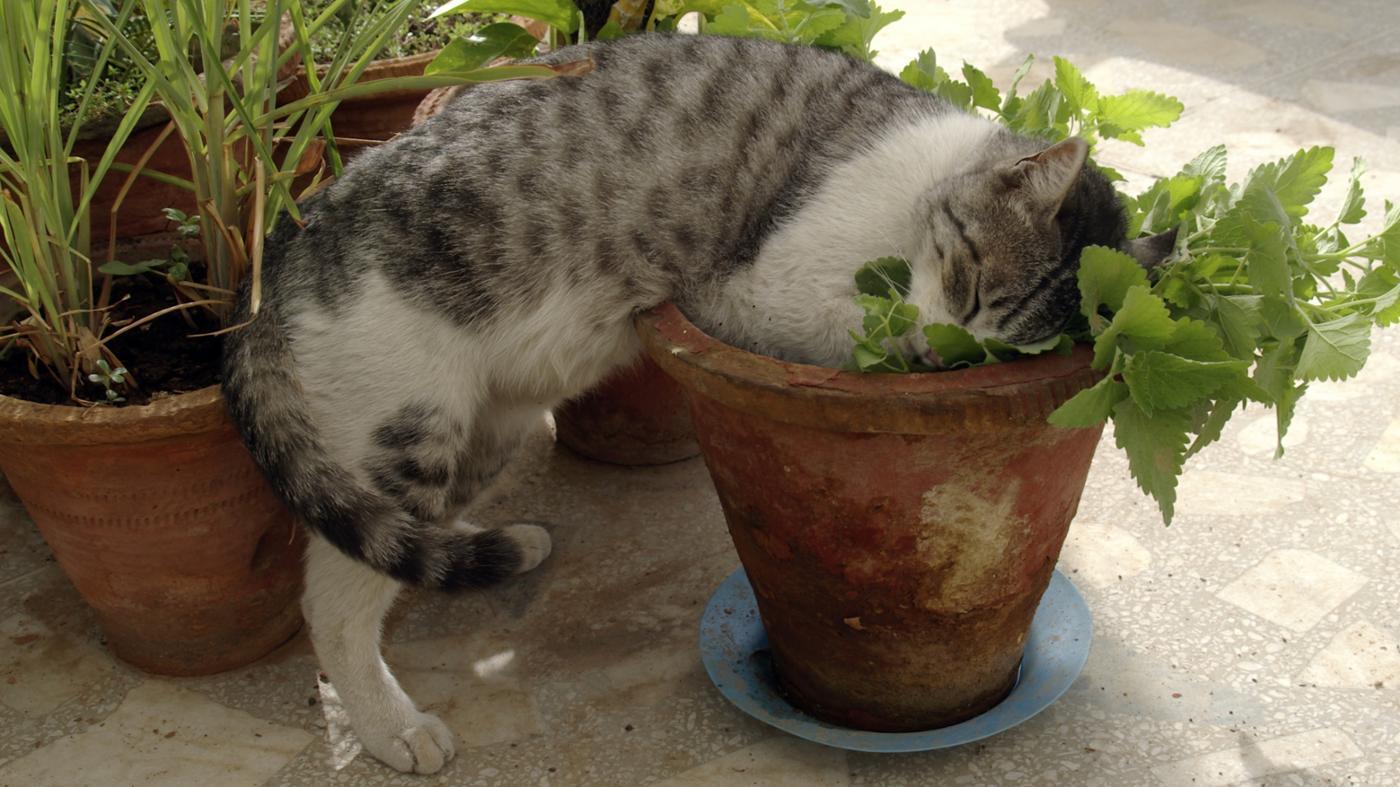
Catnip produces essential oils with a distinctive lemony aroma that cats love. Incidentally, this distinctive scent is not only attractive to cats, but also to wild animals. Even small amounts of the essential oil nepetalactone have a stimulating effect on cats. Finding themselves near a catnip plant, the normally placid animal suddenly loses its composure. At some point, the cat begins nibbling on the pleasantly scented stems, then shakes its head, purrs loudly, and begins rolling on the ground. This "intoxication" lasts about 10 minutes. After 20 minutes, the cat comes to its senses.
Scientists explain this reaction to the plant by the presence of an autosomal gene in feline DNA. Interestingly, the seductive hallucinogen has no effect on kittens under six weeks old.
Cat's claw
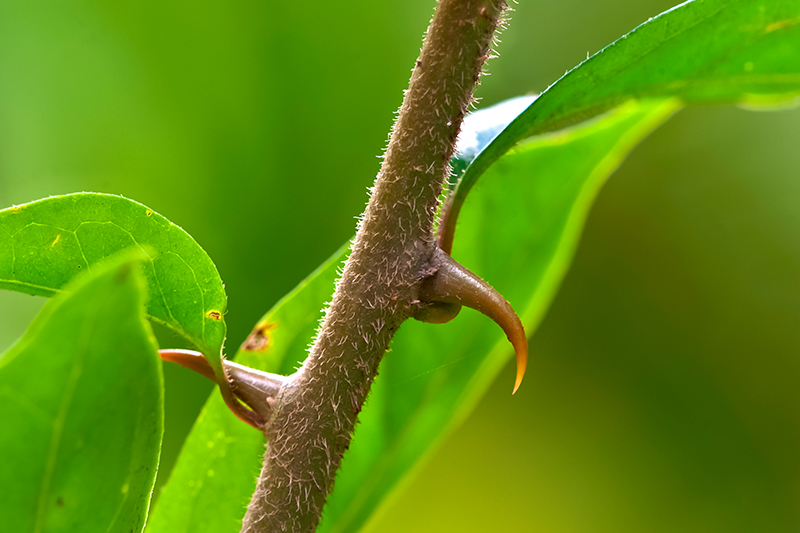
This tropical woody vine of the Rubiaceae family is nicknamed "cat's claw" due to its characteristically shaped, spiky, thorny growths. The flexible stem of Uncaria tomentosa uses these "claws" to anchor itself to tree trunks, allowing it to climb higher and maintain its support as it grows.
Aside from their superficial resemblance, the uncaria plant has no relation to cats. The plant possesses numerous medicinal properties, which are actively used by Amazonian Indians and by practitioners around the world.
Cat's eye
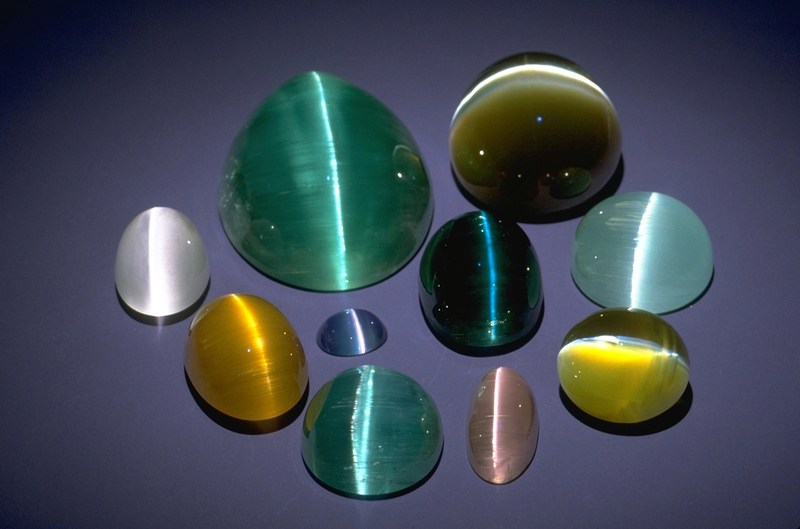
This beautiful mineral earned its popular name due to the reflective surface. This distinctive light effect gives chrysoberyl the appearance of an eye with a constricted pupil. A cat's eye takes on this shape in bright light—the pupil collapses into a narrow vertical strip, creating a bright and hypnotic gaze.
The optical phenomenon observed on the surface of cymophane was first described by the French mineralogist René-Just Haüy. He attributed the characteristic properties specifically to chrysoberyl, but today, the term "cat's eye" is used by laymen to describe a wide variety of decorative gemstones: if a clear vertical stripe glitters and moves when viewed on a polished surface, it is considered a cat's eye. The following stones are commonly considered to be cat's eye: rhizoberyl, quartz, tourmaline, scapolite, fibrolite, jade, and diopside.
The most expensive and high-quality cat's eyes are chrysoberyls mined in Sri Lanka and Madagascar.
Ring-tailed lemurs
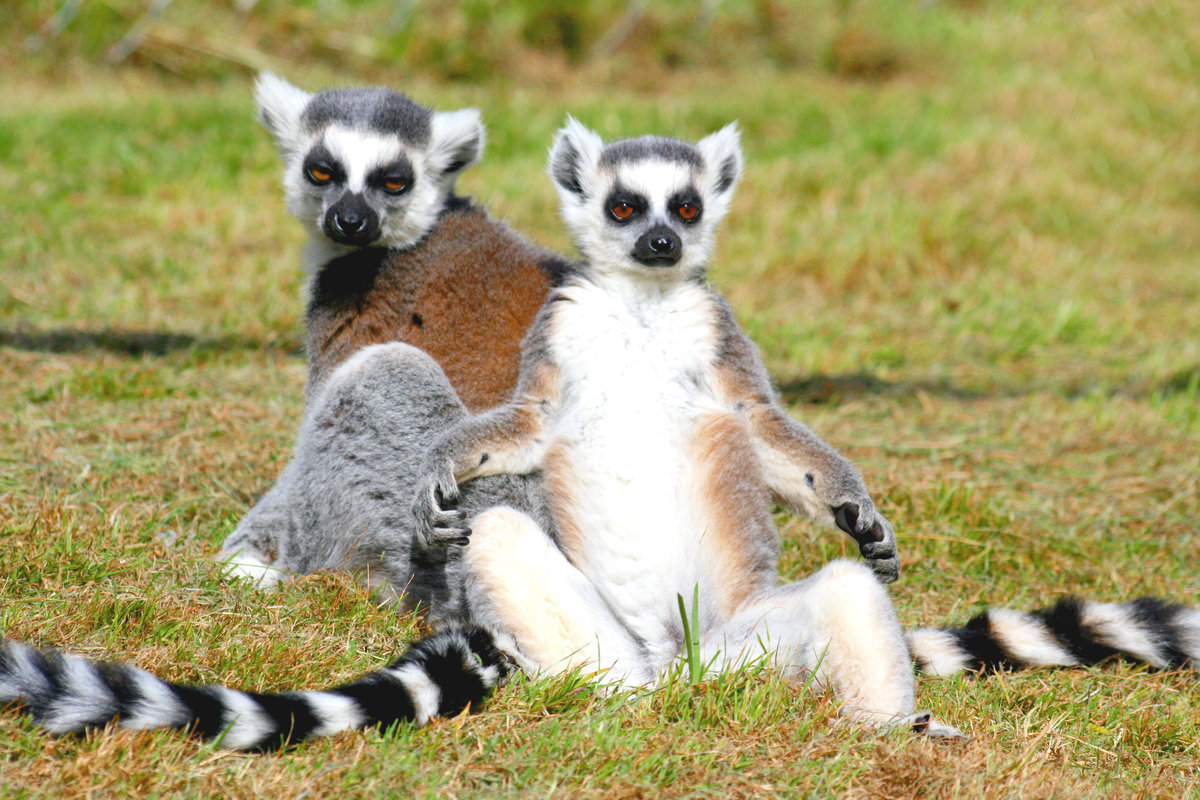
Ring-tailed lemurs are considered "cat-like." To imagine what these exotic prosimians look like, think of the cartoon "Madagascar": the charismatic and self-assured King Julien is that very ring-tailed lemur.
The fur on the body of these nimble animals is colored gray, and their long tail resembles a traffic policeman's striped baton – a flexible organ used to maintain balance, as well as for communication and alerting relatives.
Why are lemurs called cat-like, given that the two species have no common relatives? Perhaps it's because of their compact size: this tropical animal is comparable in size to a domestic pet. It's also possible that the researchers were impressed by their nocturnal lifestyle, as domesticated predators are also more active at night. Or perhaps the comparison stemmed from the huge, saucer-like yellow eyes or the luxurious striped tail of the Madagascar prosimians. Furthermore, lemurs, like common cats, enjoy basking in the sun and sometimes make sounds reminiscent of meowing and purring.
Cat's Paw in the constellation Scorpio

The Cat's Paw (or sometimes the Bear's Paw) is the name given to the emission nebula NGC 6334 and a star-forming region in the constellation Scorpius. The nebula is located quite far away—4,370 light-years from the Sun. Future stars are being born within this giant molecular cloud, and scientists are closely monitoring these monumental events on a galactic scale.
You can understand why the paw is specifically "cat-like" by looking at the cloud photo: clearly defined segments form a three-toed "paw" with three small, rounded pads on top and an oval base on the bottom. Just like the paw of an unknown space cat, traveling through the vastness of the universe and lapping milk from the Milky Way.