Russian dog breeders are keeping pace with their foreign counterparts. Sometimes the resulting animals are striking in their appearance and physical qualities. Below, you'll learn about nine breeds developed in Russia.
Russian Black Terrier
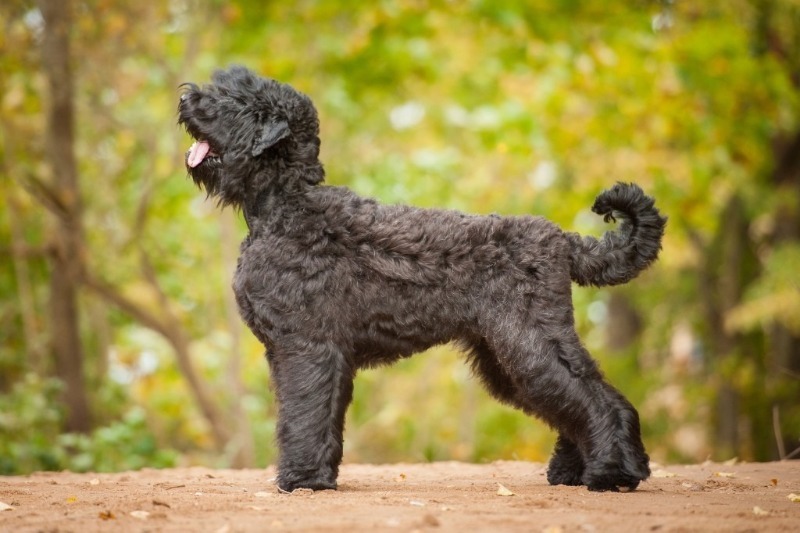
This breed is distinguished by its large, athletic build and strong muscles. It was originally developed to guard detainees. "Stalin's dogs" is another name for black terriers. They were developed after the leader's death, but it was he who commissioned a breed that would be trainable and intimidating in appearance.
Thus, experiments began in the 1930s at the "Red Star" special kennel. After the outbreak of the Great Patriotic War, these experiments were interrupted. Therefore, 1954 is considered the year the breed was developed. The Black Terrier is a cross between more than 10 dog breeds. The main ones are considered to be the Rottweiler, Caucasian Shepherd, Giant Schnauzer, Newfoundland, and several others.
Russian Borzoi
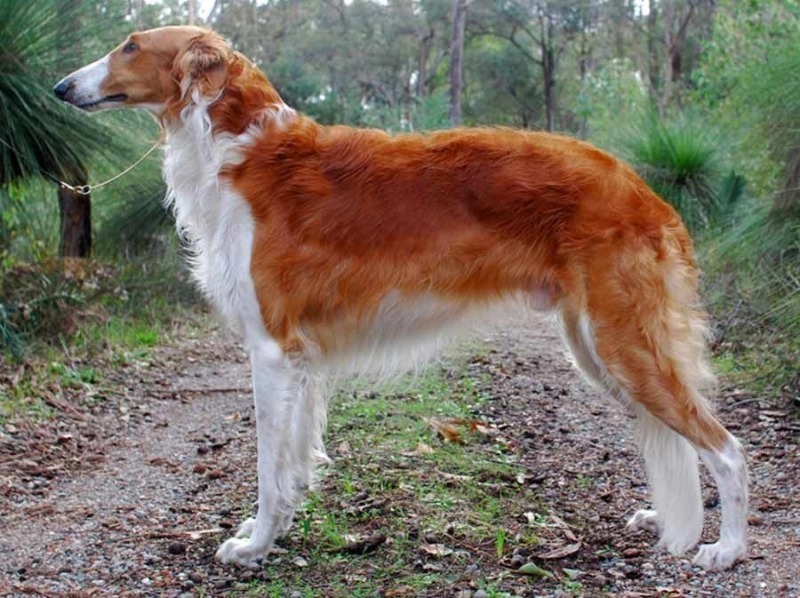
This dog has excellent eyesight, a narrow and strong build, and is known for its ability to work and speed. It originated during the reign of Ivan the Terrible, when Russian landowners developed a love of hunting. Their goal was to create a breed that would be obedient to its owner, calm, resilient, and a fast runner.
Some time later, the Russian Borzoi was developed. Wealthy landowners acquired entire packs of these dogs, which they used for hunting.
Caucasian Shepherd Dog
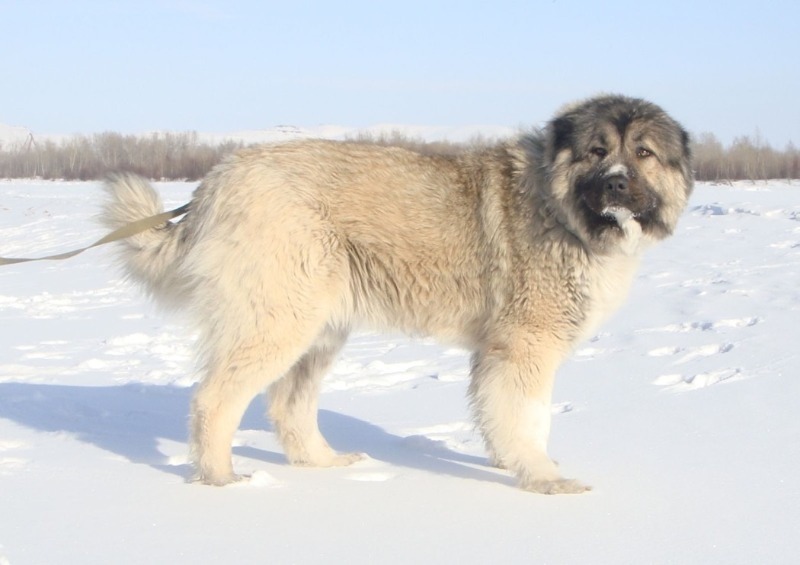
This breed is considered one of the oldest and largest. The Caucasus is considered the dog's birthplace, where it was completely developed. The breed developed when humans needed a helper for herding livestock.
A pet was needed that combined such qualities as courage, good eyesight and an excellent sense of smell, pain tolerance, loyalty to its owner, and a hatred of strangers, especially wild animals. The breed gained immense popularity, was prized, and was used in war to assist sentries.
Russian Toy Terrier
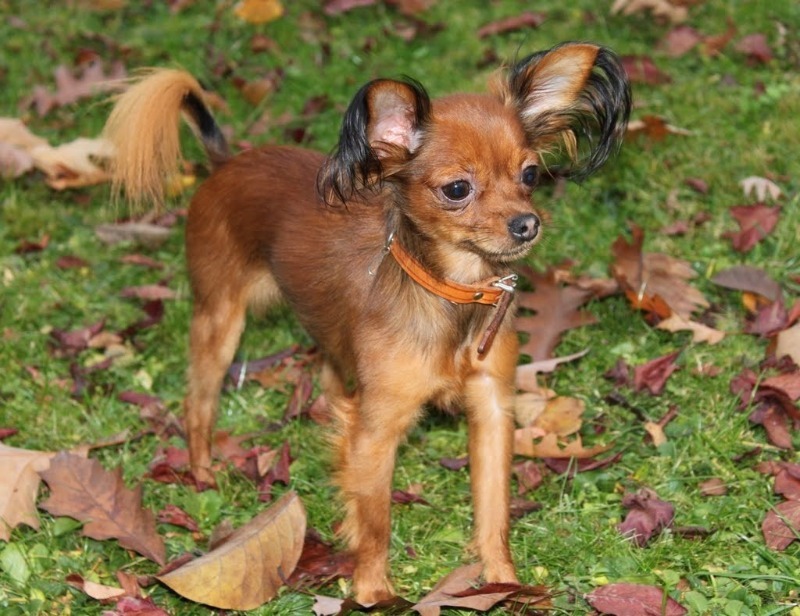
Miniature Toy Terriers are considered descendants of ratters. They previously hunted foxes, badgers, and rats. However, only large specimens did this; smaller ones were common house pets. The closest ancestor of the Russian Toy Terrier is the Manchester Terrier.
It was brought to Russia during the reign of Empress Catherine. However, after the revolutions and the Great Patriotic War, the breed virtually disappeared. It was revived, but the descendants no longer resembled their distant ancestors. This is where the name "Russian Toy Terrier" came from.
Moscow Watchdog
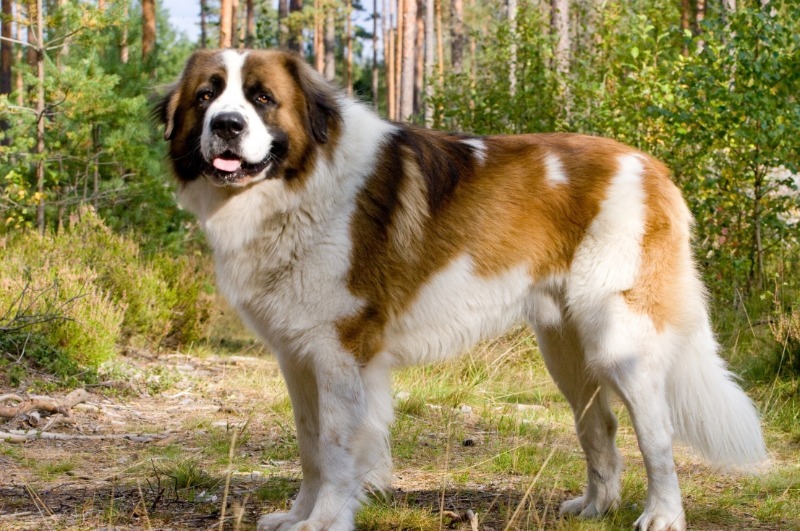
This breed is considered one of the best guard dogs. They are hardy, intelligent, fearsome, and loyal to their owners. After the Great Patriotic War, almost all large guard dog breeds became extinct in Russia.
Therefore, the Red Star kennel began actively breeding four-legged guard dogs. To create the Moscow Watchdog, scientists began crossing Caucasian Shepherds, St. Bernards, and Russian Piebald Hounds.
Russian hound
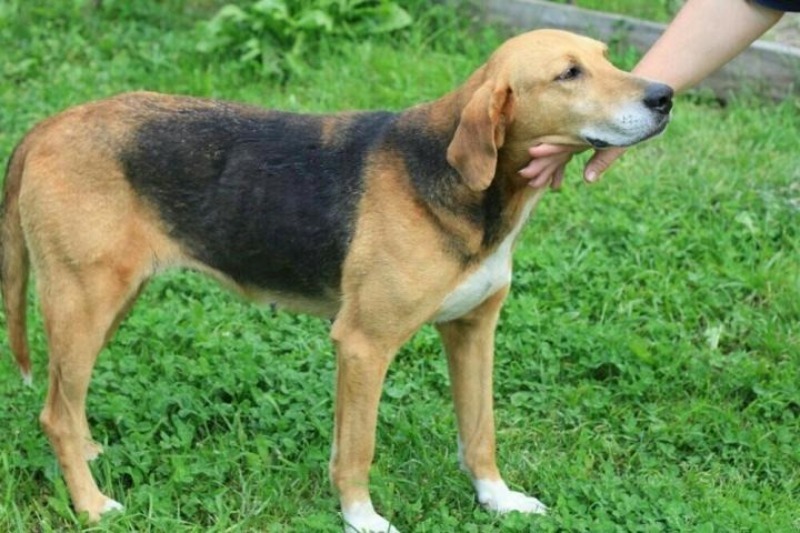
This breed was popular in Rus' as early as the 12th century. They were used to hunt foxes, wild boars, wolves, roe deer, and hares. This breed was highly prized for its endurance, speed, and sense of smell.
The Russian hound could also go for very long periods without food—another quality for which it was beloved. This breed is now extinct, and the most popular descendants are the golden retrievers.
Siberian Husky
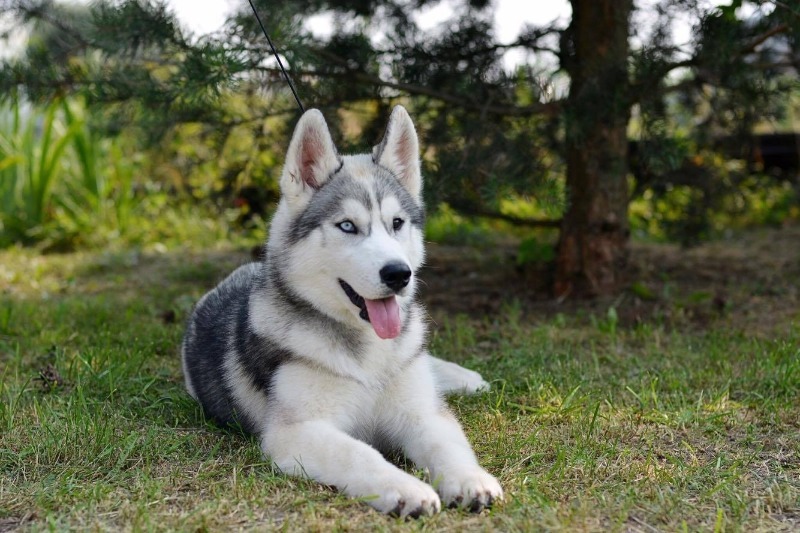
Huskies are hardy, strong, and fast dogs. They were bred by the Chukchi people of Siberia and used as sled dogs. During the famous Gold Rush, the breed became known in North America.
They began to be transported from the Far East to various US states. The name "husky" originally referred to Eskimos (from "eski"). However, over time, it became the name for dogs.
Tuvan Shepherd Dog
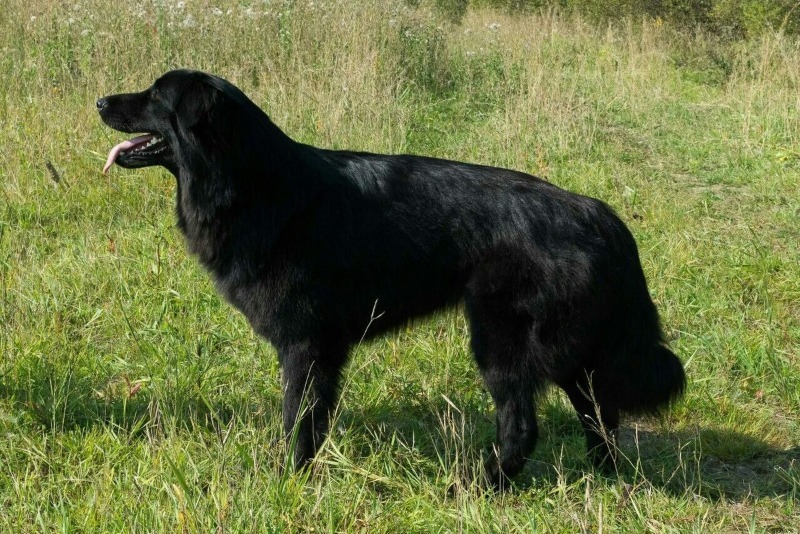
This breed emerged when the people of Tuva needed a strong, resilient, and courageous companion to guard their herds. They were used to protect yaks from wild animals while migrating from one place to another.
During Tuva's annexation by the USSR, the breed began to decline—the local populations became sedentary and no longer needed to migrate their herds. The dogs were culled, and the breed disappeared. However, in 2000, efforts began to revive the breed. Today, there are approximately 100 Tuvan Shepherds left.
Samoyed dog
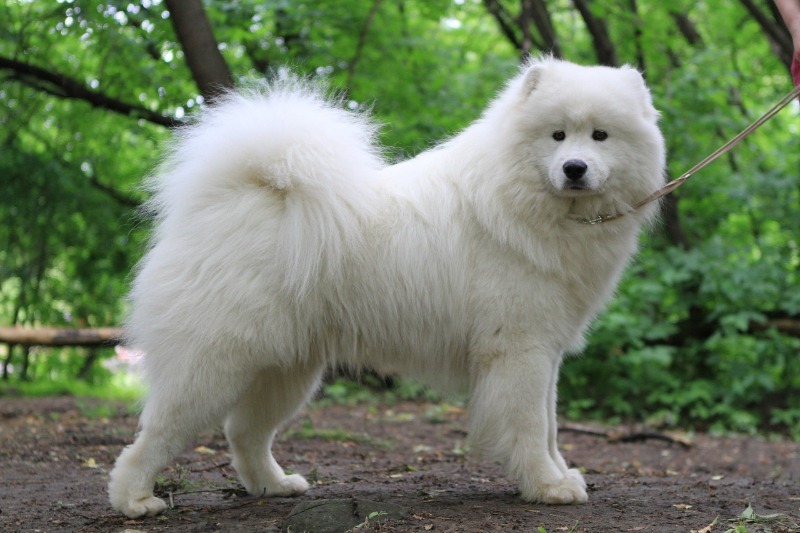
This breed is white, though occasionally individuals with black or brown spots are found. They are powerful, strong, resilient, and confident. Samoyeds originated in Siberia, where they were used as sled dogs, for hunting, and to protect reindeer herds.
The name originated with the Samoyed tribe—people would sit in sleds pulled by dogs through the snow. Because of their light color, the dogs were invisible, making it seem as if the sleds were moving on their own. Hence the name.
 Vyachaslav Plesov
  Vityusha
  Nikolay
3 comments