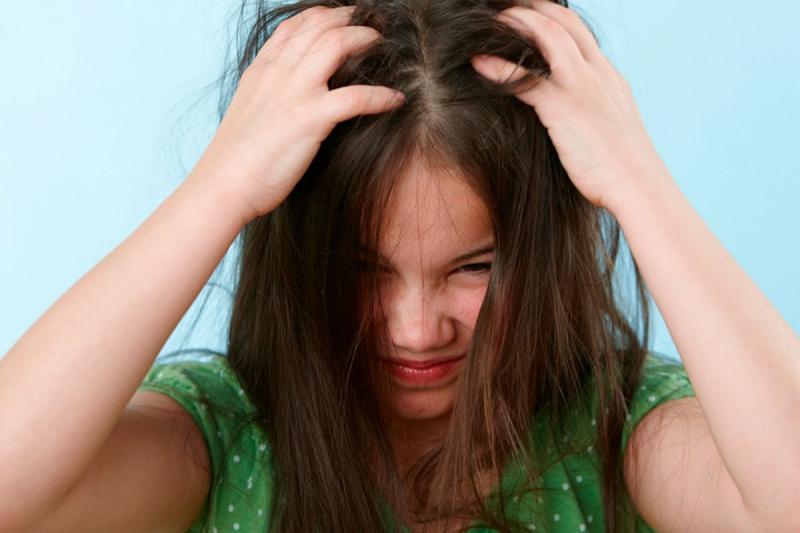
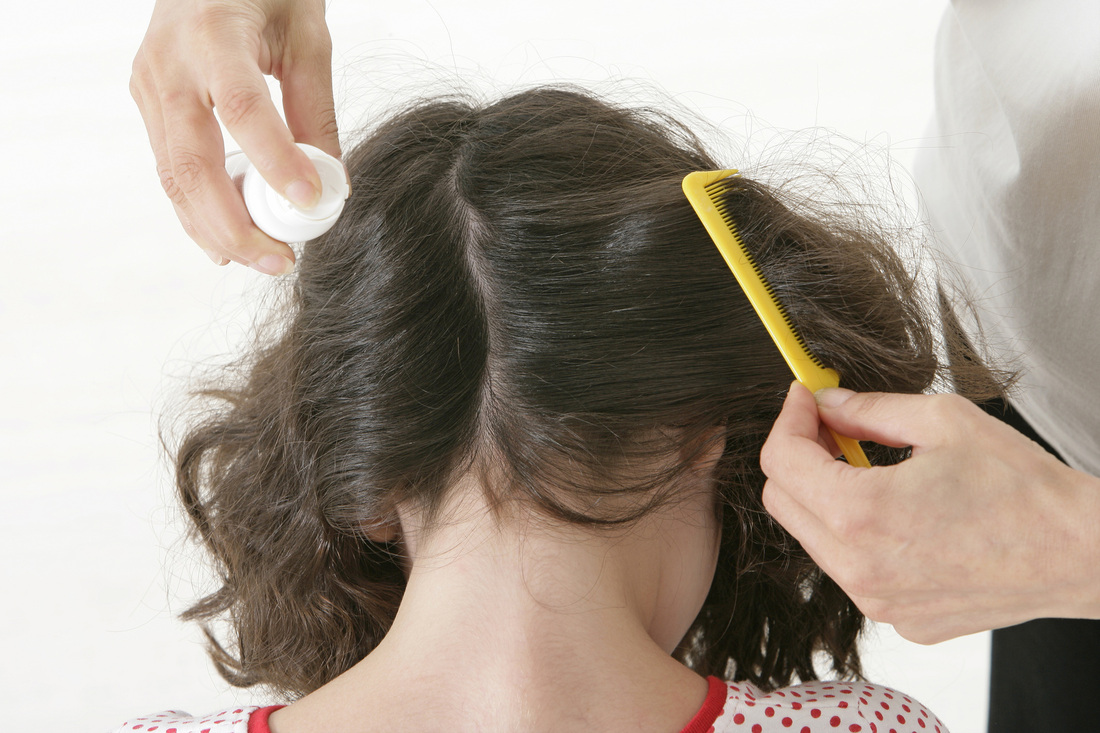
Lice are ectoparasites that have plagued humanity for millennia. There are medications available to help get rid of pediculosis. But many prefer traditional methods. The most common is using kerosene to combat the parasites.
Content
Kerosene for lice and nits: principle of action, advantages and disadvantages
Kerosene acts on lice in three ways:
- blockage of the respiratory organs of insects;
- intoxication of adults;
- softening of chitin.
Insects treated with this substance don't die; they simply become easier to remove from the hair. Kerosene isn't truly effective: one treatment isn't enough, it has a strong odor, damages hair, and isn't suitable for treating small children. Modern lice treatments are gentler, such as Veda and Nitifor shampoos, Parazidoz, Nuda, and others. They contain caring ingredients and are less irritating to the skin, although they do have contraindications: pregnancy, breastfeeding, and allergies to the ingredients.
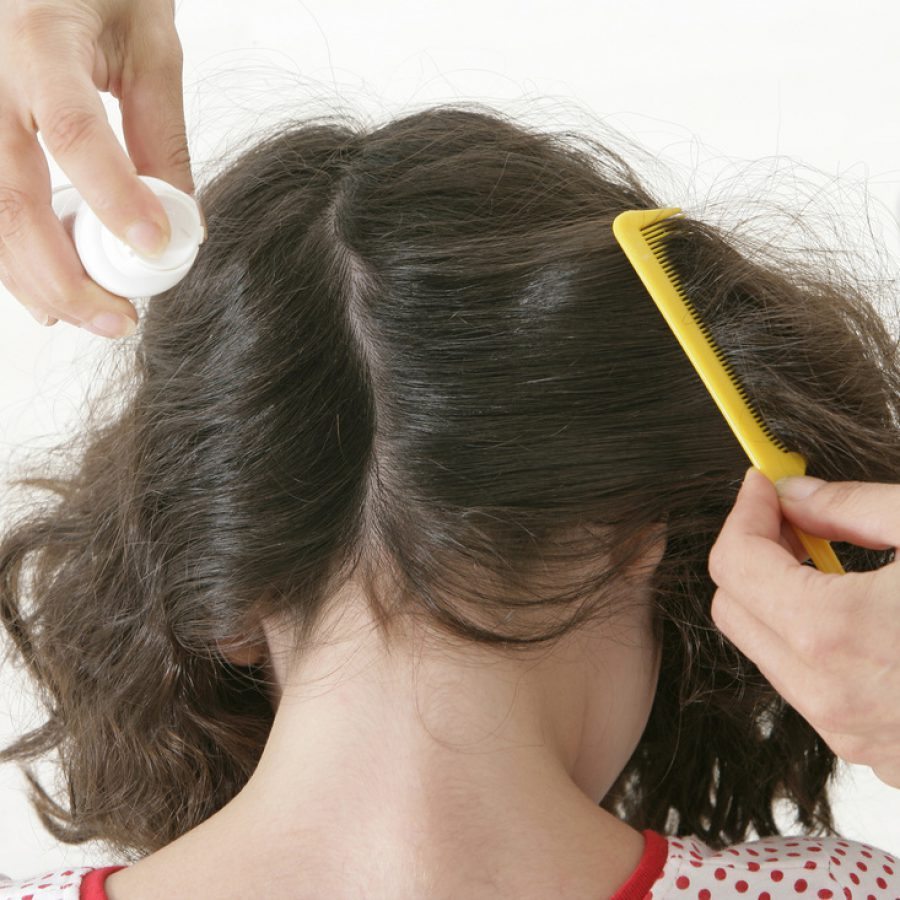
To treat pediculosis, medical preparations (shampoos, sprays and other types) and kerosene are used.
Despite this, kerosene is still used to remove lice. Its benefits:
- Availability and price: anti-lice shampoo costs from 200 rubles, and a can of kerosene - from 70 rubles.
- Reluctance to talk about the problem and shame. Pediculosis is considered a marginal disease, indicating poor hygiene. But this is not always the case. You can become infected with lice while on vacation, on public transport, in a kindergarten or a country camp, by trying on someone else's hat or using another person's comb. There's no need to be ashamed; anyone can get lice. The sooner you start treatment, the sooner you'll solve the problem and avoid infecting others.
You can't get rid of lice in one treatment. The insect's lifespan is 30-42 days. The first treatment kills adult lice and some nits. Therefore, it's essential to repeat the treatment after 3-7 days. After 1-1.5 months, you need to repeat the treatment to remove any parasites that may have gotten onto your hair from poorly treated pillows and clothing. To effectively combat lice, avoid increasing the kerosene dosage in folk remedies and treat your scalp more frequently.
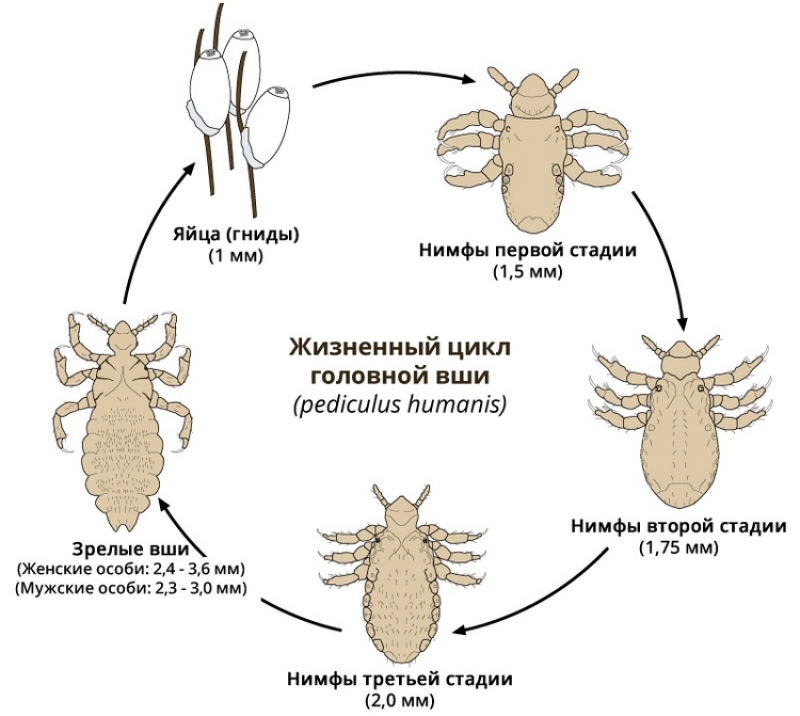
The insect's lifespan is 30–42 days.
Table: Pros and Cons of Using Kerosene
| Pros | Cons |
|
|
How to use kerosene for head lice
A bottle of kerosene can be purchased at a hardware store. It is a toxic substance that can cause poisoning, chemical burns to the skin and mucous membranes, dermatitis, suffocation, and allergic reactions. For the treatment of pediculosis, only aviation kerosene and purified kerosene for lighting devices, obtained according to GOSTs 11128–65 and 4753–68, are used. The label should be marked KO-25, KO-20, KO-22, KO-30. These liquids contain acceptable levels of sulfur and harmful substances.
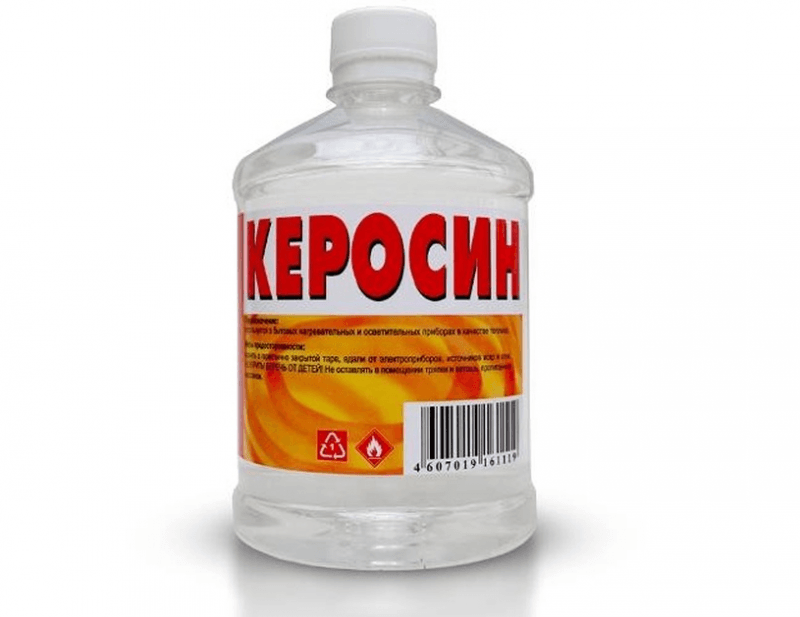
To get rid of lice, use aviation kerosene or purified kerosene for lighting fixtures.
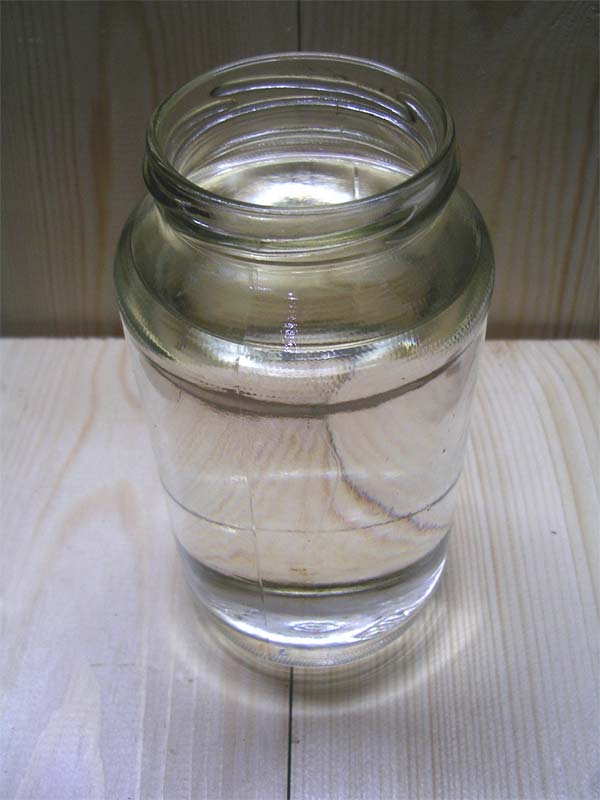
If you're unsure whether kerosene is suitable for medical treatments, you can purify it at home. The safest way to do this is with hot water:
- Pour 1 liter of kerosene into a three-liter glass jar.

You can purify kerosene using hot water and a glass jar.
- Add hot water (temperature 60–70 °C).
- Close with a plastic lid and shake vigorously, periodically opening the container to release the pressure. Failure to do so may result in a vapor explosion.
- Open the lid and let the solution settle. All the heavy fractions will be at the bottom, and the pure substance will be at the surface of the water.
- Carefully drain the kerosene.
Work should be carried out wearing gloves, in a well-ventilated area with a working exhaust hood or outdoors, away from heating devices. Kerosene vapors explode easily and can cause chemical pneumonia and pulmonary edema.
How to use kerosene for pediculosis
Correct use of this folk remedy for lice is the key to fast and high-quality treatment.
- Conduct a sensitivity test first: apply a cotton swab soaked in kerosene to the skin behind the ear. If there is no redness or swelling after 10-15 minutes, it's safe to use.
- Then apply the product to your scalp. There's no point in spreading it over the entire length of your hair, as nits and adult insects live at the roots. Be careful not to get kerosene in your eyes.
- Wrap your head in plastic wrap and a scarf made of natural materials (cotton, wool). This will enhance the effect of the treatment and reduce the scent.
After applying kerosene to the hair roots, the head should be wrapped in film and a cotton scarf or towel.
- Keep the mixture on for 15 to 30 minutes, then wash off with tar soap or shampoo.
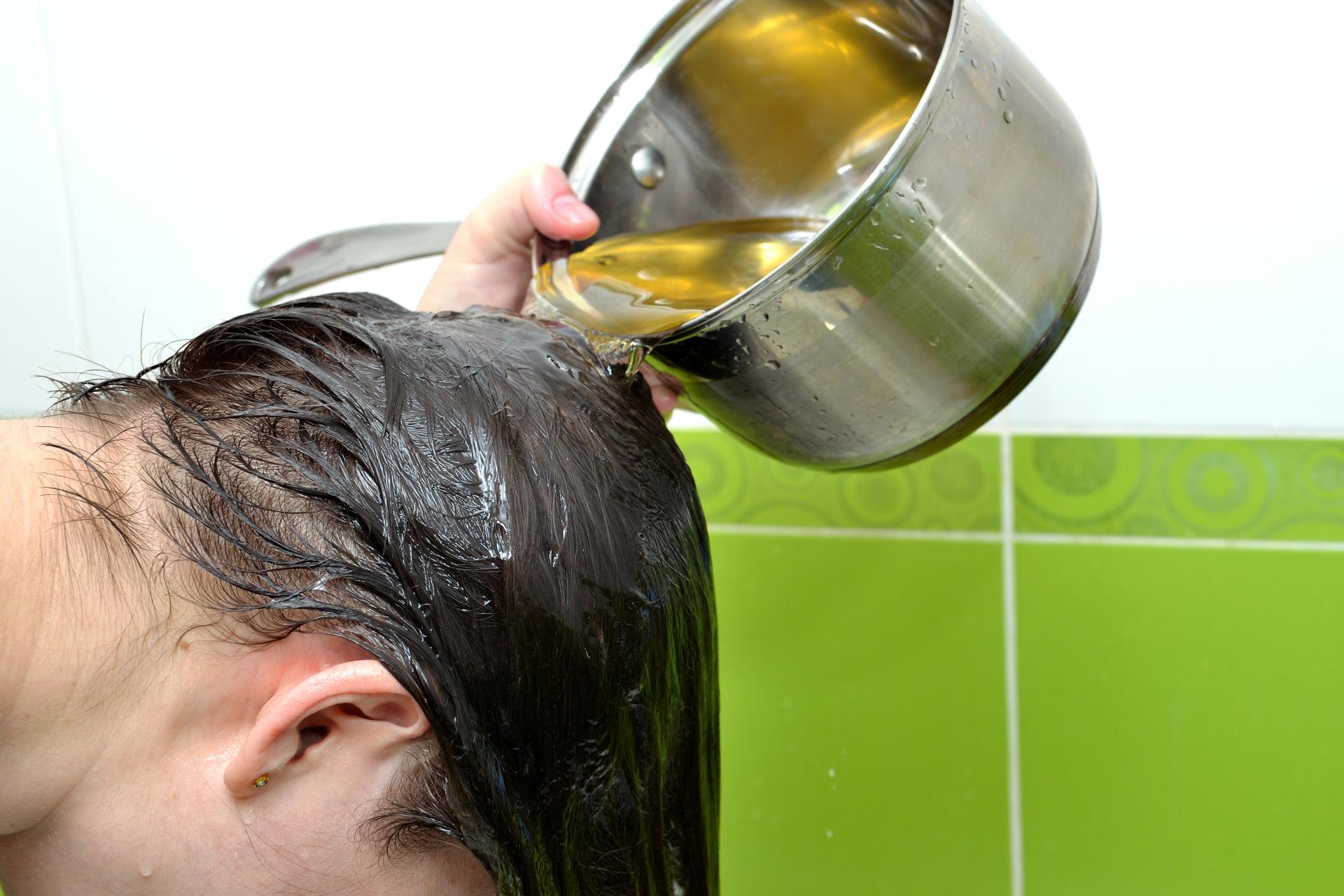
- Rinse your hair with vinegar water (2-5 drops of white or apple cider vinegar per 1 liter of water) or chamomile infusion.
After treatment with kerosene, the hair is rinsed with chamomile infusion.
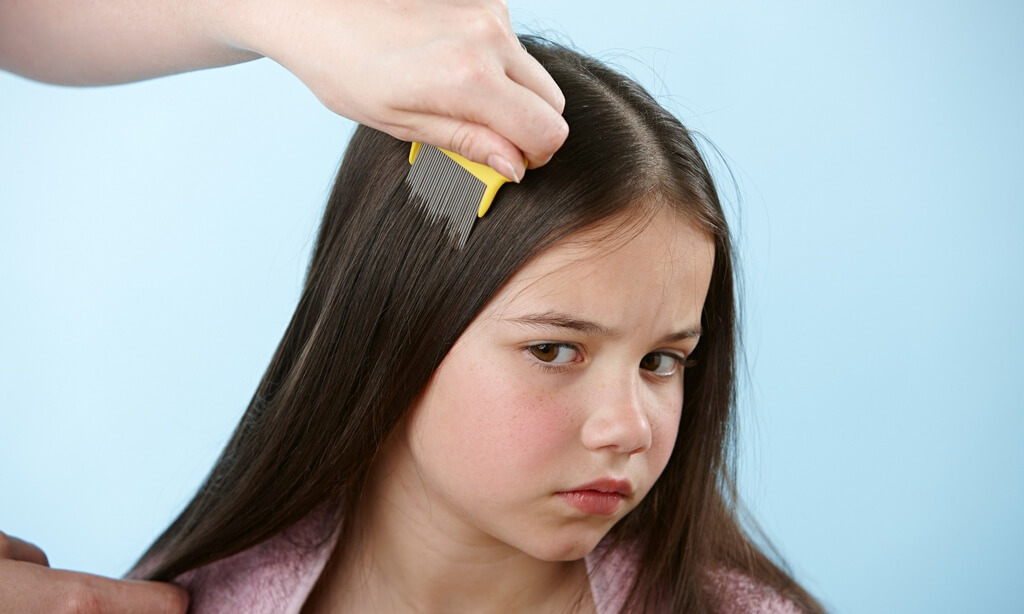
- Comb your hair with a fine-toothed comb. Kerosene destroys the chitinous shell of insects, so nits and adult insects are easily separated from the hair. Simply combing your hair with a regular comb will leave the lice behind and the problem will persist. Perform the procedure over a white cloth or paper so that all the removed insects are visible.
Combing is an important step in the fight against lice.
You'll need to complete 3 to 5 treatments, depending on the severity of the scalp damage. Use a separate towel and bedding during treatment. Be sure to sanitize all personal hygiene items that come into contact with your scalp:
- wash linen at maximum temperature and iron;
- throw away old combs;
- Items that are difficult to clean - pillows, blankets, outerwear, toys - should be placed in plastic bags with a cotton pad soaked in kerosene, taken out onto the balcony, and aired out after a few hours;
- Don't forget to treat the furniture, for example, with Dichlorvos.
After successful treatment, hair needs care. Kerosene severely damages the hair structure, making it stiffer. That's why medicinal masks with honey and chamomile added to kerosene are popular, as they soften its effect a little.
Kerosene-based lice treatment recipes
There are several time-tested and effective recipes for fighting lice. Any of these recipes can and should be combined to find the most suitable option.
Composition with vegetable oil
In this recipe, the oil softens the effects of kerosene, clogs the insects' breathing passages, and makes hair easier to comb.
- Mix 1 tablespoon of kerosene with vegetable oil.
- Apply to hair roots.
- Put on a cap and wrap in a towel.
- Comb your hair.
The treatment time is 15–40 minutes, with treatments performed every two days. The final treatment is performed 1–2 weeks after the last application.
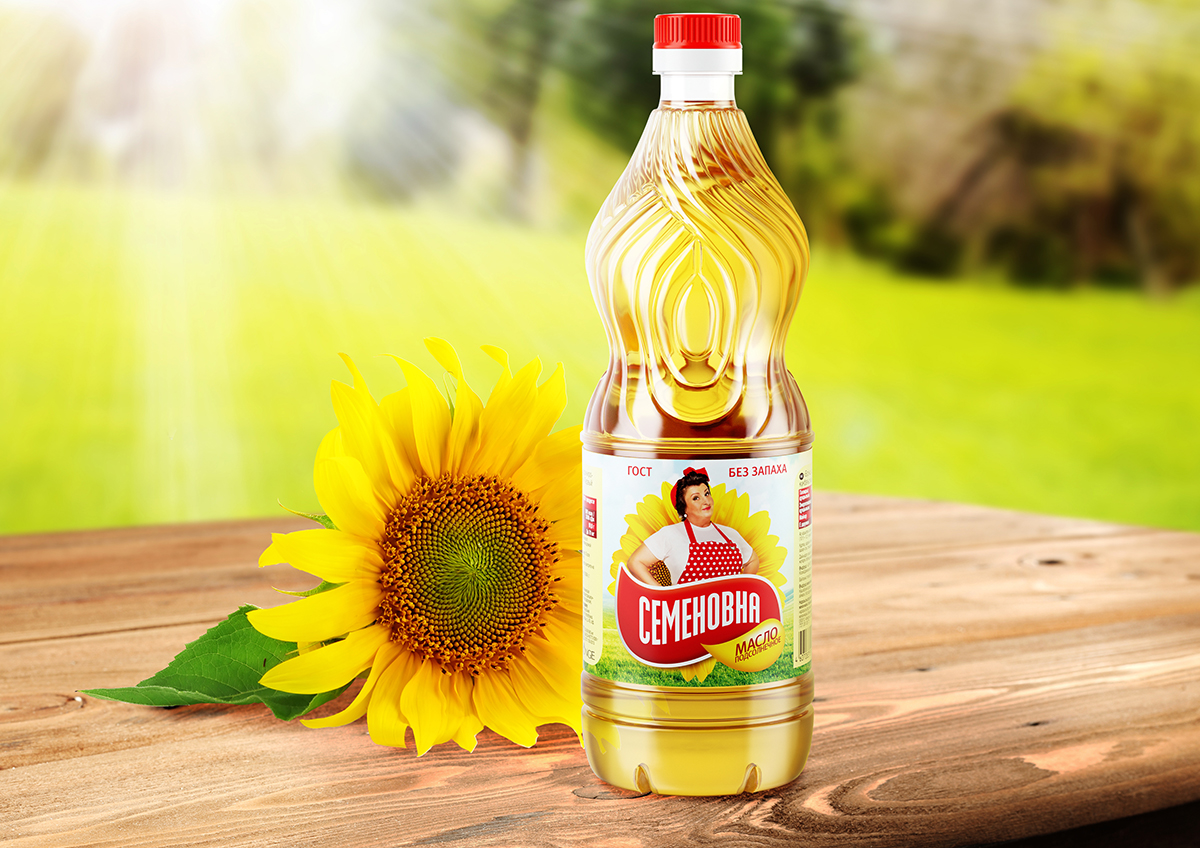
The oil softens the effects of kerosene when treating hair for lice.
Use of hellebore water
This is one of the most effective folk remedies for lice. While eliminating adult lice, it strengthens and conditions the hair. It can be used alone or after treatment.
Hellebore water is highly toxic and should not be used by children under 12 years of age, or anyone with itchy scalp or rashes. If it comes into contact with mucous membranes, rinse thoroughly with water.
Instructions:
- Carry out treatment with kerosene in the manner described above.
- Comb your hair.
- Apply hellebore water with a cotton swab.
- Wrap your head and wait 30 minutes.
- Rinse your hair.
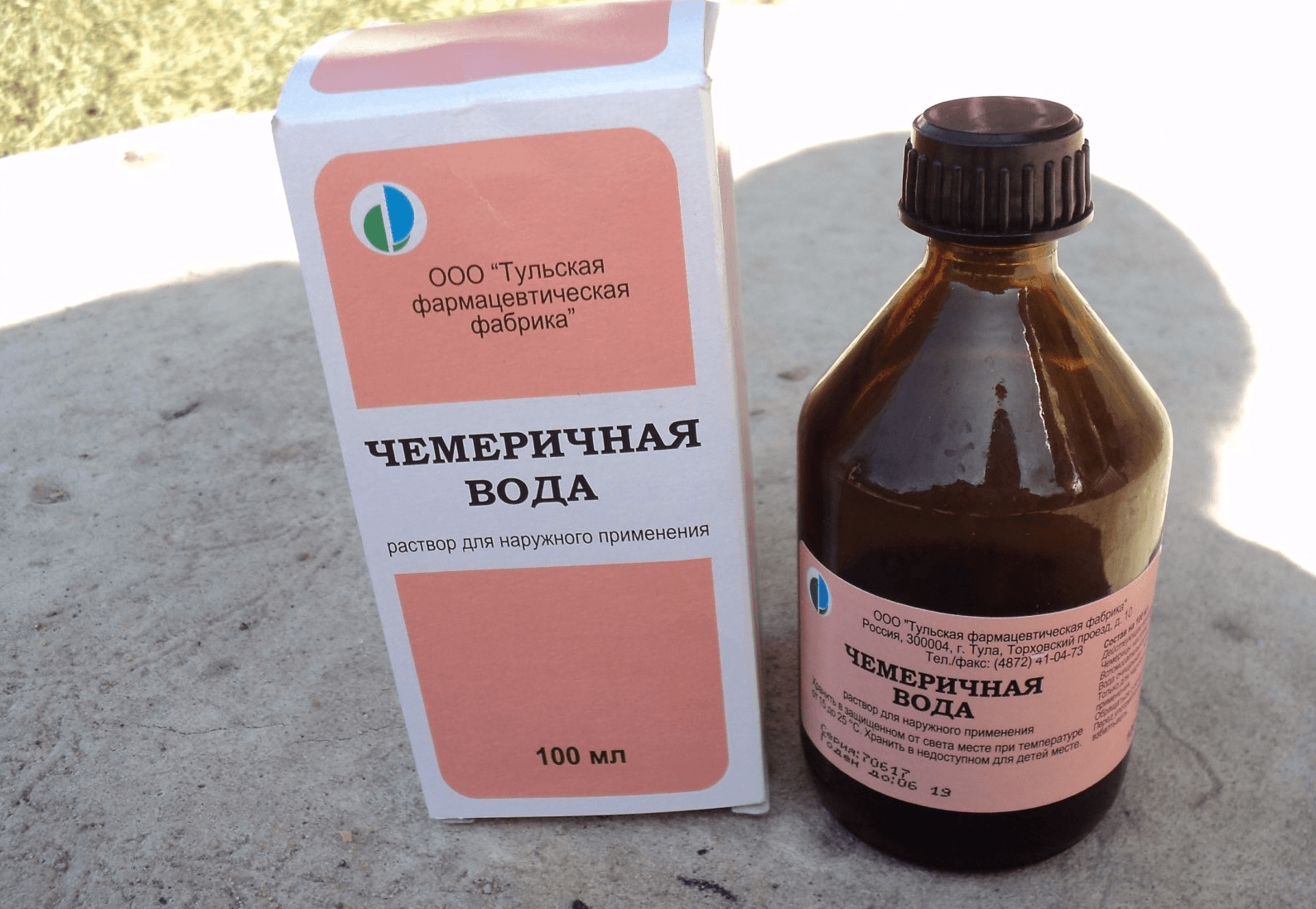
Hellebore water is an effective folk remedy for lice.
Peculiarities of treating pediculosis in children
Kerosene should not be used on children under 5, and it is also not recommended for older children to apply the substance in its concentrated form. It should be mixed with oil, water, and other ingredients, and the exposure time should be reduced.
- A gentle solution for children: mix kerosene with shampoo 1:1, apply to the scalp, and leave for 15 minutes, then rinse, comb, and dry. Treatment duration: 14 days, repeat 2-3 times.
- A gentle mask with honey (3 tablespoons) and kerosene (1 teaspoon): mix the ingredients with a teaspoon of shampoo and dilute with 4 tablespoons of hot water. Then apply to the roots and put on a shower cap for 30 minutes. Duration: daily, no more than 5 days.
After treatment, the head is washed several times with shampoo and the hair is combed out. The consequences of improper use of kerosene for a child can result in chemical burns and allergic swelling.
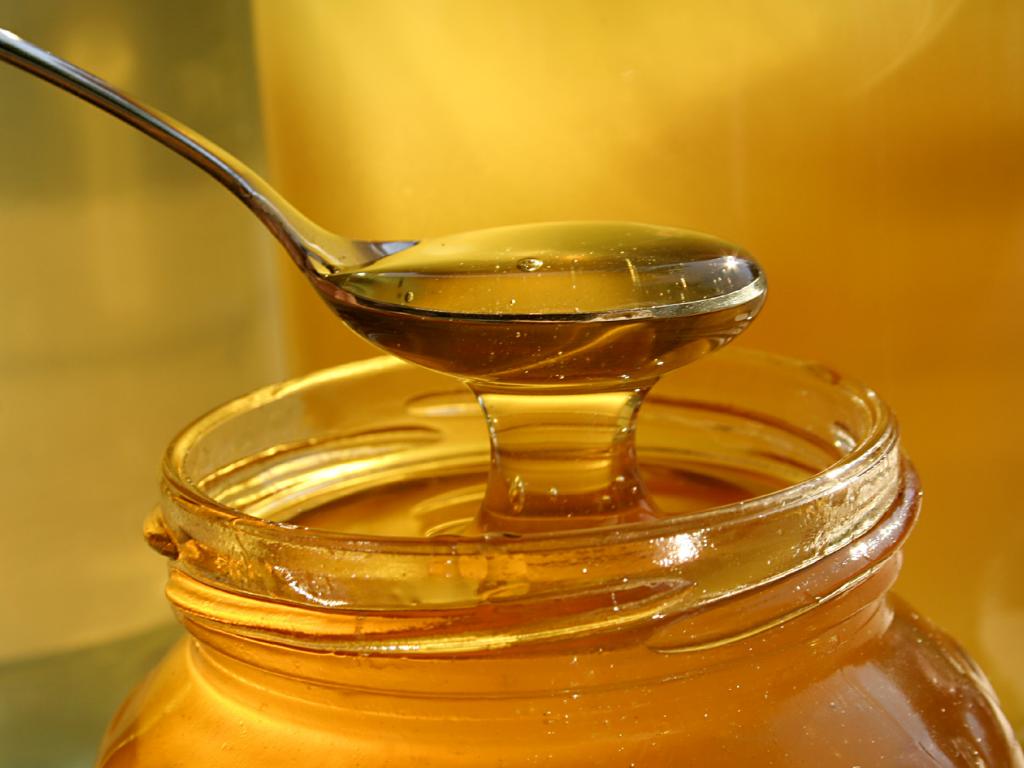
When treating head lice in children, kerosene should be softened with oil, honey, or shampoo.
Contraindications and side effects
Kerosene should not be used:
- for diseases of the respiratory system and skin;
- if there are scratches and wounds on the head;
- pregnant and breastfeeding women;
- children under 5 years of age.
Kerosene vapor poisoning will cause weakness and dizziness. Simply get some fresh air and wash off the vapor. Prolonged inhalation of the vapors can cause swelling of the larynx. Therefore, use this substance with caution.
If kerosene is ingested, nausea, stomach pain, and mucous membrane burns will occur. In this case, it is imperative to perform a gastric lavage and consult a doctor.
Kerosene, when left on the body for a long time, causes chemical burns, so exposure time should be minimized and used in a mixture with oils and soap.
Reviews of the use of kerosene in the treatment of pediculosis
We got rid of it by treating our head with kerosene, although our hair smelled a little for a few days, but our head was clean.
When my dog brought "this" home from camp, I got rid of it with aviation kerosene overnight. And (though it's not popular here) I got a haircut (I called a hairstylist I know to the house; the hairdresser wouldn't have taken it, naturally). The next day, I treated it with NUDA, the one recommended at the pharmacy; it came with a comb. And I simply combed out the dead nits. I washed the bedding in the wash at 90 degrees, and I steam-treated everything in the laundry where she sleeps. I must say that no one, absolutely no one, in the family has been infected with this nasty thing since.
In a "past life," I used to get rid of these insects for my daughters so I wouldn't have to cut their hair. I'd simply pour pure kerosene onto a piece of cloth and run it through strands of hair, rubbing sunflower oil into the roots first and massaging it thoroughly with my fingers. I remember keeping kerosene at home for the kerosene lamp, since the lights were turned off throughout the city in the evenings. And in pharmacies, there was a shortage of medicines back then, and sulfur ointment was hard to find. ...My grandmother also told me that this was how they got rid of lice during the war.
The only thing that helped us was kerosene. We put a couple of drops of kerosene in water and applied it to our hair, put on a shower cap, and walked around for 40 minutes to an hour. Do you have a small child? The smell of kerosene quickly disappears.
Kerosene, a traditional folk remedy for lice, is inferior to modern medications. However, with the right dosage and the right method, getting rid of lice is easy.