If you're a pet owner, you've probably had to transport your pet, whether to a veterinary clinic or a friend's apartment, and you know how troublesome and difficult it can be. But with a few simple rules, this process can be made much easier. These rules will also ensure your pet's safety while traveling.

What types of transport can you use to transport animals?
If done correctly, it's safe to travel in any vehicle, although everything depends on the type of pet you have. Below, we'll look at ways to transport animals in different types of vehicles.
In the car
It's not uncommon to see a dog happily hanging out the window in a passing car, or even a parrot fluttering freely within. Sometimes, transporting a living creature to another location is simply a matter of necessity, and there's no way to avoid it.
The traffic regulations don't contain any specific rules about transporting animals in a car. The most important thing is to ensure that the animal doesn't distract the driver from the road. Therefore, it must be restrained and distracted.
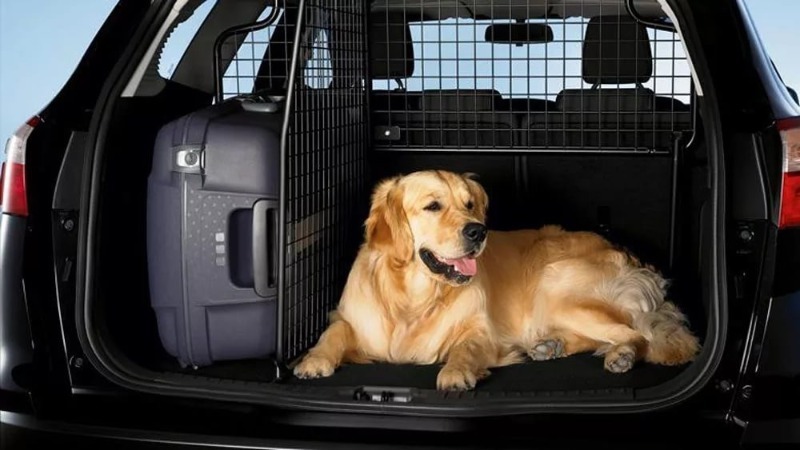
In fact, the best place to transport an animal in a car is the trunk. Some pet stores offer special, inexpensive (starting from five hundred rubles) devices that will separate your pet from your belongings and create the most comfortable conditions for them.
If you're bringing a bird with you, remember that they're extremely sensitive to cold, so keep them away from open windows. Hamsters and other small creatures can be kept in a cage on your lap. Be sure to handle them with extreme care and fill their feeders and waterers before leaving.
On the bus
Public transportation is a different matter, as strict rules already exist. After all, besides you and your pet, there are strangers on the road who might frighten them or be frightened by them.
Traveling long-distance on a bus with a pet is challenging, as the driver might refuse. But he's not always right, and let's explore why.
If the trip is domestic, then transporting a pet is permitted. This does not apply to international flights, which have strictly prohibited the transport of non-human animals for about six years now.
Small animals that can be placed in a cage or carrier will pose virtually no problems, but what about large dogs?
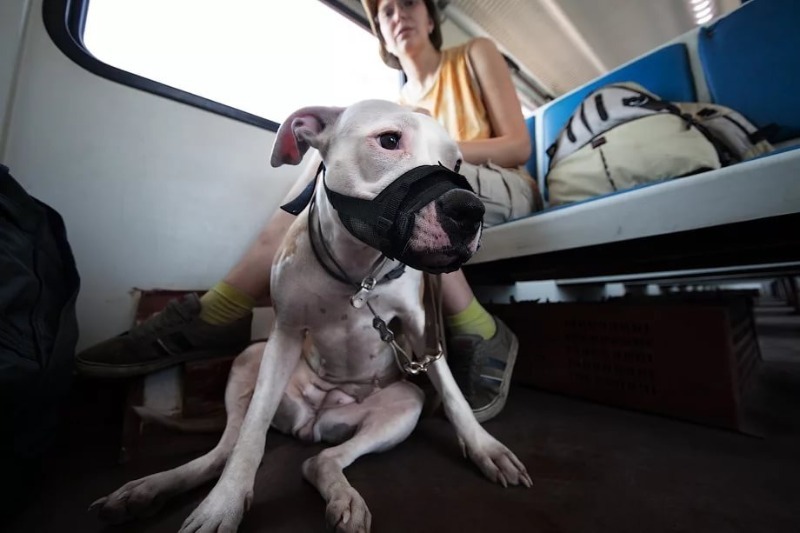
They are permitted to travel on board only if a number of conditions are met. First, the dog must be muzzled and on a short leash. Second, it must be clean, and third, a rabies vaccination certificate is required. Furthermore, large dogs can only be transported in the back of the bus, meaning the last seats must be reserved in advance.
On the train
In fact, transporting a pet on a train is much easier and less hassle than on a bus. Unless the transportation is related to business, you won't need any documents or certificates. Small animals that fit in cages and carriers are counted as carry-on baggage. However, when purchasing a ticket, make sure your pet won't cause any problems.
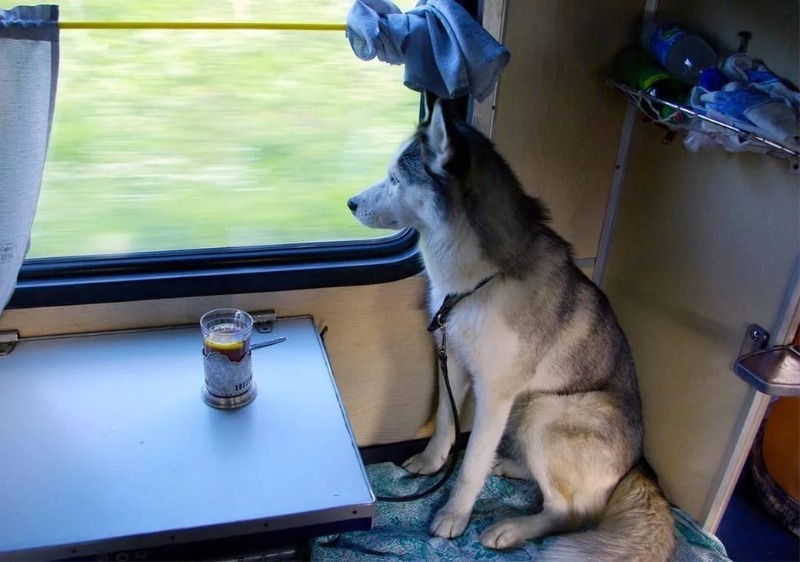
Large dogs are transported exclusively with muzzles and on a leash, exclusively in compartment cars, and their transportation is subject to a fee.
In addition, animals can be transported abroad on trains, but this is quite expensive.
To ensure your pet has a comfortable journey, make sure there is water and food available, as well as access to the toilet.
In the subway
Everyone knows that traveling with an animal on public transport causes considerable discomfort for the animal, its owner, and sometimes for those around it.
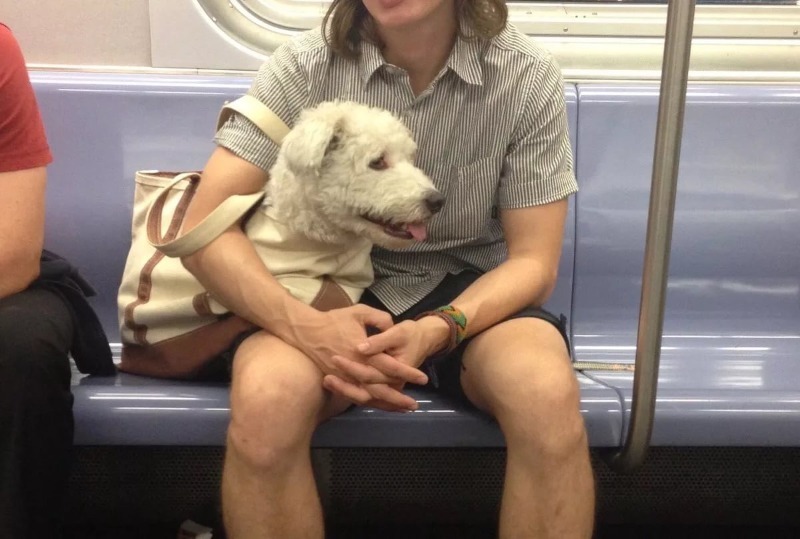
Let's figure out how to properly transport a large animal on the metro so that it and everyone else feels as comfortable as possible. If the dog is small and fits in the carrier, there shouldn't be any problems, but if it's large, you'll have to pay for it as an additional passenger.
When choosing a carrier for your pet, make sure they can stretch out fully in it. Otherwise, they'll be extremely uncomfortable. Make sure they're getting enough oxygen and that the carrier is well-made, with no sharp edges or protrusions.
If the dog is very large, then it cannot be transported on the metro, and you will have to use a taxi or your own car.
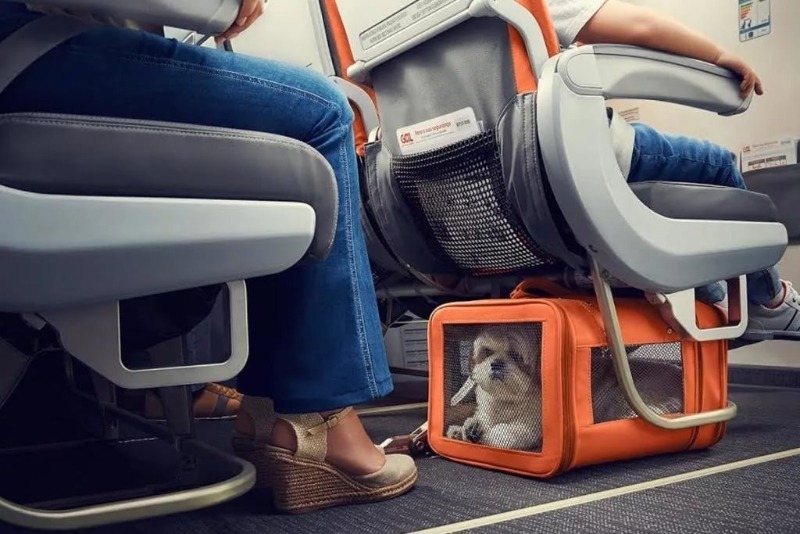
In air transport
First, check the airline's animal transport regulations, as they may vary from one plane to another.
It is necessary that the animal be kept in a special container or carrier bag, or, at the very least, in a muzzle and on a short leash.
To transport an animal by plane, you need to collect a number of documents, a list of which can also be found on the airlines' websites.
Be careful with your pets when moving with them, because their mental state and health depend on your care!