During the summer gardening season, gardeners constantly face various challenges. One of the most common pests is rodent pests. They ruin the landscape and damage crops and plants. Chemical and folk remedies can help prevent losses.
Content
What rodents appear on the site?
A person encounters the following pests:
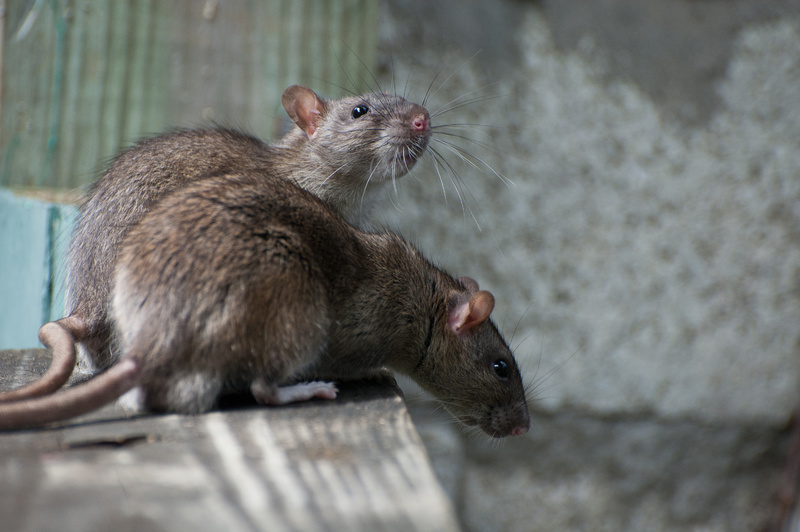
- Rats. They destroy crops, chew electrical wiring and spread serious diseases (plague, salmonellosis, pseudo-tuberculosis and others). They grow up to 30 cm, weigh up to 420 grams and live in colonies.

Rats live in basements of houses, in parks, in landfills and in sewers.
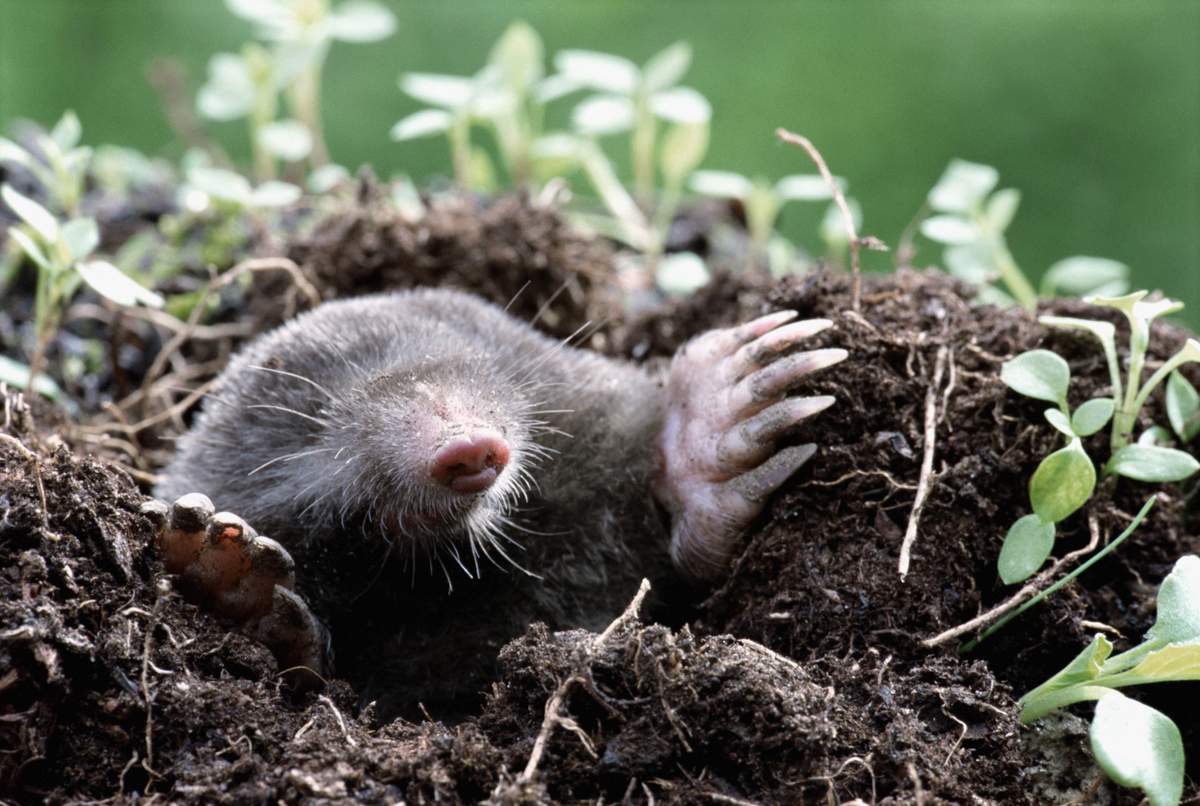
- Moles. You can easily tell if you've become neighbors with these creatures—the characteristic mounds appear on the ground. They pose no direct danger to humans. However, the tunnels they dig are used by rats and mice. Their activity also gradually reduces soil fertility and damages the root systems of plants.
Moles do not feed on plant roots, but damage them while digging tunnels.
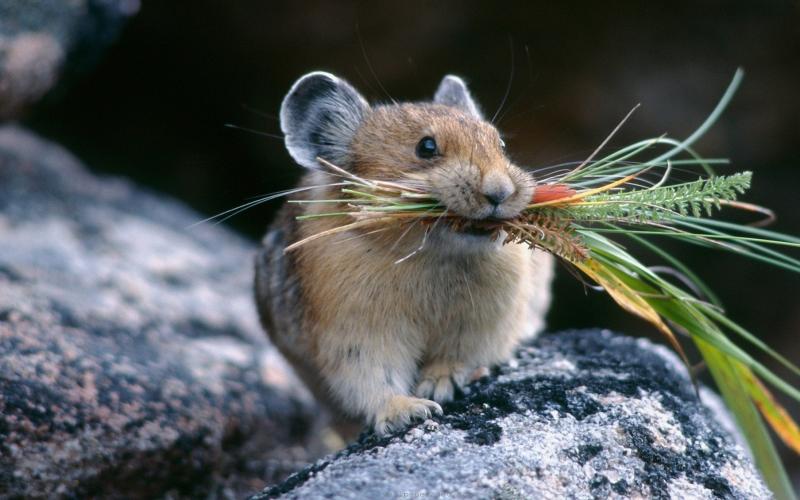
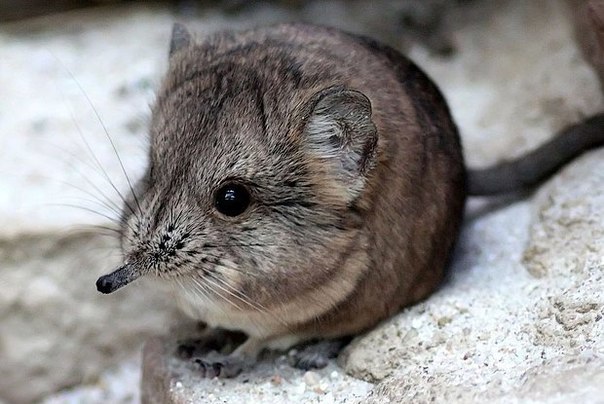
- A shrew. It resembles a common mouse in appearance, only with a long proboscis-like nose and a thicker tail. The animals dig tunnels in the ground, thereby causing harm to the garden plot. Due to the violation of the integrity of the soil, plants do not receive a sufficient amount of useful nutrients and therefore die.
Despite the obvious harm to the soil, shrews also bring benefits: they feed on harmful insects
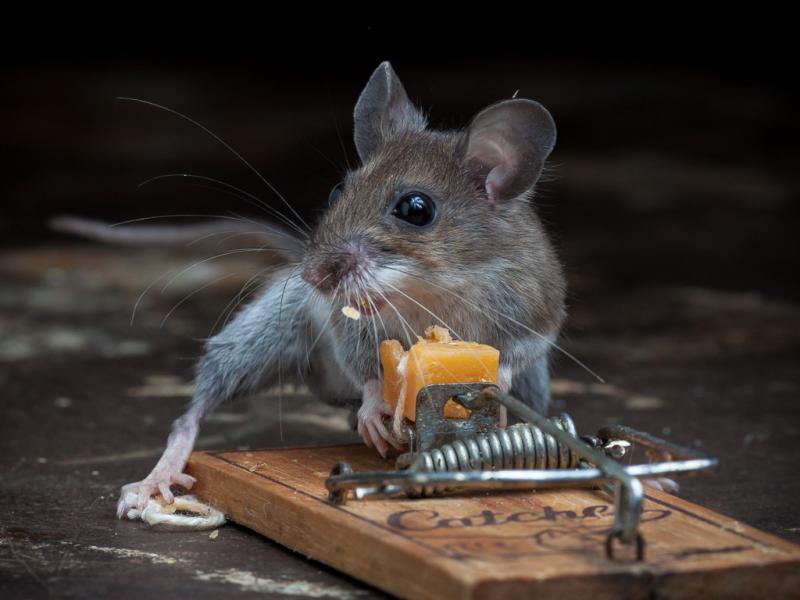
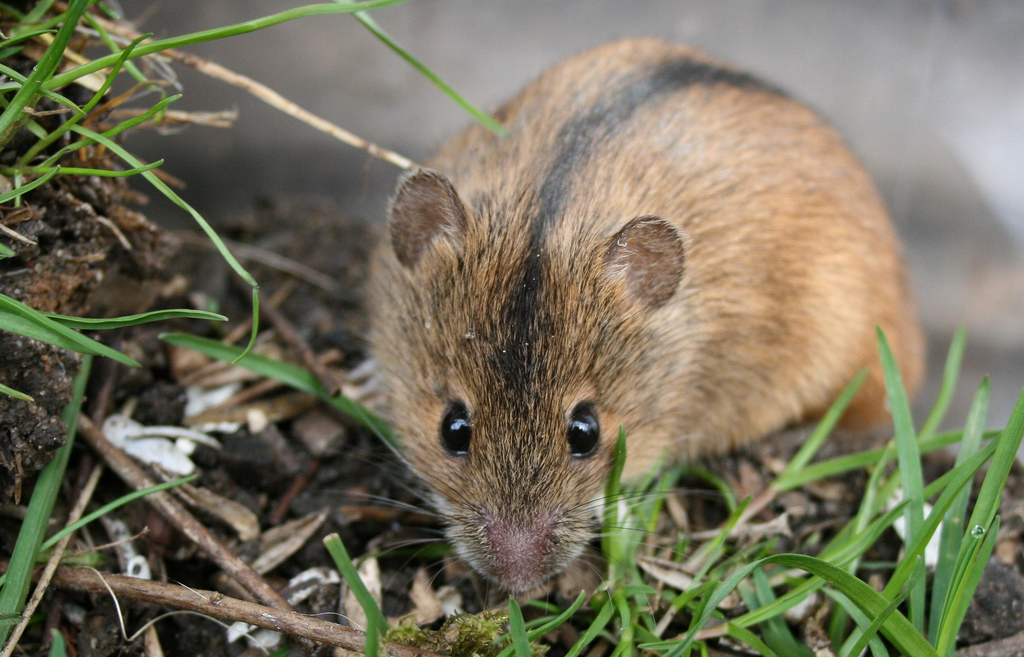
- Field mouse. Despite its harmless appearance, this rodent poses a significant danger to humans. Voles are distinguished from common mice by a black stripe of fur on their backs and their larger size. They carry a number of dangerous diseases - tick-borne typhus fever, hemorrhagic nephrosonephritis, tularemia and others. Mice chew through floors and spoil fruits such as carrots, tomatoes, and cabbage. In the spring, due to food shortages, they eat young plant shoots.
Voles carry dangerous diseases and destroy crops and supplies.
If you notice traces of the presence of these animals, take immediate measures to get rid of them.
Pest control methods
Modern man has access to hundreds of products from the chemical industry, engineering, and time-tested folk recipes.
Chemicals
If you have pets or small children, you should use pesticides with extreme caution or avoid them altogether. It is important to strictly follow the instructions for use and remove any remaining product.
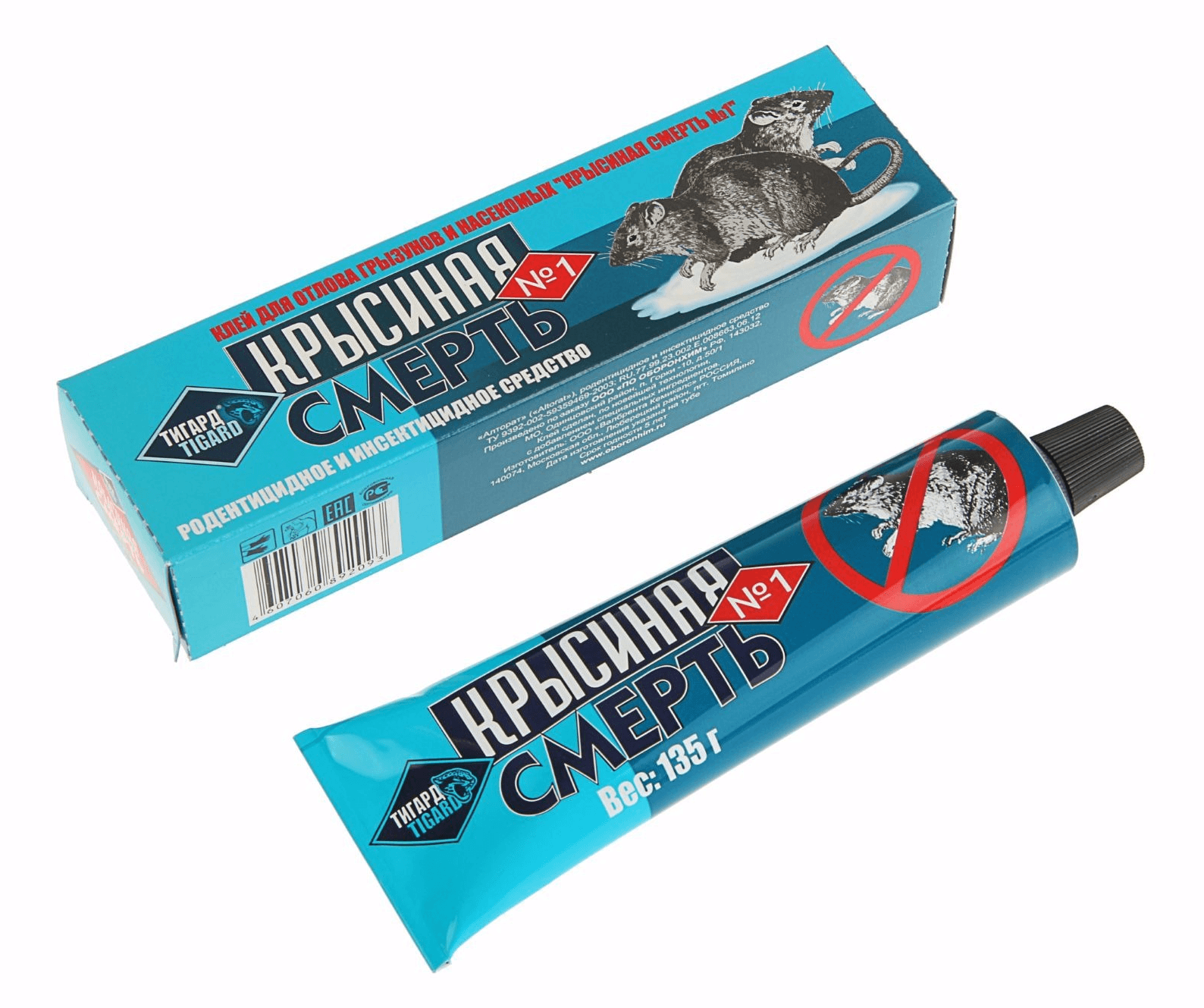
- Rat Death No. 1 contains a substance that interferes with blood clotting, so it is not considered an acute poison. Death occurs within 3-8 days due to suffocation and internal bleeding. The poison is spread on pieces of cardboard near burrows, walls, and other places where rodents have been observed. Apply with gloves and tweezers. This product is used to control rats and mice. Similar products include Varat and Testox.
Rat Death No. 1 glue is effective for controlling rats.
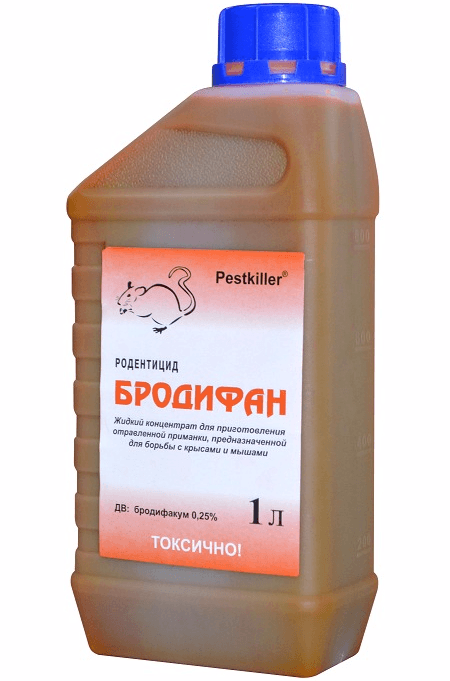
- Brodifan is a liquid poison concentrate. It is mixed with edible bait (grain, porridge). It is effective against gray and black rats and mice. The product is toxic (hazard class 2), so when working with it, use protection - gloves, glasses, respirator.
When using Brodifan, you need protection for your hands, eyes and respiratory tract.
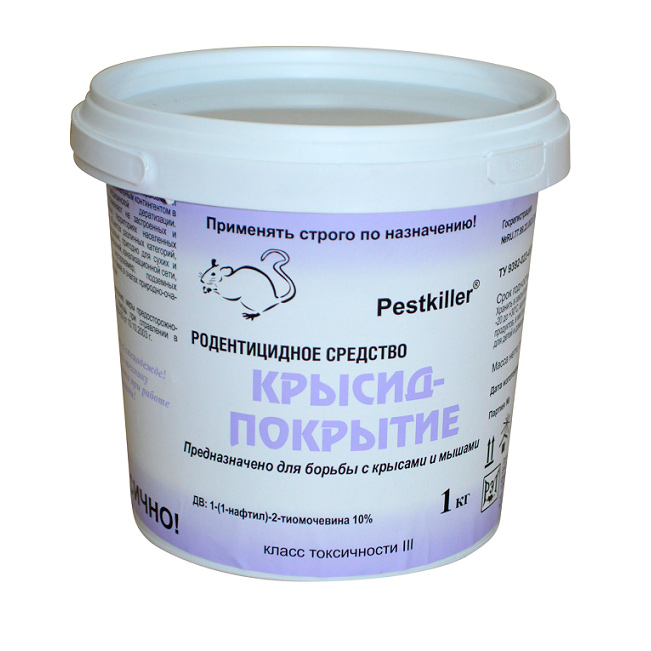
- Rat-Coating is a sticky substance used to treat the openings of burrows and shelters. The chemical adheres to the animal's fur and is ingested when the rodent cleans itself. The advantage of this product is that it can be used in humid and hot areas.
Krysid coating can be used in hot or humid areas
- Zernotsin NEO is a red grain bait. Suitable for controlling rats, voles, and other mouse-like rodents.
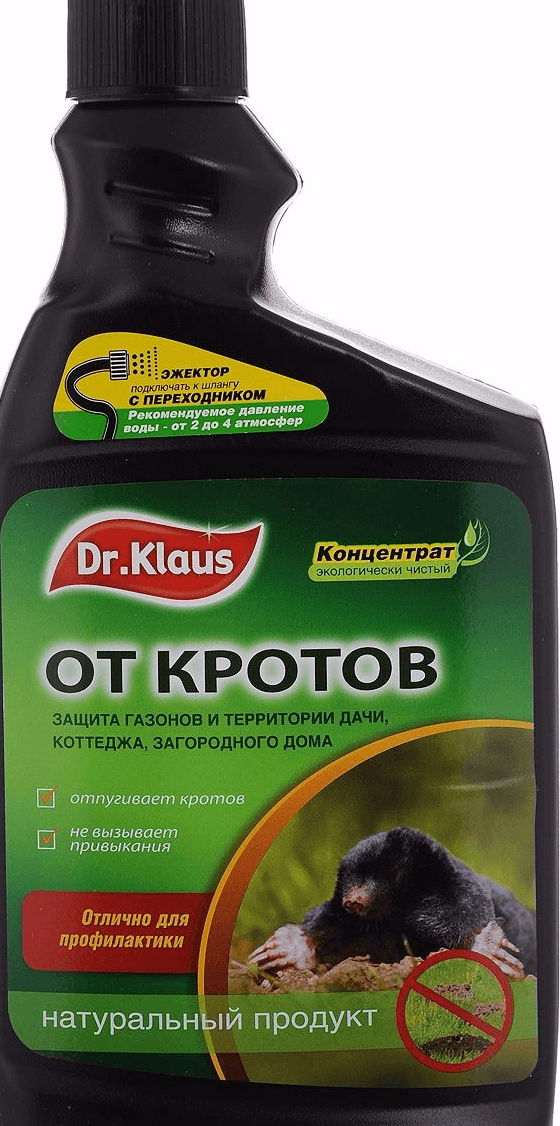
- Dr. Klaus concentrate is a mole and shrew repellent. It is sprayed on the ground and plants.
Dr. Klaus concentrate is used to repel moles and shrews.
Folk remedies
Pesticides are effective, but dangerous to humans, pets, and plants. Generations of people have devised a variety of methods to combat pests more effectively.
- Plain water can be helpful in controlling moles and shrews. It can be poured into the tunnels using a hose. Foul-smelling substances, such as fish guts, can also be used. These are placed near all burrow entrances.
- Essential oils, ammonia, and kerosene will help repel field mice. A cloth soaked in any of these solutions is placed in the burrow; within a few days, the rodents will disappear. A bait made from equal parts of wheat flour and lime or gypsum is effective. A container of water is placed nearby. The rodent dies from a blood clot in the stomach.
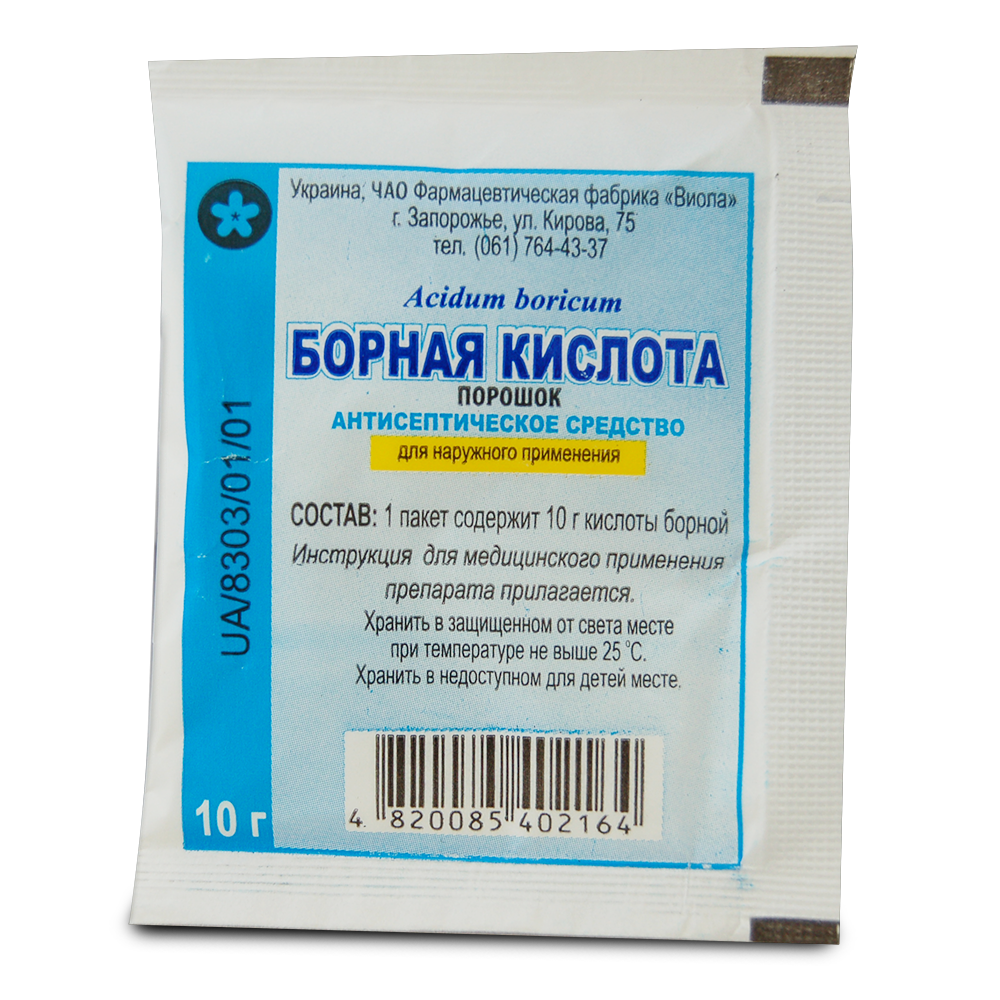
- Boric acid powder is also scattered along the walls and near burrows, and ash is scattered in the basement or cellar (the alkali contained in it corrodes the paws of rodents).
Boric acid will help get rid of mice.
You can get rid of rodents in your yard by planting beans, garlic, runner beans, marigolds, daffodils, and caper spurge. These plants repel moles. Shrews dislike wormwood, mint, imperial fritillary, thyme, and lentils. Tansy, wild rosemary, elderberry, wormwood, and mint repel field mice.
Traps and ultrasonic repellents
If you don't want to bother with planting special plants or using poisonous bait, try mechanical means—ultrasonic rodent and mole repellers, mousetraps, electronic rat traps, etc.
Photo Gallery: Pest Control Devices
-
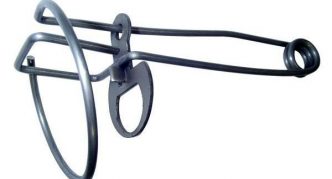
- The mole trap clamps the animal's head
-

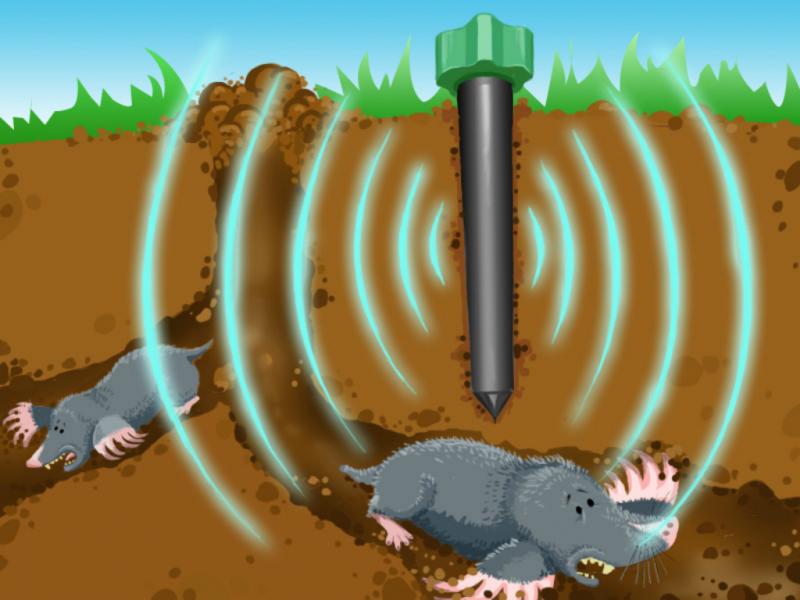
- The device emits ultrasonic pulses that cause panic in rodents.
-
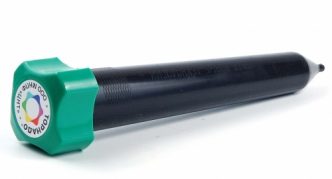
- Low frequency vibrations are also unpleasant for moles and shrews.
-
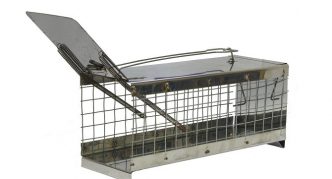
- As soon as a rodent is caught in the rat trap, the trap snaps shut.
-
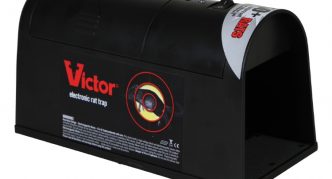
- Inside the electronic rat trap, the rodent is struck by an electric discharge.
-
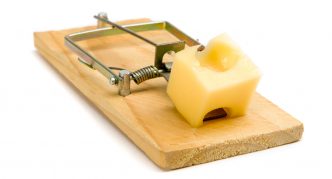
- When the mouse tries to get the bait, the device clamps the rodent's head
Preventive measures
It's always better to be proactive. There are many ways to prevent rodent infestations on your property and in your home:
- A net dug into the ground around the entire perimeter of the area, special plants, and simple homemade devices in the form of noisy jars will protect you from moles;
- It is better to install ultrasonic rat repellents in advance;
- a cat or dog living in the house or yard will protect you from mice and shrews;
- Keeping sheds, basements and livestock buildings clean (no trash, leaves, weeds and seasonal digging of the soil) will prevent the appearance of pests.
Reviews of effective methods of rodent control
I have a 16-month-old son, a Scottish Fold cat, and an eco-conscious wife. We ended up spending the entire summer at our dacha outside Moscow. Around July, we noticed mouse tracks in the house. We tried mousetraps, but after a couple of days, my wife categorically refused to bother with the dead mice. We really didn't want to use poison, as we were afraid of poisoning the cat. I scoured the internet for a solution and found the GRAD ultrasonic repellent. At first, I considered getting the GRAD 1000 PRO right away, but I had doubts about its effectiveness, and I really didn't want to spend 3,500 rubles. I decided to buy a simpler and cheaper device, the GRAD 550UZ. It's silent. It makes soft clicks and a faint hiss. I placed it in the kitchen. Within 10 days, the mouse tracks had disappeared. I was very surprised by its effectiveness. I thought it was a scam and a money-grab.
I use "Zernotsin" to control mice. The grain is coated with a pink, toxic substance. I always place the bait behind the animals' cages, in small cups. The mice die quite quickly, but you have to be quick to pick them up afterward.
Rats, field mice, shrews, and moles may be neighbors in your garden or private home. These animals are small, but they cause significant damage to your property and crops. It's important to notice these uninvited guests early and begin controlling them using one or more of the suggested methods.