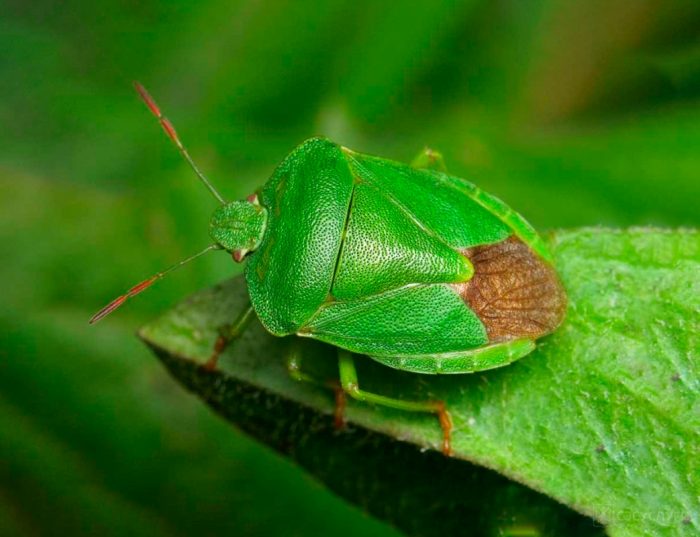
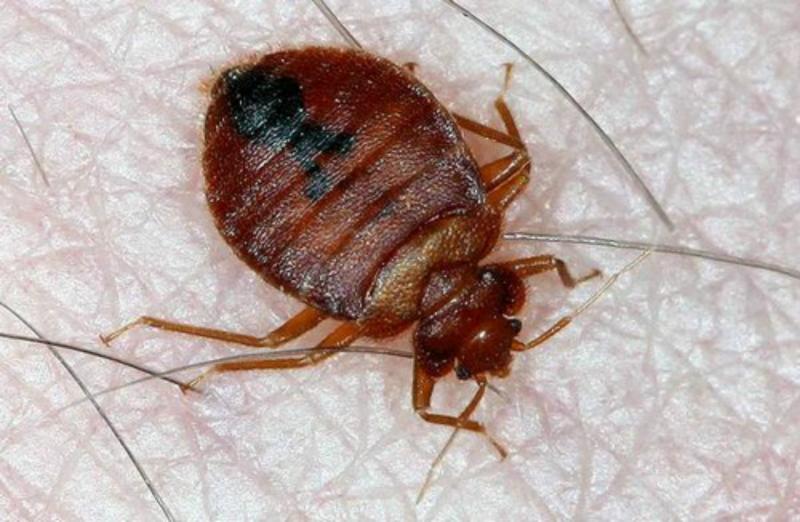
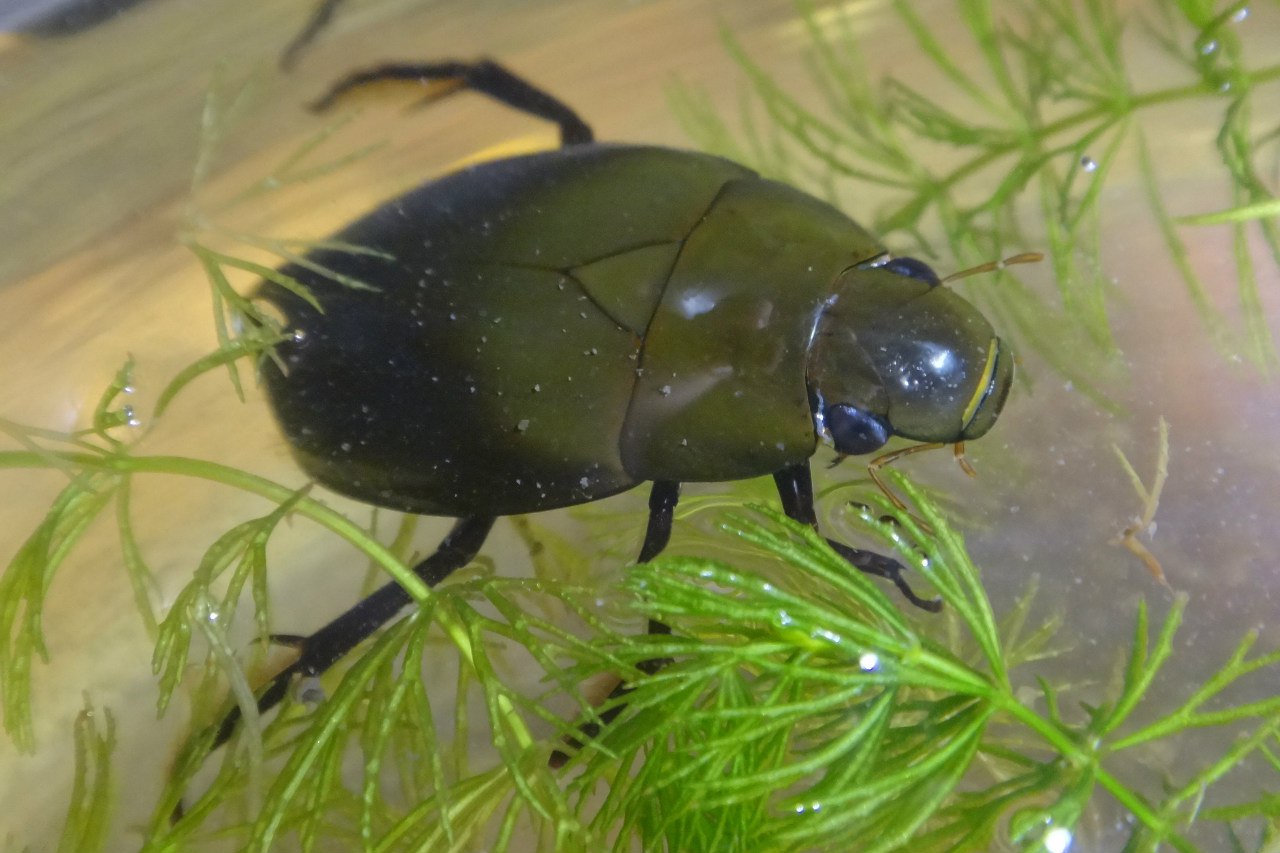
We usually associate the word "bedbug" with domestic pests. However, there are other members of the bug family living in the wild. For example, the giant water bug (Belostoma).
Giant water bug
Belostoma water bugs, or belostomatids (from the Latin name of the family Belostomatidae), belong to the order Hemiptera. There are approximately 140 species of belostoma. Few remain in Russia; currently, most of these bugs live in hot regions. Giant water bugs live in shallow bodies of water - ponds, lakes, and less often in rivers and streams. They can also live in seawater, close to the shore. Species that have adapted to the cold (for example, those living in the Far East) survive the winter under the ice, burrowing into the mud.
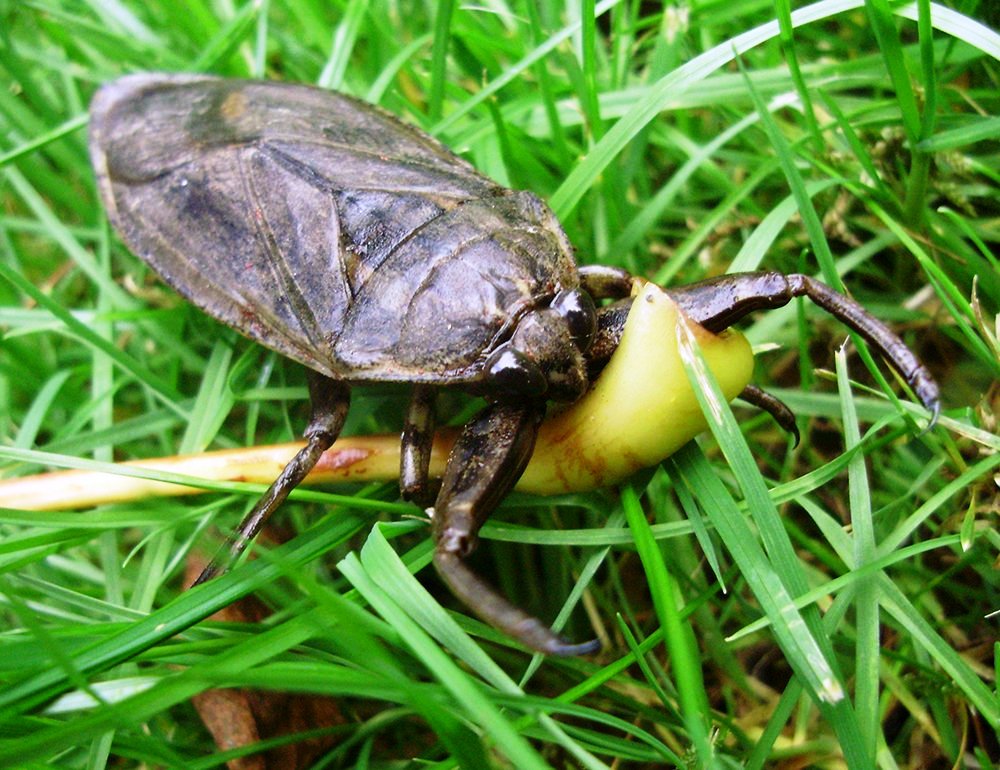
Giant water bugs can attack small snakes.
Giant water bugs feed on fish, insects, crustaceans, and amphibians; they can even attack animals slightly larger than themselves.
In Japan, attacks by a 15-centimeter white-footed turtle on a 17-centimeter turtle have been recorded.
Appearance and structure
The size of an adult Belostoma is 10–12 cm, with specimens up to 15 cm long sometimes found. The body is dark in color, with patterns on the back.
This insect has a streamlined body and six legs that act as oars when swimming. The dense hairs along the outer edges of the legs rise during the stroke, increasing the surface area in contact with the water. The legs also have dark spots—sensory organs that detect depth and water vibrations.
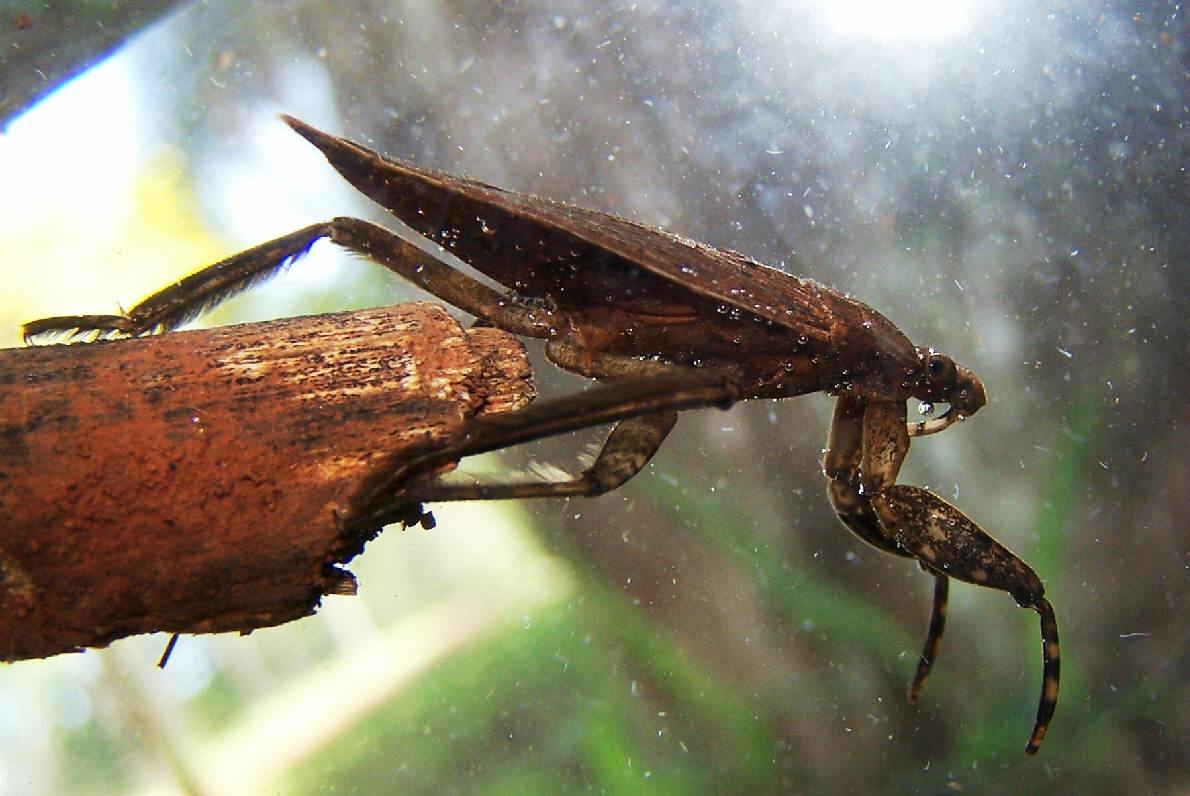
The structure of the belostome allows them to move easily in the water.
The belostoma's forelimbs are thick and curved forward, resembling the claws of a crayfish. The ends of these limbs are tipped with hooks, which the bugs use to grasp and hold prey. The mouth is a short, curved proboscis. This shape is convenient for feeding, as the belostoma pierces its prey and injects a toxic substance that liquefies the victim's internal organs, after which it sucks them out.
They also have wings, but they use them only for migration. These insects don't fly, preferring to remain underwater. However, belostoma often have to surface to breathe oxygen through breathing tubes located on the back of their abdomen.
When migrating to other bodies of water, white-winged bats may be attracted to lamps and other light sources, earning them the nickname "electric light bugs."
Reproduction and development
The development of the giant water bug includes three stages: egg, larva, and adult. The journey from egg to adult takes more than a month. Giant water bug larvae resemble adults, but are smaller and wingless. They undergo several molts, each acquiring new adult features, such as wings and reproductive organs.
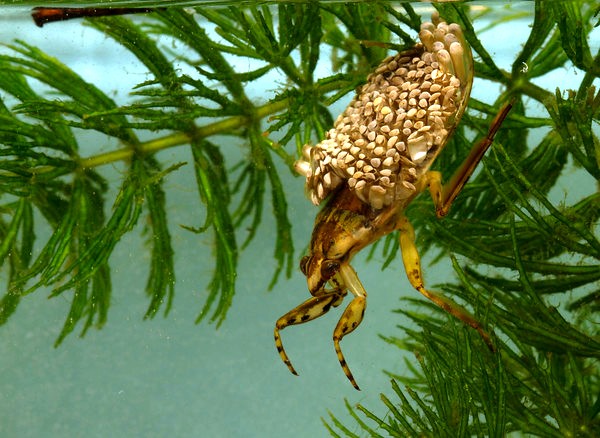
While caring for the eggs, males practically do not eat, so after the breeding season their numbers are significantly reduced.
In Japan, the caring male stink bug is a symbol of a good father.
Interestingly, females of some species of giant water bugs lay eggs on the backs of males, gluing them with a special substance after fertilization. After this, the father bugs do not swim for about two weeks and eat very little, guarding and caring for their offspring: by their movements, the males ensure a flow of fresh water to the eggs or by exposing their backs above the water to provide oxygen.
Other species of belostoma lay eggs on the leaves of aquatic plants.
Belostoma bites
Giant water bugs pose little threat to humans, as they do not attack. These insects typically respond passively to danger: when confronted with a large adversary, they freeze, feigning death. However, if handled or touched in water, a water bug may bite in self-defense.
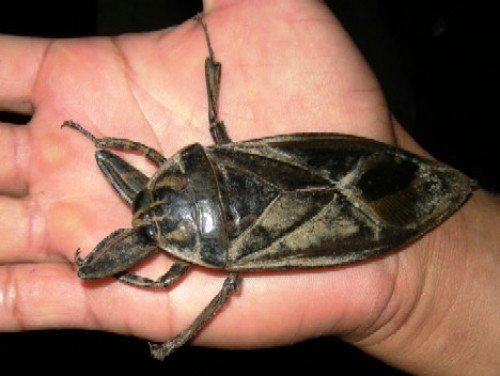
At the site of the Belostoma bite, blisters and wounds form that take a long time to heal.
In Asia, belostoma are eaten and considered a delicacy. In Thailand, this makes them endangered.
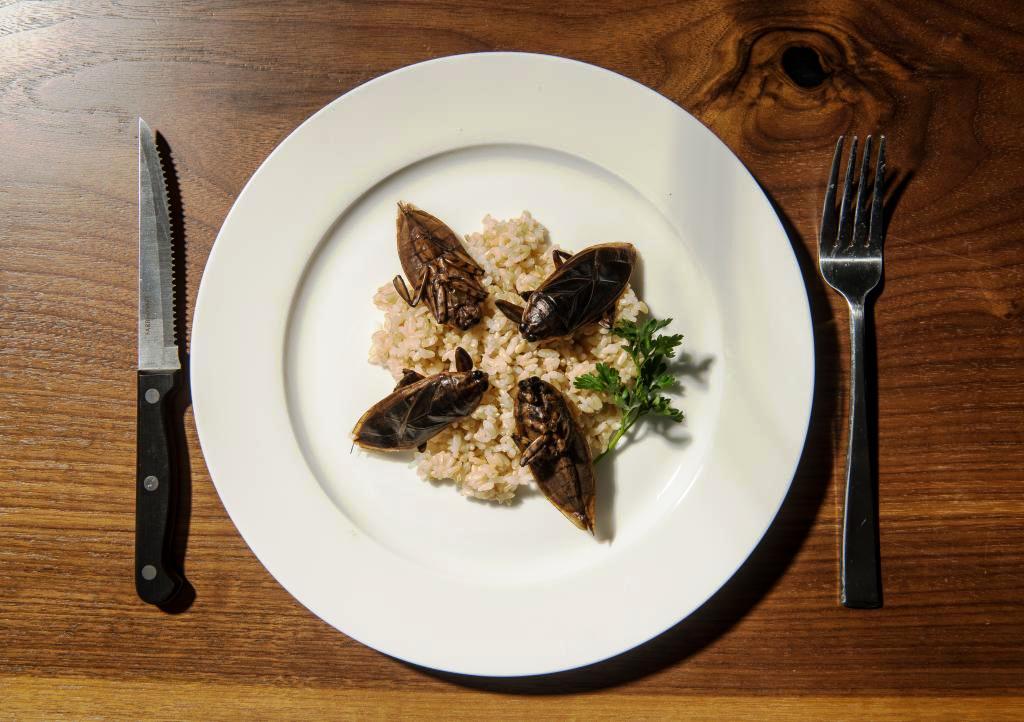
According to reviews, fried belostoma is a tasty and nutritious dish.
The bites of the giant water bug are not dangerous to humans, but they are very painful. Swelling occurs at the site of the bite. As the bedbug's digestive enzymes enter the wound, it takes a long time to heal, depending on the individual's individual characteristics. Theoretically, the venom contained in the bedbug's saliva could cause a severe allergic reaction. Although no deaths have been recorded from bedbug bites, it's still a good idea not to disturb them unnecessarily.
The Belostoma is a nearly harmless, beautiful, and unique creature. Giant water bugs should not be harmed or destroyed, as these insects are essential to nature. To avoid a nasty bug bite, be careful when swimming and avoid handling them.