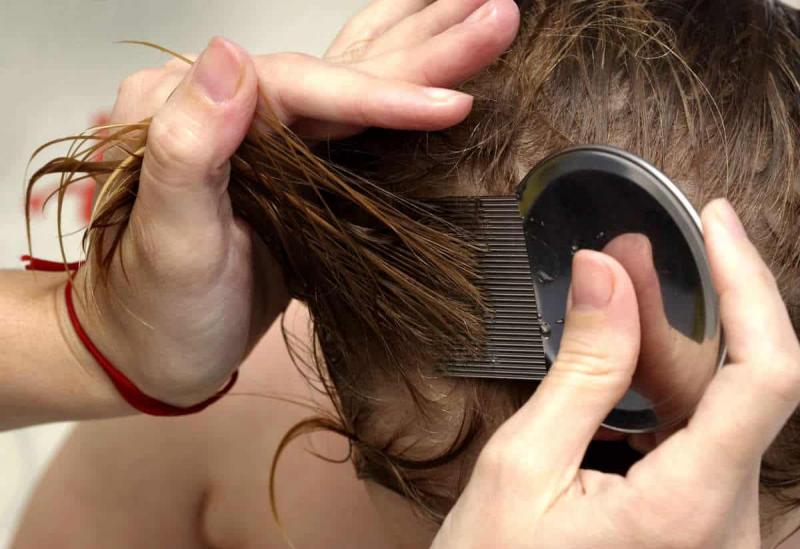
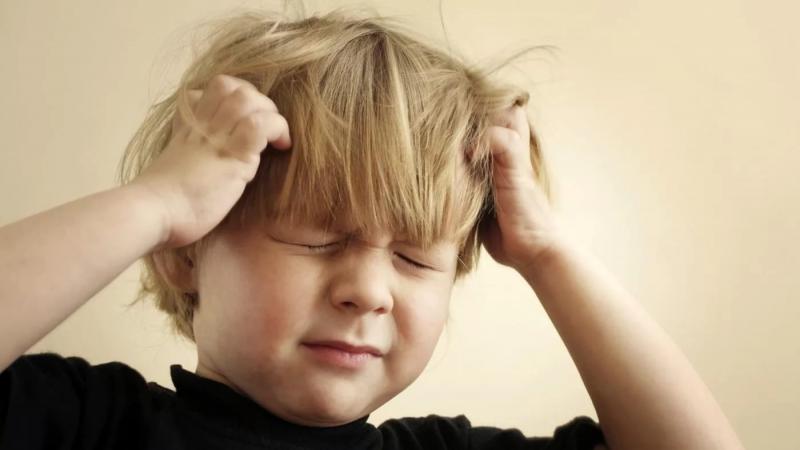
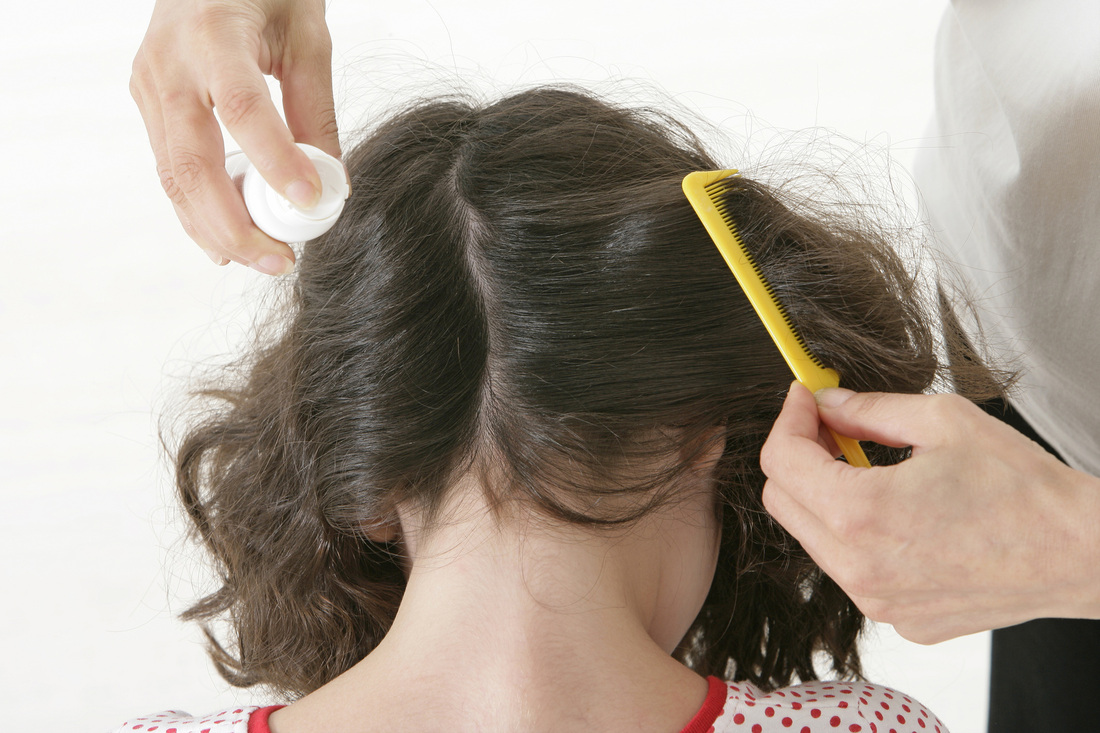
Pediculosis (lice) is a fairly common disease. It's easy to catch in crowded places. Children often suffer from lice, bringing the parasites home from kindergartens, schools, and summer camps. One inexpensive and effective treatment for pediculosis is hellebore water.
Content
What is hellebore water?
Before we discuss in detail how to treat head lice with hellebore water, let's try to understand what hellebore water is, how it is made, and from what plant.
So, hellebore water is an alcohol infusion of hellebore. Hellebore (common name: chokeberry, Latin: veratrum) is a perennial herb with greenish or dark red flowers.
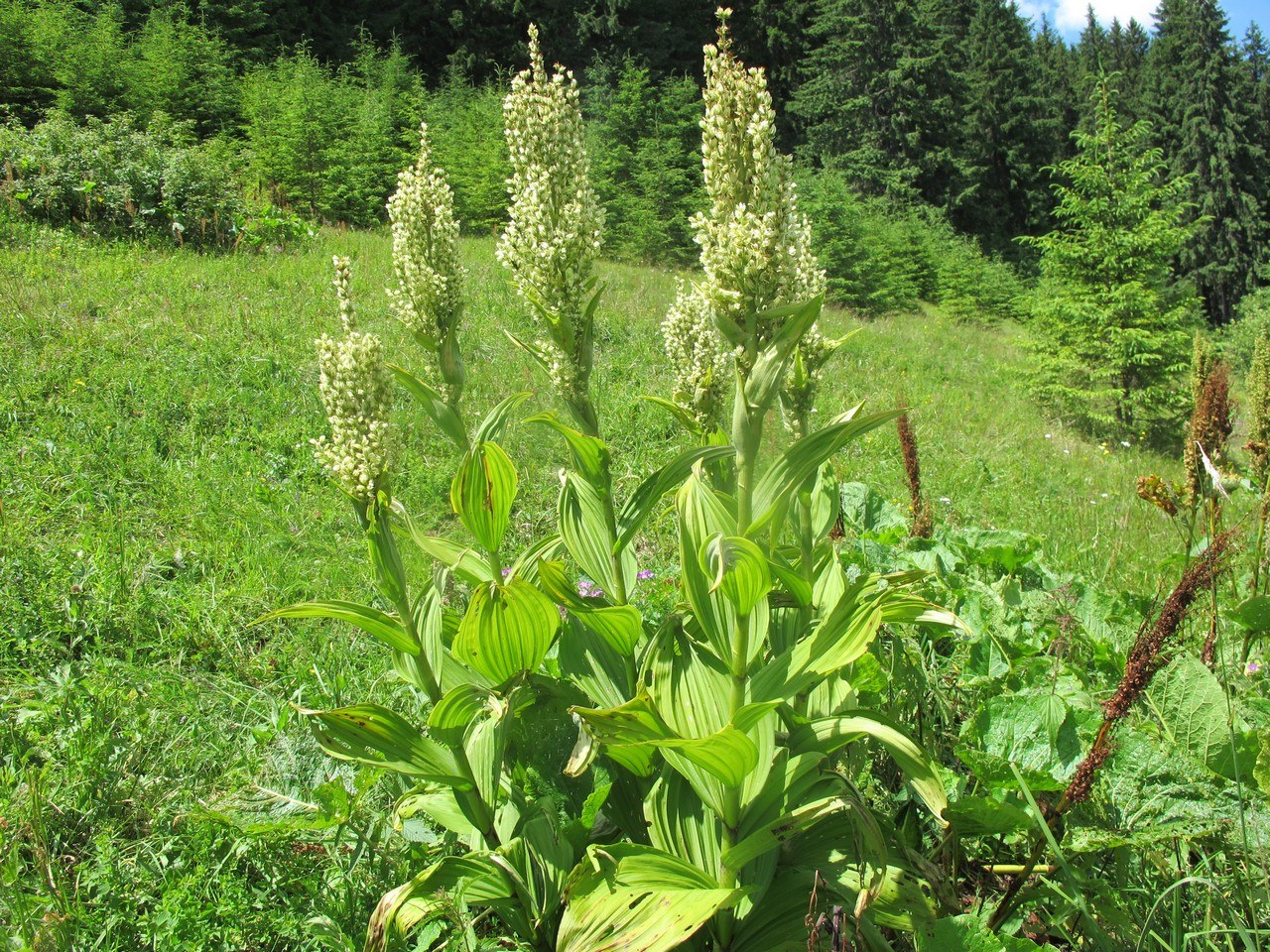
Hellebore (veratrum) is a poisonous plant, an infusion of which treats pediculosis.
Veratrum is a poisonous plant. It contains the alkaloid veratrine (hence its Latin name), which is extremely toxic and has a detrimental effect on the nervous system of living organisms. Because of this toxin, veratrum is used in pharmacology as a treatment for pediculosis.
Composition and properties
The tincture's ingredients are very simple: hellebore extract, alcohol, and purified water. Despite its ease of preparation, hellebore water has many beneficial properties:
- stimulates hair growth;
- regulates the functioning of the sebaceous glands;
- treats dandruff;
- strengthens hair structure;
- prevents split ends;
- strengthens roots and prevents hair loss;
- increases blood flow to the head, which helps improve hair nutrition;
- treats pediculosis.
As we can see, hellebore can be very beneficial as a hair care product. However, do not forget that the tincture is used only externally. Taking the drug internally causes severe poisoning, so exercise caution.
Hellebore water as a remedy for pediculosis
How can hellebore get rid of lice if it has so many beneficial properties for hair? The fact is, the tincture is applied topically to the hair; the hellebore water is absorbed into the skin in very small quantities and practically never enters the bloodstream.
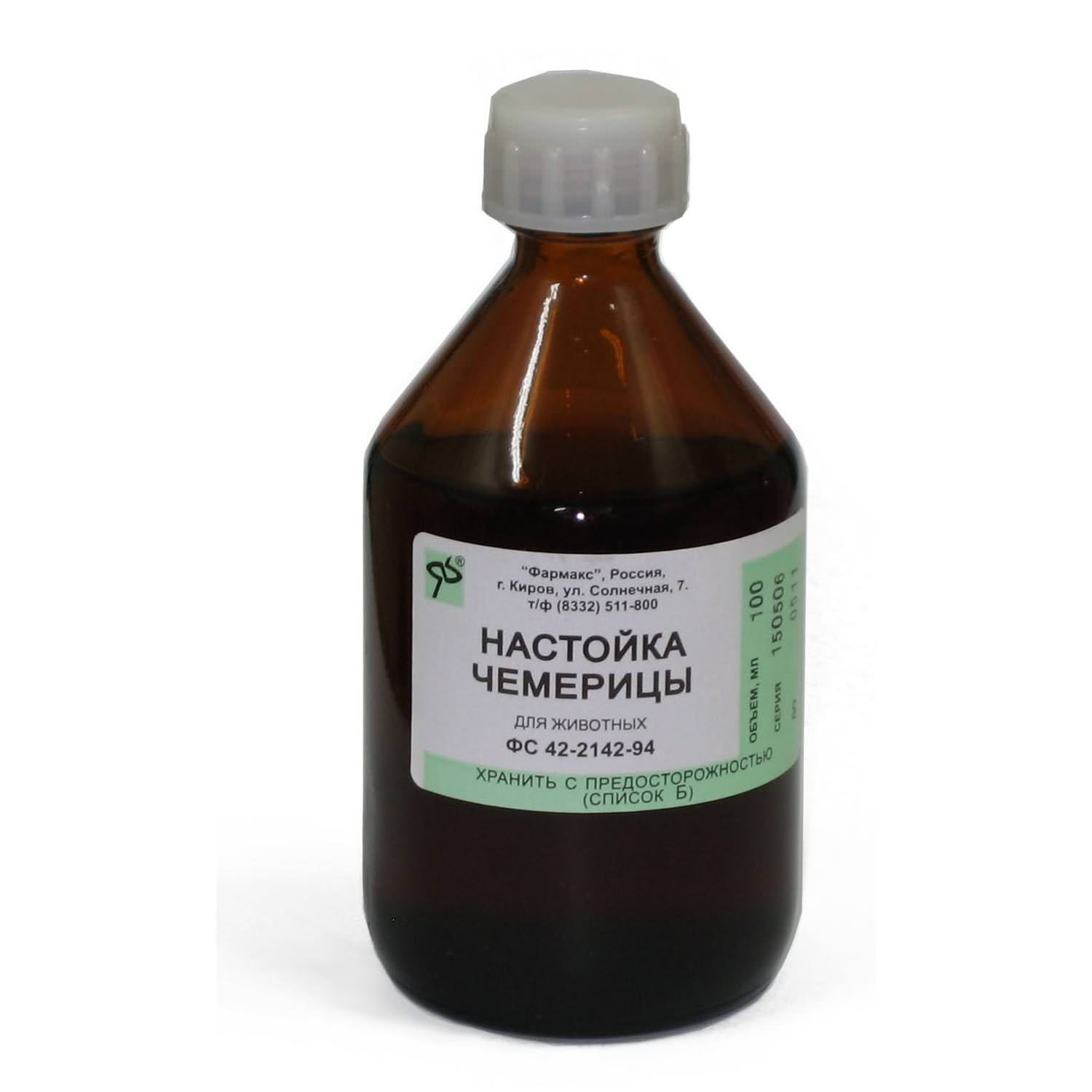
Hellebore water is a good remedy for getting rid of lice.
As for the lice, their entire bodies are exposed to the active poisonous substance, and the toxin penetrates the parasites' chitin and destroys their nervous system. The tincture is fatal to all adult lice.
In addition, hellebore water has an antiseptic effect, neutralizes the fungus that causes dandruff, and cleanses the skin's surface of germs.
So, hellebore water is a highly effective remedy for getting rid of lice. It is widely used in the fight against pediculosis, which can be confirmed by reading reviews from people who have used this drug in practice.
Patient reviews
I used hellebore to treat my hair loss, but be careful not to get it in my eyes—it's a real pain. For a week and a half, I treated my hair every other day. Apply it with cotton wool, hold it there, rinse, and then wash my hair with regular shampoo. Since I have no one to comb it out or even watch it, I do it myself. My son has already had two infections this year, and I used hellebore both times.
Many years ago, when I was still in fourth grade, I managed to pick up lice at camp. My mother immediately ran to the pharmacy and bought several jars of hellebore water and a fine-tooth comb. At the time, my hair was incredibly long, reaching down to my waist. My greatest fear was having to cut even a centimeter of it. After several applications of hellebore water combined with lice combing, I was able to completely get rid of this scourge.
I encountered this "water" at least twice. And both times, my mother used it [the hellebore water] to get rid of such a nuisance as lice... She repeated this process for several days until these creatures completely disappeared.
...my husband and grandfather flatly refused to dye their thick hair, so I bought them some cheap hellebore water. I applied this water to their hair, wrapped it in a scarf for half an hour, and then they washed their hair with shampoo... The procedure had to be repeated in a week... My grandmother always praised this water, saying it thickened hair, cured dandruff, and got rid of lice and nits. But I didn't like the hellebore water because of its suffocating smell.
The only effective and quick remedy is hellebore water. It's sold at pharmacies and costs pennies. It'll clear up in one or two uses.
Hellebore water helped me with the same problem at school. Once you've done it, repeat the procedure a week or two later.
Thus, most users of hellebore water agree that the remedy really does help cure pediculosis.
The undoubted advantages of hellebore water are its availability (available in pharmacies) and relatively low cost. Its disadvantages include its toxicity and low effectiveness in killing nits.
Contraindications and possible side effects
Like most medications, hellebore water has its limitations in use.
Hellebore water should not be used:
- during pregnancy;
- during breastfeeding;
- under 3 years of age;
- if there are open wounds in the area of application;
- if there are cuts and scratches on the surface of the treatment;
- in case of individual intolerance to the components of the product.
All side effects are described in the instructions included with the tincture. Here are the main ones:
- dizziness;
- nausea and vomiting;
- skin itching;
- weakness in the legs;
- increased heart rate;
- redness of the skin.
To avoid dangerous situations and allergic reactions, perform a sensitivity test before using hellebore water. Apply a small amount of the tincture to the inside of your elbow. If no allergic reactions or side effects occur within 24 hours, you can use the product to treat lice.
Recommendations for the use of hellebore water
So, to get rid of lice using hellebore water, you need to do the following:
- Wash your hair thoroughly with shampoo.
- Blot your hair with a towel until excess water is completely absorbed.
- Dry your hair slightly until it stops dripping. Don't overdry it! Keep your hair damp.
- Comb your hair and divide it into sections. For very long hair, divide your head into sections.

Before using hellebore water, wash your hair, comb it and separate it into strands.
- Shake the bottle with hellebore water.
- Take a cotton pad or swab and soak it with the tincture.
- Apply the product with quick movements along the entire length of the hair, to the roots and scalp.
- Pay special attention to the back of the head, behind the ears, and the temples. These are the areas where parasites tend to congregate.
- Gather long hair into a bun.
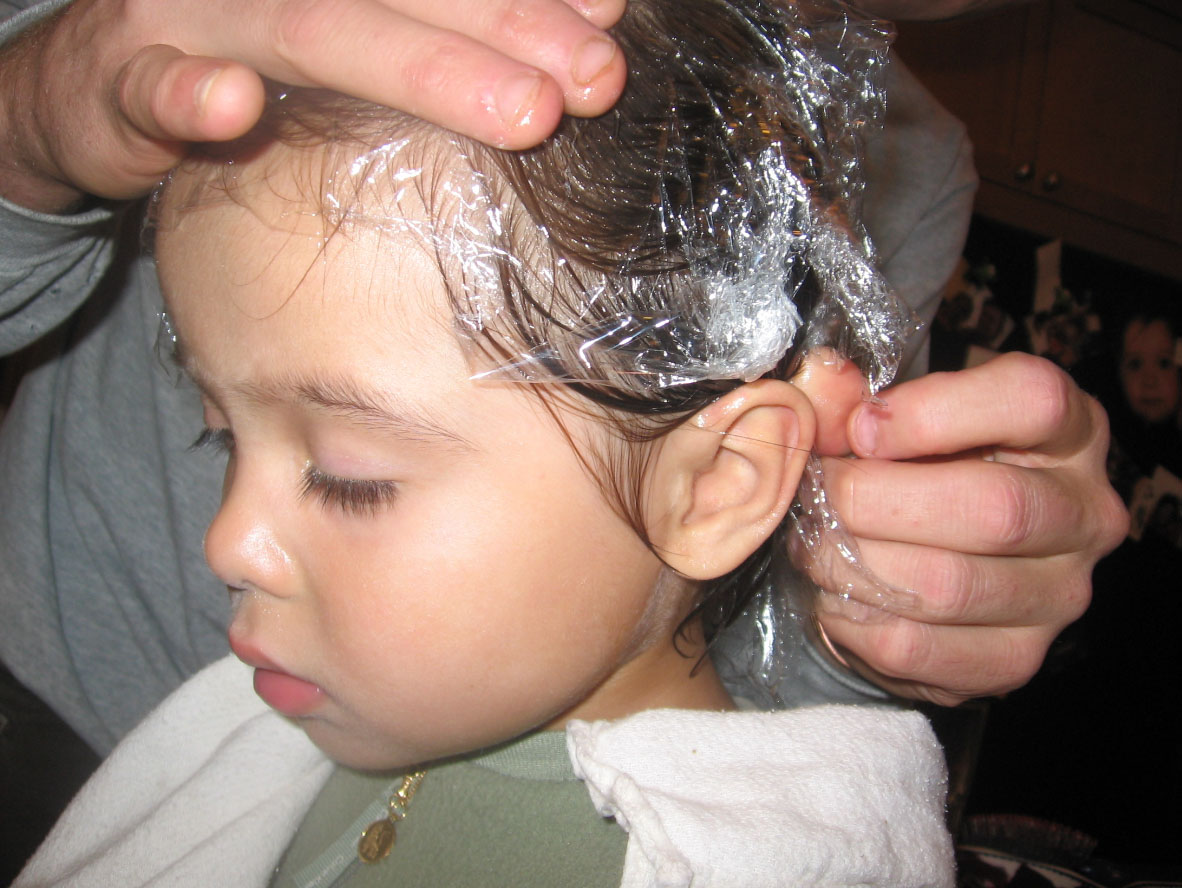
- Then place a plastic cap or bag over your head and tie a scarf tightly over it. The isolation from the strong odor will suffocate the lice, which will speed up their death.
After applying hellebore water, put on a plastic cap
- Leave the applied product on for 20–30 minutes.
- After this, remove the bag and wash your hair with shampoo.
- Sit down and place a handkerchief or newspaper on your knees.
- Carefully comb each strand of hair over a laid scarf with a fine comb (preferably a special one for lice).
- Be sure to remove all nits.
- If necessary, repeat the procedure every other day.
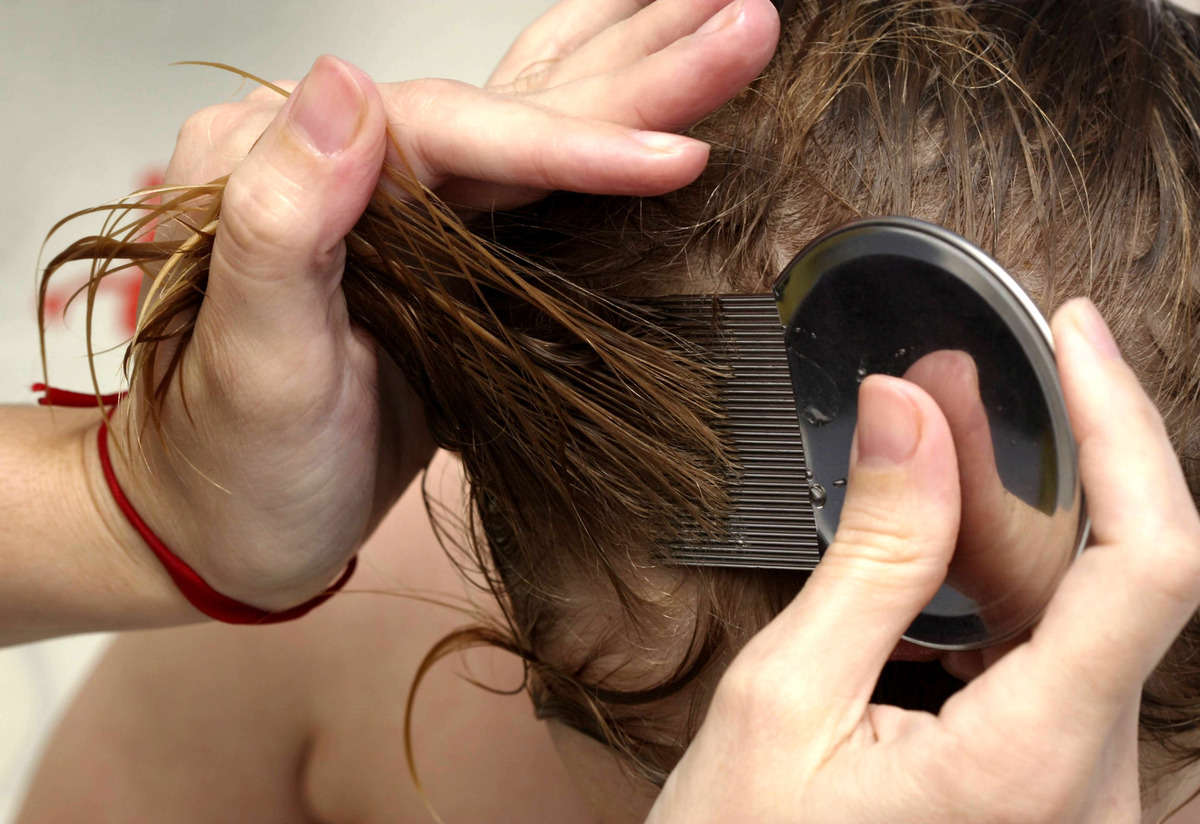
Please note that hellebore water contains toxins, so be sure to take precautions:
- Before the procedure, prepare the room. It should be well ventilated, and if possible, perform the procedure outdoors.
- Ensure safe breathing. It's best to wear a mask or use a snorkel and breathe through it.
- Anyone applying hellebore water should wear rubber gloves.
- When applying, be careful not to let the tincture come into contact with your ears, eyes, or mouth. If this happens, stop using the product and immediately rinse the affected area with plenty of water.
- Do not take the tincture internally. Keep out of reach of children.
Treatment of pediculosis in children
Children are our most precious treasure, so using any medication raises questions: is it possible, is it necessary, and is there any danger? Yes, provided all precautions are followed. Is there any danger? It's possible, so read the instructions before use, or better yet, consult a doctor. In any case, children under 3 years of age should not be treated for lice with hellebore water. Should the tincture be used on children over 3? That's up to you to decide.
In practice, hellebore water is widely used for both adults and children. Provided there are no contraindications and all safety precautions are followed, you can treat your little ones to good health.
Hellebore water is an inexpensive and effective remedy for lice removal. This remedy has its pros and cons. Hellebore tincture is readily available, but it doesn't kill nits, so they must be combed out and removed. Keep in mind that hellebore tincture is toxic. As with any medication, carefully read the instructions before deciding to use hellebore water to kill lice. Follow safety precautions and doctor's instructions, and you will successfully treat this affliction.