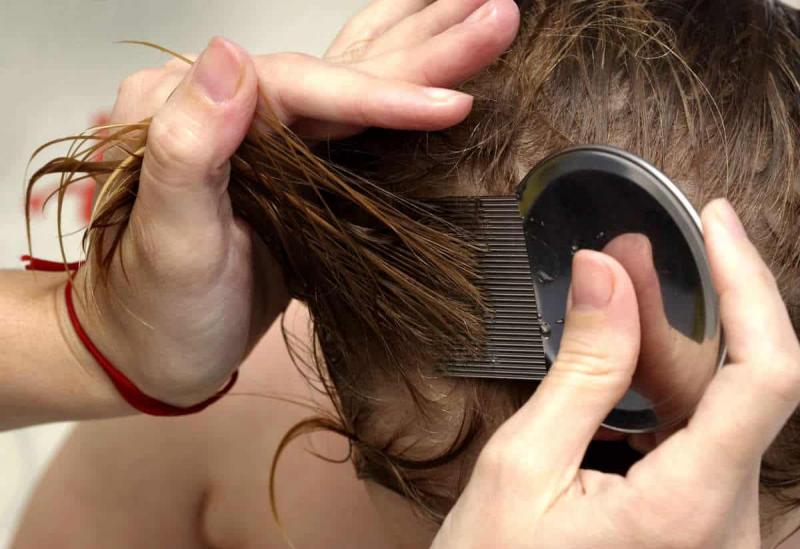
There are a number of parasites that inhabit humans. These include microscopic mites and lice. It is commonly believed that the latter can live not only on the surface of the skin but also beneath it. However, there are serious reasons to doubt this.
Content
Do subcutaneous lice exist?
Some people believe that lice can live inside a person, under his skin. In fact, these parasites and their eggs are not able to penetrate there.
Let's consider some features of their structure that confirm this:
- Lice have a proboscis-like mouthpart designed to pierce the skin rather than chew through it. They suck blood, but nothing more.
- Lice's legs are adapted for optimal attachment to their host's hair. They are equipped with claws that the insect uses to grasp hair. Under the skin, the parasite has no place to attach itself.
- Lice eggs (nits) have a tough shell designed for their development in the air and a sticky substance that attaches them to hair. They lack mouthparts capable of piercing the skin.
There's another myth about lice. Many believe they appear spontaneously, due to stress. This isn't true: lice are parasites carried by humans or animals. Infection is impossible unless adult lice or their eggs are present on a person. Furthermore, science has never documented a single case of a living creature appearing out of nowhere.
The common name for "subcutaneous lice" is given to another parasite - the scabies mite, which is a special type of mite. It lives under the top layer of the skin - the epidermis.
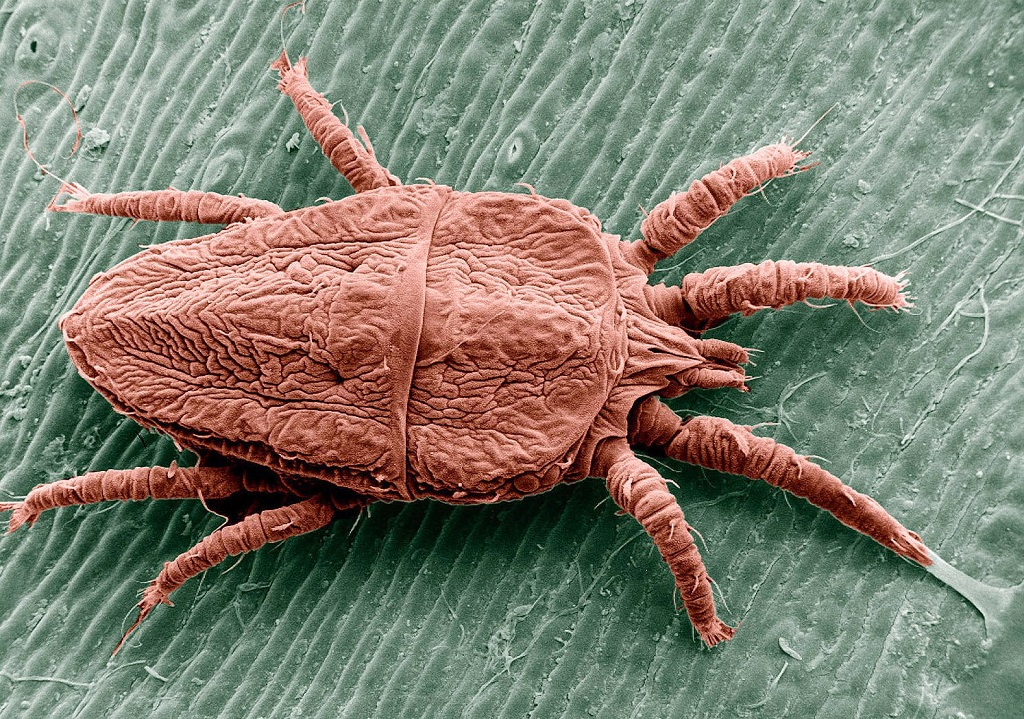
The length of the scabies mite is only 0.25–0.5 mm
Although biologically very different from lice and structurally closer to spiders (belonging to the class Arachnida), the symptoms of scabies mite and lice infestation are similar. Due to the microscopic size of both parasites and the intense itching they cause, the scabies mite is called the "subcutaneous louse."
Another mistake that can be encountered is when demodex mites (mites) are called subcutaneous lice. Although they typically live under the skin of the face, they sometimes infect other areas of the body. There are over 60 species of these parasites. They inhabit the sebaceous glands, near hair roots, and in the eyelids.
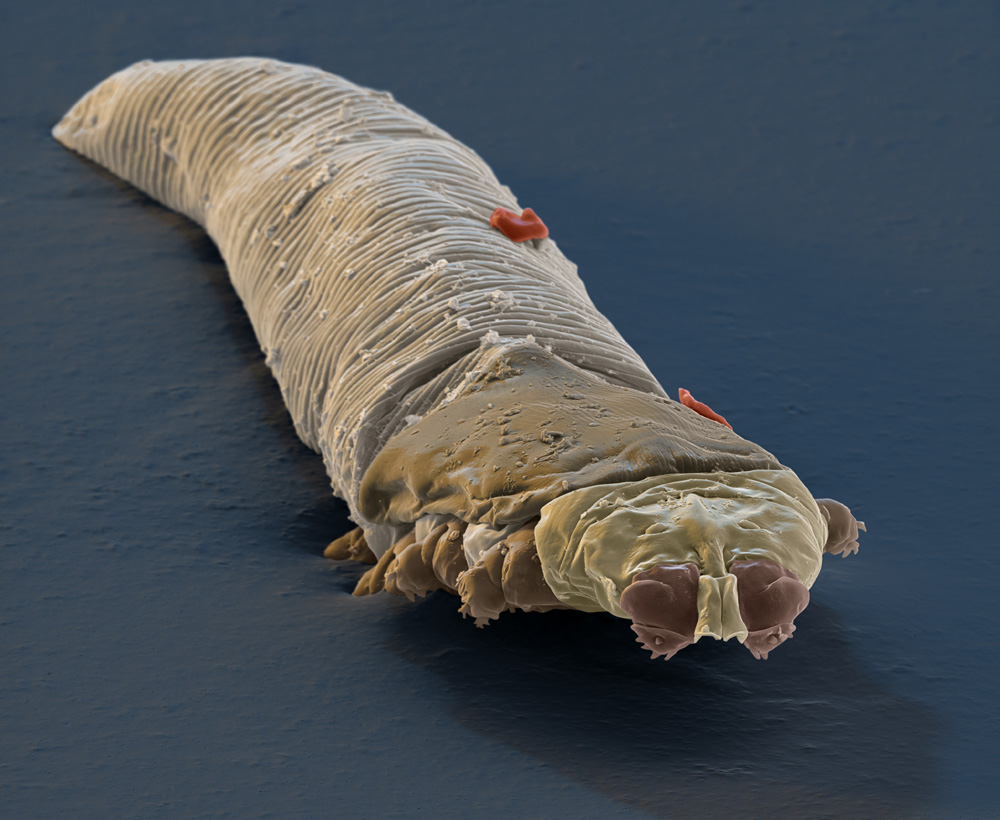
The size of demodex mites is 0.15–0.48 mm.
These parasites can be confused with lice when demodicosis of the scalp appears, accompanied by itching and bumps under the skin. The disease occurs due to weakened immunity, stress, and hormonal imbalances. Demodex can live in a healthy body without causing any symptoms. A significant number of people are infested with the mites, but only a few are aware of it.
Diseases caused by lice and subcutaneous mites
There are a number of symptoms that help distinguish between different types of subcutaneous lice. It's important not to confuse these parasites, as the methods for treating them differ.
Pediculosis
Lice are classified as head, body, and pubic. Head lice live on the scalp, body lice live in clothing, and pubic lice live on the genitals. The first type is most common. Symptoms of head lice infestation include:
- severe itching that makes you constantly scratch your head and neck, resulting in characteristic abrasions;
- red bite marks can be seen behind the ears, on the neck and scalp;
- There are nits on your hair—tiny white dots or grains that can be confused with dandruff. However, unlike dandruff, they are firmly attached, and you can't simply brush them off your head.
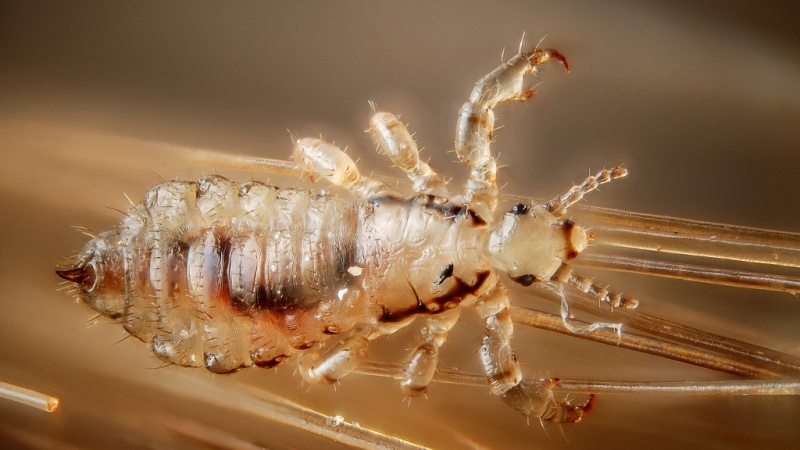
Thanks to special adaptations on their paws, lice can move very quickly along the surface of the hair.
Lice are transmitted by contact when an infested person is nearby, and the louse can crawl across. It's also possible for the parasite to spread from the personal belongings of someone with pediculosis.
Scabies
Scabies mites, also known as itch mites, cause the disease known as scabies.
Sometimes this term is used to describe any condition that causes severe itching, but true scabies also has other symptoms:
- the itching intensifies after a hot shower, as well as at night;
- a characteristic rash appears in the form of plaques, small pimples or thin, winding stripes with a blister at the end;
- You may notice a rash in stripes—these are the burrows that the female scabies mite burrows under the top layer of skin. This is where new mites hatch.
Typically, the scabies mite affects areas with the thinnest skin: joint folds, various folds, the surface between the fingers, and the sides of the body.
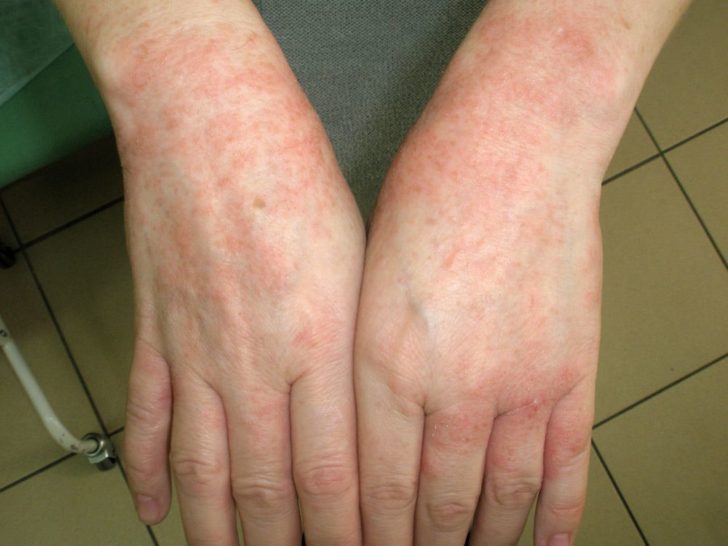
Scabies is recognized by the presence of a rash and scabies burrows, but in some cases the latter may not be present.
In children, scabies often appears in other places: on the face, scalp, palms and soles, and buttocks.
The mite that causes the disease is transmitted from person to person through close contact. Infection through personal items and bedding is rare, but it does happen.
Based on data from dermatovenereological dispensaries, statistics were collected on the most typical locations of scabies rashes.
Table: Places most commonly affected by scabies mite
| Percentage of infected of the total number | Location of the rash |
| 50% | Wrists, area between fingers |
| 25% | Feet |
| 25% | Torso |
| 25% | Arms and legs (except hands and feet) |
| 50% of men | Genitals |
| 10% of women | Mammary glands |
Demodicosis
The disease is caused by an arthropod called "Demodex." Depending on the affected area, the mites, also known as acne mites, exhibit the following symptoms:
- itching of the skin of the face and scalp;
- hair loss, hair fragility;
- the appearance of dandruff;
- pimples, pustules on the affected areas;
- peeling skin, pink and red spots, increased sebum secretion;
- When the eyes are infected with demodex, there is discharge from them and lacrimation.
Unlike scabies, demodex mites live deep within the skin. This can cause pain and a crawling sensation. Rarely, and only in severe infestations, can they settle on the chest and upper back. Usually they affect the corners of the lips, nose, areas above the upper lip or on the chin, forehead, eyelids, cheeks, and less often the scalp.
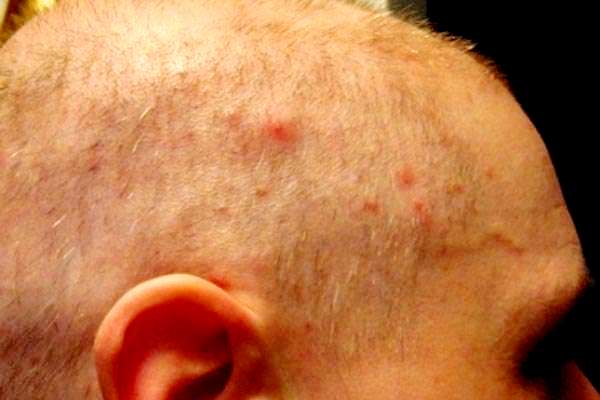
The appearance of acne is a characteristic feature of a demodex mite infestation.
Children, as a rule, do not suffer from demodicosis because their skin produces less of the sebum that the mite prefers. Demodicosis can only be contracted through close contact with a person who has a significant number of mites.
Demodex often affects women who use excessive amounts of cosmetics, hair dyes, and chemical-based personal care products, as all of this disrupts the balance of the skin.
How to distinguish pediculosis from scabies and demodicosis
Lice and scabies infestations are fairly easy to differentiate:
- in case of scabies there are no nits on the hair;
- When infected with lice there is no rash;
- Itching from lice does not increase after taking a warm bath or shower, while this phenomenon is observed with infestation by the scabies mite.
It is also not difficult to distinguish between pediculosis and demodicosis:
- in case of demodex infestation there are also no nits;
- pimples appear, which are not caused by lice;
- Like scabies, mites affect the scalp less often than the face;
- Lice do not cause dandruff or hair loss.

One of the most common medications for scabies and demodicosis is regular sulfur ointment.
How to get rid of diseases commonly known as subcutaneous lice
Both real and "subcutaneous" lice (or rather, the diseases they are called) must be treated to prevent their spread and the development of complications, such as purulent infections in the areas where scratches occur.
Scabies mite
If you experience symptoms of scabies, see a doctor immediately. They can help differentiate scabies mites from other skin conditions and prescribe medications. The disease does not go away on its own; it may only subside periodically. To recover, it is necessary to completely destroy the tick and its eggs.
Ointments or emulsions are most commonly used. The most effective of these are:
- emulsion and ointment Benzyl benzoate;
- Permethrin cream and lotion;
- Spregal aerosol;
- sulfur ointment.
You shouldn't self-prescribe medications, as only a doctor can identify any specific conditions or possible contraindications. Furthermore, a skin scraping should be taken for testing in a medical facility.
If scabies mites appear, complete disinfection of the infected person's home and personal belongings is essential. All clothing, linens, and children's toys should be washed in boiling water or hot water with baking soda added. Surfaces should be treated with the same baking soda solution or bleach. Items that cannot be washed (mattresses, pillows, blankets) should be thrown away or exposed to frost or sun for several days.
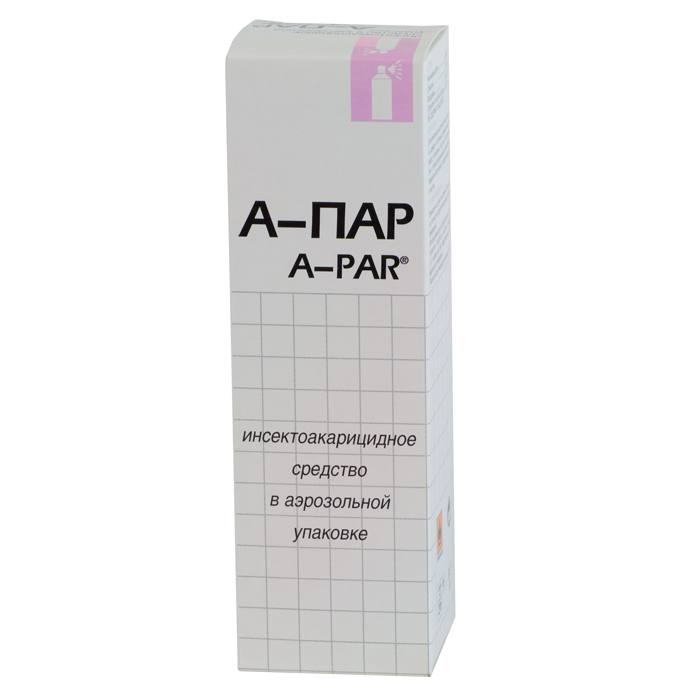
During the treatment process, it is important to destroy parasites not only on the body, but also on the things of the infected person.
Video: Diagnosis and Treatment of Scabies
Demodex mite
Demodex mites are often more difficult to treat than scabies mites. If you experience symptoms of demodicosis, be sure to consult a dermatologist, who will perform a skin analysis and prescribe medication based on the results. Usually, complex treatment is required, which includes antibacterial drugs for oral administration and topical agents (gels, ointments). It is also necessary to improve the functioning of the hormonal, immune, and nervous systems to prevent future exacerbations of the disease. During treatment, it is recommended to follow a diet that limits fatty, spicy, fried foods, and sweets.
Doctors often prescribe the following medications:
- Trichopolum;
- Baziron;
- Spregal;
- Metronidazole;
- Metrogyl gel;
- sulfur ointment;
- Permethrin ointment.
Folk remedies for demodicosis are ineffective. However, using them in conjunction with medications is helpful. It's best to cleanse the affected areas with tar soap, and instead of washing with water, it's better to use herbal infusions of celandine or wormwood.

It is recommended to apply diluted tea tree oil to the affected areas, which has an antibacterial effect.
Demodex is not as contagious as the scabies mite, so there is no need to disinfect the living space. To avoid reinfection, use clean towels and pillowcases every day during treatment. For loved ones, preventative measures include maintaining good hygiene, eating a healthy diet, strengthening the immune system, and managing stress.
Video: The History of Demodex Treatment
Reviews
Lice cannot appear on a nervous basis IN ANY WAY. My daughter had them too. We went to the doctor and he told us that SUBCUTANEOUS and NERVOUS (nervous) lice DO NOT EXIST!
Scabies mites live deep within the skin, creating burrows (which causes itching). Typical sites include the spaces between the fingers, the groin and inner thighs, and the lateral surface of the abdomen.
A skin scraping needs to be taken and examined under a microscope for clarification (since scabies is diagnosed by microscopy, not by the rash itself). Treatment will then be prescribed based on the circumstances.
In some cases, the Demodex mite spreads from areas with a high concentration of sebaceous glands throughout the scalp, including the hair. This is even more common in women than in men. This occurs because women often dye and bleach their hair using fairly harsh chemicals: each dyeing process involves 20-30 minutes of exposure not only to the hair but also to the scalp. These procedures gradually weaken the scalp's immunity, making it much more vulnerable to the spread of demodicosis.
With demodicosis, pustules and red nodules may be visible on the scalp. Any treatment options require consultation with a trichologist or dermatologist.
Subcutaneous lice don't exist. The parasites so called are actually scabies mites or demodex mites. But this doesn't change the fact of the matter, and skin diseases can and should be treated, regardless of their name.