The Red Data Book of Rare Animals is increasingly adding new entries. Even the most popular species are at risk of becoming endangered.
Fireflies
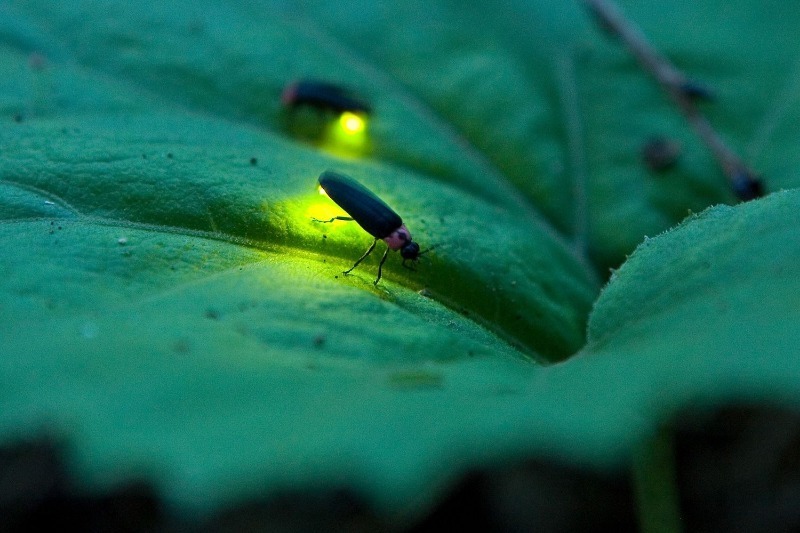
At the beginning of 2020, something we didn't expect happened. Fireflies are on the brink of extinction. We're not talking about all 2,040 species, but just a few. What contributed to this?
According to scientists, certain species face a significant risk of extinction due to the lack of adequate habitats, the use of insecticides, and artificial lighting. Species that inhabit swamps, forests, and other areas remote from humans are not currently at risk of extinction.
Deforestation for agricultural purposes is the main cause of extinction. Habitat loss has hit the common firefly, a species widespread in Asia and Europe, hardest. Females of this species are flightless, unable to migrate to other environments.
According to numerous estimates, artificial lighting covers 23% of the globe. This light has a detrimental effect on firefly reproduction. They cannot reproduce under such lighting because they attract mates with their glow.
Pesticides kill a huge number of fireflies. People use these chemicals to control pests in their gardens and vegetable patches. This is especially harmful to firefly larvae, which live shallowly underground. It's the surface layer where chemicals penetrate most.
Polar bears
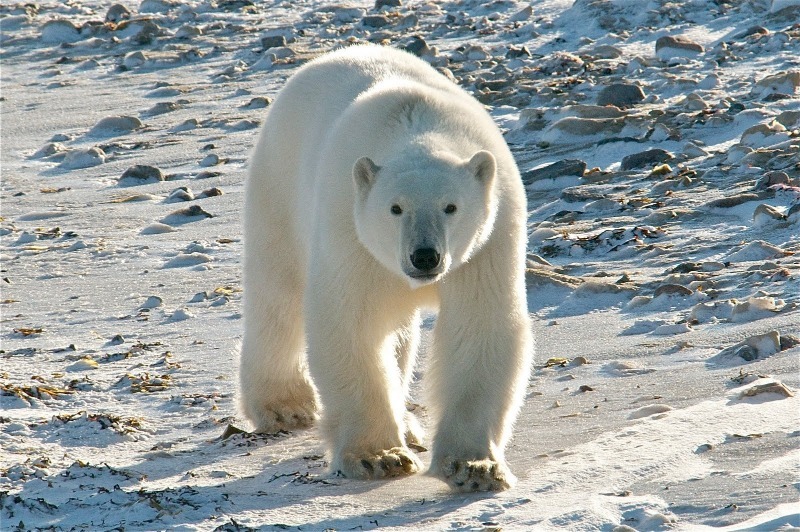
Between 2000 and the present, the polar bear population has declined by 70%. This is due to the reduction of ice cover due to global warming.
The early melting of ice and snow has led to cold-loving fish and seals (the bears' primary food sources) migrating to higher latitudes. The animals are consuming unsuitable, low-calorie foods and failing to accumulate the necessary fat. This causes health problems. This is particularly detrimental to young animals, with high cub mortality rates observed.
Pangolins
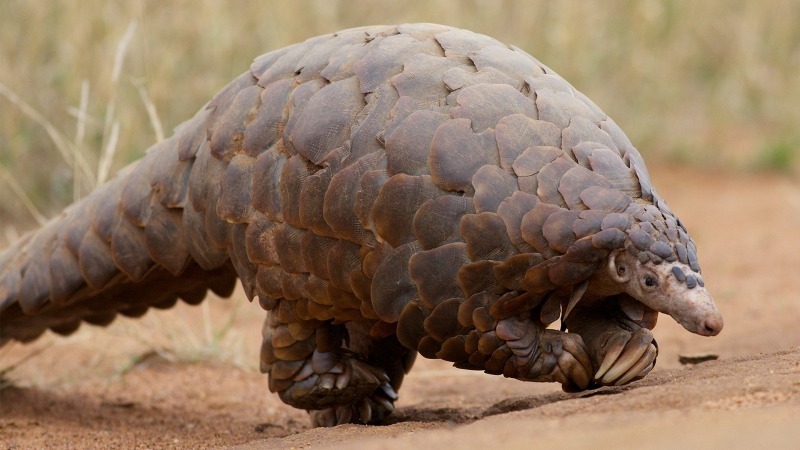
Several pangolin species are critically endangered. The situation has been worsening over the past ten years.
Pangolins are the only scaly mammal on the planet. They are in high demand on the illegal market. Many people seek to purchase this now-rare animal for the nutritional value of its meat.
Orangutans
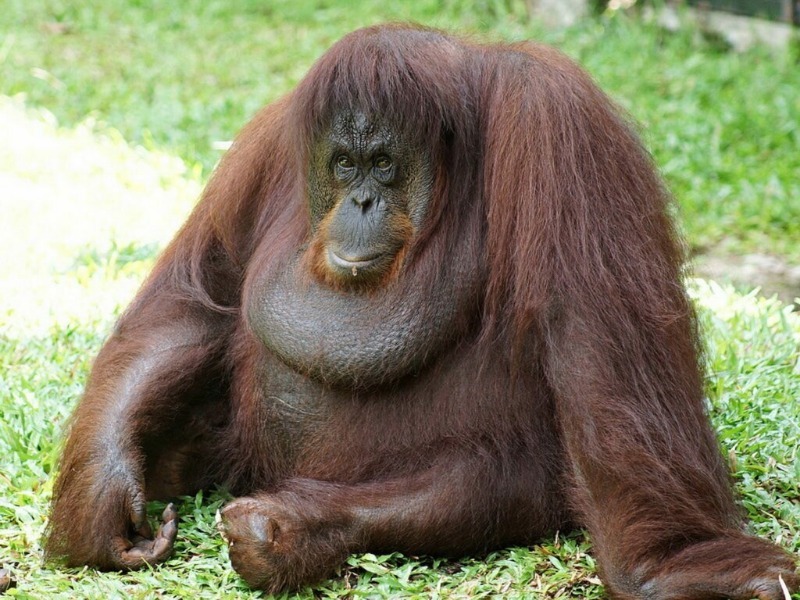
Some species are at risk of extinction. Two species found in Indonesia are endangered due to deforestation.
Forests are being destroyed due to the high demand for palm oil. Its production requires vast amounts of space, which has affected Indonesia's forests. The number of suitable habitats for Sumatran and Bornean primates is decreasing every year.
In 2016, there were approximately 14,600 Sumatran orangutans and 54,400 Bornean orangutans. These animals are listed as one of the 25 most endangered apes. Indonesian tribes consume the meat of these rare animals. There is a high demand for baby orangutans on the black market, with them sold to circuses, zoos, and private collections.
Mountain gorilla
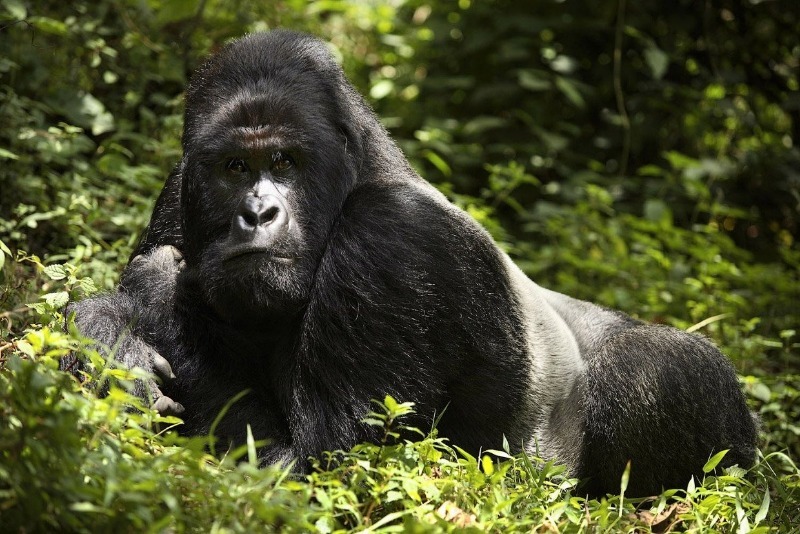
Analysis has shown that the extinction of mountain gorillas is a result of inbreeding. They mate with close relatives, leading to hereditary diseases and degeneration.
Furthermore, their population has declined by 60% due to wars, deforestation, habitat pollution, trapping, and hunting. These gorillas are critically endangered.
California porpoise
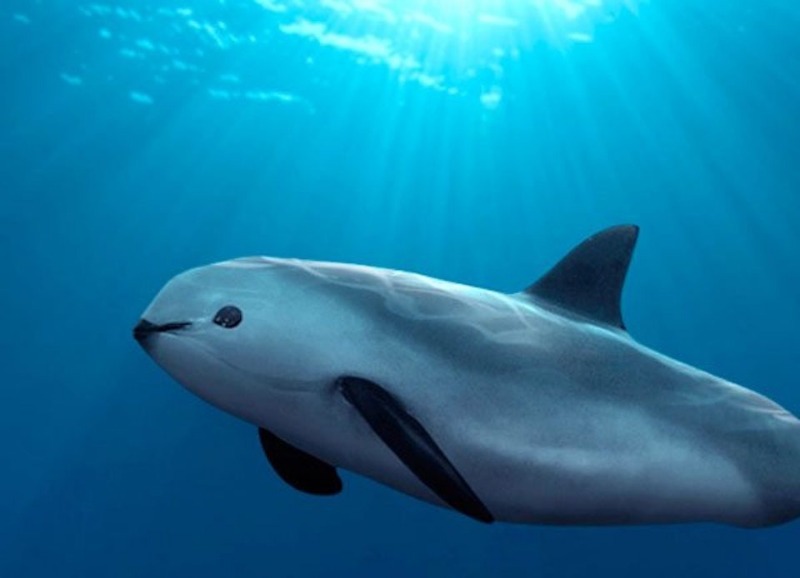
The main cause of extinction was illegal fishing. The cetacean population has been wiped out by 98%. But scientists say it's still possible to save the animals.
California harbour porpoises are the rarest marine mammals. They are in high demand, and are constantly hunted by poachers. These mammals are the smallest whales in the world, reaching only 140 centimeters in length and weighing up to 50 kilograms.
Gillnets are the cause of this rapid decline. Authorities in some countries have already banned the use of such gear. But this doesn't stop everyone.
American ferret
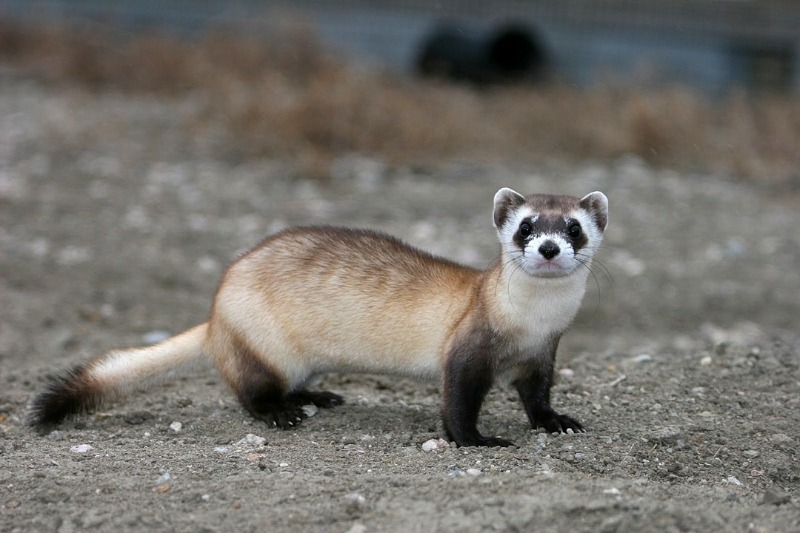
There are many reasons for the extinction, including poaching, climate change, and various types of industry.
The American ferret, or black-footed ferret, is a close relative of our forest dweller. This species was completely exterminated in Canada due to its valuable fur and is listed as endangered in the United States. Their numbers are extremely low.
In the mid-1980s, the small predators were brought to a research center for artificial breeding in order to preserve this species.
Giant panda
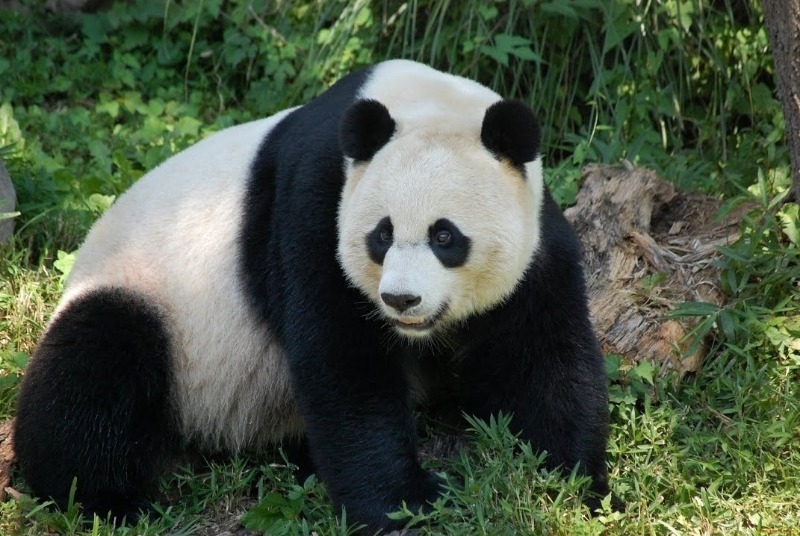
The giant panda is featured on the logo of the international non-governmental organization World Wildlife Fund. This is because the animal was on the brink of extinction for a long time. Its population remains small, but experts say it is steadily increasing. The giant panda is a symbol of China, which has adopted stringent animal protection measures, even imposing the death penalty for killing or harming them.
The animals' decline was primarily due to worsening climate conditions, but illegal hunting and the shrinking habitat also played a significant role. These beautiful "bears" are now under close monitoring, which has allowed their population to increase.