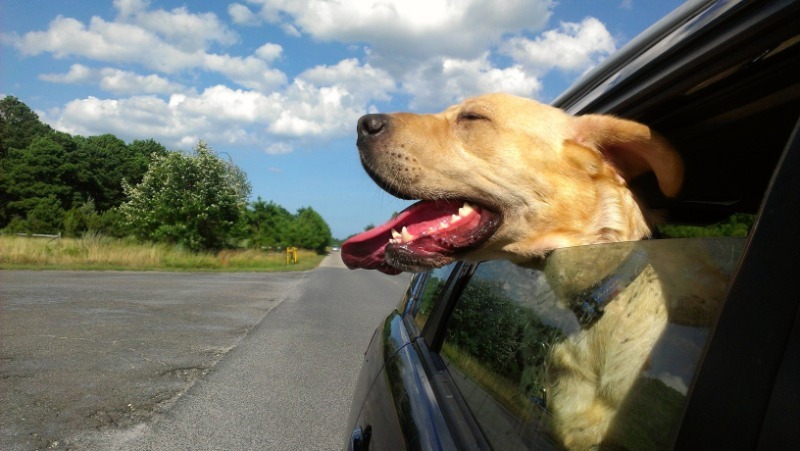
Everyone knows that dogs often sit with their tongues hanging out. But why and how do they do this? There are several reasons, which we'll discuss in this article.
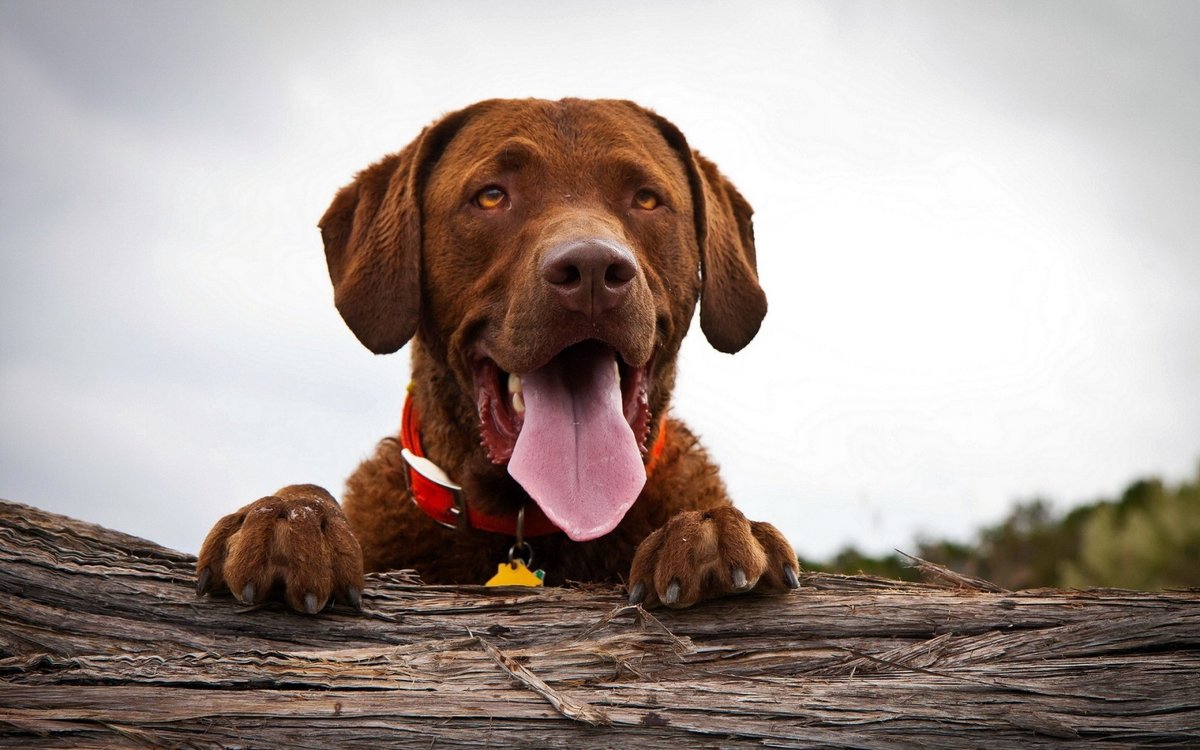
Method of cooling the body
Furry animals have almost no sweat glands to avoid overheating. Dogs evolved a different cooling mechanism. To get rid of excess heat, they use panting. Air enters the lungs and is heated there. Exhaling releases the excess heat, similar to steam rising from a kettle. This protects dogs from overheating during intense physical activity or stress.
Sticking out your tongue isn't necessary for cooling. However, this position widens the airway, increasing airflow. Furthermore, the evaporation of saliva from the tongue also helps cool the body.
Improving odor perception
Dogs stick out the tip of their tongue when sniffing. The functions of taste and smell receptors are linked. Even humans lose the taste of food when their noses are stuffy. A dog's sense of smell is more important, so they use their taste receptors to sharpen it. Hunting breeds are especially prone to this.
Sometimes dogs sniff with their mouths slightly open, even when the odor is so strong that humans can detect it. In this case, it's important to check the condition of the animal's nose. A runny nose, a poorly fitting collar, improper food, or injuries can impair the dog's sense of smell.
In a dream - complete relaxation
A protruding tongue during sleep indicates complete relaxation. The dog feels completely safe. Its sleep becomes so deep and sound that the muscles of the mouth and throat relax. This behavior can be seen as a sign of trust in its owners.
A dog can be completely relaxed when not sleeping, if it feels comfortable and calm after a walk, fun games, or a tasty meal. The reason for this complacency is simply the owner's presence nearby. In such cases, the animal may also stick out its tongue.
Sometimes this occurs after a regular meal. In this case, the mouth opens, the tongue protrudes slightly, and salivation increases.
The dog is excited
During strong emotional reactions, dogs stick out their tongues to heighten their sense of smell. This is similar to how humans open their eyes wider and listen. Some pets begin sniffing their surroundings and touching objects or people with their tongues. Animals mark objects they like to make them easier to recognize in the future.
During periods of severe stress, dogs begin to breathe heavily, and the same mechanisms that occur during overheating are activated.
The tongue may indicate some diseases.
Breeds with flattened muzzles often have tongues that don't fit in their mouths, so they stick them out. This behavior is standard and doesn't require correction. Pregnant females may also stick their tongues out shortly before giving birth. The enlarged uterus puts pressure on other organs and slightly compresses the lungs. Breathing becomes shallower, and air circulation needs to be improved.
A tongue that sticks out of the mouth almost constantly, without any apparent cause, is a sign of health problems. This is a symptom of:
- stomatitis;
- rhinitis;
- sinusitis;
- pneumonia;
- bronchitis;
- poisoning;
- diseases of the nervous system and brain.
If the disease occurs, other symptoms will appear: a coated tongue, nasal discharge, coughing, sneezing, fever, and abnormal behavior. The animal will become lethargic and lose its appetite. If the tongue quickly retracts into the mouth after being touched, the problem may be damage to the nerve endings of the glossopharyngeal muscles. In such cases, the animal should be taken to a veterinarian.
Dogs stick out their tongues for many reasons, almost all of which require no intervention or treatment. However, if the animal doesn't close its mouth for a long period without external stimuli, it's important to monitor its condition closely to detect any developing illness.