Dogs have accompanied humans for thousands of years. Today, there are numerous breeds worldwide, but some have disappeared forever. Some died out as a result of wars, when most dogs were exterminated in battle, leaving no one to breed or preserve them. Others simply interbred with other species over time, evolving into new ones. Still others were hunted to extinction by predators.
Talbot
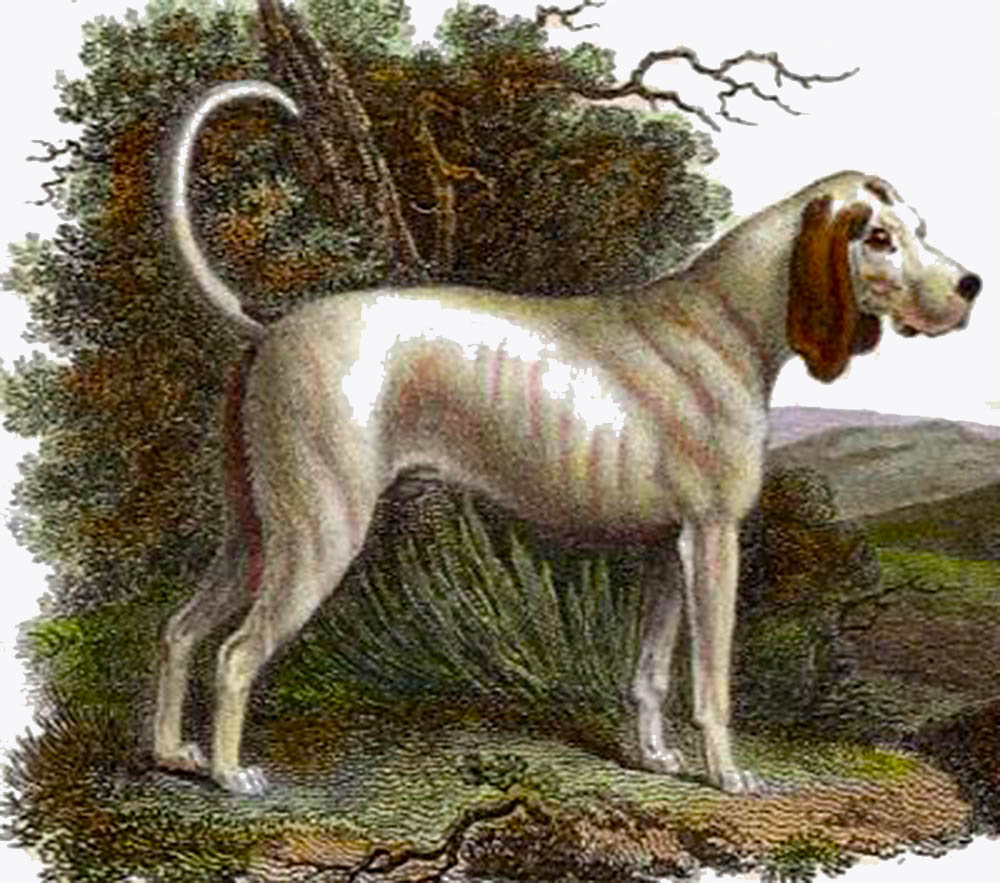
These large, snow-white dogs lived in Britain during the Middle Ages. It is believed that they were brought to England by William the Conqueror in 1066.
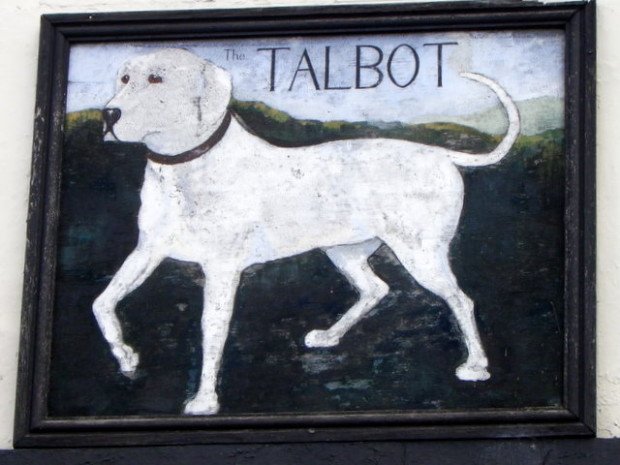
They were known for their slowness, but were prized for their excellent sense of smell and height. Talbots were said to be capable of knocking down a deer.
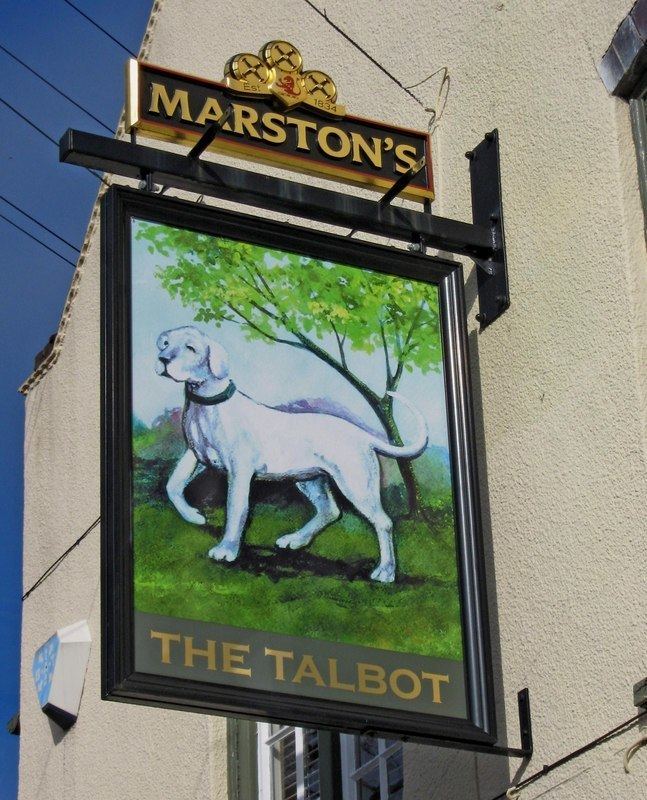
They were very loyal to their owners and were often used as bloodhounds or combat service dogs.
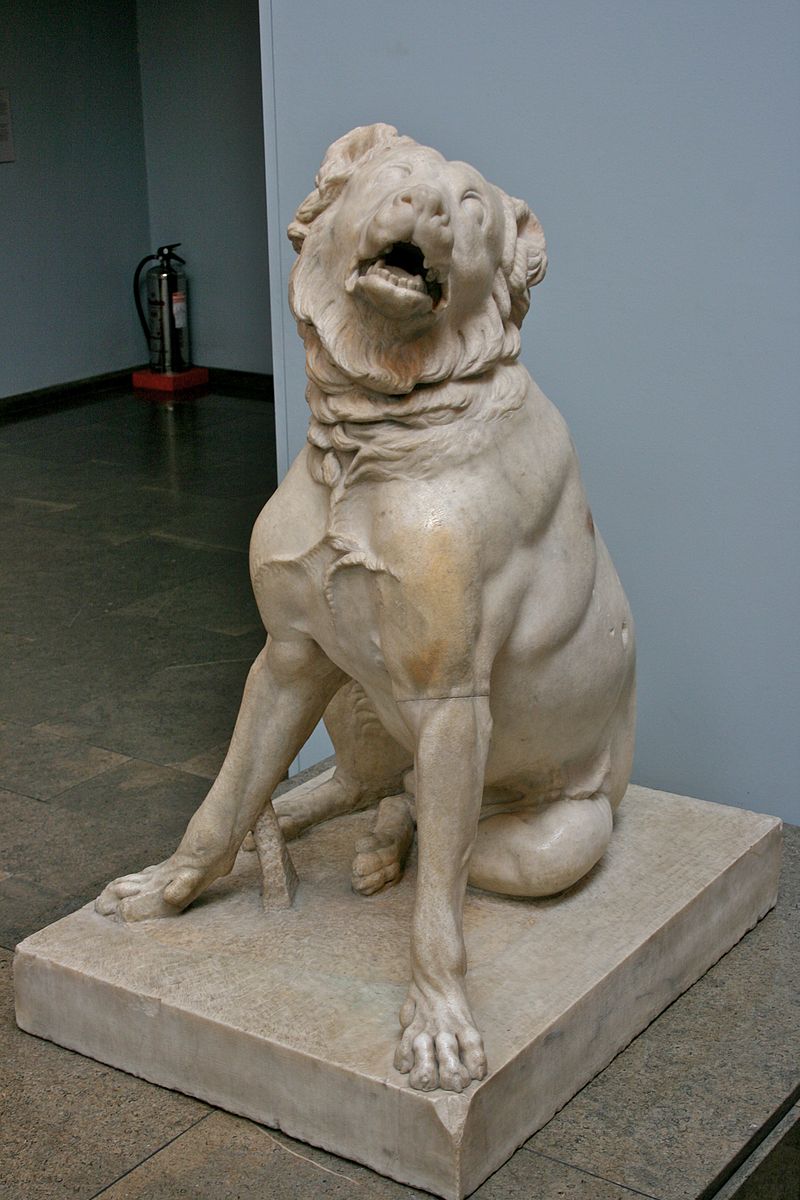
They were so valued that images of these dogs were placed on family coats of arms.
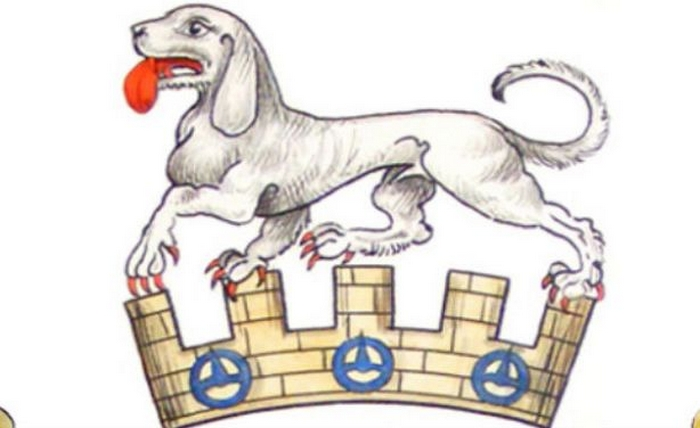
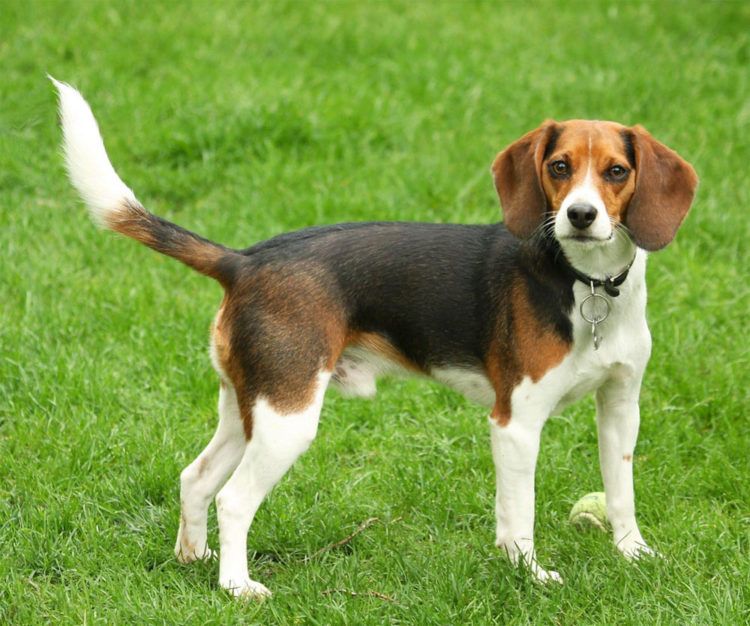
The breed disappeared around the 16th century, but their descendants, the beagles, survive today.
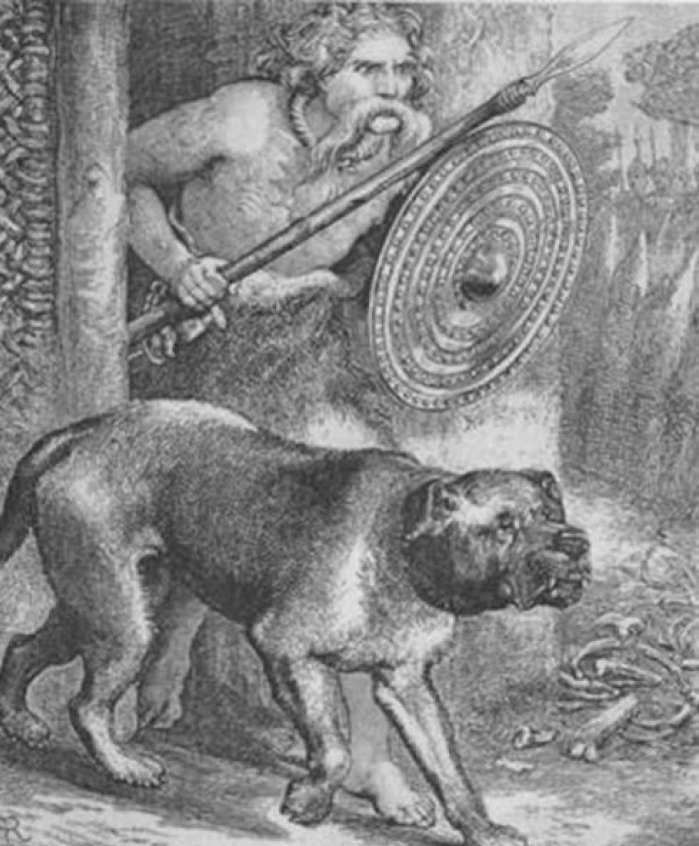
Molossus
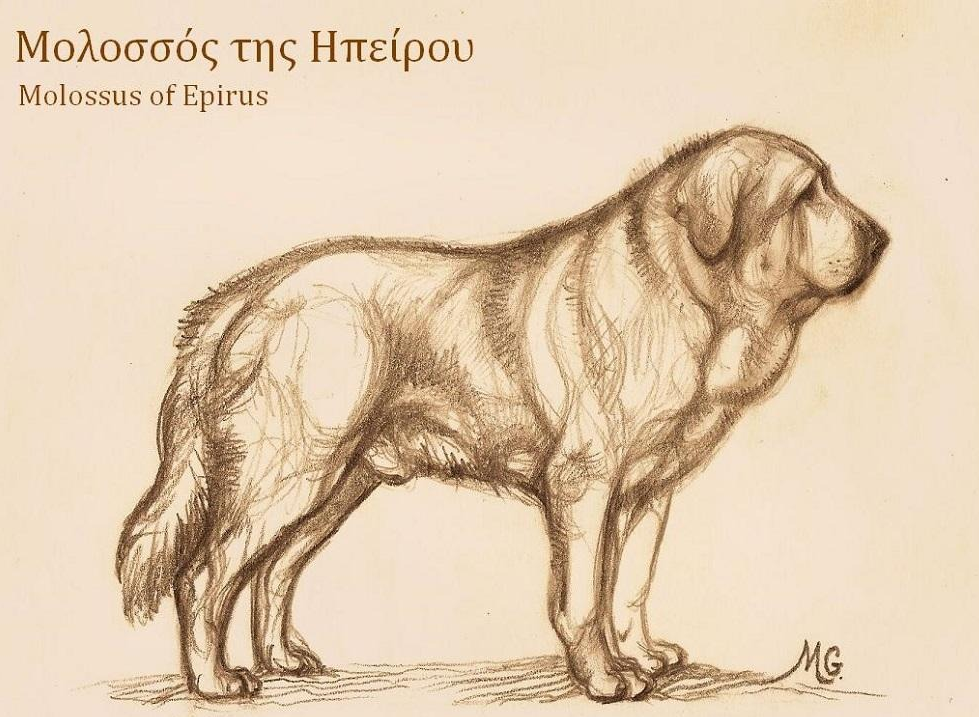
These were very large and strong animals that lived in Ancient Greece and Rome. They were used for hunting and as war dogs. In the ancient world, the Molossus was one of the most popular canines. Famous figures of the time, including Aristotle, Alexander the Great, and Virgil, wrote about it. The breed originally appeared in the Epirus region, in the territories of Ancient Greece, Macedonia, Montenegro, and Albania. The name of the breed comes from the Molossian tribe.
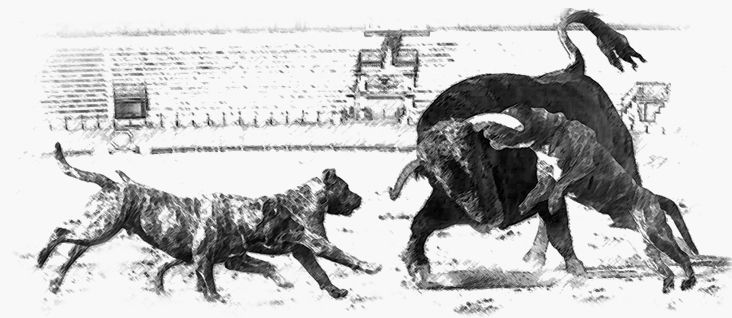
The breed then spread to neighboring regions and became very popular. Molossians accompanied Alexander the Great's army on campaigns. After the death of the great commander, the empire split into separate states. Some of them retained Molossian descendants.
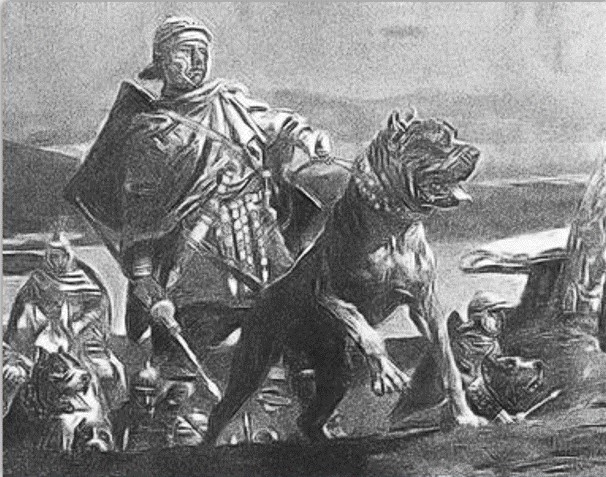
In ancient Rome, these dogs were often used in gladiator arenas.
Bracque Dupuis
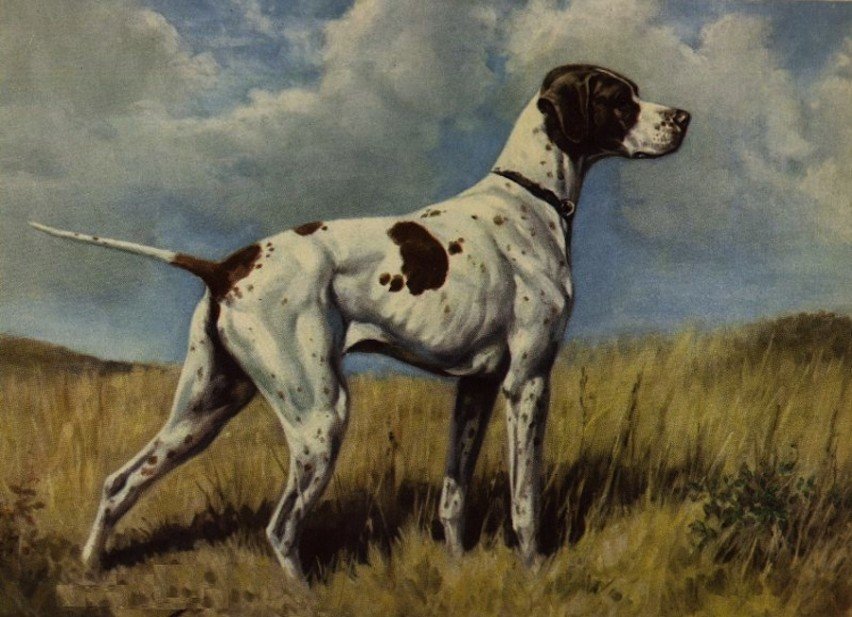
The breed was developed in France in the 19th century as a plains hunting dog. These fairly large dogs were noted for their exceptional agility and speed.
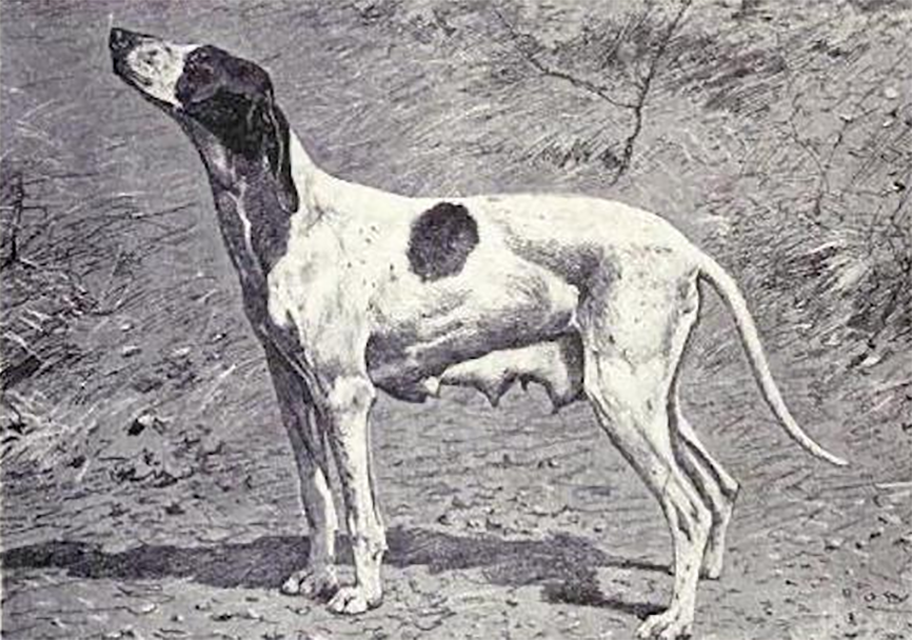
They had a white coat with red spots. Many similar dogs exist today, but the original breed has been lost.
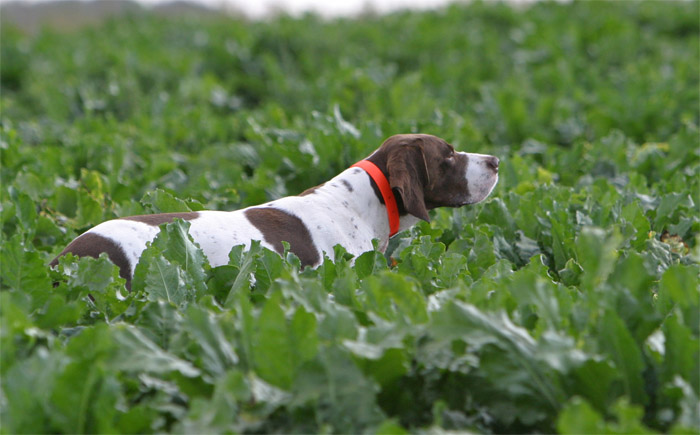
English Water Spaniel
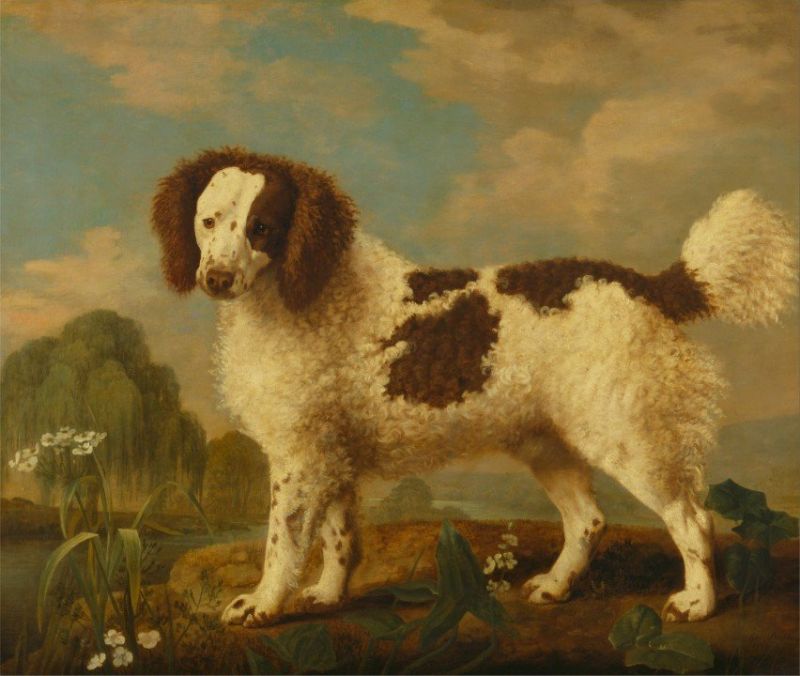
The first mentions of this breed date back to the 16th century. Shakespeare mentioned them in the tragedy "Macbeth," emphasizing the intelligence, diligence, and helpfulness of these dogs.
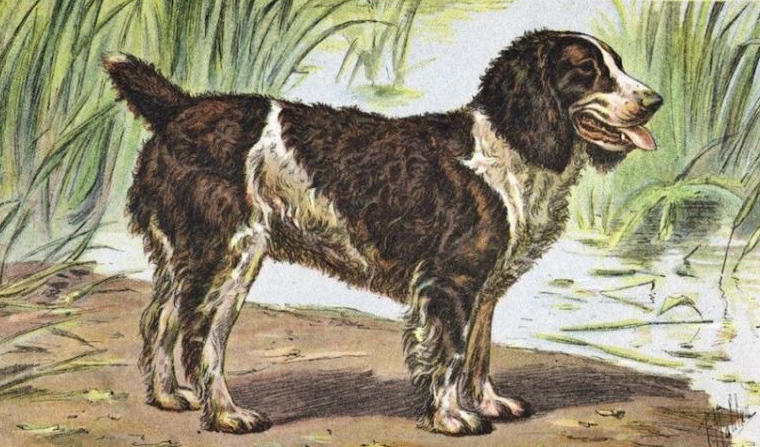
There are very few descriptions of them. All that is known is that they were curly-coated animals weighing up to 18 kg, stocky and strong, resembling a cross between a poodle, collie, and springer spaniel. Their coats were white, black, brown, and various combinations of these colors. These dogs worked in water and were very hardy.
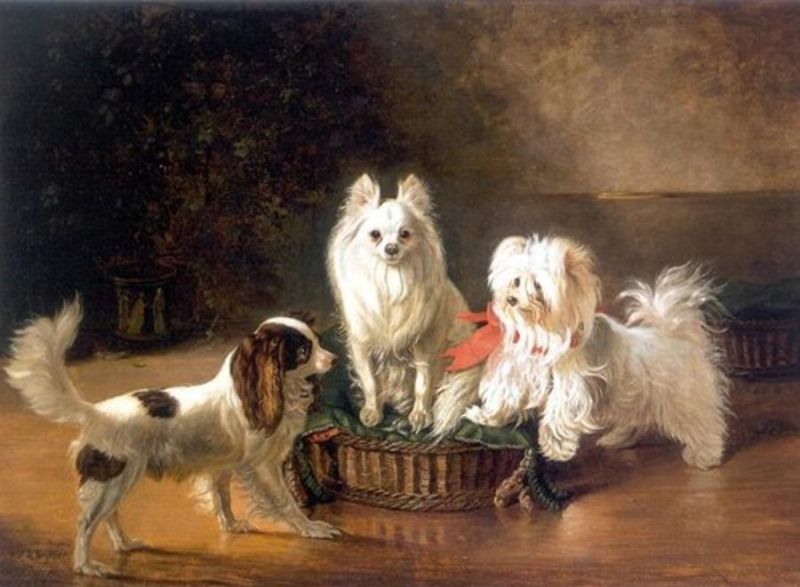
Dogs, like other animals, are constantly evolving, and the extinction of individual breeds and the emergence of new ones occurs constantly.