Before getting a pet, remember that it's a responsibility and that animals can be capricious and break things. To ensure their health, you should hide certain items. But remember, animals are like children. Take care of them, but don't forget to scold them and refuse them things they shouldn't, and your pet will delight you with a healthy, radiant appearance.
Fragile items
Animals, especially cats and dogs, love to tumble around the apartment/house when they're in a good mood. Knowing this, remove fragile items, such as crystal, antique vases, and glassware, from flooring and small nightstands (if they're tall enough). Your pet could accidentally knock them over, break them, and injure themselves. When you leave the house, also remove dishes and small items from tables—anything that could be accidentally broken should be put away.
The best option is to put things behind the doors of walls and cupboards, so your pet won’t be tempted to “play” with these things.
If your pet is still a cub, make sure that small objects (paper clips, buttons) are securely hidden, as your pet may chew and swallow them while playing.
Bin
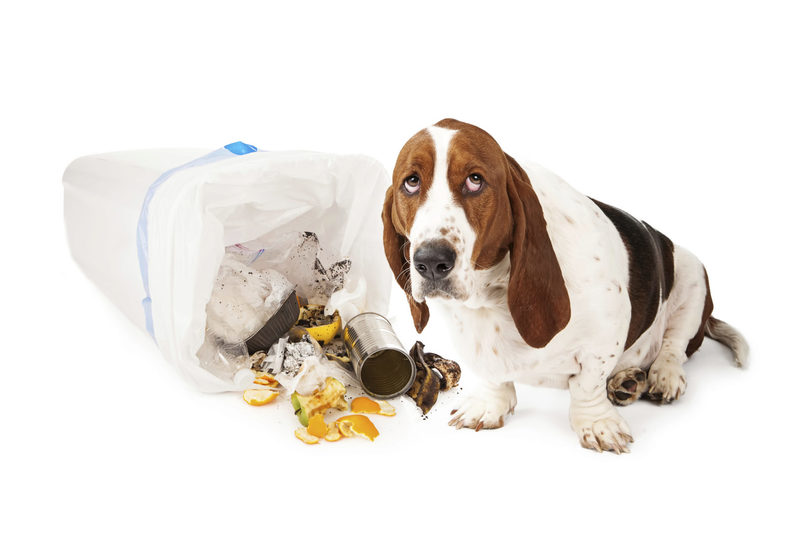
Another "treasure trove" of forbidden, yet so coveted, items and food scraps is the trash can. Pets can become poisoned by sausage skins, plastic bags, bones, and other inedible "treasures."
To minimize the chance of your pet making such unpleasant discoveries, hide the trash can away from them so they can't get anything for themselves. Ideally, keep it behind a closed door under the sink, although a clever little one might learn to open it. And, of course, take out the trash regularly.
Medicines
It's not for nothing that they say that animals are like children. They, too, are interested in new things, but you should protect them from pharmaceuticals! They can cause irreparable harm. It's well known that cats love menthol and valerian scents, so keep all medications locked away from your pet.
Another item that turns out to be truly dangerous for pets is sanitary pads! If your pet tries to chew them, the toxic substances they contain can cause serious poisoning.
Houseplants
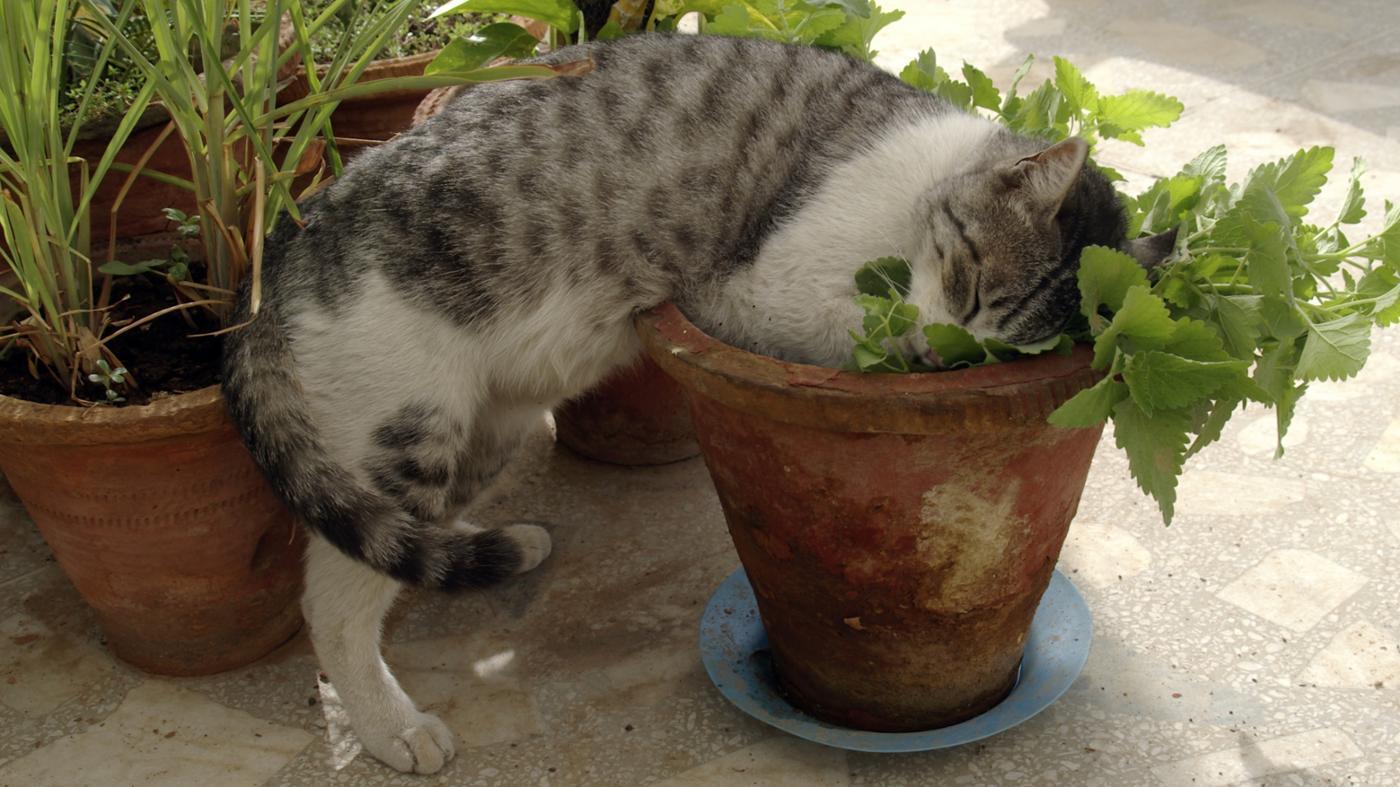
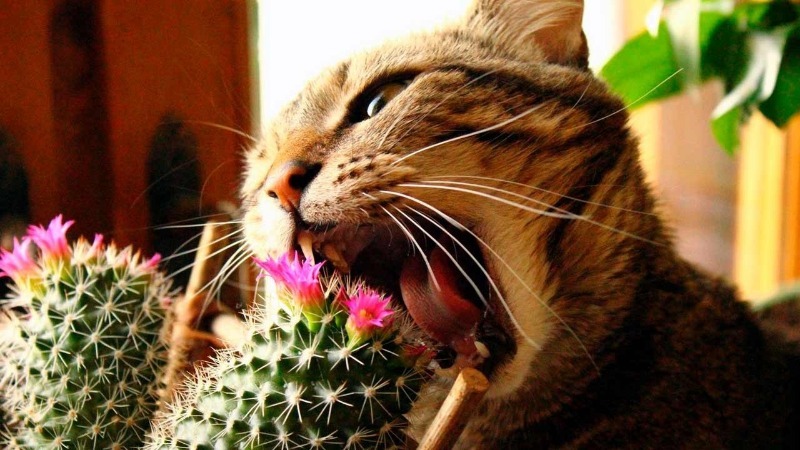
Many pet owners are familiar with this problem: You come home to find broken plant pots on the floor. Cats and dogs love to dig in the pots and nibble on the leaves and flowers.
One reason for this behavior is a vitamin deficiency. Pet stores sell special grass for animals, which is beneficial for them, unlike houseplants. These plants help cleanse their stomachs of hair fluff that gets into their fur when they groom themselves.
Regular houseplants should be kept out of sight and reach of pets. They can be placed on wall shelves, hanging planters, or tall, stable stands securely fastened to the wall or floor.
However, the most effective way to discourage animals from "hunting" plants is to spray a scent that animals dislike. These can be special sprays for living spaces, although it's better, of course, to use folk remedies. Animals are also repelled by the aroma of rubbing alcohol. You can soak small pieces of cotton wool in it and place them near the plants. The smell of rubbing alcohol lingers long after the cotton wool dries.
Wires
When a pet first comes home, wires often become their "toy," but this "game" can cause a powerful electric shock and even death. It's best to break the habit right away. Citrus peels—lemons, oranges, and tangerines—are good deterrents for cats and dogs. However, as peels dry out, they lose their effectiveness, so you'll need to constantly replace them with fresh ones.