When deciding what kind of pet to get, prospective owners face a choice: a cat, a dog, a bird, or even a reptile. A mammal is considered the most common, textbook choice. However, there are also unique, exotic creatures that will become true friends and even full-fledged family members. So, we present to you insects suitable for pets.
Stick insects
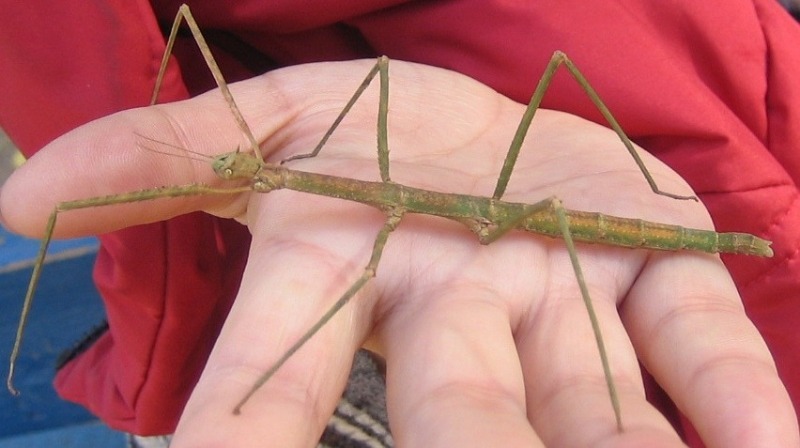
This is the most unfussy pet. The insect's body resembles a plant twig or a narrow leaf, green or brown in color. Stick insects are found in Australia, the United States, Russia, and Africa. Their length ranges from 1.5 to 30 cm. They are slow-moving, moving like a leaf swaying in the wind. Their lifespan is 1 to 2 years.
To keep a stick insect, you'll need a container with a lid and ventilation holes. This insect is unpretentious in its living conditions. An aquarium, a plastic container, or a jar can serve as its home. Its main advantage as a pet is that it eats exclusively plant matter: tree and shrub leaves. Dried plants are also suitable. Therefore, keeping this animal is inexpensive.
Madagascar cockroaches
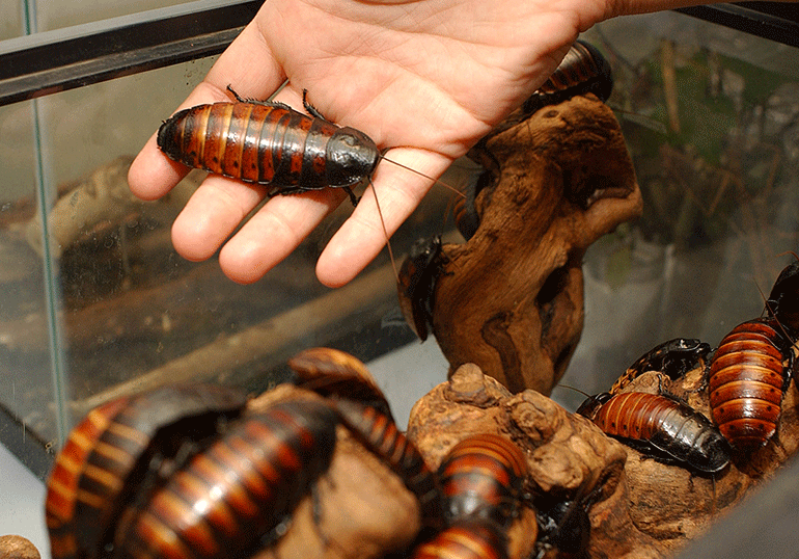
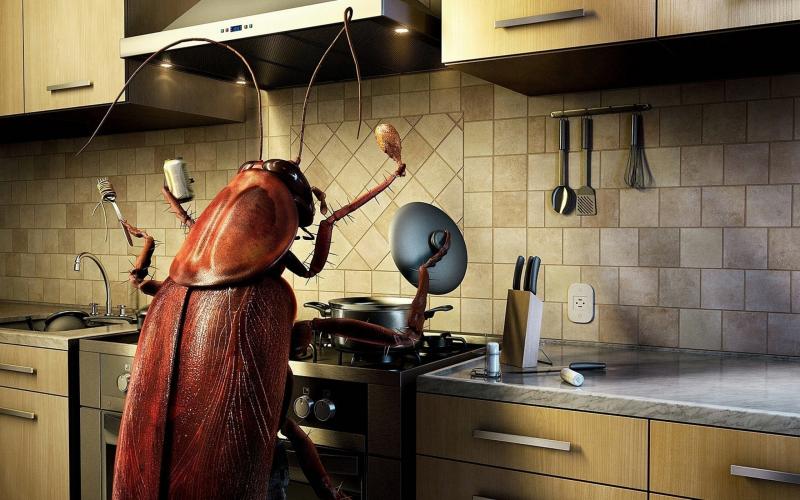
Madagascar cockroaches have distinctive appearances that distinguish them from other insects of this species: the upper part of their body is covered with a chitinous shield. The animal reaches 10 cm in size. The shell and length of the body give the cockroach a menacing appearance. Coloration ranges from light brown to black.
A cockroach's habitat is 3 liters (0.7 gallons). An aquarium or container is suitable. The advantages of keeping a cockroach include cleaning the habitat only once a week and feeding it every 3-4 days. Cockroaches feed on greens, vegetables, and fruits. They also eat dry dog or cat food. It's important to maintain a drinking regimen, changing the water daily.
Ants
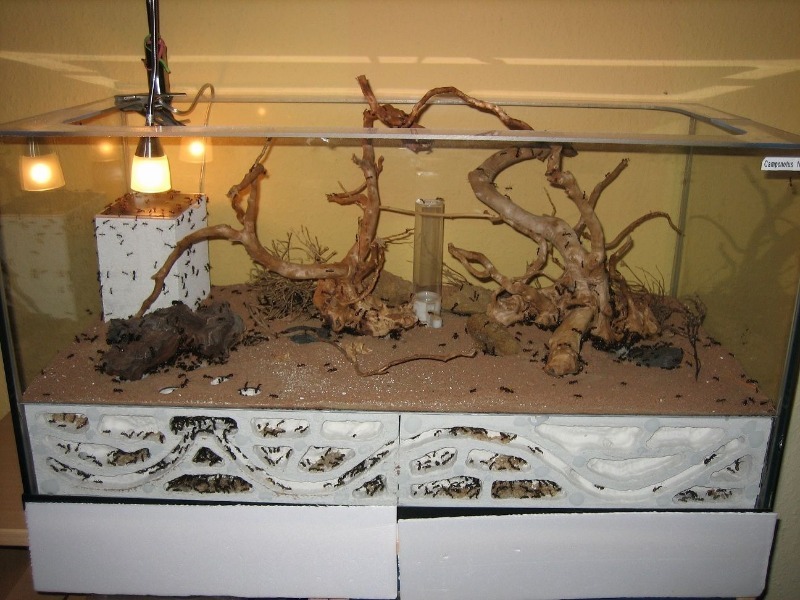
The life of these little workers is curious and interesting. They don't live alone, so people start a colony of insects. Ants perform specific functions in the colony: the female lays eggs, the workers build the nest and gather food.
Ants are kept in a glass test tube. For larger colonies, a formicarium (anthill) is purchased, which consists of a nest and an outer shell. Ants are not picky eaters. They feed on dead insects and a mixture of water and sugar. Vegetables and fruits are also suitable.
Ladybugs
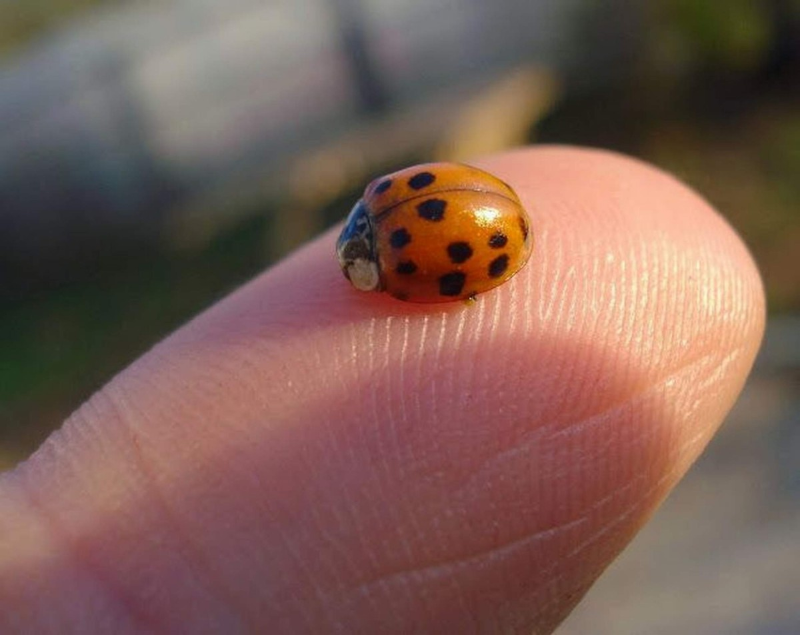
These insects are distinguished by their bright coloring. Ladybugs have a compact, oval or round body. The average size is 5 to 10 mm. They have three pairs of legs, which allow them to move quickly. They can also fly. Ladybugs live from one month to two years.
The pet's habitat should be large enough to allow the insect to fly freely. Leaves and twigs are placed inside the animal's home to allow the ladybug to move around. The advantage of keeping a ladybug is that it only needs to be fed twice a day—honey or sugar.
Grasshoppers
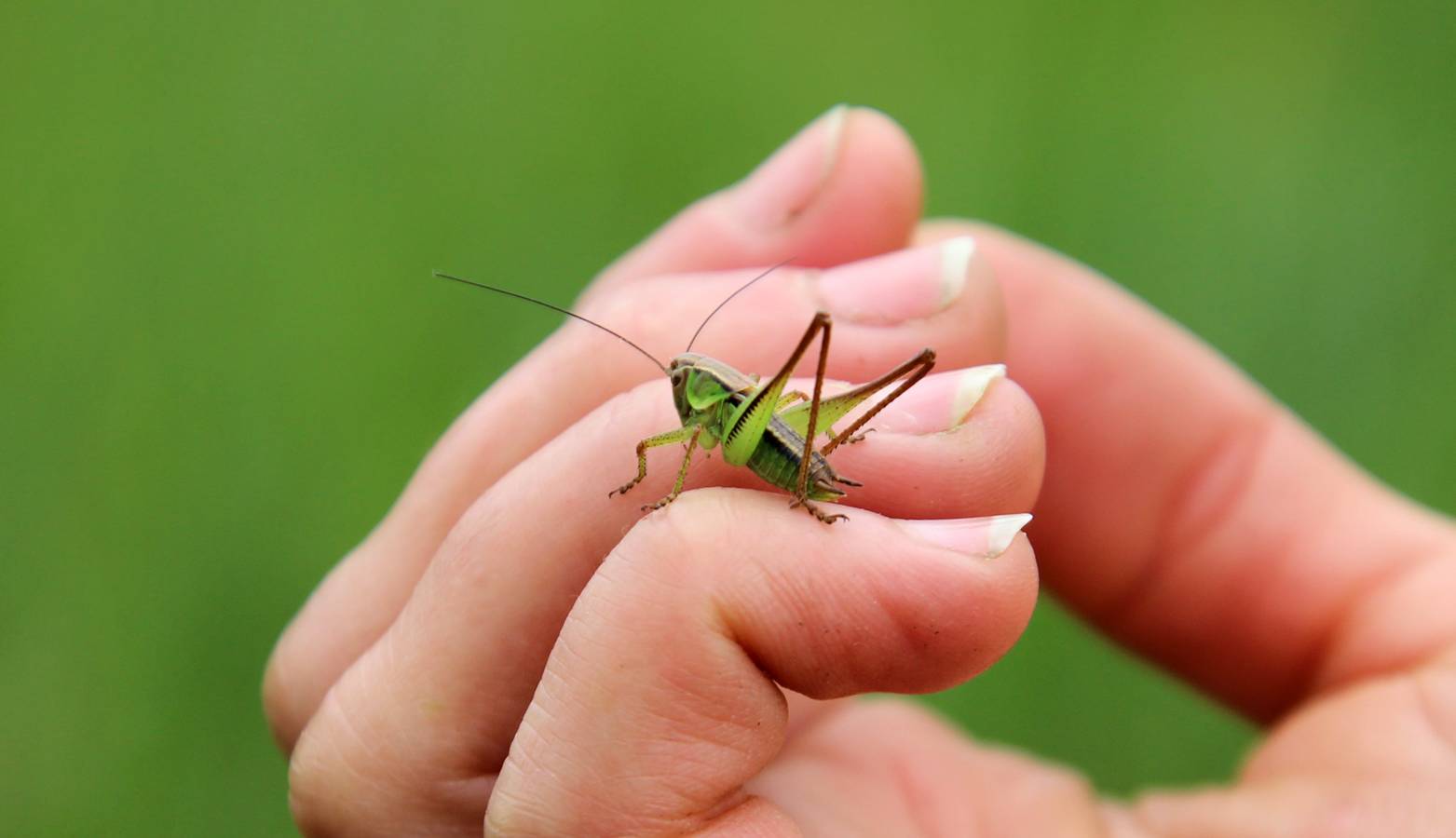
This insect has an unusual body structure that allows it to adapt to various conditions. Grasshoppers have three pairs of legs. The four front legs are used for walking and contain the insect's ears. Their long, muscular hind legs allow them to jump. They produce a curious chirping sound.
A box, container, or aquarium is suitable as a home for this pet. They are fed once or twice a day. Grasshoppers eat everything—leftover bread, fruit, vegetables, oatmeal, dry dog or cat food, and chicken eggs.
Diving beetles
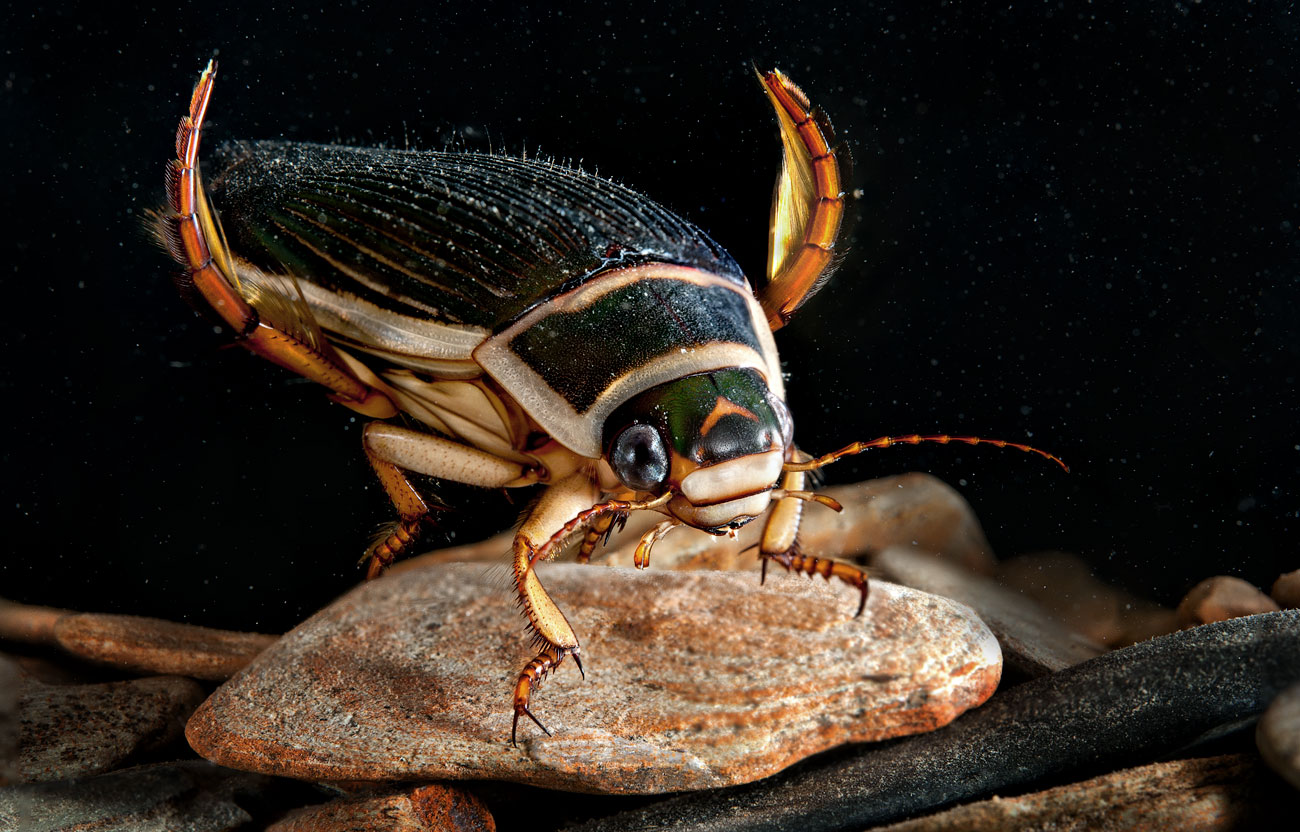
These are aquatic beetles with a streamlined body. The head, thorax, and abdomen are tightly articulated. The water beetle has strong jaws and long, threadlike antennae. The beetle's eyes are located on the sides of the head. The insect's body coloration varies: the upper side is brown, black, or green, while the underside is yellow. The animals have wings and perform long flights at night. The hind pair of legs helps the water beetles move along the surface of the water.
These insects thrive and reproduce easily in captivity. They are undemanding regarding water conditions and lighting. They are kept in an aquarium with substrate, rocks, and plants. They feed on protein-rich foods, such as insect pupae, meat, and fish.
Butterflies
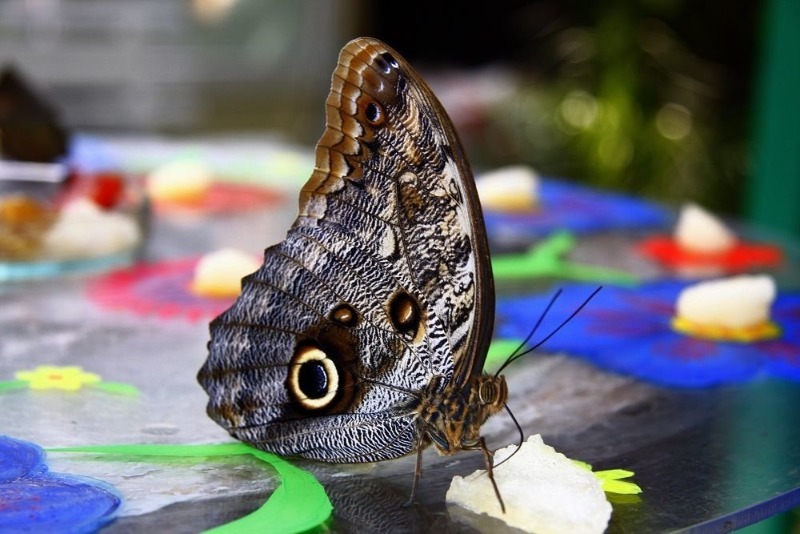
A fragile, graceful insect, attractive for its bright colors and distinctive pattern. It can live up to two years. Its structure consists of two parts: the body, covered with a chitinous shell, and the wings. The butterfly's eyes occupy most of its head. The insect uses its antennae to navigate and sense smells. Its bright coloring serves as camouflage, allowing it to blend into its surroundings.
Keeping this insect is inexpensive. A glass jar or plastic container is the butterfly's home. It feeds on the juice of rotten fruit and a mixture of honey and water.
So, insects are a great pet option. They're easy to feed and care for, don't take up much space in the house, don't cause any mess, and don't require significant upkeep costs.