Today, hunting for food is no longer necessary, but dogs that were once used for this purpose remain popular and in demand. One such breed is the Yakutian Laika. This animal is easy-going, docile, and quickly learns commands, getting along well with children and other family members. Its attractive appearance and robust health make it a preferred choice for those who value these qualities. Before adopting a Laika, it is recommended to research the breed's characteristics.
Content
Description and standard of the breed, historical background
The homeland of the Yakutian Laika, or Yakutka as dog breeders call it, is Yakutia.Scientists have been unable to establish the exact date of the breed's development. However, it is believed that these animals were helping humans as early as 8,000 years ago. In the early 1990s, archaeologists discovered the remains of an ancient settlement near what is now Novosibirsk, including the bones of a husky. Experts cannot be certain, but the size of the skull and other features of the remains support this assumption.
Even before they were added to the working dog registry, the dogs were used to guard border areas, but they were called Kolyma Laikas, not Yakut Laikas. It wasn't until 2005 that the breed was officially recognized, and they began participating in numerous shows and winning awards. This marked the beginning of their rise in popularity.
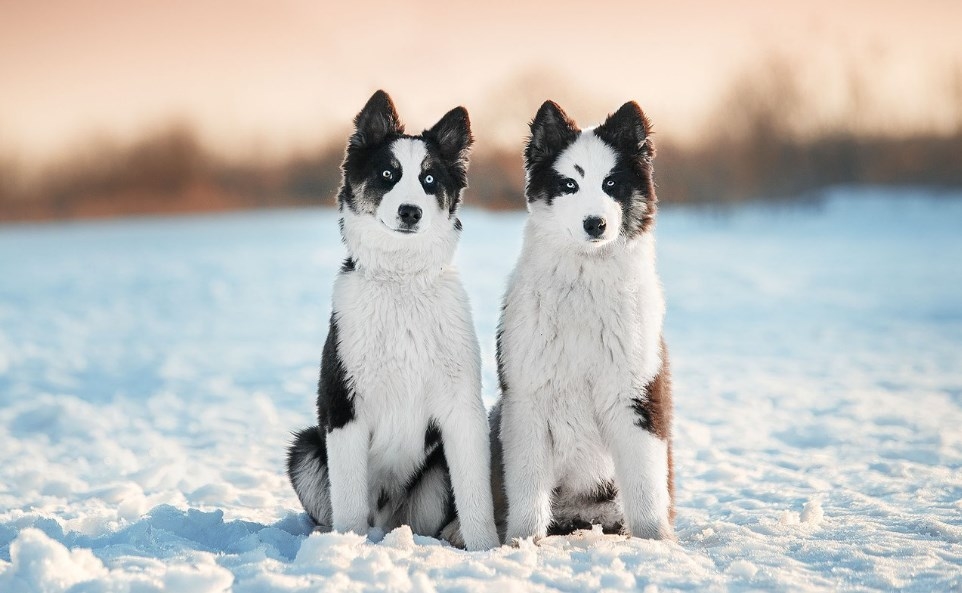
The animal's appearance hasn't changed significantly since ancient times. Today, the Yakutka has long, moderately soft fur, a muscular body, strong legs, and a variety of colors.
The breed standard includes several characteristics:
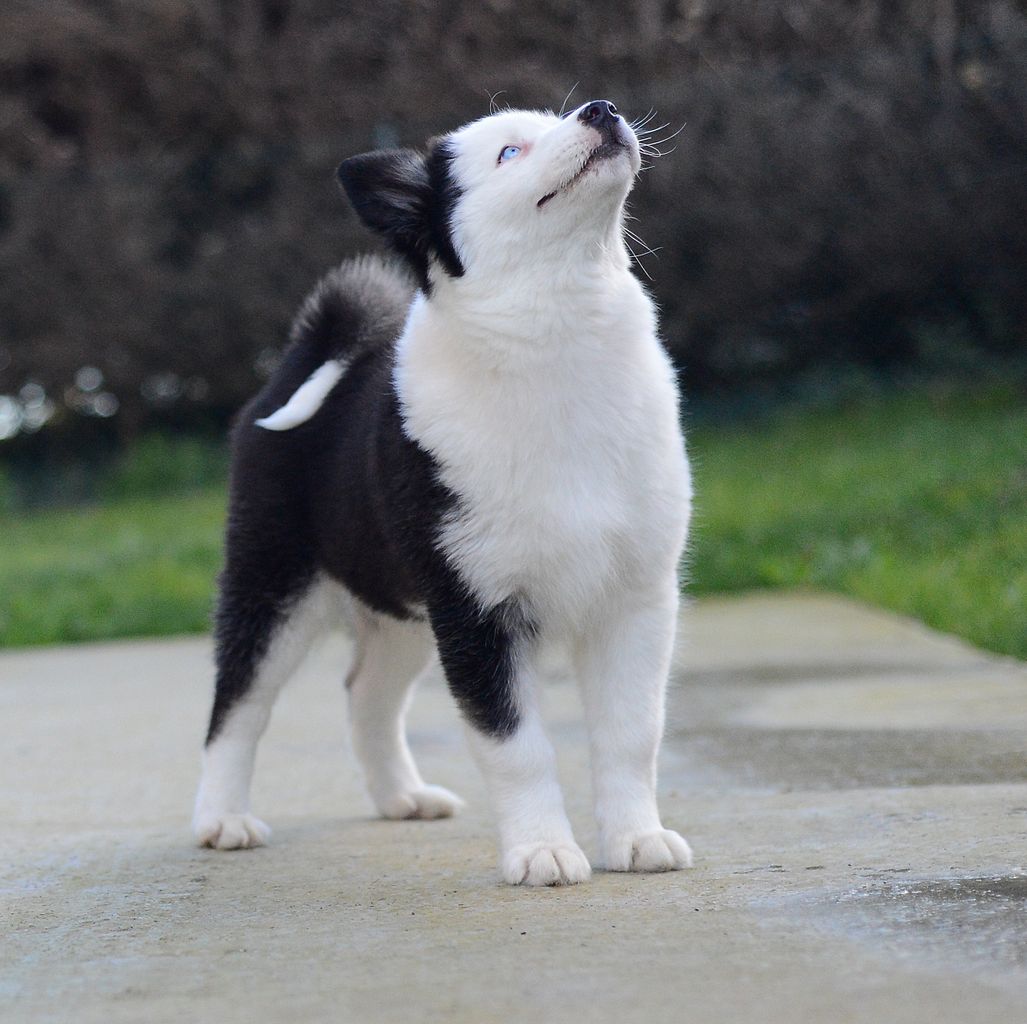
The most common color type is a combination of white and black.
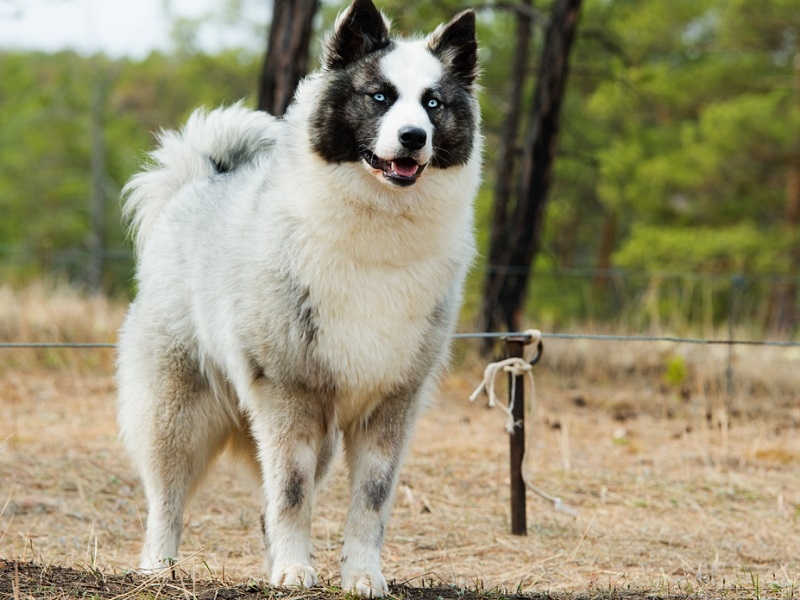
- The dog's height at the withers ranges from 55 to 58 cm, with males always slightly taller. The maximum weight of a dog reaches 23 kg, with an average body weight of 20 kg.
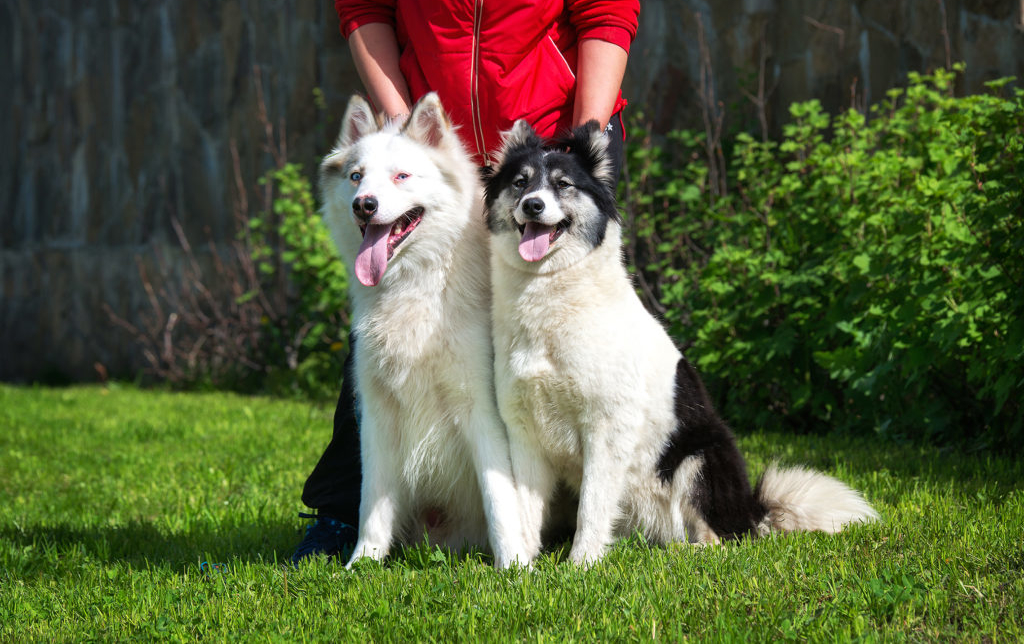
- The animal's coat is most often spotted. The standard allows for gray and white, white and black, black and white, and white with black and red spots. Solid colors are not permitted, with the exception of completely white individuals.
- The dog's skeleton is massive, especially in males; the muscles are well developed, but the body is compact and solid. These animals are known for their great strength and endurance.
- The Yakut's coat is long, thick, and somewhat harsh to the touch, with a well-developed undercoat. Sparse and soft fur is considered a significant fault. It is longer on the nape, tail, and collar, while it is usually shorter on the limbs.
- The dog's head is well-shaped, proportionate to the body. The ears are medium length, erect or semi-erect.
- The Yakut cat's eyes are sky-blue or light brown, with black rims. The lips are almost always pigmented, darker than the rest of the coat.
A distinctive feature of the Yakutian Laika is the variable position of its tail, which can be straight, curled into one or two rings.
Character
Yakutian Laikas are distinguished by their very peaceful and docile nature. They are active and friendly, devoted to one owner but kind to all family members. This dog is a safe choice for families with small children. They are sensitive to human moods, eager to play when the opportunity arises, and willing to leave you alone when time is tight.
On walks, the pet is calm and non-aggressive toward strangers, but is capable of defending its owner in case of danger. Males are prone to quarrels with other dogs, while females are considered more even-tempered. A characteristic of the Yakutka is its determination.
The dog also does not recognize the child as an authority, so it does not listen to his commands.
Pros and cons of the breed
A relative disadvantage of the pet will be the need for physical activity to maintain muscle tone.
The breed has numerous advantages that make it the preferred choice in many cases. The main advantages are as follows:
- ease of training;
- compliance, friendliness, devotion;
- the ability to protect the owner in case of danger;
- undemanding to maintenance conditions, ability to easily tolerate low temperatures;
- good health;
- attractive appearance;
- friendly attitude towards all family members, including small children;
- low level of aggression in the absence of irritants;
- endurance, strength, determination.
Among the breed's drawbacks is its long coat, which requires regular grooming, making it unsuitable for apartment living. The dog doesn't tolerate heat well. In summer, a shelter is necessary to protect it from the sun.
Care and maintenance
To maintain health and prevent the development of diseases, it is recommended to study the rules of maintenance and care.
If you don’t have this knowledge, you can contact an experienced dog breeder for advice.
What to feed
The Yakut is not a picky eater. It typically requires less food than other hunting breeds. The diet must include the following products:
- lean meat (veal, poultry);
- vegetables, stewed and fresh;
- cereal porridges;
- a small amount of boiled or stewed sea fish;
- dried fruits in moderate doses.
It is strictly forbidden to feed your pet baked goods, pastries, canned goods, smoked meats, pickles, spicy, salty, or sour foods. Portions should be small, and feedings should be three times a day.
Switching your pet to dry food is strongly discouraged, as it often leads to the development of gastrointestinal problems.
Grooming
Grooming should be regular and proper. Brush your dog's fur at least once a week to remove tangles. Brush their teeth twice a week with a soft toothbrush and special dog toothpaste. Wipe their ears and eyes with a cotton ball soaked in boiled water as needed.
Your dog's nails should be trimmed every four weeks, as well as the thick fur between the toes. Even if kept outdoors, you should inspect their paws and body, removing any trapped plants or ticks. Parasite prevention, medication, and flea treatments are essential.
During the summer, it's important to provide shelter from the sun, drink plenty of fluids, and avoid exposure to direct sunlight. This will help prevent heatstroke.
Education and training
The Yakutian Laika adapts quickly to family life, so you can begin training your pet right away. They are highly trainable, especially when done through play. Experienced dog handlers recommend devoting some of their time to play, and teaching them new commands along the way.
Regular exercise is important for your pet's health.
Since loyalty and responsibility are in the Yakut dog's blood, it learns basic human interactions from its mother. After moving to a new home, the owner only needs to maintain the pet's abilities. Particular attention should be paid to outdoor training combined with physical exercise. Such activities will not only help raise an obedient dog but are also beneficial for its health.
It's important to train your dog regularly, avoid rewarding without reason, and set clear boundaries. This will ensure your pet becomes obedient. One of the key training requirements is a friendly and calm owner during training.
Diseases and treatment
Despite their good health, Yakut women can also suffer from various diseases from time to time.
Table: Common Yakutian Laika Diseases and Treatment Methods
| Disease | Treatment |
| Glaucoma in animals develops alongside other ocular problems and is characterized by increased intraocular pressure. Glaucoma manifests itself as lacrimation, watery eyes, clouding of the sclera, photosensitivity, lethargy, apathy, and refusal to eat. | Diuretics, such as Mannitol, are used for treatment to stimulate fluid drainage. Additionally, the dog is given adrenergic blockers (Timolol) and adrenergic agonists (Brimonidine). In advanced stages, treatment is performed in a veterinary clinic. |
| Joint dysplasia is characterized by impaired mobility of the front or hind legs due to inflammation of the joint capsule. The animal becomes lethargic, movement causes pain, and appetite is usually retained. The disease most often affects older Laikas and is less common in young dogs. | Early treatment involves nonsteroidal anti-inflammatory drugs (Diclofenac) and chondroprotectors (Chondroitin). Vitamin supplements are essential. If this is ineffective, surgical intervention is performed. |
| Dermatitis is an inflammatory skin condition characterized by itching, redness, and tenderness. Hair loss occurs in the affected area, leading to bald patches. | To relieve symptoms, antibiotics from the penicillin group and antifungal agents (Fungin, Nizoral shampoo) are used. Additionally, ultraviolet irradiation of the affected tissues may be used to accelerate healing. |
| Cancers are quite common in Laikas. Most often, tumors form in the digestive tract. Symptoms include digestive upset, diarrhea or constipation, weakness, and loss of appetite. | In the early stages, chemotherapy is administered using the same drugs used in humans, such as methotrexate. In later stages, the veterinarian makes a decision on an individual basis. |
Such diseases rarely affect dogs kept in favorable conditions. In summer, their susceptibility to dermatitis increases due to their well-developed undercoat.
Average life expectancy
Yakut women living in Russia's northern regions live an average of 10–11 years. This climate, combined with a moderate diet, helps them maintain health and energy.
In a temperate continental climate, lifespan ranges from 8 to 12 years, depending on housing and care conditions. If the dog is constantly kept on a leash, lifespan is somewhat reduced.
Breeding
When signs of heat appear in female dogs, many owners consider breeding them. For this purpose, it is recommended to use only purebred Yakutian Laikas, which will preserve their appearance and physical characteristics.
If you don't have any experience, it's best to contact dog breeders who will explain all the nuances.
Knitting
Female dogs begin to estrus at 12-14 months of age and last for 14 to 28 days, with a frequency of once every 6-8 months. During this time, the dog becomes restless, with swelling of the external genitalia and the release of bloody fluid. The dog is ready for mating on the first day, but breeders recommend mating between the 10th and 12th day.
Mating should not be performed during the first heat. Experts recommend mating dogs that are at least two years old. Early sexual activity will not improve the health of the animal or its future offspring.
During the introduction, you should not disturb the dogs.
The mating is carried out as follows:
- Before meeting a male dog, you shouldn’t feed the dog, you just need to take it for a walk;
- the meeting takes place on neutral territory, after which the couple goes to the male's territory;
- don't interfere with mating games;
- After a short acquaintance, dogs usually do not require any help;
- sexual intercourse occurs naturally;
- There is no need to help the dogs, the important thing is not to frighten them.
A control mating is carried out after 1–2 days as a precaution.
Caring for offspring
The gestation period lasts from 55 to 72 days. Younger dogs have been observed to have fewer puppies. A whelping area should be prepared for the mother. It should be warm and dry, and you can line it with old cotton duvet covers, making sure they are clean. The afterbirth should be delivered in a cloth.
No special care is required after birth. It's important to ensure the mother doesn't crush the puppies. During feeding, ensure all puppies have access to the mother's nipples. The area where the mother and puppies are kept clean, with bedding changed regularly and no drafts.
What to call it
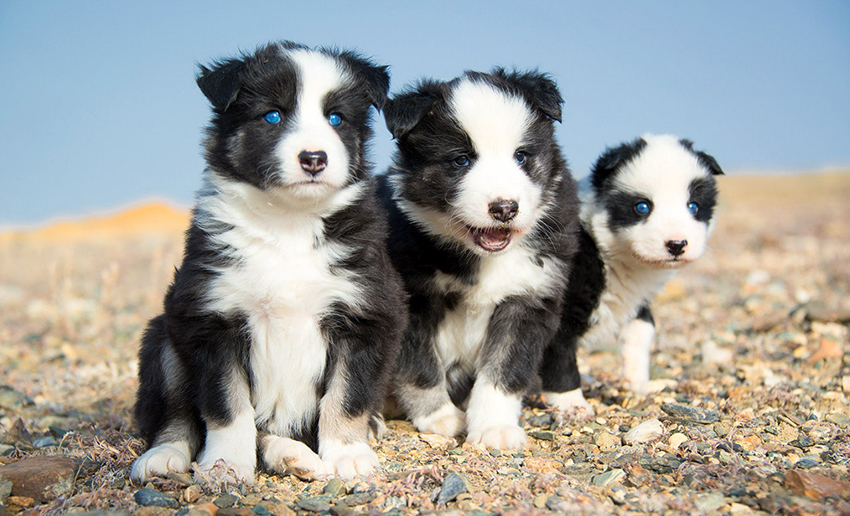
When choosing a nickname, it is recommended to rely not only on fashion trends, but also on the animal’s appearance.
After acquiring a puppy, many owners cannot come up with a beautiful, sonorous nickname for their pet that the dog will quickly get used to.
Names for boys
There are many nicknames for males, each with a different sound and origin.
The most popular are the following: Ghost, Lotus, Buran, Gray, Fog, Storm, Timir.
Nicknames for girls
For female puppies, the name is chosen more carefully; it should be elegant, but serious and resonant.
Most often you can meet Yakut dogs with the following names: Siberia, Ldinka, Gerda, Sheila, Purga, Tsaritsa, Snow White (if the dog has a snow-white color).
Interesting facts about the breed
There are several interesting facts about Yakutian Laikas that not all owners of this breed are aware of:
- with frequent bathing, the pet's fur acquires a persistent and very unpleasant odor;
- Even in severe frost, it is better for the animal to be outside, as heat has a negative impact on its health;
- To date, the International Cynological Association has not recognized the breed;
- The animal needs long legs to quickly jump over bushes while hunting;
- The most popular color of the Yakut cat today is white, which increases the chance of producing offspring with blue eyes.
The Yakutian Laika is a unique, hardy, friendly, obedient, and loyal dog that makes a good guard dog. Suitable for both single people and large, close-knit families.