A pet's beautiful and healthy coat requires special care, otherwise it becomes dull and the dog looks unhealthy.
Pet coat types
In order to choose the right care for your dog, you need to know what type of coat it has.
- Normal – typical for breeds such as German Shepherds, Laikas, Alabai, and Pugs. The coat is medium length, consisting of two layers, with a soft, delicate undercoat and a dense topcoat.
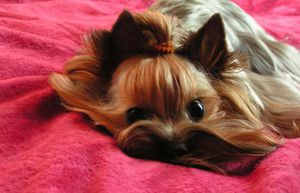
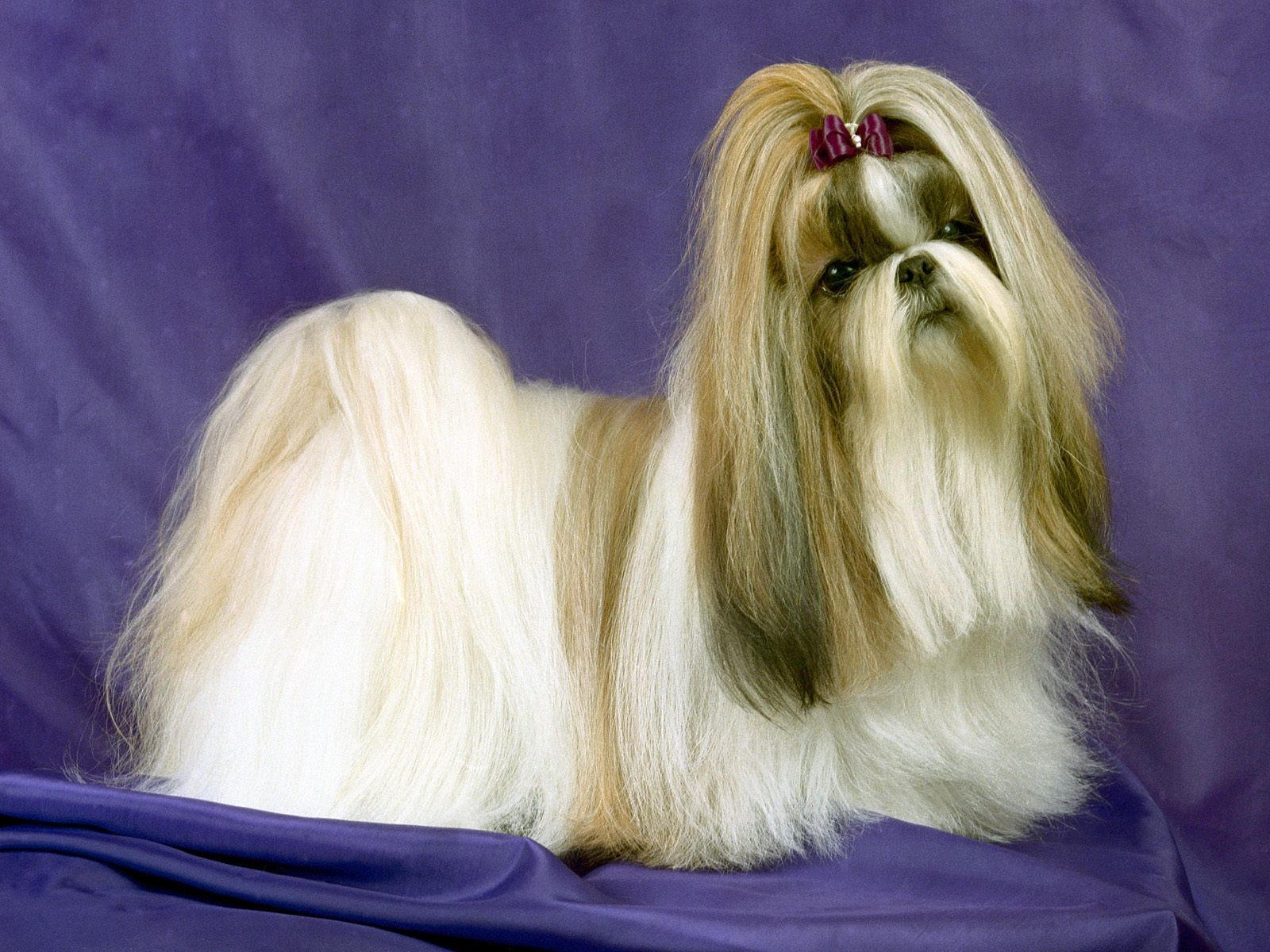
- Long – found in collies, Yorkshire terriers, and other breeds. It may or may not have an undercoat. The coat with an undercoat consists of very short, soft hairs close to the skin and a long guard hair. Examples of this breed include the Russian Borzoi and the Spaniel.
- Wire-haired dogs have one important characteristic: the guard hairs don't fall out on their own, so they require regular plucking or trimming. This type of coat protects them from external factors. Wire-haired coats are typical of many schnauzer and terrier breeds.
- Smooth – Smooth-haired breeds include some terriers, Dobermans, and Boxers. The undercoat is short and subtle, while the topcoat is short.
- Curly coats also have an undercoat, and the outer guard hairs are usually very soft and curled. The top coat does not fall out during shedding, and dogs require regular trimming and brushing. This type of coat is typical for poodles, Portuguese Water Dogs, and other breeds.
- In addition to those listed, there are special, atypical coat types found in rare breeds, such as the Puli. Proper grooming of these dogs requires specialized experience and should be done by specialists.
- Finally, we can't forget about hairless dogs—these include the Xoloitzcuintle (a Mexican dog) and the Chinese Crested. Their entire coat consists of a small fluff of hair on their body, which is usually removed.
What determines the condition of the coat?
The most important factor in maintaining a dog's coat is nutrition. A dog's diet must contain a balanced amount of vitamins and minerals; otherwise, the overall condition of the coat deteriorates, leading to hair loss and bald spots.
Other factors:
- Deworming – parasites in the dog’s body reduce immunity and prevent proper absorption of nutrients, which over time leads to deterioration of the coat;
- physical activity – lack of activity leads to obesity, problems with metabolism, and, as a result, the condition of the coat also leaves much to be desired;
- Regular grooming – timely combing, trimming, and washing will help keep your pet's coat in excellent condition.
After a walk, it is necessary to carefully examine the dog's coat and skin - remove foreign bodies, treat injuries, and promptly deal with dirt.
How to care for wool
Basic grooming for most dogs isn't complicated, but it does require regular maintenance. Restoring a pet's attractive appearance becomes much more difficult if the coat has been neglected for a long time.
How to bathe a dog properly
Bathing is useful not only for hygienic purposes, it also prevents many skin diseases.
Step-by-step instructions for washing a dog:
- Prepare a special product; shampoo for humans is not suitable, as it dries out the skin too much.
- First, remove large traces of dirt from the dog's body; representatives of long-haired breeds should be thoroughly combed.
- Spray your pet with water from a low-pressure shower. The water should be warm, up to 45 degrees Celsius. Make sure there are no dry spots.
- Lather your dog with shampoo and work up a lather.
- Rinse off the product with running water.
After washing, it's recommended to dry your dog first with a towel and then with a hairdryer. Dogs should be accustomed to grooming procedures from an early age.
How often should you bathe a dog?
General hygiene procedures are carried out both as the dog gets dirty and taking into account the individual characteristics of the breed.
- Long-haired and small dogs should be washed every two weeks. For large, short-haired breeds, washing once a month is sufficient.
- Wire-haired dogs can be washed less often – the structure of their hair protects them from dirt.
- Partial washing is carried out daily - after a walk, you need to wash the dog's paws and belly, and also remove all large dirt.
- Dogs are washed with special care before exhibitions, with accompanying treatment with products to increase shine and improve appearance.
Combing
Brushing should be done regularly, especially for breeds that do not shed (for example, poodles).
Basic rules:
- the brush should have bristles shorter than the dog's coat;
- sudden movements are not allowed - you can damage the skin;
- do not comb against the direction of hair growth;
- comb in the direction from the head to the hind legs.
It is essential to follow the correct grooming technique for the breed. Wirehaired terriers always need their beards combed after meals, while Komondors require the help of a grooming specialist.
Haircut
The safest way to get your dog groomed is at a grooming salon, but many owners also do it at home. Not all breeds require regular grooming; owners of Yorkies, Pomeranians, Poodles, and Pekingese typically resort to it.
- Large shorthaired breeds will not require grooming at all.
- For grooming, you need to select a safe place, wash, dry and comb the dog beforehand.
- Typically, hair is removed from the paws and inside the ears, and the belly and groin area are trimmed with clippers. The fur on the face is trimmed.
It is best to accustom your dog to haircuts from an early age so that it is not afraid of the hair dryer and grooming equipment.