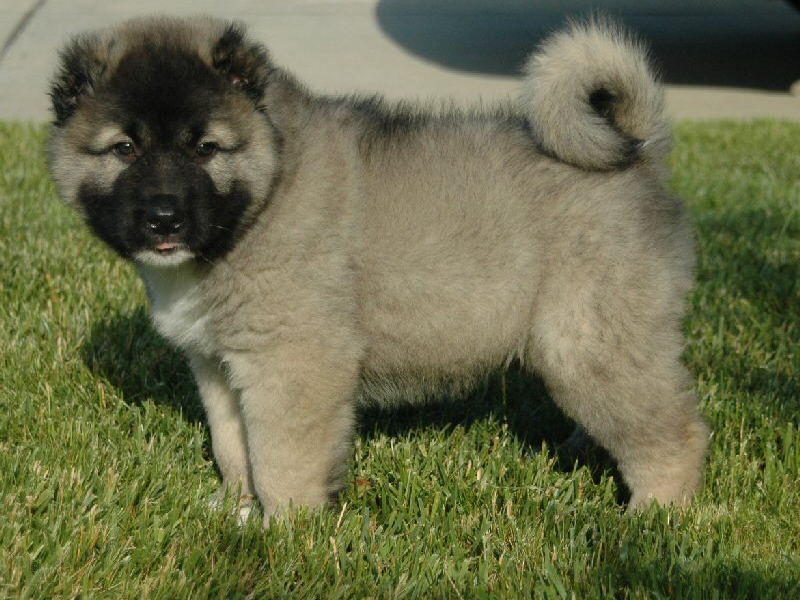
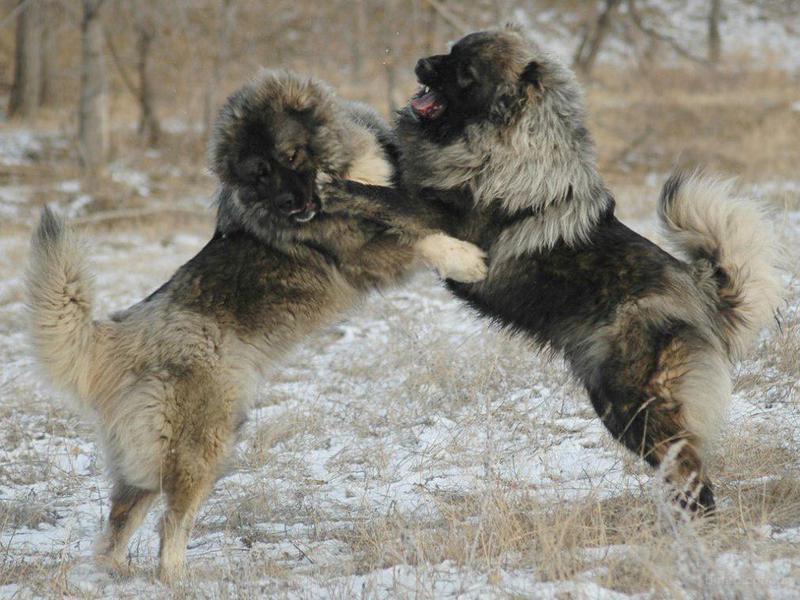
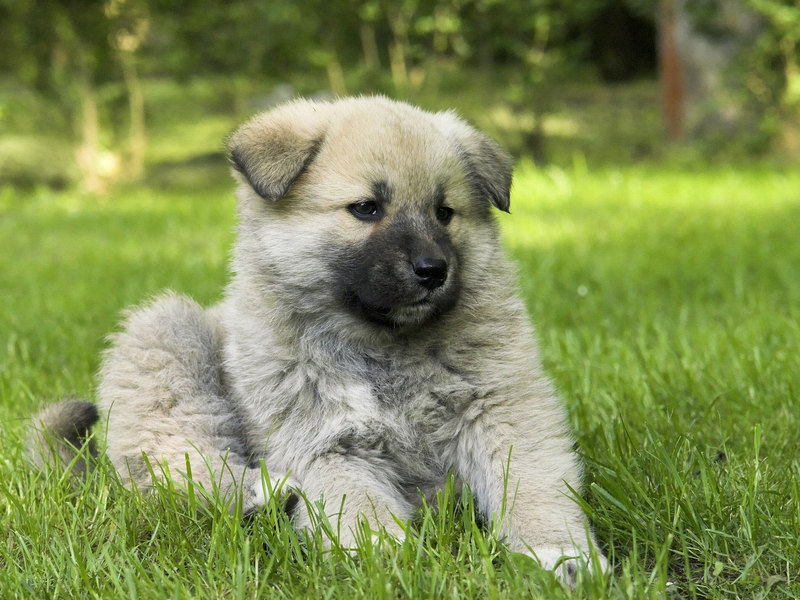
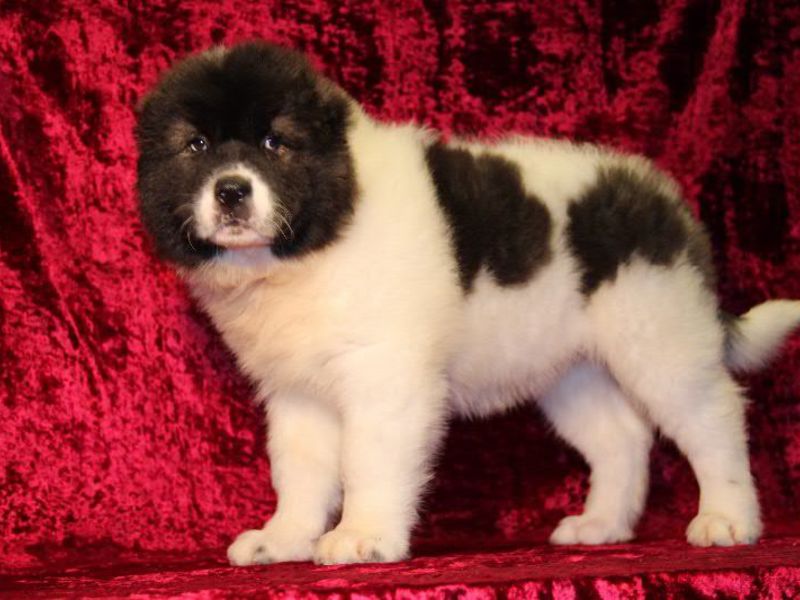
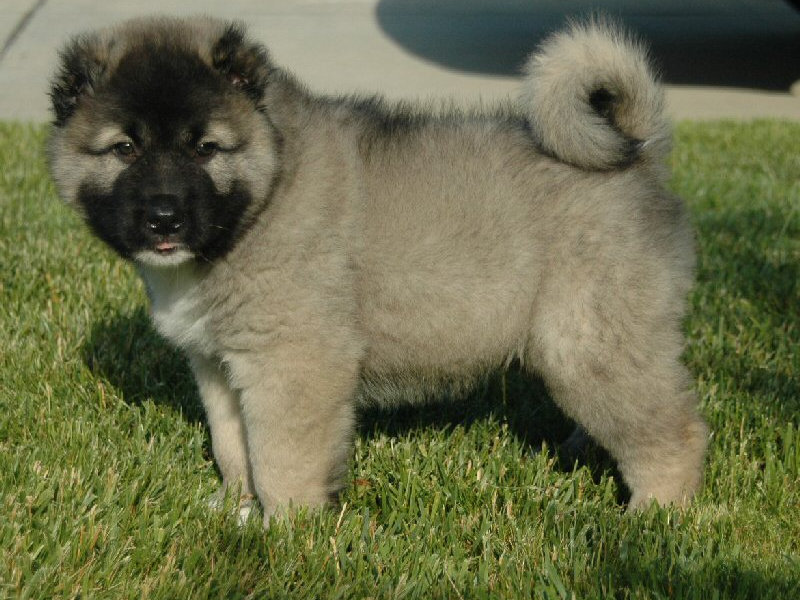
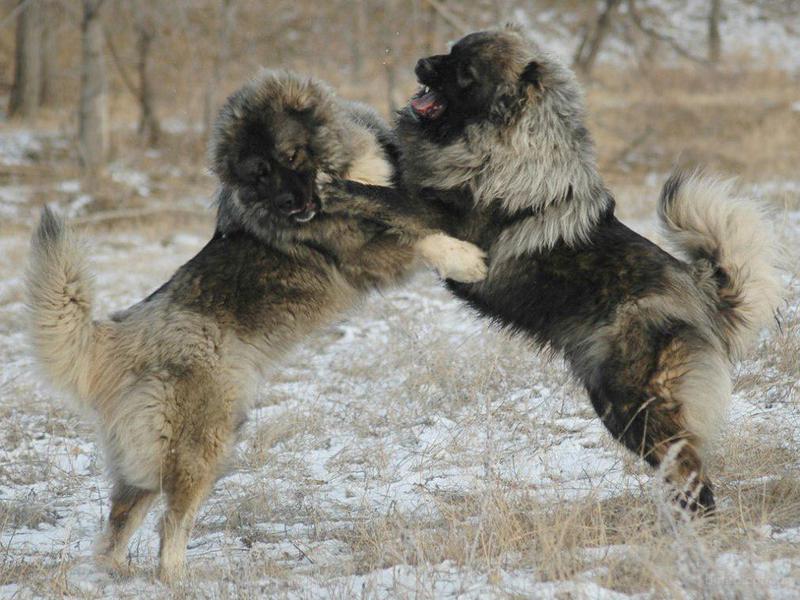
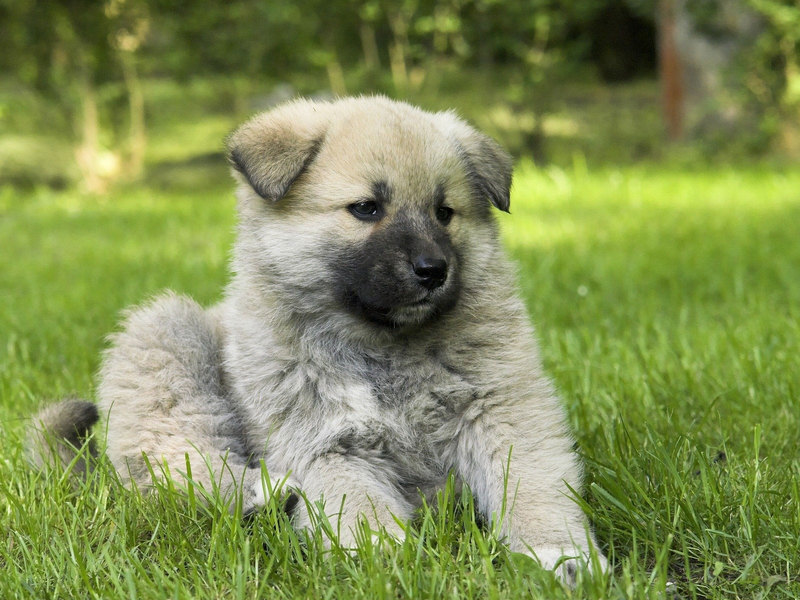
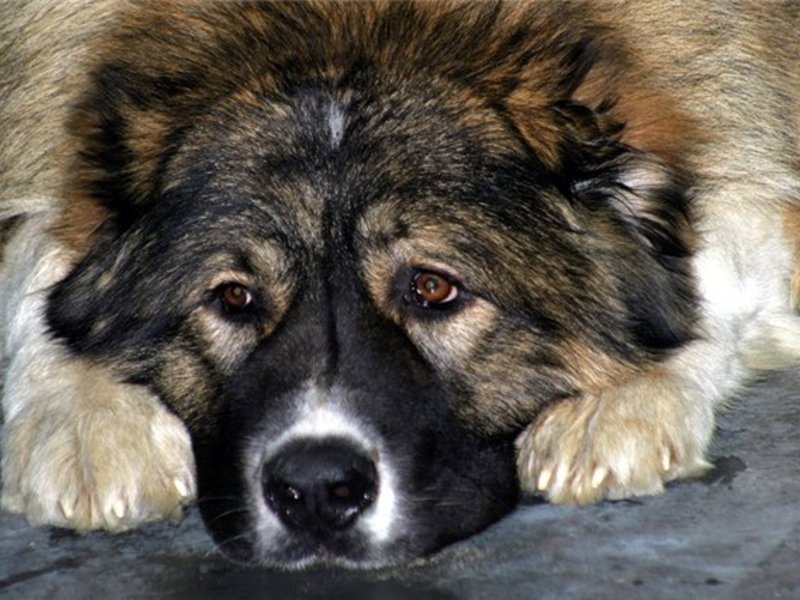
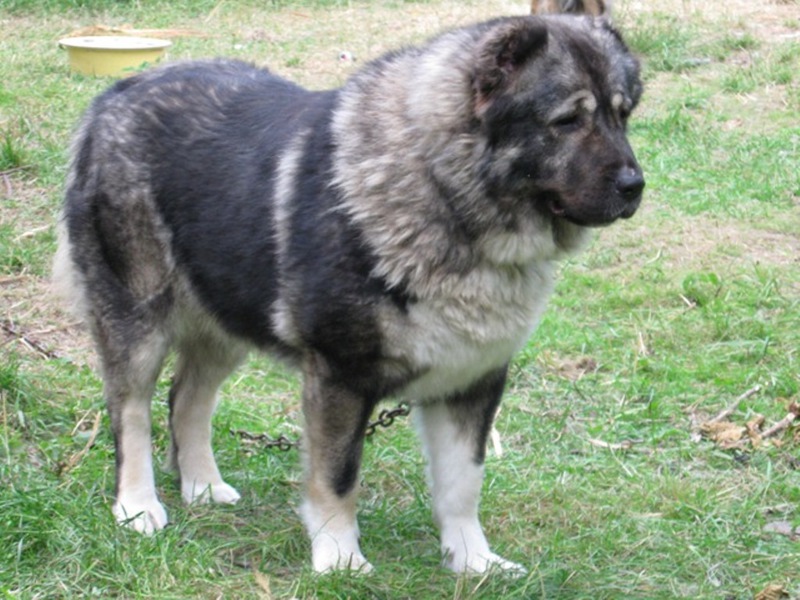
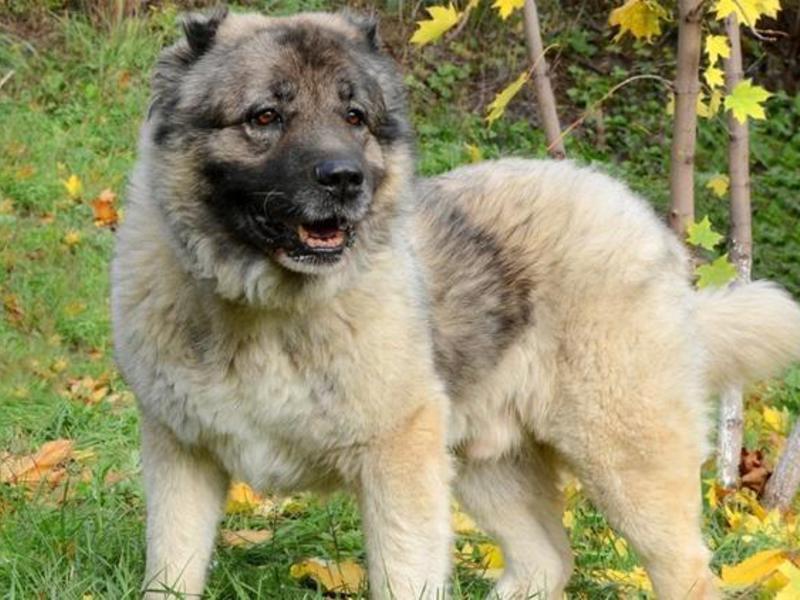
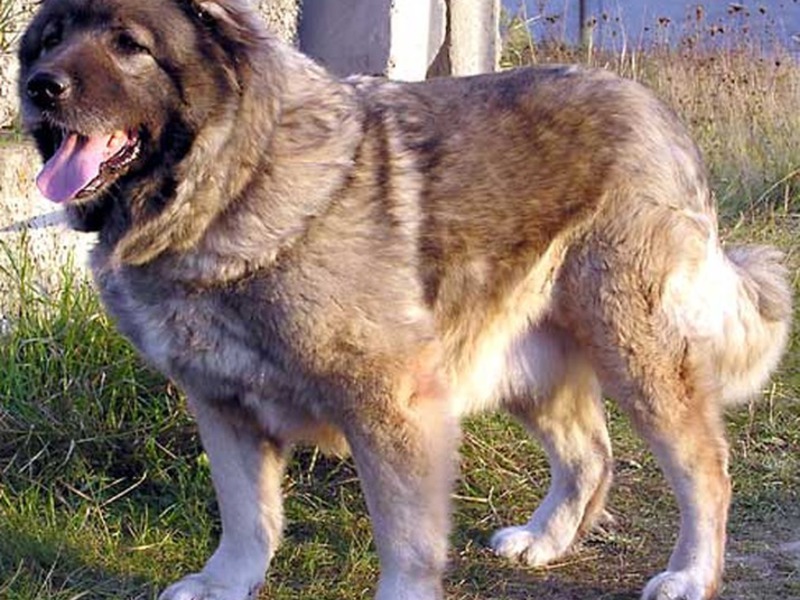
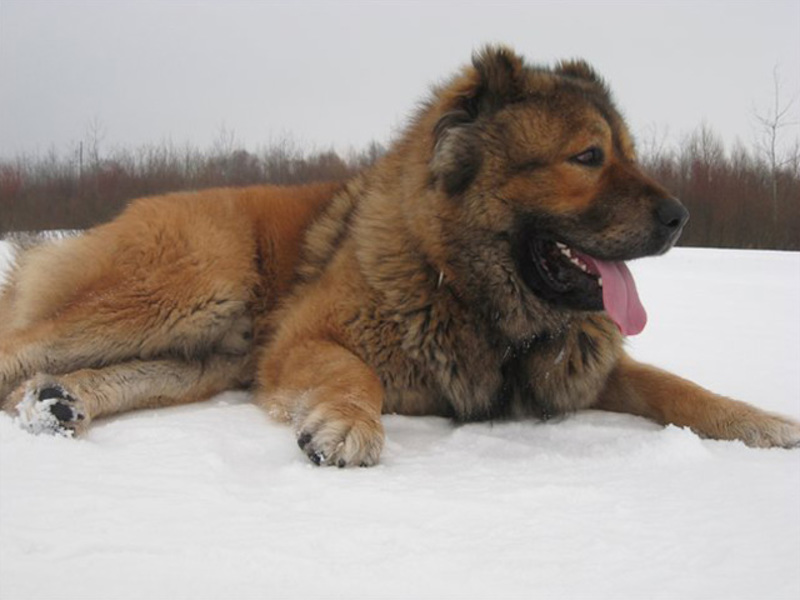
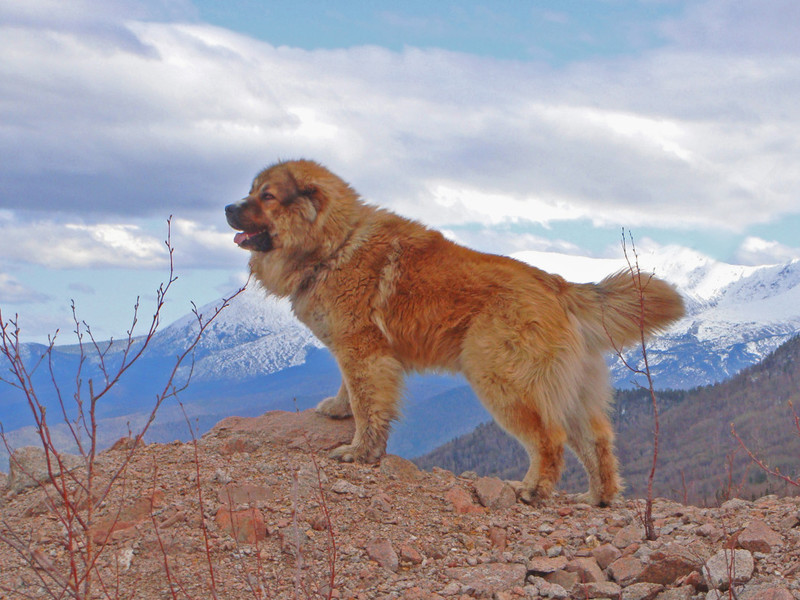
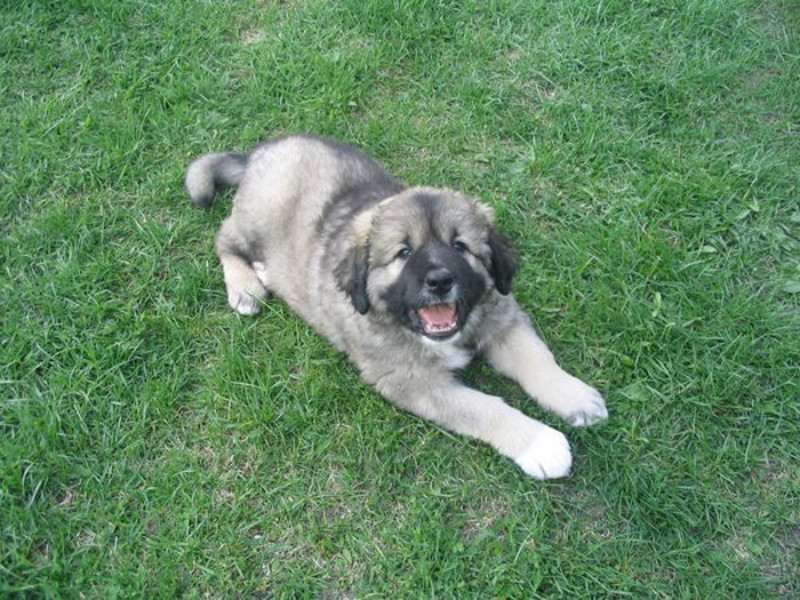
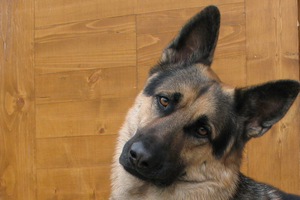
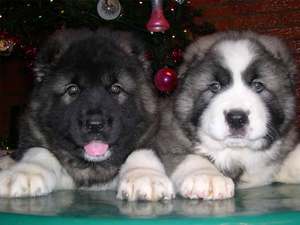
 The Caucasian Shepherd is a rather serious dog, considered one of the best guard dogs. These cute, lanky creatures, with their beady black eyes, thick, strong paws, and thick undercoat that makes them resemble a large ball, are capable of charming anyone at first sight.
However, the desire to acquire such a "baby" must be accompanied by a willingness to purposefully and diligently train it. The "Caucasian" is not at all the little teddy bear it looks like as a puppy. an intelligent, fairly large animal With their own characteristics and temperament, Caucasian Shepherds have a well-developed sense of territory, guarding and protecting their owner's property, and are incorruptible and uncompromising.
Content
Caucasian Shepherd Dog: Peculiarities of Education and Training
Caucasian Shepherds are unruly and proud dogs, but at the same time they are fearless fighters, ready at any moment to rush to the aid of their owner, to whom they are infinitely devoted.
The distinctive features of dogs of this breed are the desire for superiority, love of freedom and independence. Caucasians difficult to train, which poses a danger to novice dog owners. The dog is very affectionate with all family members, including children, but reserved and tactful toward other people's children (provided it has been properly trained). It can get along with other animals, but it does not "love" its own kind and is aggressive toward them.
These hardy and unpretentious dogs can adapt to any living conditions, but it is better to keep them outdoors.
Caucasian Shepherd Puppies: Training and Feeding
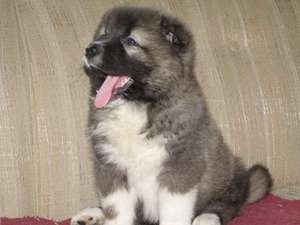 So, you've acquired a month-old Caucasian Shepherd puppy. Typically, puppies come from a breeder. they are taken away at the age of 1-1.5 monthsBut before purchasing an animal, you need to make sure it has received all the appropriate vaccinations, which should be supported by supporting documentation. When choosing a place to live for your pet, keep in mind that a guard dog will grow quite large and will therefore require more space than, for example, a lap dog.
Of course, the ideal option would be to keep a Caucasian Shepherd outside in a special enclosure. However, it's best to immediately place the puppy in a home for a while after purchase. This should be a fairly spacious yet cozy corner of your apartment.
Only older pets should be moved to a specially equipped enclosure, where they will feel more comfortable than in a house. Keep in mind that a Caucasian Shepherd puppy is essentially a big, naughty child, who might playfully chew, break, or climb into something. Therefore, it's worth taking a close look at the apartment and, if possible, removing all objects that could injure or break the child.
Caucasian Shepherds are naturally dominant dogs, and your pet will certainly try to gain dominance in the home. You should discourage such attempts and prevent your dog from feeling like he's the boss of everyone and everything. This is crucial, as the dog is very large and could cause problems in your relationship with him. In this case, you'll have to seek professional help, and even then, there's no guarantee they'll be able to help.
Training a Caucasian Shepherd Guard Dog
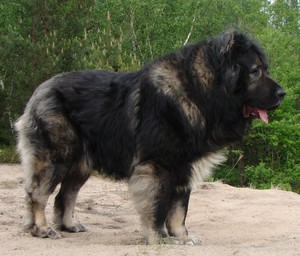 Training a puppy should begin from the first day it arrives home. First, teach it to respond to its name. This is easy to do—just call the puppy by name before each feeding. The next step is teach your pet the commands "come" and "stay"This is also not very difficult to do, since "Caucasians" are very smart and understanding from birth.
However, be careful! In addition to their natural intelligence, Caucasian Shepherds are also cunning. They may pretend not to hear you or not understand you at all if, from the little rascal's perspective, the command was followed by an unpleasant event. To ensure your pet obeys your orders unconditionally, you need to immediately show them that you, not them, are in charge.
If the puppy disobeys and tries to shirk a command, punishment is a must. Otherwise, the puppy will learn that it can completely disobey its owner. Conversely, praise is essential for clearly following a command from the "teddy bear."
The "no" command is also mandatory, and upon hearing it, the pet must immediately stop all actions, no matter what he's doing at the time. The puppy should obey this command both on walks, where he might grab an object or food, and at home. The puppy must clearly understand that taking anything from strangers or simply on the street is not allowed, as this is fraught with certain consequences and can be dangerous, especially for the pet itself.
Although the Caucasian Shepherd Dog is highly intelligent and has an excellent memory, it's not exactly an easy-to-train breed. Therefore, raising a well-behaved dog requires considerable effort.
Nutrition
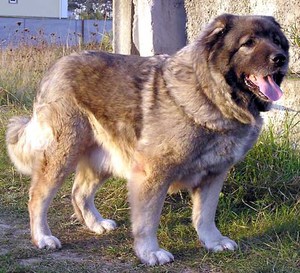 The body characteristics of Caucasian Shepherd dogs are such that they require much less food per kilogram of weight than dogs of other breeds, therefore, “Caucasians” very economical in foodIn summer, an adult dog only needs to be fed once a day; in winter, twice. Puppies, naturally, need to be fed more often.
Babies aged 1.5 to 3 months need to be fed 5 times a day. The diet should be complete and meet all the needs of a growing body. It should include sufficient minerals, proteins, fats, and carbohydrates, as well as the following foods:
- fish;
- meat;
- dairy products;
as well as special feed supplements sold at veterinary pharmacies and specialty stores. For example, these may include medications "Gekalan", "Kalcifit", "Polydex", etc..
The mandatory use of such drugs is due to the fact that a lack of phosphorus or calcium in the body of such a large animal as a Caucasian Shepherd dog can lead to joint deformation and abnormal skeletal development. Never give your pet pork, the meat should be beef or horse meat, At least 200 grams per day. Dairy products should be given approximately the same amount. Porridge should be given at 100 grams per day. Fish (30 grams per serving) should be given 1-2 times per week. Fruits and vegetables should be approximately 30 grams per day.
Your little rascal has grown up and he is already fulfilled 2 monthsThe feeding schedule remains the same (5 times per day), only the portion size gradually changes. Meat can now be fed up to 250 grams per day, and the amount of other foods can also be increased. Naturally, these are average amounts, and each individual has unique developmental characteristics, which determine the amount of food consumed. Therefore, carefully monitor your pet's condition.
If your puppy has a great appetite and there's no food left in the bowl, you're not overfeeding her. However, don't let her become underfed.
Signs of starvation:
- the baby asks for food;
- runs up to the bowl all the time;
- whines.
Is your pet feeling great, running around and having fun, but there's still food left in the bowl? Reduce the portion size—you might be overfeeding your shepherd. Has your little one become apathetic and lethargic? Is he refusing to eat? Contact your veterinarian immediately—these could be the first signs of an illness.
A two-month-old puppy needs short but frequent walks. It's important to take your pet out several times a day to familiarize him with the outside world and promote socialization.
3 monthsYour pet is no longer the small, helpless ball of fur you once brought home. The amount of food you feed it should be increased:
 fish - up to 50 grams twice a week;
- dairy products - 0.5 kg/day;
- meat - up to 0.3 kg/day;
- cottage cheese - 0.2 kg/day;
- porridge - 0.25 kg/day.
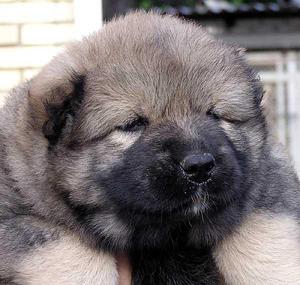 fish - up to 50 grams twice a week;
Again, these are average figures and you should primarily focus on the animal’s behavior.
3-6 monthsThe dog is transitioned to three meals a day. Portion sizes increase accordingly: 100 grams for fish, cereals, and meat, and 15-200 grams for vegetables. As the Caucasian Shepherd matures, the portion size also increases by 100 grams, and the number of feedings decreases.
By the first year of life The pet is fed twice a day with the following diet:
- meat 1 kg;
- vegetables 400-450 g;
- dairy products 1 kg;
- porridge 600 g;
- fish 250 gr.
Feed additives are still relevant and therefore should not be forgotten.
Walking and training Caucasian Shepherd dogs
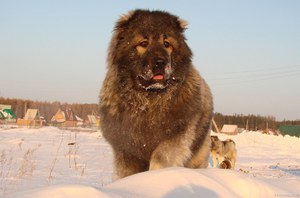 From three months of age, a puppy should be walked three times a day for at least an hour at a time. The pet should be accustomed to recognizing friends and strangers, as well as to sudden and loud street sounds, and the presence of animals, people, and cars. Since at this age, the "Caucasian" can be quite cocky, such a bully, try to wean him off this habit as quickly as possible.
At 6-8 months, your pet is ready for more serious training. If you're unsure whether you can handle this task on your own, consider entrusting your puppy to professional training. Experienced trainers will develop a set of commands for your pet and, with your active participation, will practice them until they become automatic.
Around nine months of age, a Caucasian Shepherd will inevitably want to check whether anything has changed in terms of leadership and whether it's safe to "take power" into their own hands, or rather, paws. Therefore, the owner must be vigilant and reiterate that you are still the "leader of the pack" and expect obedience from your furry friend as before. Mistakes in training made earlier can still be corrected.
Caucasian Shepherd Dog, like other breeds of dogs needs physical activityHowever, overdoing it is not recommended, as it can harm the puppy's still-developing body. It's important to wait until the skeleton is fully formed and the bones are strong before allowing the dog to engage in intense physical activity. Mature dogs of this breed will happily take you on sled rides and bike rides. However, don't ride too fast.
Additionally, for your pet's proper development, it's essential to accustom it to swimming. This should be done with extreme caution to avoid frightening the dog. Never throw the animal into the water without preparation—it might learn to swim, but He will have a fear of water for the rest of his life.It's best to stand in the water yourself and call your dog to you. Your pet will happily obey the command, and its mental health won't be harmed.
A Caucasian Shepherd Dog that has reached two years of age can be considered an adult dog with a fully formed skeleton and has received proper training.
So, if you did everything correctly, you can confidently say that the little fluffy lump has grown into a brave guard, a devoted friend and a loyal comrade.