A dog is man's best friend, and not just in name. Guide dogs offer great opportunities for the blind, St. Bernard rescuers pull victims from snow and water, and service dogs guard borders and help catch criminals. And some dogs have excelled so much that people still remember them fondly to this day. We present the stories of five four-legged heroes.
Content
The first dog in space was Laika.
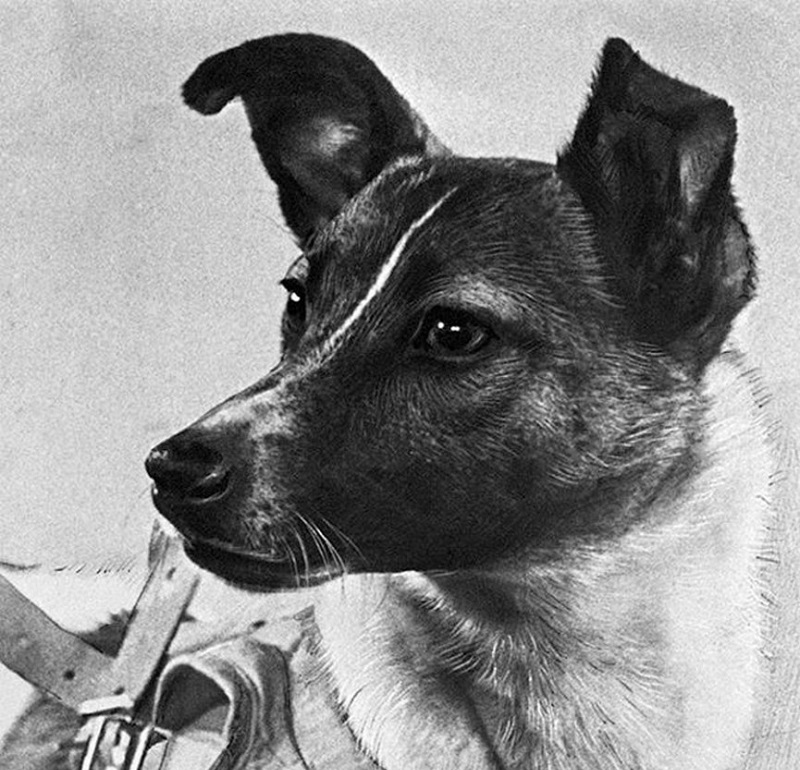
In fact, the USSR had been experimenting with launching living creatures into space for several years before Laika, but she became the first dog to orbit the Earth. Despite her name, Laika wasn't a purebred. It was believed that pedigree dogs wouldn't be able to withstand the harsh conditions of a satellite—the temperature and pressure fluctuations.
The space dog was intended to become a national hero of sorts. Initially, plans were made to launch primates or rats on board, but ultimately it was decided that the people would prefer a dog.
The poor animal was never intended to be returned to Earth from the very beginning. The satellite was scheduled to orbit for a week, after which the dog's feeding and air regeneration systems would fail. Laika was effectively being sent to her death. Before the flight, sensors were implanted in her to monitor her health.
The launch took place on November 3, 1957, from the Kapustin Yar test site. Sputnik 2, carrying its only passenger, left the Earth's surface. From the very first minutes, Laika proved resilient and refrained from panicking. During takeoff, her heart rate tripled, and she was pressed against the cabin wall, but she endured. She died a few hours later from overheating, having completed four orbits of the Earth.
The entire world followed the flight. When the dog's death was announced, a wave of outrage and grief swept across the planet. Western animal rights activists were outraged, while Soviet citizens mourned Laika and sent proposals to the Kremlin to posthumously award the dog the title of "Hero of the Soviet Union."
The only consolation for the people was that Laika's sacrifice had not been in vain. The animal's successful journey into orbit was a huge step toward launching humans into space. And this step was accomplished by a small, mongrel, yet incredibly courageous dog named Laika.
Franklin Roosevelt's dog, Fala
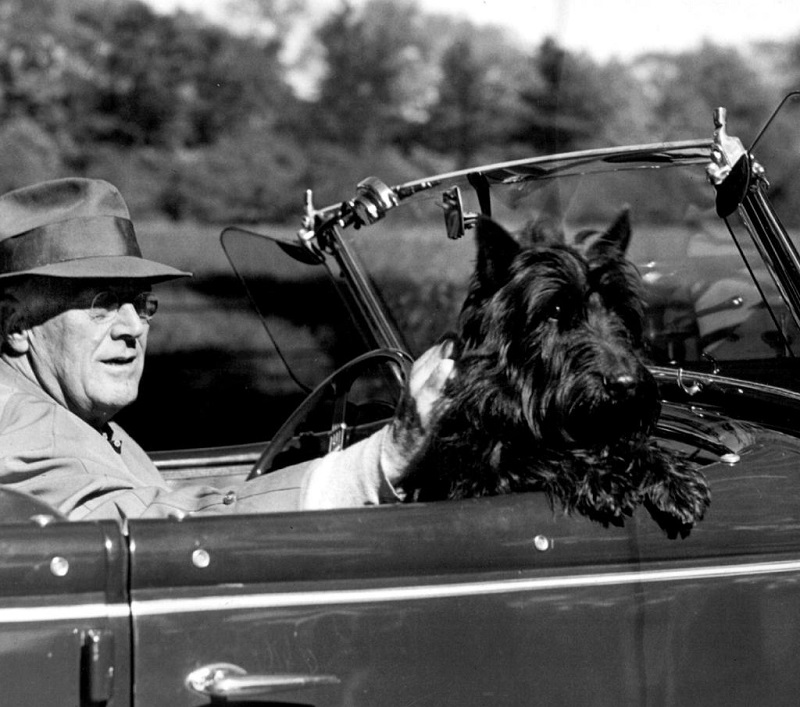
Every American living in the mid-20th century knew this dog. Fala was a faithful companion, mascot, and sometimes advisor to US President Franklin Delano Roosevelt, who, incidentally, served four terms in office.
Back in 1940, Roosevelt's cousin gave him a handsome black Scottish terrier named Big Boy. The owner renamed the dog "Falahill Highwayman," a reference to the breed's Scottish origins (Falahill is a village on the Scottish Borders). The name was later shortened to "Fala."
The president took his pet with him everywhere. Everyone at the White House immediately fell in love with Fala. When the dog developed stomach problems, a veterinarian had to be called. It turned out the illness was caused by everyone at the White House constantly feeding the dog treats. The caring owner then issued an order that only he could feed his dog.
Noticing that Fala wouldn't let everyone pet her, the president began using the dog to make political decisions. When Roosevelt wasn't sure whether he could trust someone, he'd find out if Fala allowed him to pet her. If so, he could trust her. This fact even gave rise to a rumor that dry dog food was specifically designed for Fala. Politicians, trying to win Franklin's favor, carried dog treats in their pockets. After all, you can't put a juicy steak in your pocket.
Opponents of the US president often exploited his pet for their own ends. Members of the Republican Party spread a false rumor that after a visit to the Aleutian Islands, the president had forgotten his dog there and sent a destroyer to retrieve it, spending millions of dollars from the budget. Roosevelt was furious and declared that he "could tolerate as much criticism as he liked, but he would not tolerate any reproaches directed at his dog." This speech went down in history.
The terrier outlived his owner by seven years. A monument to the 32nd US President and his dog was erected in Washington, D.C. The memorial depicts an aging Franklin Roosevelt wearing a trench coat and accompanied by his faithful companion. A similar sculpture is located in a New York City subway station.
The Legally Blonde actor is a Chihuahua.
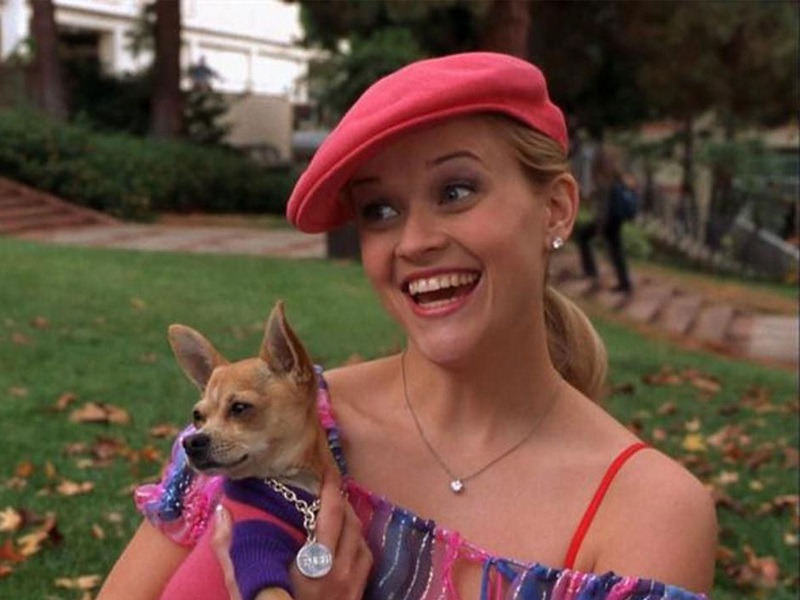
Perhaps the most famous Chihuahua in the world is the very same Wrestler from Legally Blonde, played by Reese Witherspoon. In real life, the actor's dog was named Mooney.
Mooney was trained by Hollywood dog trainer Sue Chiperton. When casting opened, Sue wanted to offer another of her trainees, Gidget, but she was already busy with a Taco Bell commercial. Mooney auditioned and landed the role.
The wrestler from Legally Blonde and Legally Blonde 2 wasn't Mooney's only role. He appeared in several Cher music videos, numerous commercials, and had cameo roles in the series Three Sisters and Providence. He also attended Reese Witherspoon's Walk of Fame star ceremony.
In 2016, Mooney died of old age at the age of 18. Sue Chiperton's Instagram account exploded with sympathetic comments from fans. Several media outlets also reported the death of the beloved four-legged actor.
Rescue Dog - Barry
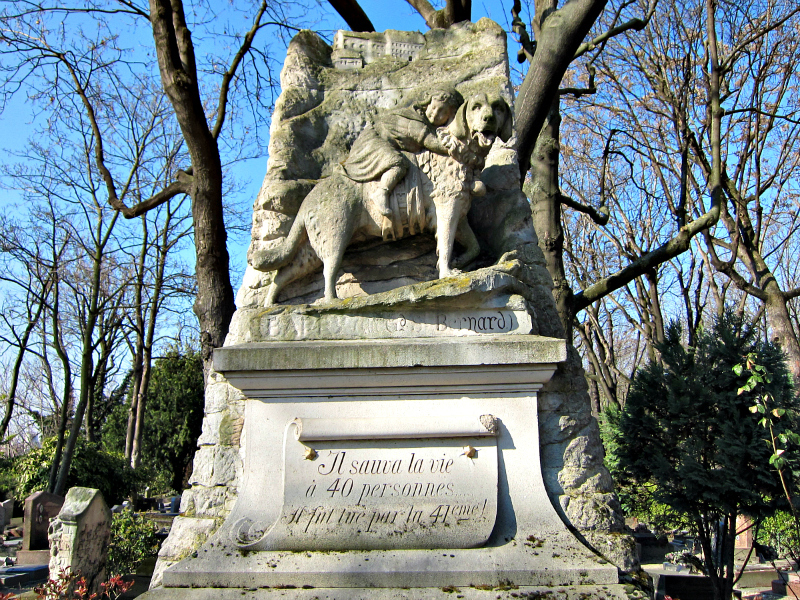
On a Parisian street, there's a monument depicting a dog carrying a little girl on its back. It's dedicated to perhaps the bravest rescue dog ever, the hero of countless stories and legends. This incredible dog's name is Barry.
In the snow-capped Alps, on one of Switzerland's most dangerous passes, stands the monastery of Saint Bernard. Its doors are always open to lost and frozen travelers. The monks of this monastery breed a special breed of dog to rescue people injured in avalanches. It was here that the famous dog Barry, who saved 40 lives, lived.
The dog possessed extraordinary intuition, a keen sense of smell, and a tenacity few humans possess. Barry often returned from his expeditions completely covered in snow. He didn't need to be asked; he sensed an approaching avalanche and set out to search for those in distress.
One day, Barry found a woman and her child buried under rubble. The mother, unable to escape, had tied the child to a dog's neck with a scarf. Barry spent the entire journey to the monastery warming the baby with his own body heat and licking its face until it came to.
In a sad irony, the hero found himself on the brink of death because of the one he was trying to save. On one of his hikes, Barry discovered a frozen, unconscious man. A dog warmed the victim, and he regained consciousness. Seeing the dog's enormous, snow-covered muzzle, the man became frightened, mistaking the St. Bernard for a bear, and stabbed him with a knife.
Barry survived, but his work as a rescue dog had to be discontinued. The dog died two years later, in 1814. In honor of the deceased hero, the monks continued to call St. Bernards "Barryhounds" for some time.
The dog who saved Alaska from an epidemic: Balto
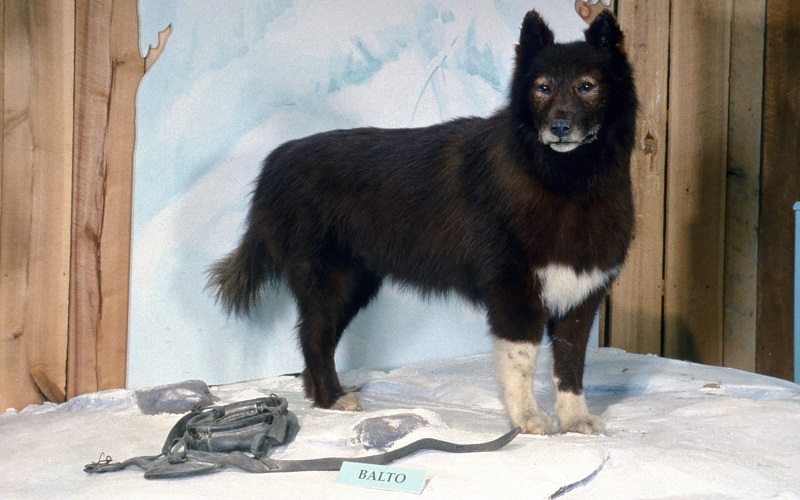
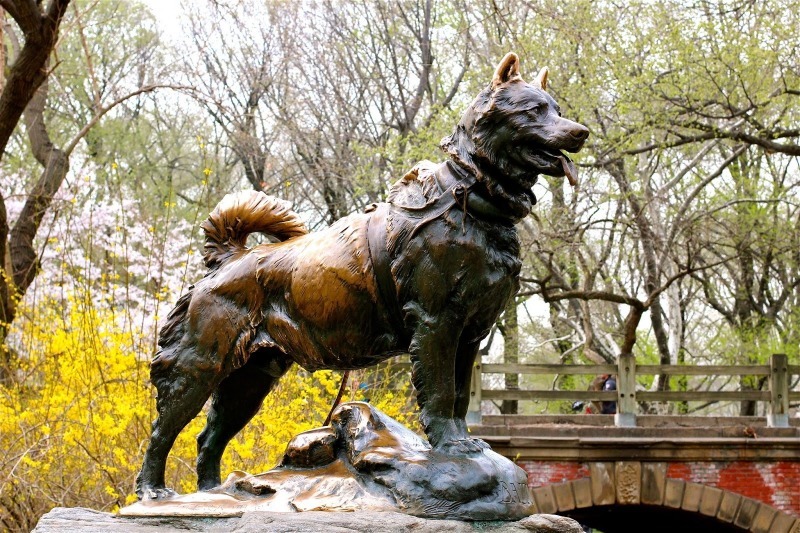
Many people have watched the cartoon "Balto," but not everyone knows that the main character was based on a real dog.
The story unfolded in January 1925 in Nome, Alaska. Balto had been a sled dog since childhood, but he was never trusted with serious work. He was never strong enough, experienced enough, or fast enough. But he proved to have plenty of endurance and tenacity.
Along with the gold rush, diphtheria arrived in the frozen state. Several children had already died. It was necessary to deliver the vaccine to Nome from Anchorage. As luck would have it, the only serviceable plane had its engine fail, unable to withstand the freezing temperatures. There was only one option: transport the medicine by train to Nenana, and from there, deliver it to its destination by dog sled.
There were 20 drivers and 150 sled dogs on the expedition, but Balto excelled above all. A terrible storm blew up that day. The team was torn from the ground by the wind. The driver claimed he couldn't see further than an arm's length. The distance from the railway to the city was over 80 kilometers. The dogs began to give in one by one, and had to be unhitched from the team.
In the end, when even the rider fell unconscious, Balto was left alone. He single-handedly found his way to the city through the impenetrable whiteout, delivered crates of vaccine, and saved the entire town from an epidemic. Balto's incredible feat remains etched in people's hearts. Alaskan schoolchildren still tell stories about it to this day.
Just because a dog hasn't starred in films, saved lives, flown into space, or participated in the country's political life doesn't mean they're bad or useless. An ordinary dog saves people every day, from real danger or loneliness, without demanding any reward or gratitude.