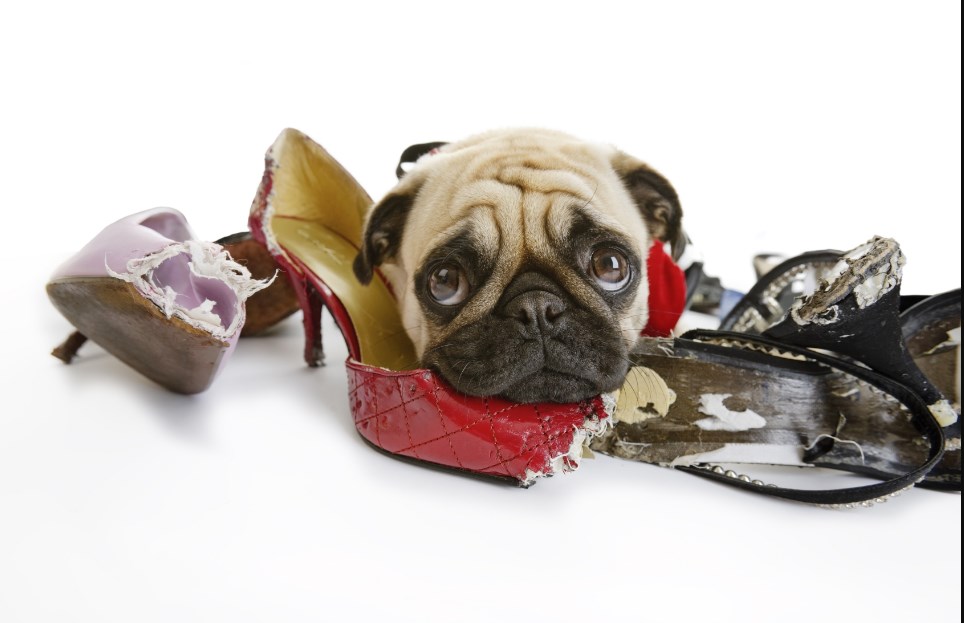
A dog is man's best friend. Until his favorite shoes are eaten, and finally, the expensive upholstery of the sofa. The owner's hair stands on end, and the dog looks on with a touching, guilty look, hiding the half-eaten charger cord with his paw.
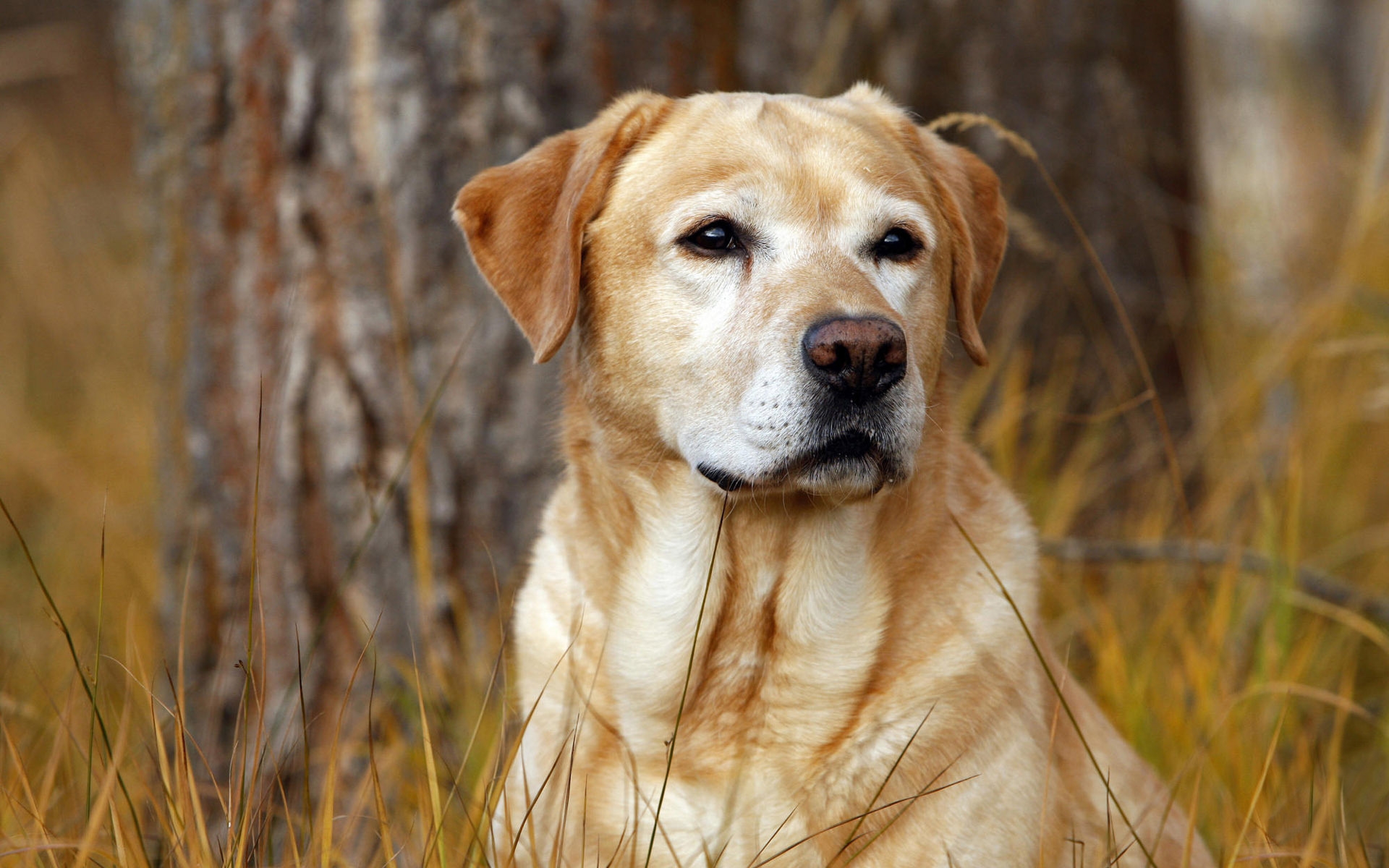
Labrador retriever
This is a friendly dog breed, suitable for families. They love and know how to swim, get along well with children, and make excellent nannies. They are also trainable.
She has a playful nature and, if left unattended, will begin to entertain herself. Her favorite pastime is gnawing on anything that isn't nailed down and destroying the house.
Owners note that some Labradors stop chewing by the age of one year, even with proper training, while others do not, even with the same approach. This is due to heredity. Puppies from different litters may behave differently: some stop destroying things at an early age, while others continue to do so even after three years of age.
To reduce destruction in the home, you can increase physical activity. Labradors chew things out of boredom. Try to spend longer walks with your dog; a brisk half-hour walk is preferable. Allow your dog to sniff the grounds, grass, trees, and explore anything that interests them. This is an informational component of their life, as they don't read books, watch television, etc. Without this information, a dog becomes nervous, apathetic, and untrainable, and their character deteriorates.
Golden Retriever
Like the Labrador, the Golden Retriever is a kind and playful dog breed.
These good-natured creatures begin to cause trouble in the home even as puppies. Therefore, it's important to provide them with toys they can chew on while they're teething. Training should begin in infancy: praise them for good behavior and gently punish them for misbehavior.
When your puppy chews on his toys, praise him and offer him a treat to show he's doing it right. If he bites something he shouldn't, say "no" in a firm, stern voice and clap your hands. Offer the puppy his toy and praise him for biting it.
Retrievers grow quickly, so small toys will need to be replaced with larger ones to prevent him from swallowing the old ones.
Collie
The Collie (Scottish Shepherd) struggles with loneliness and negative home environments. She forms strong bonds with her owner and family, loves children, and is patient and obedient.
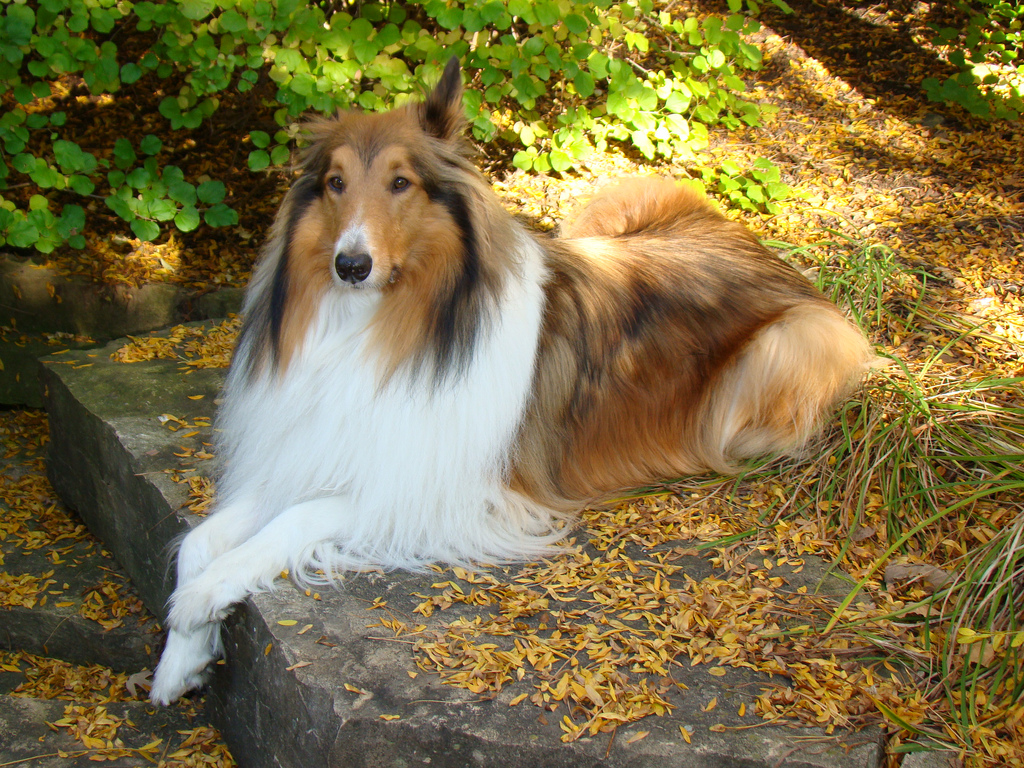
This breed is highly trainable and quickly learns commands. They may begin chewing furniture and other objects if something offends the dog or if the home environment changes, such as buying new furniture, renovating, bringing a spouse home, etc.
In this case, you need to identify the cause of this behavior and show the dog that it is just as loved and needed. At the same time, you need to show that such behavior is unacceptable.
Australian Shepherd
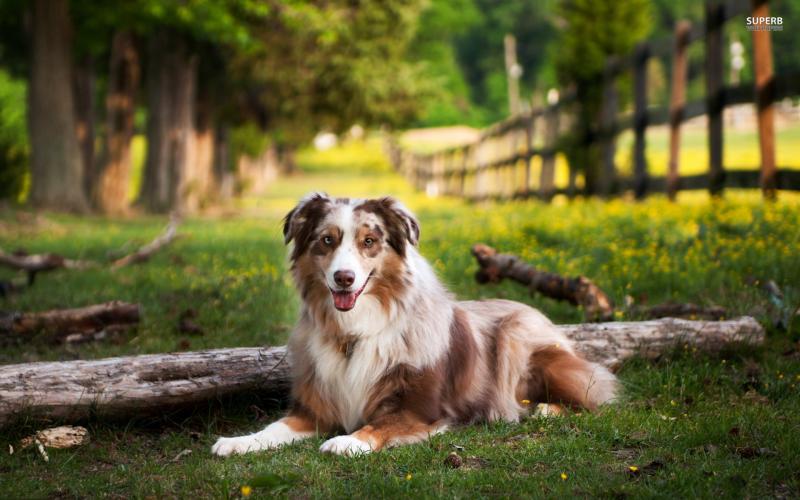
A kind, easy-to-train dog breed. They are often used as guide dogs. They are extremely responsible: they can spend hours watching over another animal or even a child. They can "grin" with all 42 teeth.
Aussies are highly intelligent. Failure to follow these dog care guidelines can cause damage to items:
- the animal needs an hour of daily physical activity;
- She needs long 2-3 hour walks; she can’t sit in a confined space for days;
- the dog must be immediately made to understand who is the boss in the house, otherwise he will take the boss’s place;
- training must begin from the first days the dog appears in the house;
- Aussies need to be immediately given their own place in the house.
Staffordshire Terrier
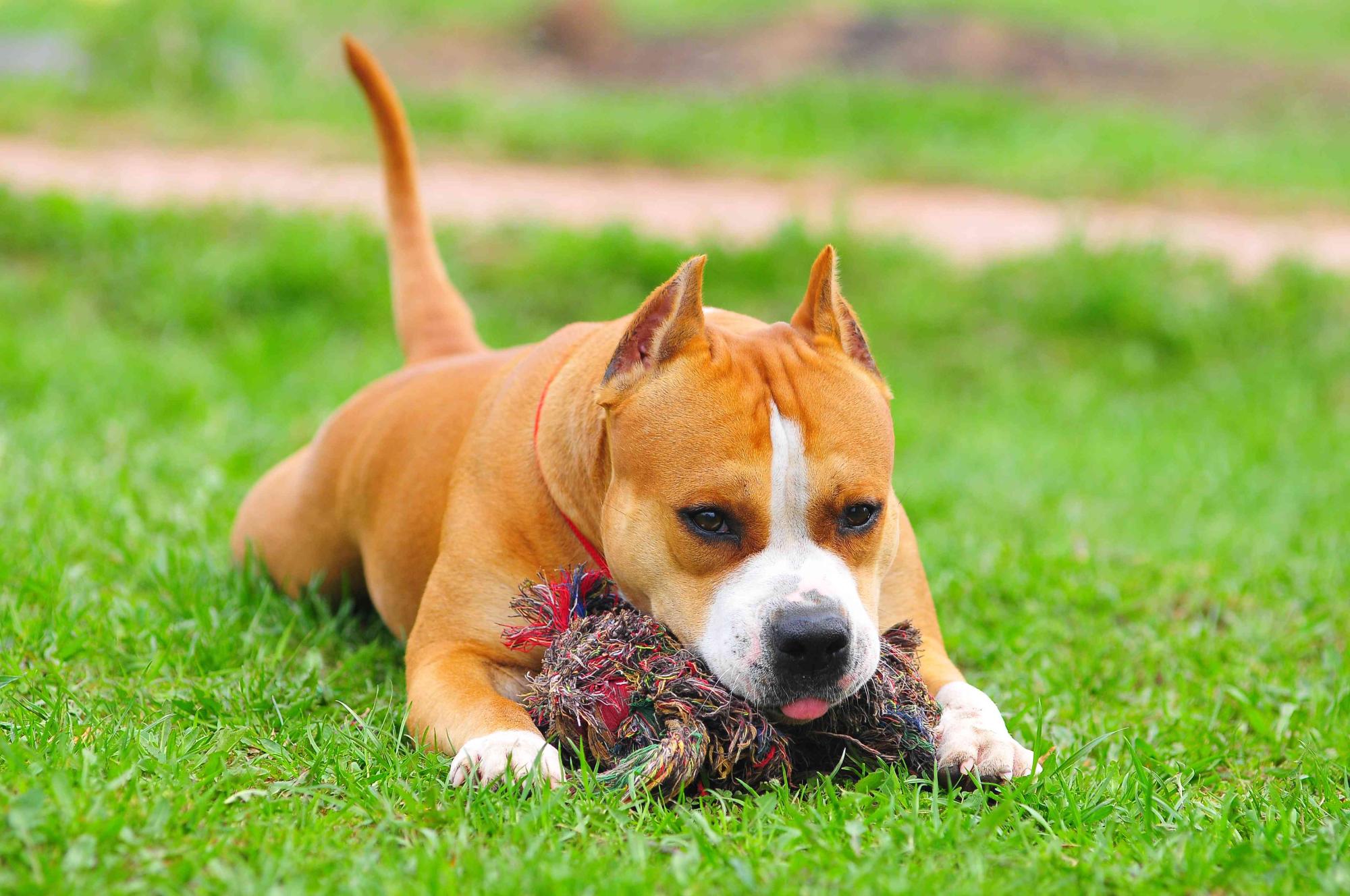
The Staffordshire Terrier is easy to train, loves its owner and family, and gets along well with children. To prevent your dog from chewing everything, follow these steps:
- train your pet from puppyhood;
- do not hit the animal;
- educate only with affection;
- the dog must know who is the boss in the house and obey him unquestioningly;
- It's better to contact a trainer at first.
Jack Russell Terrier
This breed is a hunter. If left untrained, it will begin to occupy itself. For example, it will search for prey in furniture or shoes, tearing and shredding the fabric with its teeth. This dog needs to be kept busy. It needs regular exercise, training, and participation in competitions.
During walks, dogs need to be allowed to run and jump. If the walk is boring and short, the owner's belongings and furniture will suffer.
Beagle
A hound breed. Training will require long and rigorous efforts. The dog will be surprised to find itself obeying its owner, as it has a decisive and authoritative nature, albeit a bit mischievous. The owner will need to be patient.
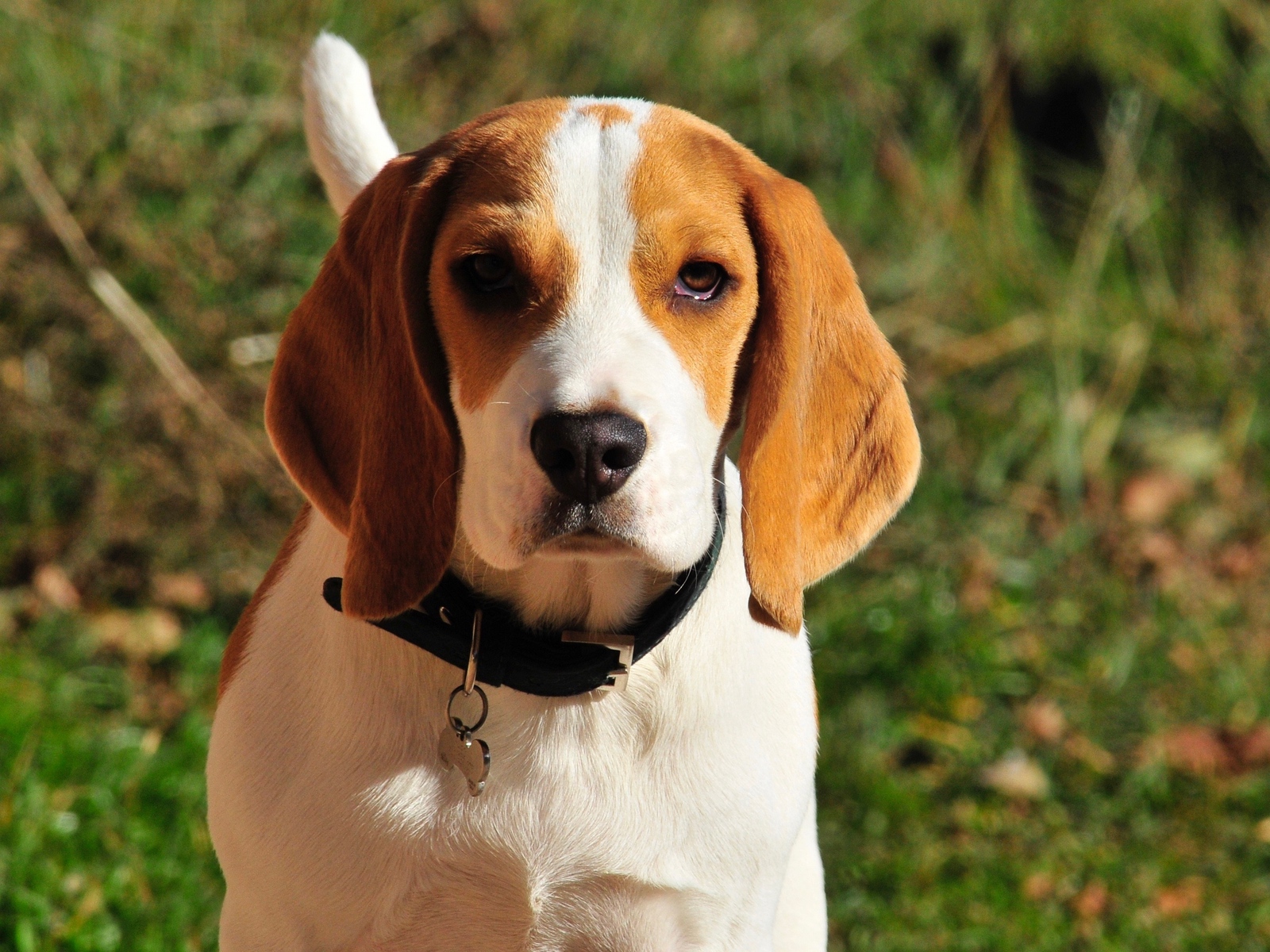
A beagle can tear up furniture and things if you walk it less than 2-3 times a day for half an hour, do not let it frolic outside, and do not start training the pet in time.
Husky
A beautiful sled dog breed. It requires at least two hours of walking, preferably with the owner on a bicycle and the dog running alongside. Physical exercise doesn't guarantee that the pet will tire out and won't destroy the house. This dog has a playful nature and is overflowing with energy, so keeping it in an apartment is expensive. This breed thrives in a house, and a kennel is a good idea.
German shepherd
One of the most obedient breeds is the German Shepherd. However, it will start chewing on everything in the house, both permitted and prohibited, if you don't provide the dog with:
- special toys;
- education and training from the first days;
- long walks;
- physical activity.
Shiba Inu
An ancient Japanese dog breed, this dog is freedom-loving and strong-willed. To prevent it from being destructive and to ensure obedience, its owner must be a leader, just like the dog. This dog is difficult to train; it dislikes subordination and is also known for its cunning. Therefore, its owner must be extremely patient and double-witted to show the dog who's boss.
The dog breeds listed above require a great deal of responsibility and patience in training. They need to be trained from a young age to prevent them from developing bad habits. Love, understanding, and patience are the best tools in dog training.
 Viola
Viola
1 comment