The Norfolk Terrier is a breed of hunting dog native to Norfolk, England. These dogs are distinguished by their compact build, alert expression, and lively nature. They are ideal for apartment living and make loyal companions for their owners. With proper care, these small terriers can live for approximately 14 years or more.
Content
Exterior Description
Norfolk Terriers have a stocky, compact build. Their height at the withers ranges from 23 to 28 centimeters, and their weight ranges from 4.5 to 6 kilograms.
Description of appearance:
- broad, slightly rounded skull;
- wedge-shaped muzzle;
- strong jaws, scissor bite;
- deep-set, oval-shaped eyes;
- hanging ears of a triangular shape;
- neck of medium length;
- straight back;
- short, muscular limbs with rounded paws;
- The medium length tail tapers to a point and is carried high (docking is optional).
Norfolk Terriers have a harsh, straight coat that feels wiry to the touch. The coat on the neck and shoulders is coarser than on other parts of the body. The head and ears are short, with a small beard and whiskers.
The standard allows the following coat colors:
| Color | Photo |
| Red (all shades) | 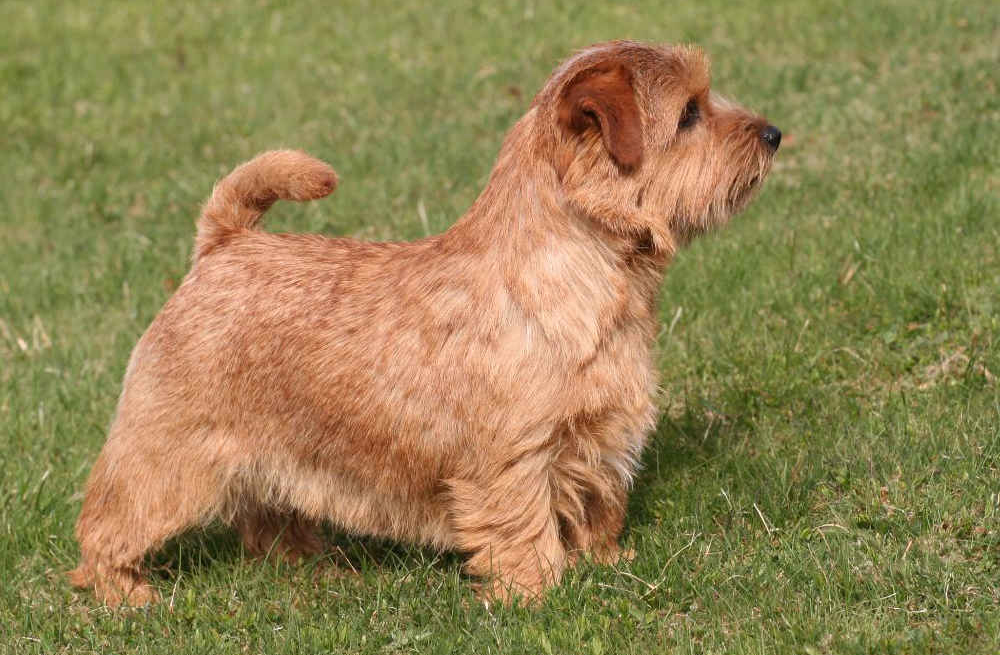 |
| Wheat (all shades) | 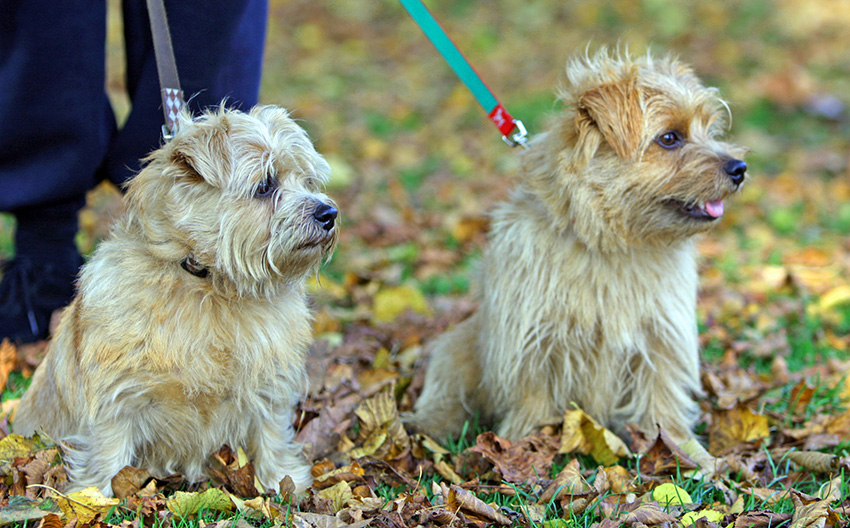 |
| Gray (all shades) | 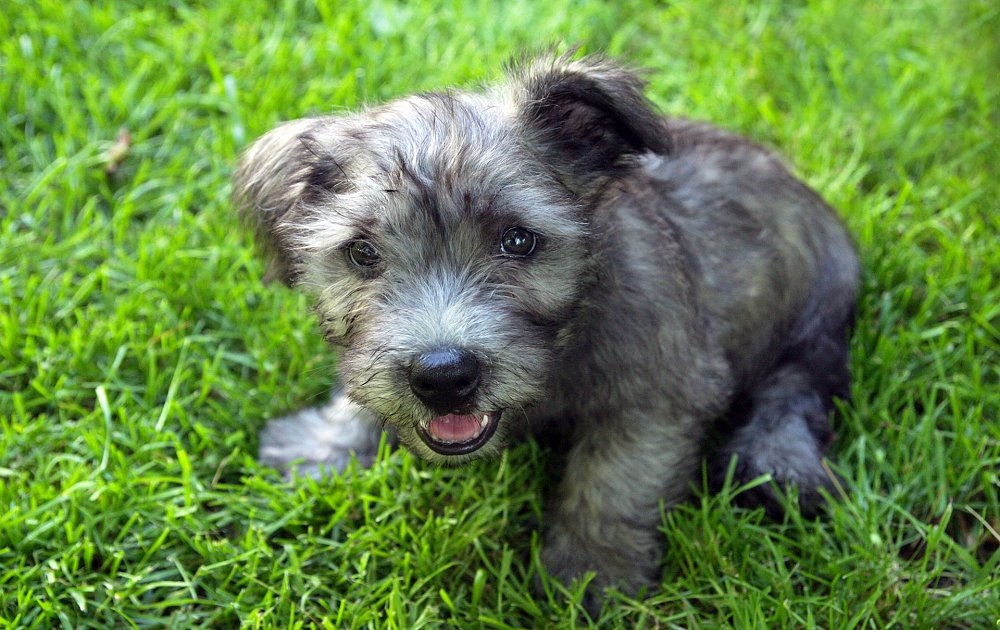 |
| Black and tan | 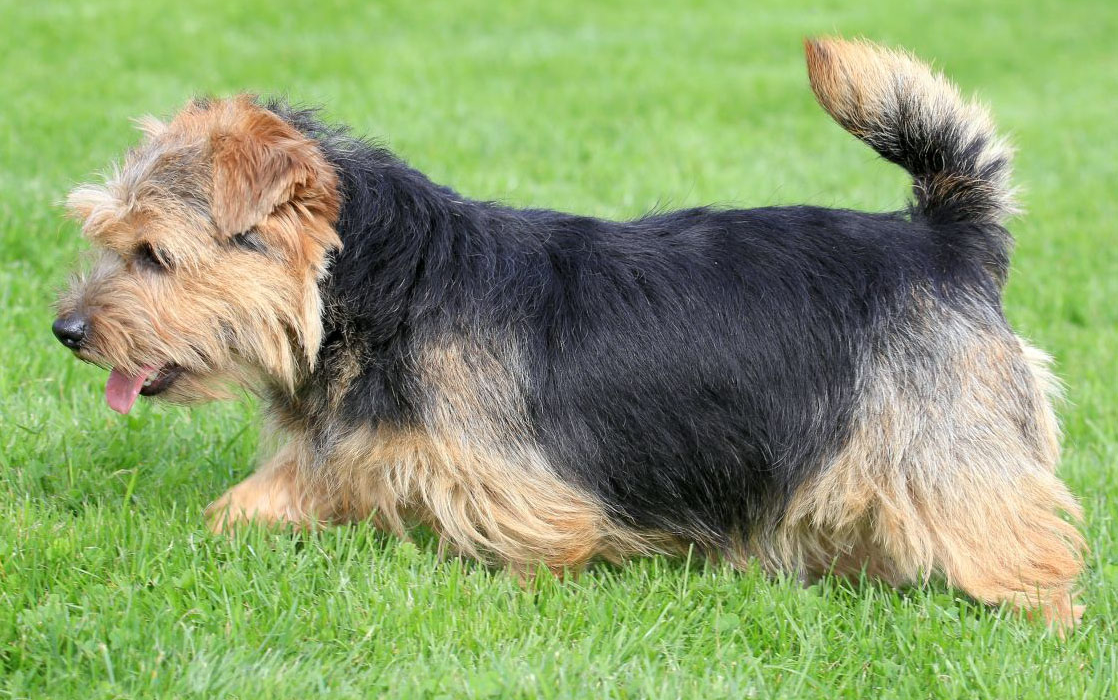 |
Norfolk Terriers may have white spots on their coats; their presence is acceptable but not desirable.
Personality traits
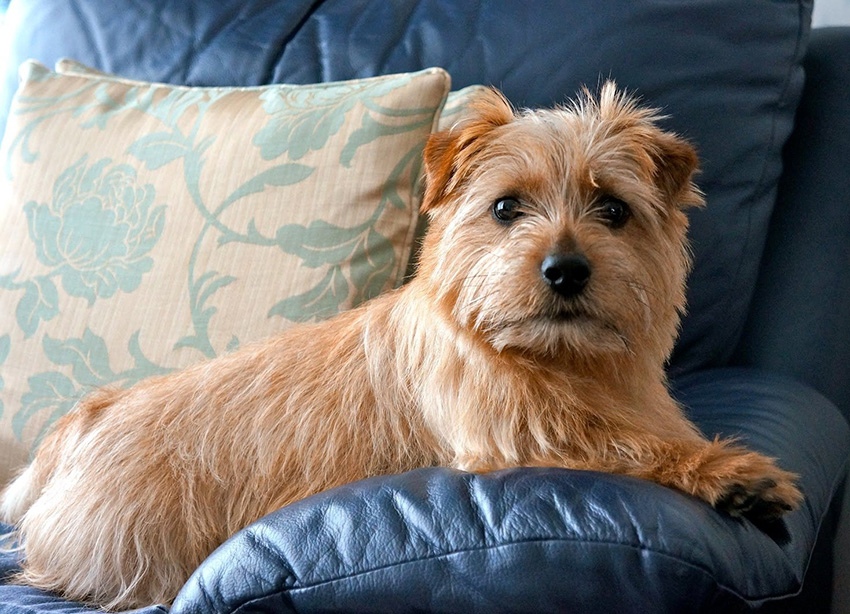
With proper training, terriers will grow up to be sociable and obedient.
Adult dogs have a calm disposition and a balanced psyche. They are attentive to their owners and get along well with cats and dogs that share their territory. They will hunt birds and small rodents, as they have a strong hunting instinct. Norfolk Terriers are very cheerful and curious, they enjoy active play and are willing to participate in all family activities. They are responsible with small children and will not allow anyone to harm them.
Despite their compact size, dogs of this breed are excellent watchdogs and are known for their fearlessness. They will bark to warn of intruders and will not display aggression without apparent provocation.
Norfolk Terriers are independent and prone to making their own decisions. They don't do well alone and, out of boredom, can damage furniture or even dig and escape. These dogs are intelligent, but training requires persistence and patience.
Pros and cons of the breed
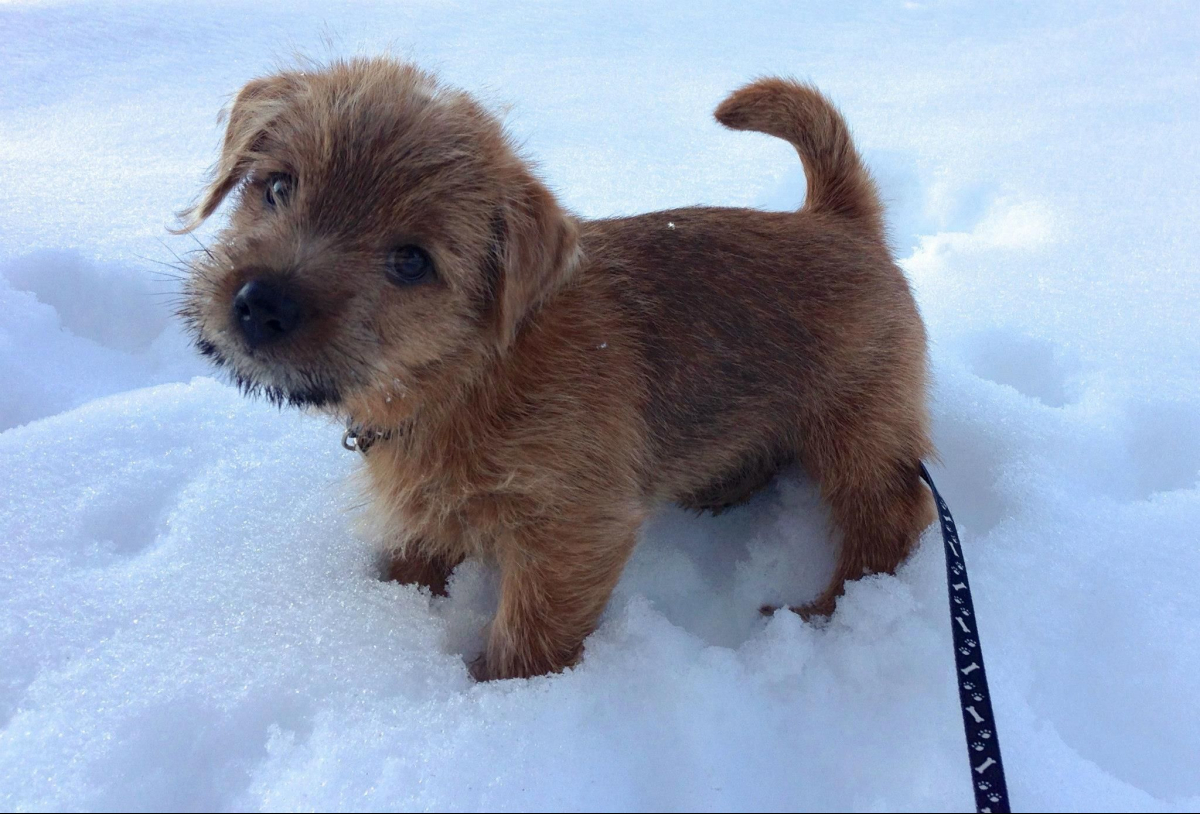
Dogs practically do not shed their fur.
Norfolk Terriers have many advantages. Among the breed's benefits are the following:
- love physical and mental activity;
- highly trainable;
- have an obedient nature and are not prone to whims.
Representatives of the breed also have some minor flaws. These include:
- have an excessive appetite and may be overweight;
- They cannot stand loneliness and need constant communication.
Maintenance and care
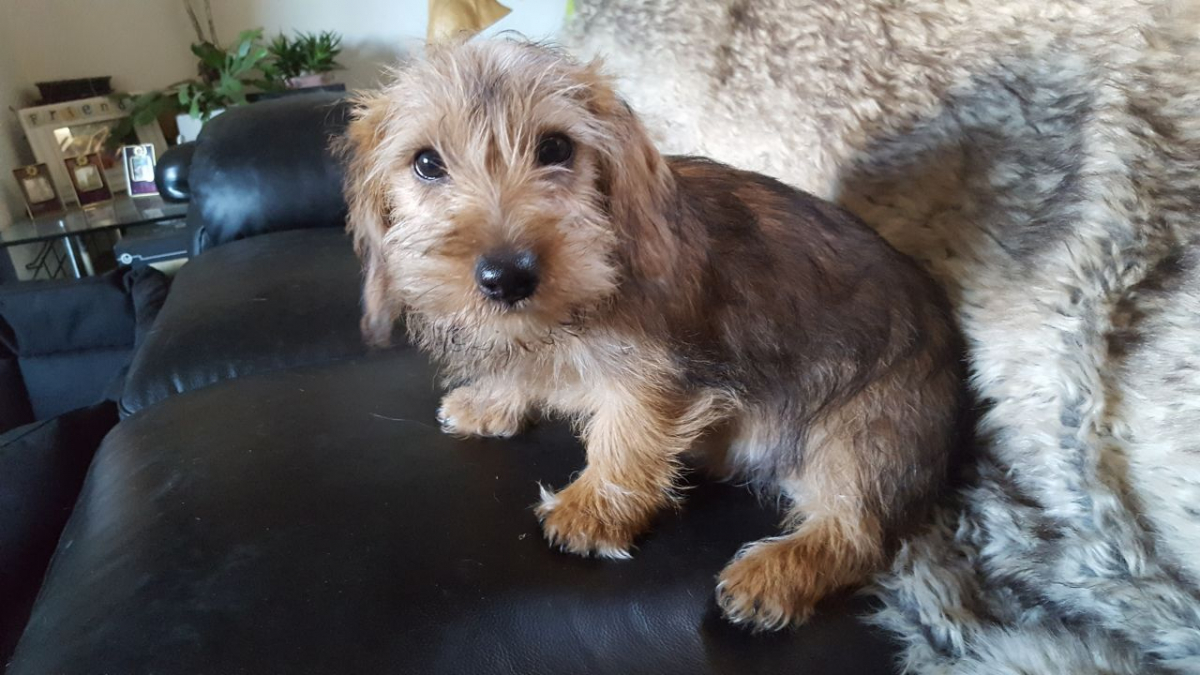 Dogs adapt perfectly to both apartment and private home life.
Norfolk Terriers living in city apartments require long walks and active playtime. Their habitat should be clean and warm, and avoid drafts. These dogs can also live comfortably in a private courtyard, as their durable coat protects them from dirt and cold.
Animal care includes the following hygiene procedures:
- Clean your ears once a week using a cotton swab soaked in warm water.
- Trim your pet's nails monthly with a nail clipper. Do this carefully to avoid damaging the blood vessels.
- Wash your dog's eyes with chamomile several times a week. Steep one tablespoon of the dried herb in a cup of boiling water, soak a cotton pad in the infusion, and wipe the area around the eyes.
- Brush your dog's fur every other day using a metal comb.
- Trimming (plucking out old hairs) should be performed twice a year. This procedure can be performed at home or at a veterinary clinic.
- Bathe four times a year with special shampoos for hard coats.
Nutrition

Pets should be fed premium food (Royal Canin, Acana, Bosch) or natural food. Puppies are fed six times a day, and adult dogs are fed twice a day. The diet should include the following foods:
- lean meat (turkey, beef, chicken);
- cereals (rice, buckwheat, oatmeal);
- fresh vegetables and fruits (carrots, pumpkin, apples);
- fermented milk products (kefir, cottage cheese).
It is forbidden to feed dogs fatty foods, fried and smoked foods, as well as potatoes, chocolate, baked goods and tubular bones. Pets should have a bowl of drinking water available for free access.
Knitting
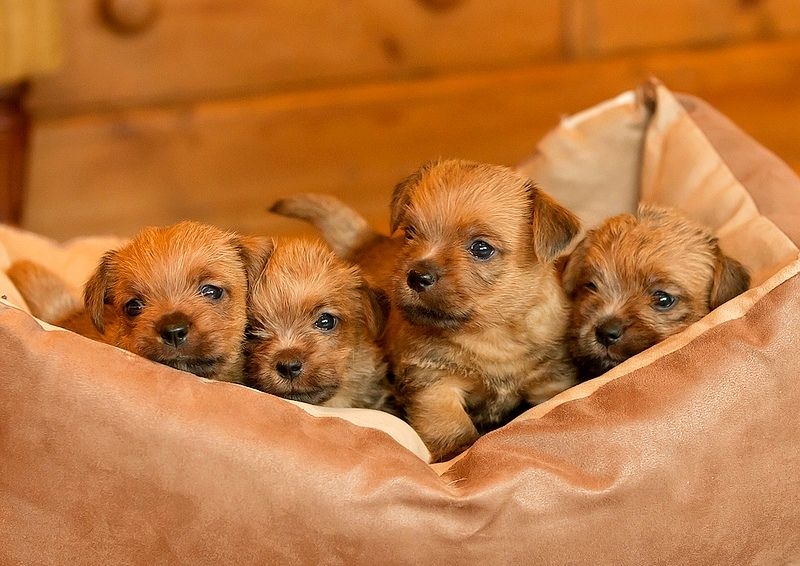 Norfolks often give birth to stillborn puppies, so the mating process should be approached with the utmost responsibility.
Breeding Norfolk Terriers should only be undertaken by experienced breeders, as representatives of the breed often have problems with conception and pregnancy.
The first heat cycle in female dogs begins between 6 and 12 months of age and lasts approximately 22 days. It's best to mate by the second year of life, as early mating can pose a health risk to both the dogs and their offspring. Suitable days are 11 to 15 days after the onset of heat.
Before mating, the animals should be introduced to each other in a neutral area and allowed to run around freely. The mating itself should be performed near the male, where he will feel more confident. The process is repeated a few days later to consolidate the results.
Training and education
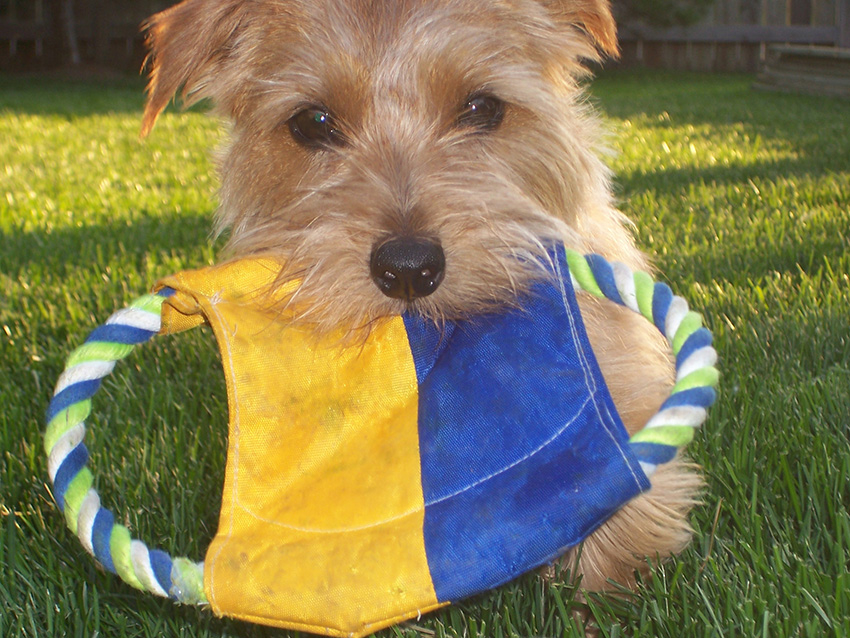 Representatives of this breed need long walks and physical exercise.
Norfolk Terriers are intelligent and easy to train, but they can be stubborn, so the owner needs show patience and perseverance. During training, avoid hitting your dog, as this can lead to negative consequences such as disobedience and aggression. Your dog should feel the owner's strength, not anger.
From an early age, they need to be potty trained and taught basic commands ("No," "Heel," "Come"). Terriers are not particularly sedentary, so training is best done through play. They love jumping hurdles, playing tug-of-war, and playing fetch. They should be praised and rewarded with treats for successful performance.
Health
 It is strictly forbidden to treat animals on your own, as there is a risk of complications.
Norfolk Terriers are generally healthy. To avoid hereditary diseases, it's important to thoroughly research a puppy's pedigree before purchasing.
Pets need to be vaccinated on time. The first is administered at two months of age, the second three weeks later. At one year of age, a combined vaccine against rabies and viral diseases is administered. Subsequent vaccinations are given once a year. Norfolk Terriers are sensitive to some types of vaccines, so the antihistamine Suprastin must be administered before the procedure.
Animals are dewormed once every three months. Anthelmintic medications such as Praziquantel (suspension) or Drontal can be used for this purpose.
Norfolk Terriers may be prone to the following health problems:
| Disease | Causes and symptoms | Treatment |
| Epilepsy | Most often, it occurs at the genetic level. The disease manifests itself in short-term attacks accompanied by convulsions, teeth grinding, howling, and urinary incontinence. | Lifelong treatment is carried out at home with periodic visits to the veterinary clinic. |
| Hip dysplasia | The disease is hereditary and is accompanied by symptoms such as lameness, unsteady gait, and pain when jumping. | Treatment with anti-inflammatory drugs produces a weak effect, so surgery is most often performed for dysplasia. |
| Patella (knee dislocation) | The genetic disorder is accompanied by lameness, drawing the hind limbs up to the stomach and whining. | Treatment involves a diet aimed at weight loss. Patella is removed surgically. |
To avoid the occurrence of various diseases, it is necessary to undergo a routine examination at a veterinary clinic twice a year.
Norfolk Terriers are highly intelligent and can not only be excellent companions for their owners but also protect them in times of danger. Representatives of this breed have a docile nature and, with proper training, will not cause any particular trouble.