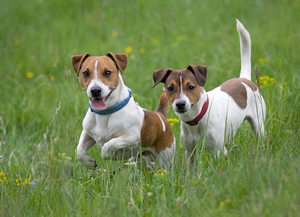
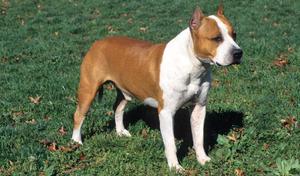
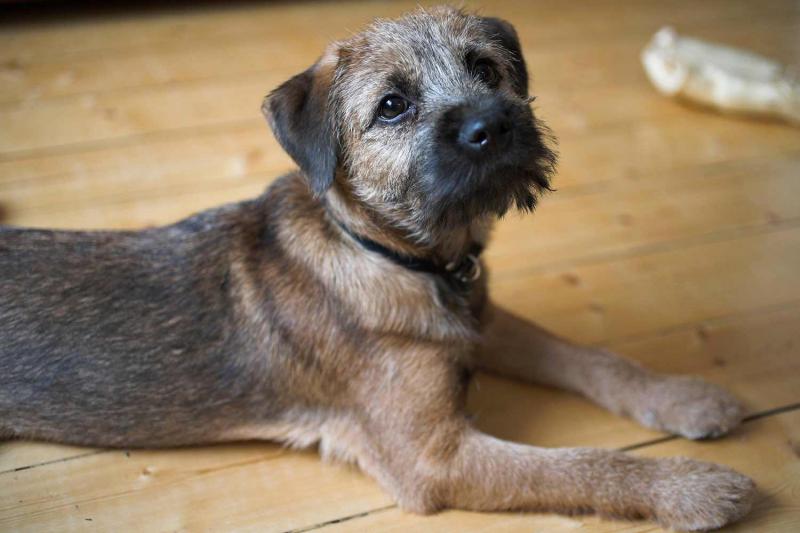
The American Hairless Terrier (AHT) is a relatively new toy breed that is not yet recognized by the Fédération Cynologique Internationale (FCI), but has already gained popularity among dog lovers and breeders worldwide. These dogs are unique in that they have very short hair, usually no more than 1 mm long, or no hair at all, making them ideal for people with allergies. Their attractive appearance and friendly nature make them wonderful companions for any family.
Content
Breed overview
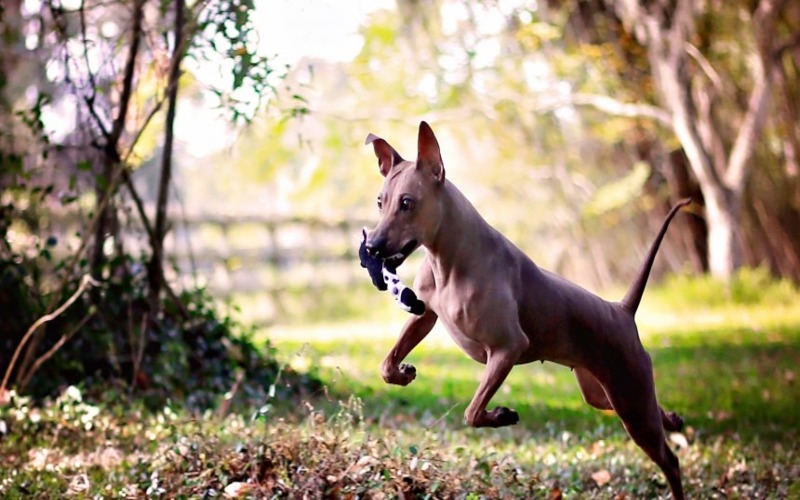
In 1999, American Hairless Terriers were recognized by the Rare Breed organization, and in the early 2000s, the whole world started talking about their friendly nature and unusual appearance.
The history of the American Hairless Terrier begins in the British Isles and is closely linked to the rat-catching dogs that inhabited the area for centuries, used by farmers to catch rats, foxes, and various agricultural pests. Their ancestry is also intertwined with that of the Rat Terrier. Modern representatives of the breed emerged through a spontaneous genetic mutation only in 1972 in the United States, when breeders discovered two hairless puppies in a Rat Terrier litter and began breeding them.
In the 1980s, the breed gained widespread popularity in the United States because its representatives were excellent for people suffering from allergies.
Varieties of American Hairless Terriers
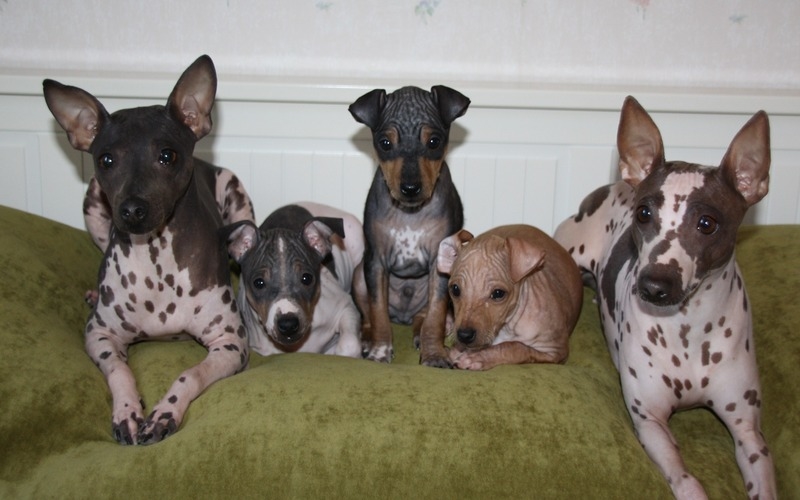
The work of breeders in breeding representatives of the breed was complicated by the fact that their numbers were limited. Therefore, for extensions gene pool Crossbreeding with Rat Terriers was used. This resulted in several varieties of the AgT, ranging in size from miniature to medium..
Peculiarities:
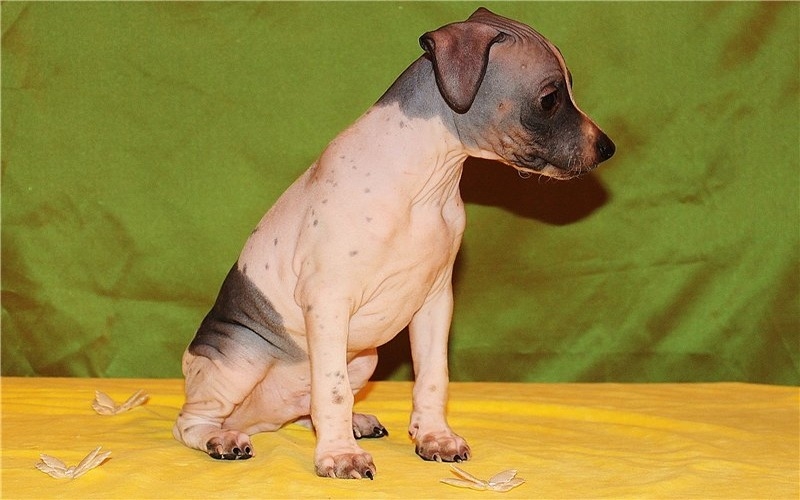
- The first variety has short hairs that fall out as they mature. Hair remains only on the sideburns, eyebrows, and chin. Among this species, there are sometimes dogs with light down on their bodies.

The animal's skin is soft and can secrete beads of sweat during physical activity or under stress.
- The second variety is characterized by a thin coat of hair, which is retained throughout the pet's life.
Representatives of this type must have a white or sable color.
The genetic mutation that causes hairlessness is transmitted through both a dominant and a recessive gene. In the former case, only one hairless puppy can be produced in the litter, and if all the puppies are hairless, they will die in the womb. In the latter case, if two hairless parents mate, all the puppies in the litter will be hairless.
International breed standard
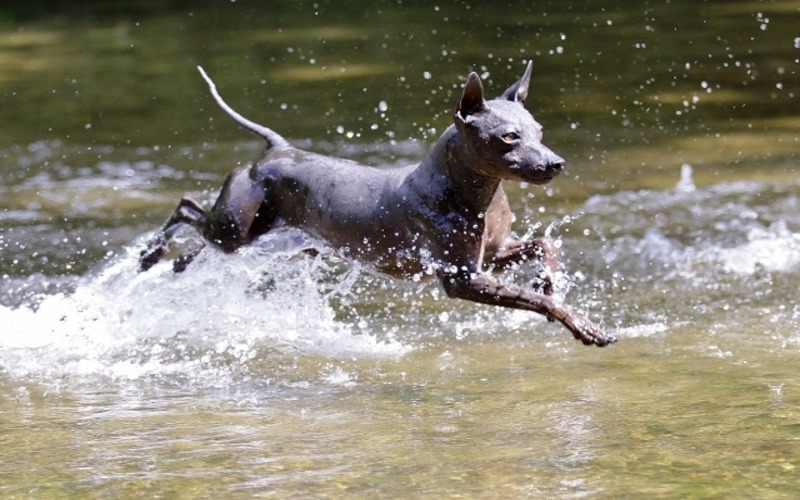
Ease, agility, and grace are evident in every movement of the dog. The AHT's limbs move naturally and smoothly, its steps are springy, and when running, the dog has a clear sense of balance.
The average height of a dog ranges from 25–45 cm, with a body length from neck to tail of 27–47 cm and a body weight of up to 7 kg. American Hairless Terriers are distinguished by their ideal proportions and athletic build.
Design features:
| Parameter | Description | Disqualifying faults and defects |
| Frame | The backline is level, the loin is short but quite arched, with well-developed muscles. The chest is deep, the ribs are well-defined. The shoulders are muscular. | Height at withers over 45 cm or under 25 cm |
| Limbs and paws | Straight and strong. The length of the lower thigh is equal to the length of the upper thigh, and the angulation of the hind legs is proportional to the angulation of the forelegs. The elbows are close to the body. The feet are oval in shape, with separate toe pads. | Deformation or too short length of limbs |
| Tail | Thick at the base and tapering to a point, the tail is carried below the back when relaxed and takes on a saber-like shape when excited. | Congenital short tail |
| Neck | Elongated, with pronounced muscles, slightly curved. There is a smooth transition from the neck to the back. | |
| Head | Proportionate to the body, with a distinct stop. The skull is shaped like a blunt wedge. The muzzle is broad and fairly convex. | |
| Ears | V-shaped, erect, but there are individuals with ears hanging on the cartilage, which are not considered a fault and do not prevent participation in exhibitions until the pet reaches one year of age. | Completely drooping ears in dogs over one year old and hearing problems |
| Eyes | The eyes are set obliquely, spaced well apart, and the eyeballs are prominent and medium in size. The eyelid pigmentation matches the skin color and the pigmentation of the nose. The iris can be light brown, blue (in fawn or blue-colored dogs), amber-hazel, or dark gray. | |
| Nose | It has a black or brown color | |
| Lips | Dry, tightly attached to the base, pigmented the same color as the nasal mirror | |
| Jaws and teeth | The cheek muscles are well developed, the bite is scissor-shaped or straight, the teeth are white and strong | Malocclusion and incomplete row of teeth |
Color
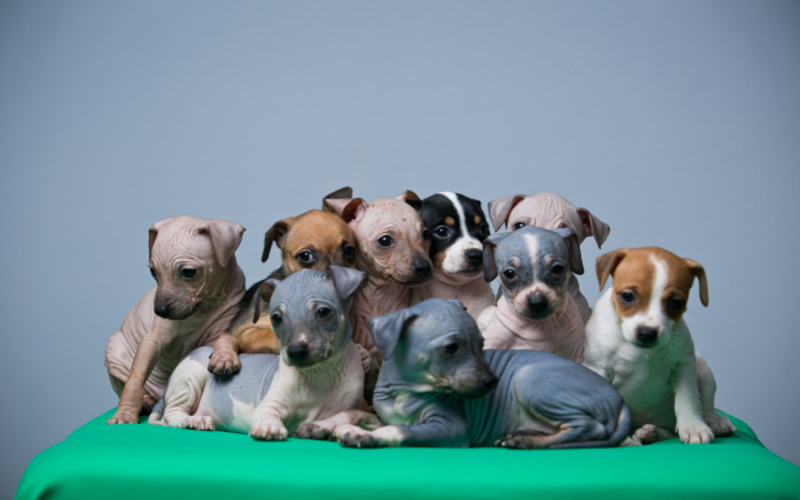
The American Hairless Terrier color palette is extremely diverse. Therefore, it is impossible to predict the exact color of the puppies.
Hairless dogs can have any skin color. Typically, these pets have a solid color with contrasting markings that become larger as they mature. Merle and albino dogs are exceptions. The shade may differ significantly between individuals in winter and summer, as the skin is prone to tanning..
Terriers with a coat must be a solid white color or have a sable color; two-color and three-color colors are also allowed, but with the presence of large areas colored white.
Any coloring that doesn't match the standard for this type of dog is considered a major fault. Hairless animals with short or long, coarse hair on their bodies are not suitable for show.
Character
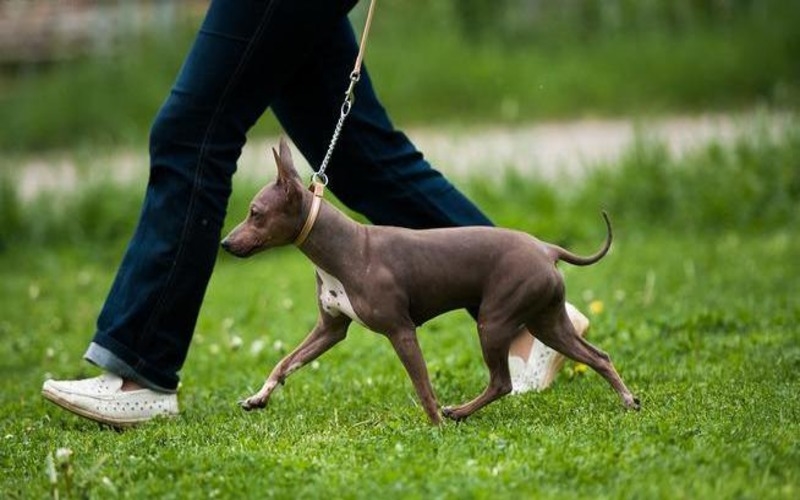
American Hairless Terriers are very active and are great for jogging or long walks.
Modern representatives of the breed bear little resemblance to their rat-catching ancestors. Their delicate skin is poorly protected from adverse environmental influences, so these dogs are no longer used for hunting. Today they serve as companions because they easily adapt to a specific owner.
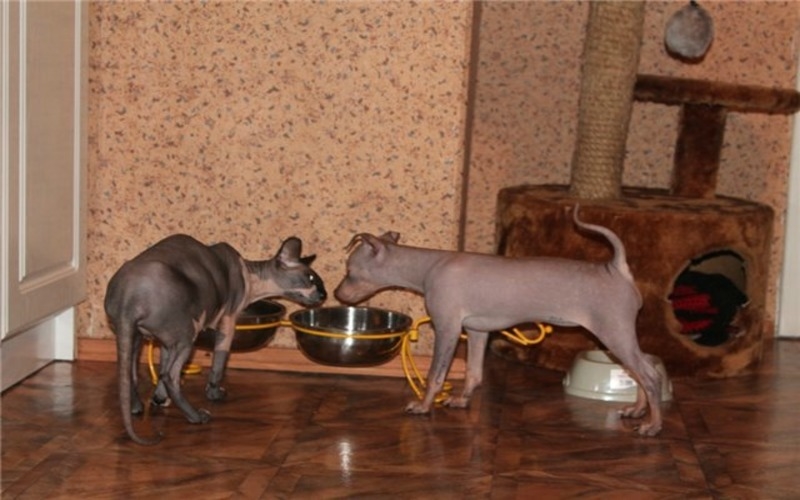
Terriers are very good with small children and can entertain them for hours, acting as babysitters. They also get along well with other pets, including cats.
American Hairless Terriers are distinguished by the following qualities:
- developed intelligence;
- devotion;
- goodwill;
- curiosity;
- energy;
- playfulness;
- sociability;
- communication skills.
However, these animals' hunting instincts have not completely disappeared. They are fearless and ready to protect their owners and property if necessary, but they will not display excessive aggression, reacting only to dangerous situations.
Tendency to diseases
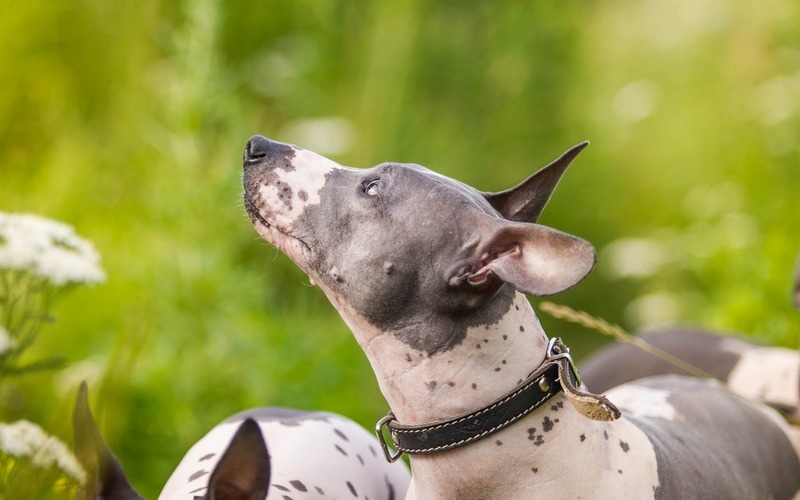
The American Hairless Terrier is a young breed, so its genetic makeup and susceptibility to hereditary diseases are still poorly understood.
The genetic mutation of these dogs does not affect their development in any way, does not cause anomalies or defects, but their unprotected skin can suffer from the scorching rays of the sun or severe frosts.
Terriers may be prone to the following health conditions:
- Gastritis. It occurs as a result of poor nutrition and is treated with diet, antibiotics, antacids, and painkillers.
- Enteritis. It occurs due to a poorly balanced diet, weakened immunity, or parasitic infestation. Treatment includes antibiotics, IVs, enemas, vitamins, and enterosorbents.
- Hepatitis. It occurs in dogs as a result of infection or drug poisoning. Treatment involves antibiotics, hepatoprotectors, intravenous glucose and ascorbic acid, and saline solutions containing riboxin.
- Adenovirus. A highly contagious disease of dogs caused by a DNA virus. Treatment includes dietary modification, immunostimulants, subcutaneous or intramuscular immunoglobulin injections, and multivitamins.
- Staphylococcus. It occurs as a result of pathogenic staphylococcus bacteria entering the animal's body, as a result of another illness, or due to parasitic infestation. Treatment includes a course of antihistamines, topical antibacterial ointments and gels to relieve itching, enzymatic medications, and antibiotics.
Self-treatment of these conditions is not recommended. For a proper diagnosis, you should immediately contact a veterinary clinic.
Maintenance, grooming and education
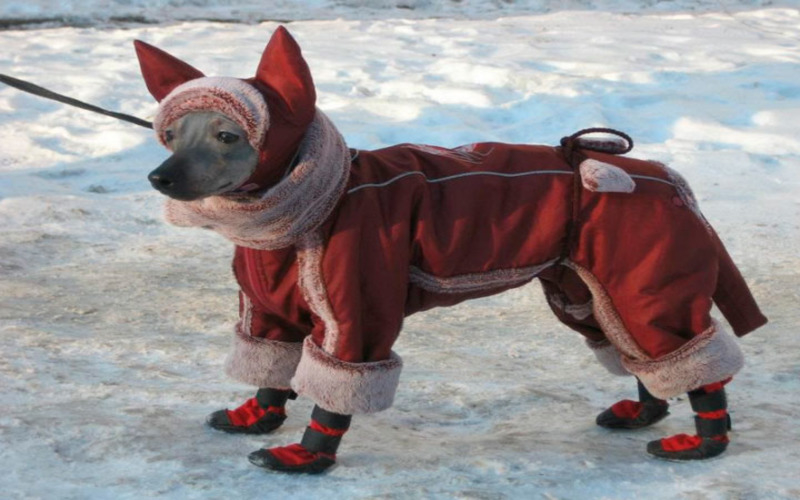
During hot weather, pets should be protected with sunscreen containing UV filters, otherwise their unprotected skin may burn. In winter, dress your pet in warm clothing to prevent hypothermia.
The American Hairless Terrier is a versatile breed that can be kept in both a country house and a city apartment. They don't require a lot of space, but frequent and long walks outdoors are essential. Don't be afraid to let your pet off-leash for exercise and play. Terriers are loyal and polite to strangers and are friendly with children.
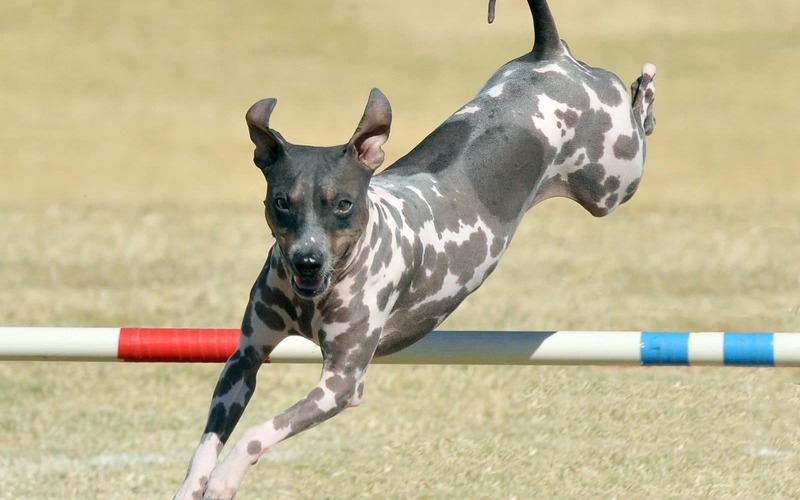
American Hairless Terriers require a lot of exercise and long walks. Therefore, they are not recommended for older people.
In terms of training and education, the Hairless Terrier is a near-perfect dog, making it an excellent first pet for novice dog owners. It is constantly eager to please its owner and obediently performs commands and tricks, especially if training is done in a playful manner.
When training, it's important to use rewarding treats and praise. However, harsh treatment and a harsh tone can frighten the animal, stress it out, or cause aggression.
Care Features
Hairless terriers are hairless and do not shed, making them ideal pets for allergy sufferers. But this does not mean that such dogs do not need care.
Their skin is extremely sensitive to harsh environmental conditions and requires special care. It's especially important to use specialized care products to prevent allergic reactions and irritation.
Water treatments
This breed doesn't require grooming. However, these animals can sweat when running or under stress. Therefore, their skin should be periodically wiped with a damp, soft towel.
Bathe your pet several times a week. Choose natural shampoos to avoid inflammation and flaking.
Ear and eye hygiene
American Hairless Terriers often suffer from watery eyes. This problem is especially common in young puppies. Therefore, their eyes need to be examined periodically and cleaned with a cotton pad soaked in boiled water.
Pets' ears are generally unproblematic. However, they should be inspected weekly for dirt and excess wax should be removed with a cotton swab, focusing only on the visible surface of the ear.
Dental and nail care
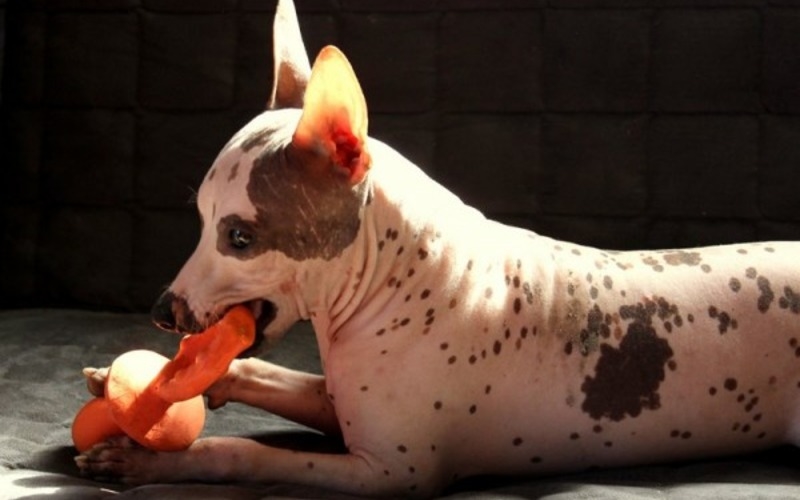
Edible toys, available at pet stores, are also helpful. They can help your pet remove plaque from its teeth on its own.
Although ATGs have strong jaws, their gums are prone to inflammation and tartar buildup. Their teeth should be brushed with a special toothpaste and toothbrush several times a week.
Animal claws are quite strong, so they don't wear down completely naturally. To avoid problems and injuries, trim the clear portion of the claw once or twice a quarter, taking care not to cut the pulp or blood vessels.
Nutrition
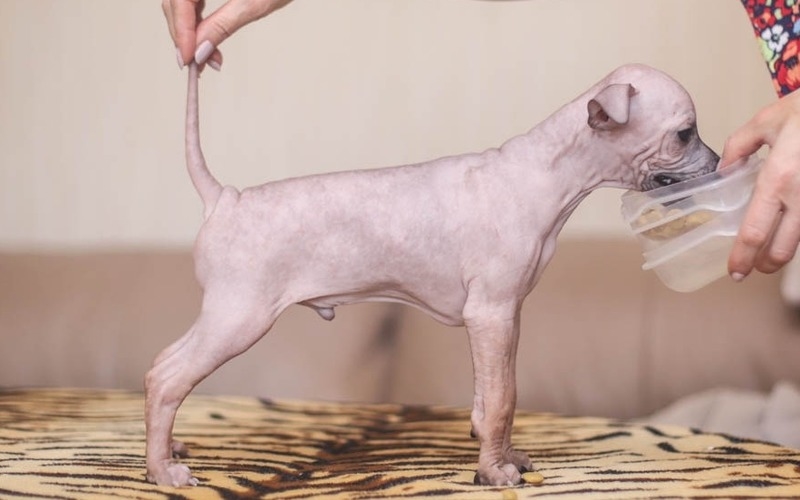
Puppies up to 6 months old should be fed 4-5 times a day, and from six months onwards, 3 times. Adult dogs eat twice a day – morning and evening at the same time.
It is recommended to feed the American Hairless Terrier a super-premium or holistic dry food for toy breeds. Daily portion sizes should be determined based on the package instructions.
If the owner adheres to a natural feeding option, then the basis of the diet should be boiled beef, lamb, or rabbit meat (at least 60%), but chicken should be given occasionally so as not to provoke an allergic reaction.
A couple of times a week, you can give your dog a boiled chicken or quail egg, fermented milk products (kefir, natural yogurt), cottage cheese, low-fat sour cream, buckwheat, rice, and rolled oats, fish oil, and vegetable oils. Hairless terriers prefer raw carrots, zucchini, pumpkin, and apples as fruits and vegetables. Serving sizes should be determined empirically based on your pet's activity level.
It's also important to provide special vitamin supplements and ensure your pet has free access to fresh, clean water. When introducing new foods, monitor your pet's well-being to detect any allergic reactions or skin rashes.
Mating and care of offspring
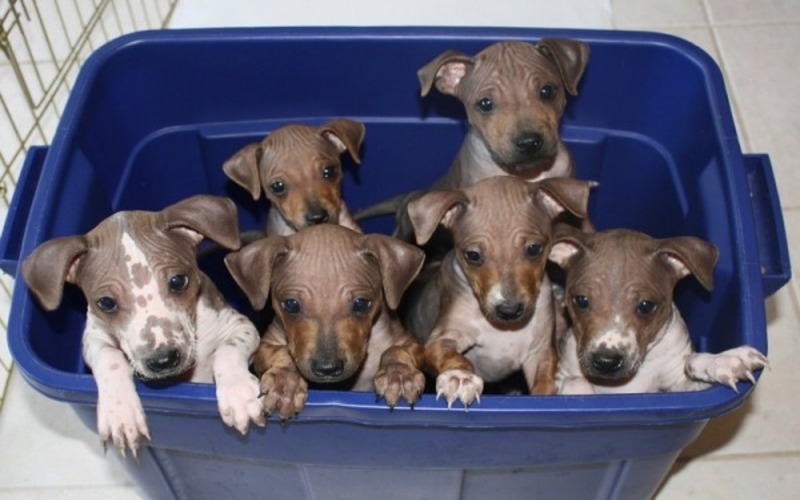
A small house or box with soft sides should be placed away from heating devices and drafts.
Mating of pets is possible from one year of age, but mating a female more often than once every 12 months is not recommended. It is better to choose a partner in a specialized nursery, and it is important to check it for any diseases.
If mating is successful, the female will carry the puppies for approximately 63 days. During this period, the dog requires frequent feedings and additional vitamin supplements. The birth may not always proceed smoothly, so the owner must be present. A veterinarian should be consulted in the following cases:
- the puppy does not appear after an hour of pushing or within 2 hours after the birth of the first baby;
- During the birth process, the female experienced bloody or purulent discharge, convulsions or chills, and a decrease in body temperature;
- the number of placentas does not correspond to the number of cubs.
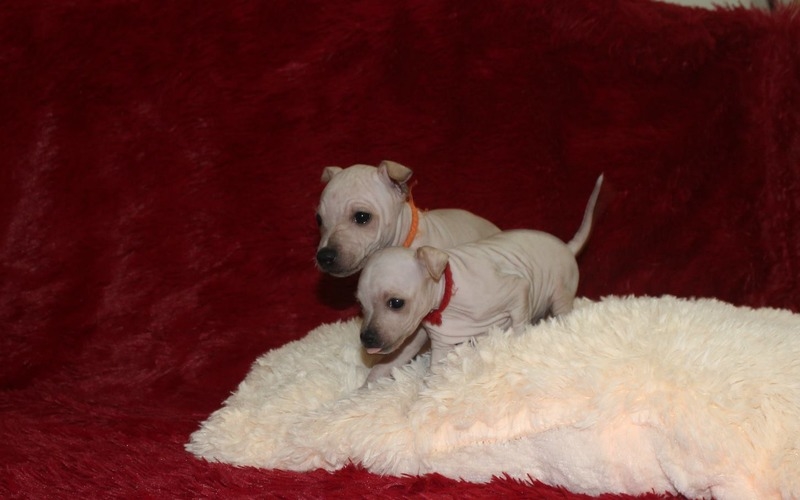
Puppies require careful care. It's essential to provide a separate, warm, and cozy place for them to warm up, as their ability to thermoregulate is very poor in the early stages. Puppies are very playful from three months of age, so it's important to provide them with as many different toys as possible to prevent damage to household items, and to begin acclimating them to short walks outside.
After hair loss, the hair follicles on a puppy's body remain exposed for a while. During this period, the skin is very vulnerable and sensitive to dust. Therefore, the house should be kept spotlessly clean, and carpets and rugs should be avoided.
Suitable nicknames
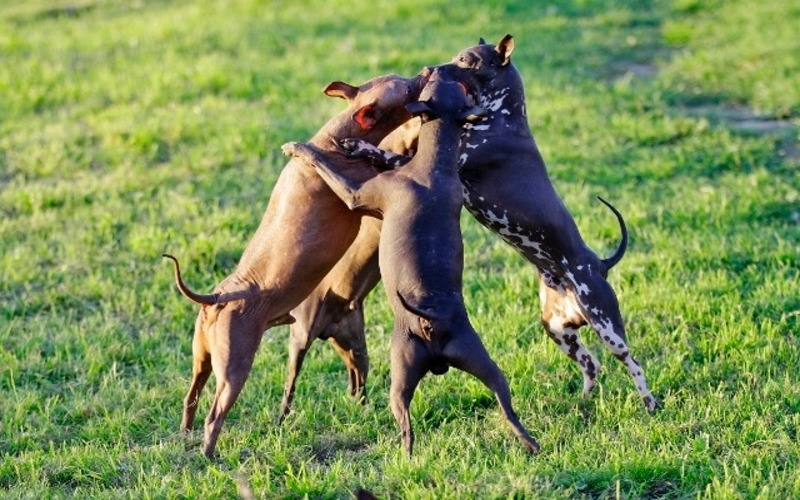
A nickname for an AGT should be clear and sonorous. It is undesirable to choose names that begin with a voiceless sound or contain hissing sounds.
American Hairless Terriers are very active and playful animals who quickly remember short, catchy, and catchy names. Long, formal nicknames typically given to larger dogs don't suit them.
The following nicknames are available for the female American Hairless Terrier:
- Aster;
- Demons;
- Mary;
- Sunny, etc.
For a male dog, you can choose a name from the following list:
- Ben;
- Bruno;
- Deco;
- Jake;
- Jerry;
- Sam, etc.
Pros and cons of the breed
Like any breed, American Hairless Terriers have their advantages and disadvantages:
| Pros | Cons |
| Due to their hairless nature, dogs do not cause allergic reactions. Dead skin particles adhere easily to the skin, do not become airborne, and are removed mechanically during bathing. | Hairless terriers have delicate skin, making them prone to irritation and inflammation. They can sweat, get sunburned, or become overheated in winter. Therefore, this breed requires special care. |
| These dogs are quite compact in size, so they don't require much space. They are easy to keep in both a city apartment and a country house. | A pet requires frequent, long walks and plenty of exercise. This lifestyle isn't suitable for every owner. |
| American Hairless Terriers are affectionate animals that are good with children and other pets. They are highly intelligent and trainable. | The pet doesn't tolerate loneliness well and requires a lot of attention. Sometimes, its need for interaction with its owner escalates into clinginess and loud, prolonged barking. |
In Russia, American Hairless Terriers are still considered exotic. However, according to the few owners who have, they are simply unmatched companions and friends, especially for those with allergies. Besides their unique appearance, these animals possess many positive qualities, are easy to train, and love to please their owners. They are ideal for inexperienced breeders as first pets, families with children, or other pets.