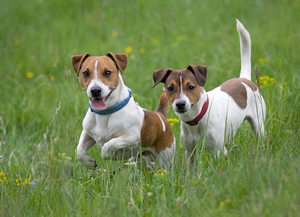
The first dogs of the ancient English Border Terrier breed were brought to Russia only twenty years ago. Since then, however, Border Terriers have gained a large following, although the breed remains quite rare. These are by no means decorative dogs, but excellent working dogs that have fully retained the best qualities of their ancestors.
Content
Characteristics of the Border Terrier breed
A small but surprisingly courageous dog, as agile as a lump of mercury; a devoted friend, an unrivaled hunter, a friendly, sociable dog with a remarkably strong nervous system. All this describes Border Terriers, whose owners rightly consider their beloved breed ideal.
Yes, of course, he is not a handsome man, unlike many other popular terriers, but he is incredibly intelligent, charming and endowed with the noble heart of a true knight.
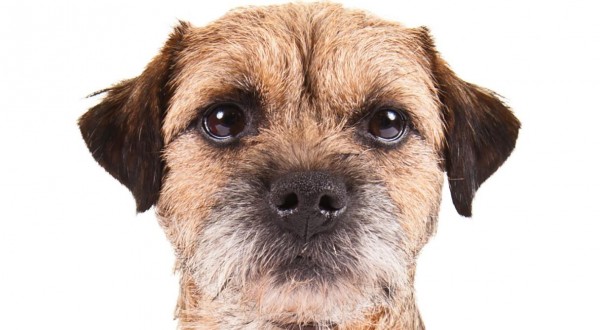
The Border Terrier is a knight-dog of a courageous image.
A purely English story
English farmers began more or less systematically breeding the breed as early as the 18th century. They weren't pursuing beauty, but rather purely practical goals.
Farmers were greatly harassed by foxes—these brazen bandits had become so unruly that they were even killing sheep, not just chickens! A dog was needed that could not only scare off a fox, but also catch it and crush it in its true lair—the fox hole.
The fruit of folk selection by the beginning of the century before last had already been fully formed both externally and in terms of its basic working qualities. A strong, fast, and determined dog, despite its small size, it successfully dealt with even large foxes, pulling them out of their holes, and then gradually became a universal hunting dog.
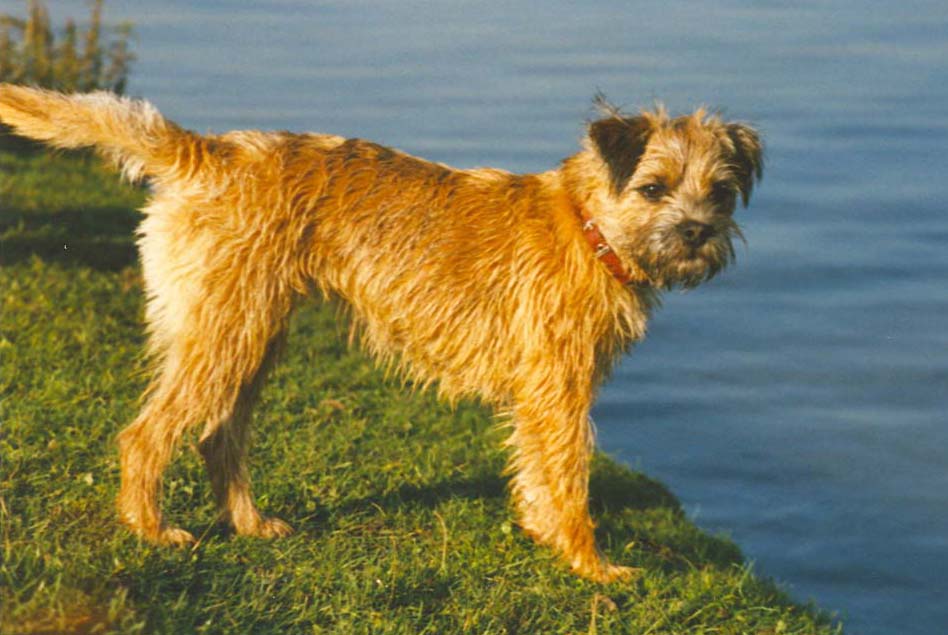
The Border Collie's appearance has changed little over the three hundred years of the breed's existence.
Thus, English farmers not only solved their problem by preserving their sheep flocks, but also introduced the world to one of the oldest and most fascinating breeds of "earth" dogs—terriers. Incidentally, this occurred in the area bordering Scotland, hence the name "Border."
Subsequently, the modest and hardworking dog became a favorite of the British nobility - for its docile nature and, of course, for its excellent results in hunting.
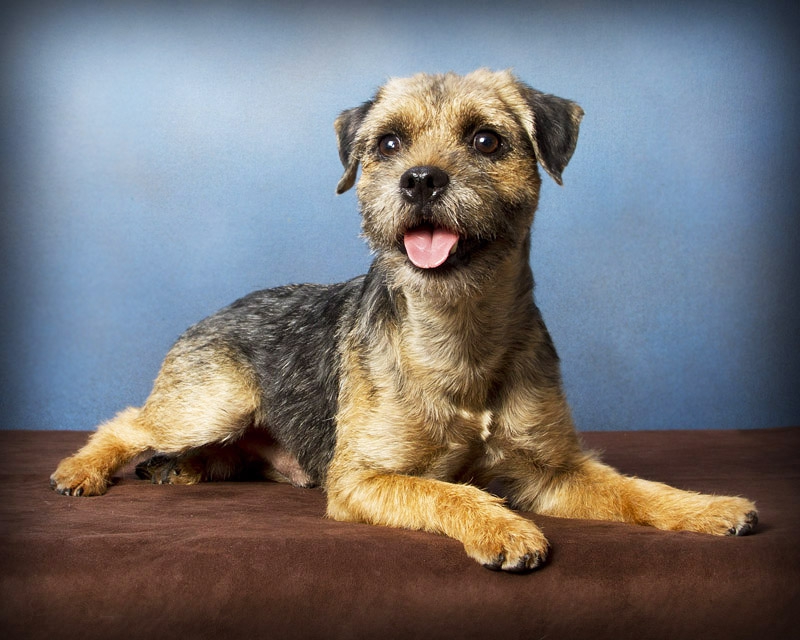
A modest appearance and a noble heart - that's the Border Terrier.
Standard and character of the dog
Interestingly, the dog's appearance has remained virtually unchanged since then, as has happened with many other fairly old breeds that have been brought to an unnatural caricature for the sake of the dog show business. The hard-working Border Collie has retained its original appearance, everything in which is functional and tuned to perform breed-specific tasks.
Representatives of the breed were first exhibited at the end of the 19th century, and official recognition of the breed was confirmed in the early 20th century. The first Border Terrier standard was published in 1944.
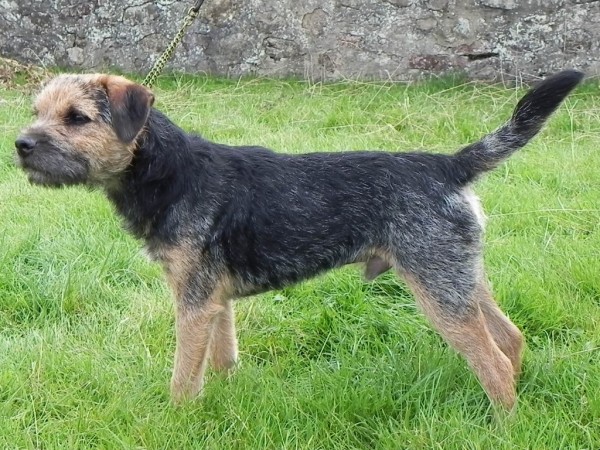
The first breed standard was officially adopted only in the middle of the last century.
The breed standard enshrines all the best qualities of the Border Terrier, the smallest of the working terriers. Despite its modest size (up to 40 cm at the withers and up to 7 kg in weight), the dog has a strong, muscular body, which, thanks to its renowned terrier coat, remains completely dry in both snow and rain. Strong, relatively long paws for a terrier allow the Border Terrier to reach great speed on any terrain and accompany its owner for long periods on horseback during hunting. Its incredibly thick skin can protect the dog even from the sharp teeth of a fox or badger.
The Border Terrier's coat is also practical, a truly low-staining variety—from pale yellow to reddish-gray with a dark "blanket" on its back. Its body is narrow, as the Border Terrier must not only easily enter a fox hole but also fight there. It truly is the ideal companion for a hunter. The breed standard aptly describes the Border Terrier's temperament: "combines energy with fighting spirit." Official documents emphasize the main requirement for this dog: it was and remains a working dog.
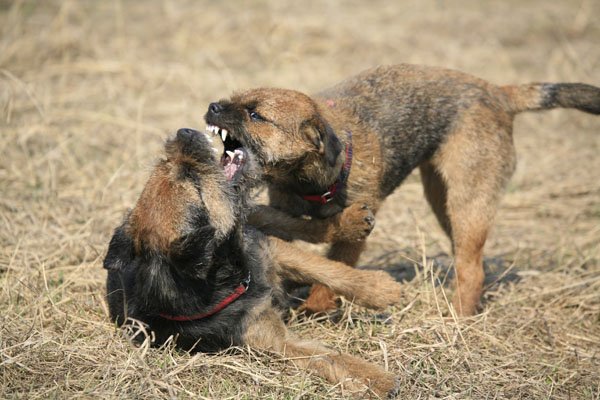
Border Terrier - an aggressor on the hunt, becomes affectionate and gentle at home
Energetic, active, and quite tough when working, this dog is cheerful and affectionate at home, adores children, is ready to play with them endlessly and tirelessly, and when needed, is capable of selflessly protecting its beloved owner. Thanks to these character traits, this terrier is increasingly being chosen by city dwellers as a companion dog.
Working qualities
To this day, the English value their creation primarily for its excellent working qualities. Here, Border Terriers assist not only hunters but also shepherds—they are excellent at herding and guarding flocks. However, in their historical homeland, this even-tempered and sociable dog has recently been actively exploring a new profession: Border Terriers have become excellent therapy dogs for working with the elderly and disabled children.
In our latitudes, where the breed is still little known, it has only one "specialty"—hunting. It's a favorite pastime, to which the little Border Terrier devotes itself with great passion. Whether on its own or in a team with other hunting breeds, it can tackle a wide variety of hunts:
- feather hunting;
- burrow hunting;
- on ungulates;
- for waterfowl;
- Parforce hunting.
Photo Gallery: Border Terrier Hunting Trophies
-
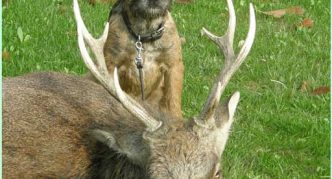
- The Border also successfully participates in the competition on large ungulates.
-
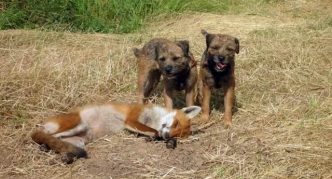
- Fox hunting has always been and remains a classic genre for Border Terriers.
-
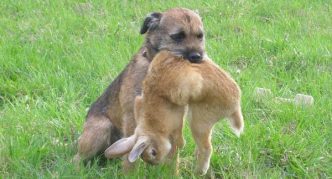
- Catching a hare and delivering it to its owner is no problem for this dog.
-
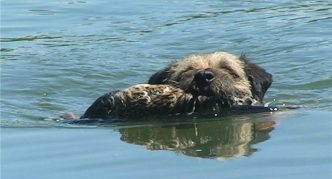
- Of all the waterfowl, Border Collies prefer ducks.
-
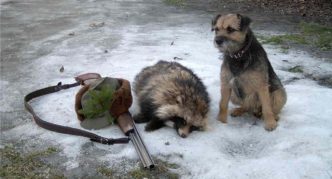
- The badger is a very strong and cunning animal, but the border collie can handle it too.
-
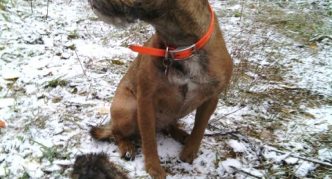
- Border muskrat hunts both on land and in water.
-
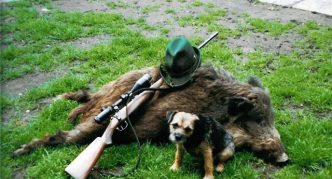
- Even a ferocious boar is not scary for a small border collie
-
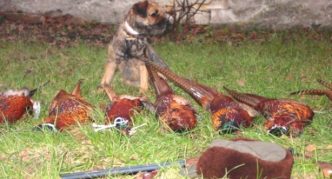
- Border terriers and pheasants - first of all, it's beautiful
Video: All About the Border Terrier Breed
Choosing a puppy
Before buying a puppy, decide: is this breed really for you? Will you be able to devote enough time to an active dog to allow it to fully burn off its energy? Buying this expensive animal simply for fashion or prestige is a poor choice.
Fortunately, Border Terriers are mostly purchased by people who have at least a basic understanding of the breed's characteristics and, ideally, plan to utilize their working qualities. A puppy of this rare breed costs between six hundred and a thousand dollars—but they're definitely worth it!
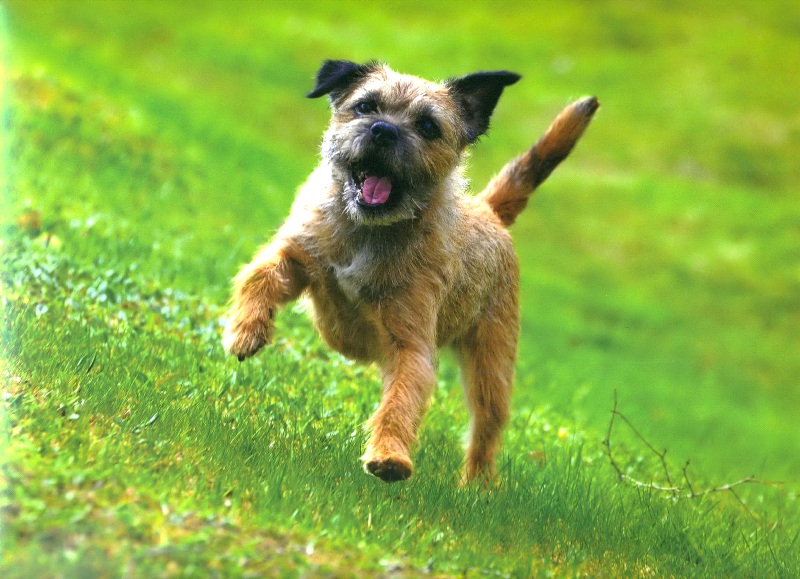
A Border Terrier puppy is a charming and funny creature.
Try to learn as much as possible about the puppy's parents, and if possible, about their grown-up offspring from previous litters. The furry little brat you've chosen will grow up to be roughly like this. Pay special attention to the health, nervous system and quality of rearing of puppies. If you don't have enough experience for this, invite a specialist to the viewing with you.
There's a theory that a puppy should be purchased at a very young age—as early as a month—to allow for so-called imprinting on the owner. However, a puppy that's too young, separated from its mother, is more susceptible to all sorts of diseases, and caring for it will be significantly more difficult. The optimal age for moving to a new home is a little over two months. By this point, the first vaccination has been administered and the quarantine period following it has passed; and the dog's character and breed characteristics are already quite noticeable to an experienced eye.
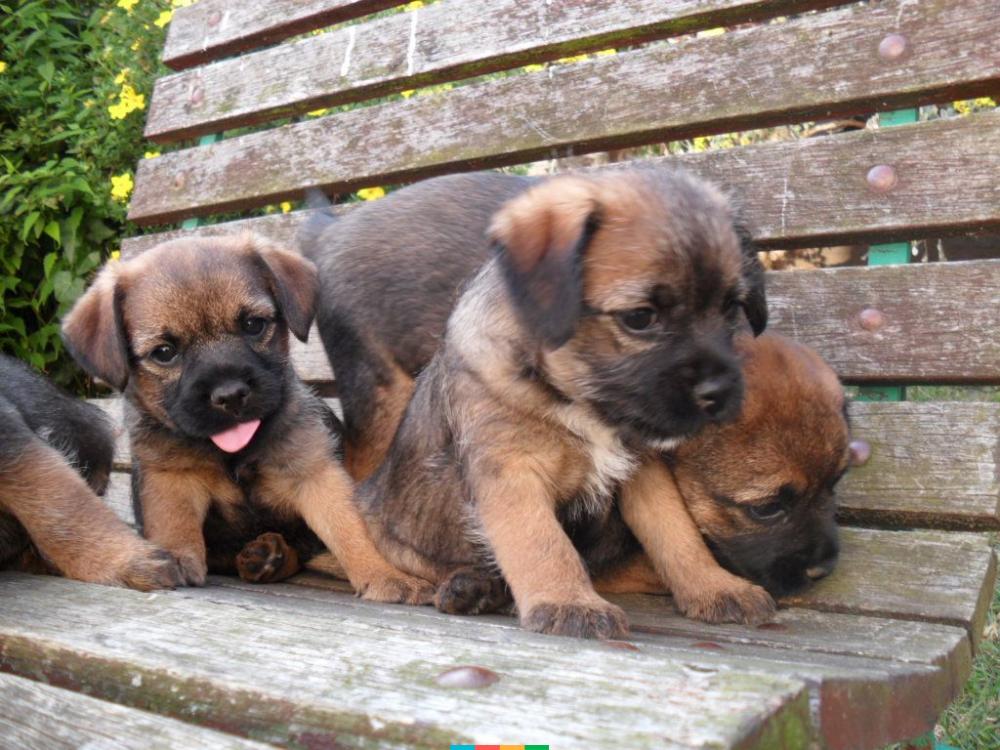
Border Terrier puppies are ready to go to their new owners at two months of age.
If you're planning to raise not just a fun walking companion but an excellent hunting dog, again, research the puppy's family for working talents—these are largely hereditary. Pay attention to what and how your favorite puppy plays—childhood games always somehow project onto the dog's adult qualities.
And two more important points that can either confirm your choice or make you abandon it:
- Be prepared for casualties and destruction—if you fail to properly organize your puppy's daily life and leisure time, they will create chaos in your home; growing Border Terriers are incredibly active, and out of boredom, they can chew on anything they come across.
- Forget everything you've read above and choose the puppy that chose you; this isn't superstition: experience shows that dogs are better at making choices than people.
Maintenance and care
From the moment a Border Collie puppy arrives, this charming little fidget will change your life dramatically. But the necessary changes to your routine and the many new responsibilities will be more than offset by the immense joy of spending time with this wonderful dog.
In an apartment or in a house?
The Border Terrier gets along well with all inhabitants of the house and yard. While he's quite happy to chase cats and birds on walks, he treats them with great responsibility on his own property—in his mind, they're his master's "maino," which must be herded, cared for, and protected. This cheerful little fellow also gets along well with larger dogs and never starts a fight, but he'll always stand up for himself if necessary.
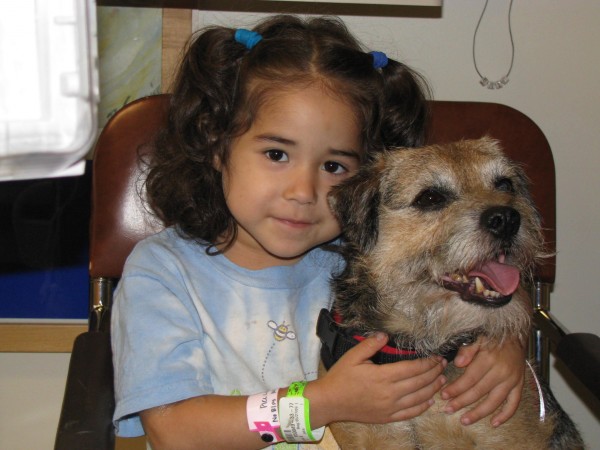
The Border Terrier loves children.
Of course, a short-haired border collie cannot be considered a purely yard dog; the ideal environment for such a dog would be living in a private house with free access to the yard.
Keeping an adult dog in an apartment usually does not create any particular problems. The intelligent and clean Border Collie fully accepts all the rules of life around humans and tries not to break them. Of course, provided he's been properly walked and well-fed. Otherwise, the Border Terrier is completely self-sufficient and unobtrusive.
The dog simply loves to bark loudly and heartily and never refuses it - think in advance whether your neighbors will accept this normally.
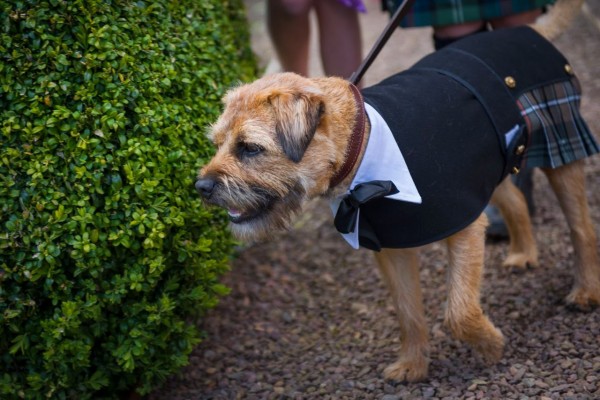
The Border Collie isn't a decorative dog, but the suit suits him very well.
This breed doesn't shed heavily; it only requires regular trimming and frequent brushing of the Border Terrier's shaggy coat with a stiff comb. If you don't want to constantly collect prickly hairs that literally get stuck in your carpets and upholstered furniture, take the time to learn how to properly groom your pet, and you'll never see any litter on your floors again.
Video: Dog in the apartment and in the yard
Hygiene and maintenance
In everyday life, the Border Collie is modest, simple and comfortable - you just have to learn how to handle it properly.
How to feed
Natural food or dry food? Each owner decides this dilemma based on their own preferences and personal preference. As for how feeding affects their pet's health and physical condition, the criteria are the same for everyone. Regardless of the type of feeding chosen, the nutrition must be complete, high-quality and balanced.
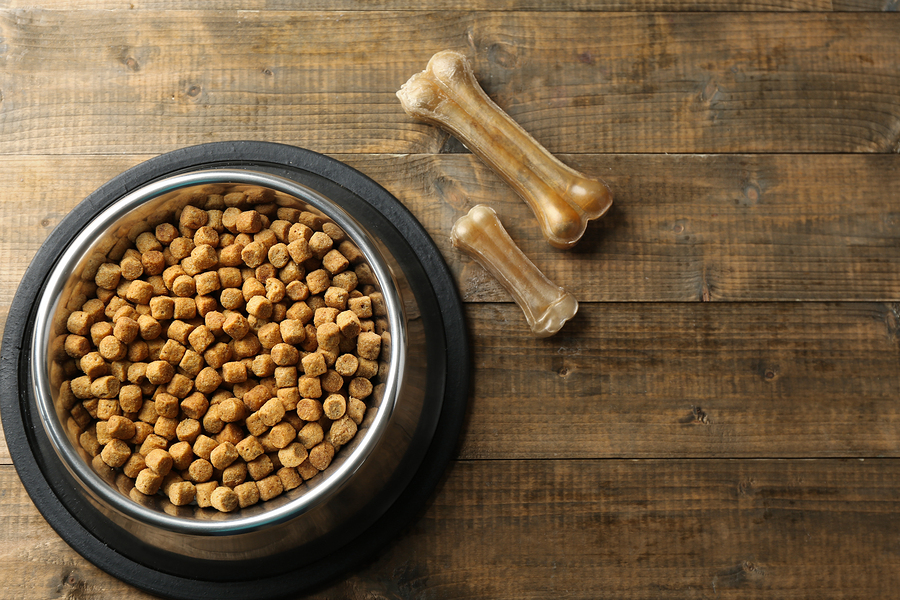
High-quality dry food is a balanced diet
Maintaining the correct balance of proteins, fats, and carbohydrates with an optimal range of vitamins and minerals is especially important for small but very active dogs, which the Border Terrier certainly is. If you're unable to maintain this balance on your own with a natural diet, a good dry food may be the best option.
Porridge isn't food for a dog, and especially not for a Border Terrier. It needs to get enough protein from meat and offal—the basis of a natural diet, balanced by about a third of vegetables and fermented milk products. Vitamin and mineral supplements are essential when feeding a natural diet. Feeding scraps from the owner's table is even more harmful to any pet.
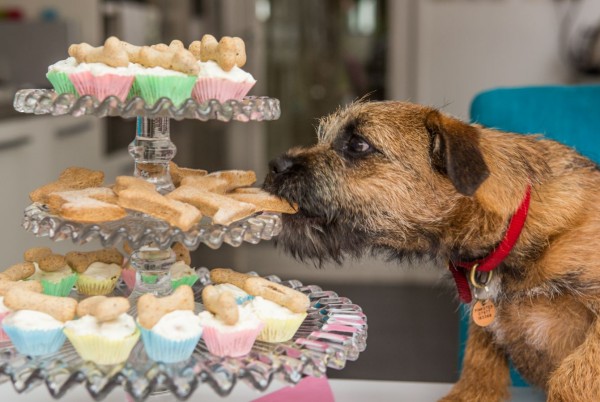
Human food is not good for a Border Collie.
Of course, the most important thing is to maintain a proper regimen and balance in feeding your puppy: to raise a healthy dog, strictly follow the individual recommendations of an experienced breeder or veterinarian. The calorie content of the diet, the number of feedings and the portion size directly depend on the lifestyle and characteristics of the individual dog.
How to walk
Even if your Border Terrier lives in a private home with a large yard, it's essential to take them for walks. Fifteen-minute morning and evening pee breaks, or even leisurely hour-long walks on a leash, are definitely not enough for a Border Terrier. This is an active, energetic and thoughtful dog that needs not only to run around like crazy until it drops, but also to be sure to give its brain some work.
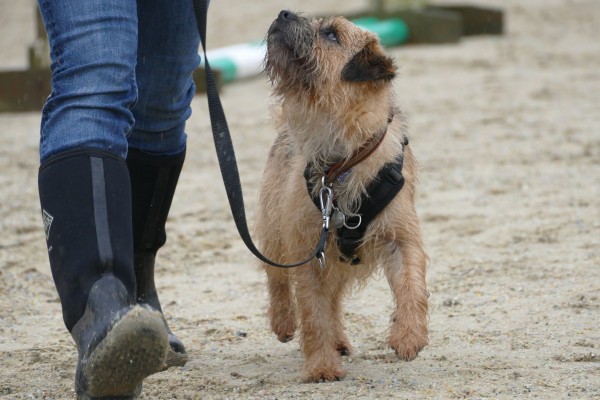
You need to walk a border collie a lot.
Running tens of kilometers a day over rough terrain is pure joy for this dog! The question is, will the owner be able to keep up? Of course, hunting trips and competitions would be the best way for your pet to realize his breed potential. But regular trips to a training ground, and especially training in various popular dog sports such as agility, can also be a worthy substitute for work.
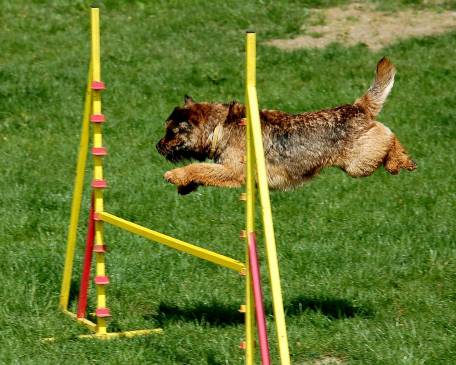
Agility seems to be made specifically for border dogs.
Proper walking is extremely important for a dog of this breed—lack of exercise can lead to emotional breakdowns and psychosomatic (and other) illnesses. Remember: by not giving your Border Terrier enough time and attention, you're shortening its lifespan.
Video: agility for the border
How to educate
The earlier you start training your puppy, the fewer problems he will cause you in the future. Before you get serious about raising your baby, give him a day or two to get acquainted with his new place of residence. But he must begin to learn the rules of conduct here from the very first minute - then it will be too late.
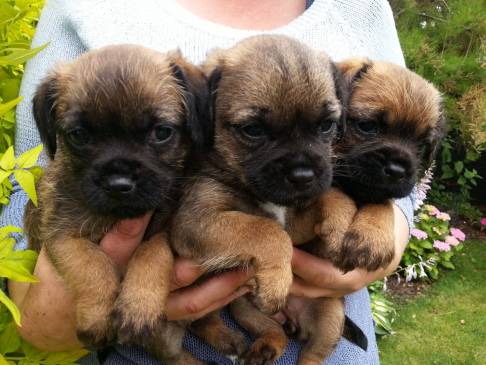
Start training your puppy from the first minutes of his stay in your home.
People and dogs should be mutually comfortable living together - this axiom is achieved exclusively through patient, constant and persistent training. The Border Terrier has a natural stubbornness that he will not hesitate to demonstrate to his new owner. Don't try to break or crush him—transform stubbornness into tenacity and determination; these qualities will definitely come in handy in a dog's life. At the initial stage, the most important thing is to establish mutual understanding. The puppy should be very interested in you; this will help in future training.
Systematic obedience training, either in a group or individually with a trainer, can begin at four months of age. New knowledge and skills should be learned gradually and in measured doses to ensure they are well-reinforced and developed into automaticity.
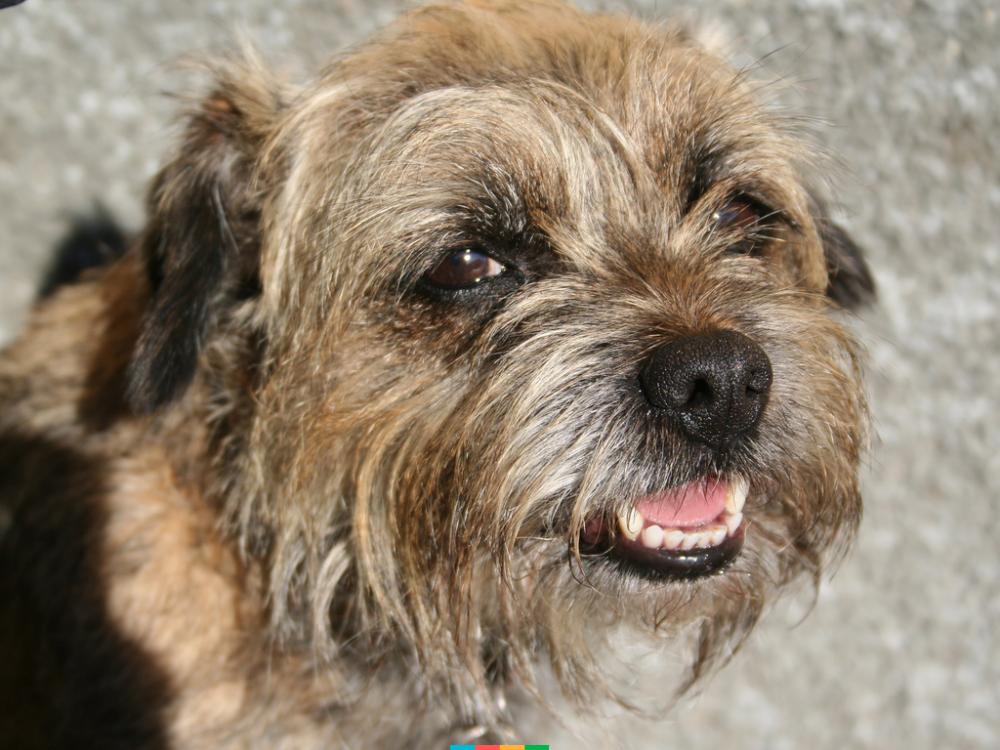
The Border Terrier is smart and cunning, but you are smarter and more cunning!
Try to find a trainer who understands the breed's specifics and has experience working with Border Terriers or at least other working terriers. Once the dog has completed a full obedience course, you can begin training it in specific working skills—but this should also be done by a professional, not a layperson.
Intelligent Border Terriers are highly trainable. They love to learn, and they excel at it. A favorite educational and developmental game for puppies is climbing through a specially dug maze, at the end of which there is a cage with a rodent, for example, a rat. Such exercises accurately imitate burrow hunting and are very useful for developing the working qualities of a young dog.
How to trim
Despite its more than democratic appearance, the Border Terrier requires constant, proper grooming - like most wire-haired terriers, it needs to be trimmed (plucked) once or twice a year. This procedure allows us to preserve and improve the quality of the guard hair inherent to the breed. If the dog is regularly shown, the condition of its coat can be maintained by rolling - regular (every two to three weeks) plucking of dead hairs.
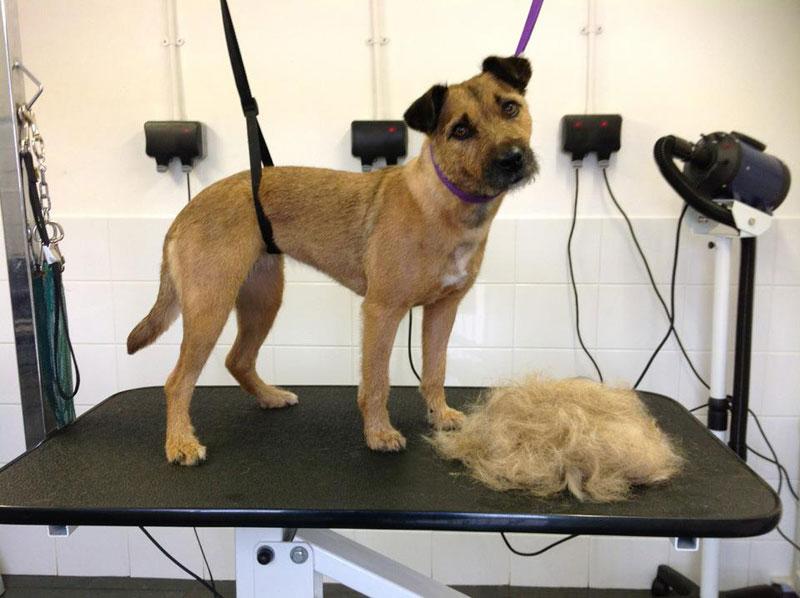
Trimming a Border Collie is important for its coat.
Of course, it's best to entrust such a responsible task to professionals, but if you want, you can easily master the skills yourself to keep your dog in excellent shape.
It is strictly forbidden to cut the Border Collie's hair. This can completely ruin his coat—the pride and joy of any true terrier. However, you can and should brush him more often.
Video: border grooming
Veterinary science
Proper care, and especially nutrition, will help you maintain your dog's health and good spirits for a long time. However, the slightest signs of illness should prompt a visit to the veterinarian. Don't self-medicate—sometimes harmless health problems can signal a serious problem.
The average lifespan of a Border Collie is fourteen years, but with good care, your little furry joy will be with you longer.
Diseases and vaccinations
Breed-specific health problems in Border Terriers are most often related to injuries sustained while hunting—they're otherwise quite robust and disease-resistant dogs. However, if the dog doesn't hunt and is solely dedicated to being a pleasant companion to its owner, then special attention should be paid to the following:
- eyes - some Border Terrier breed lines are prone to retinal atrophy and cataracts, especially in older adults;
- bones and joints - beware of kneecap displacement and hip pathologies;
- heart - unfortunately, there are cases of congenital heart defects and heart failure.
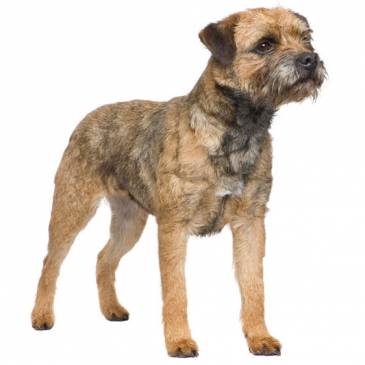
These dogs have excellent genetics, but their heart, eyes and joints need to be kept under control.
Serious heart problems can also result from improper or excessive nutrition combined with insufficient physical activity—sooner or later, this leads to obesity, which is typical for hunting dogs that are sedentary.
Genetically oriented toward the cool climate of Foggy Albion, the Border Terrier doesn't tolerate heat well. At temperatures above 30 degrees Celsius, any exercise is taboo, and air conditioning is their best friend.
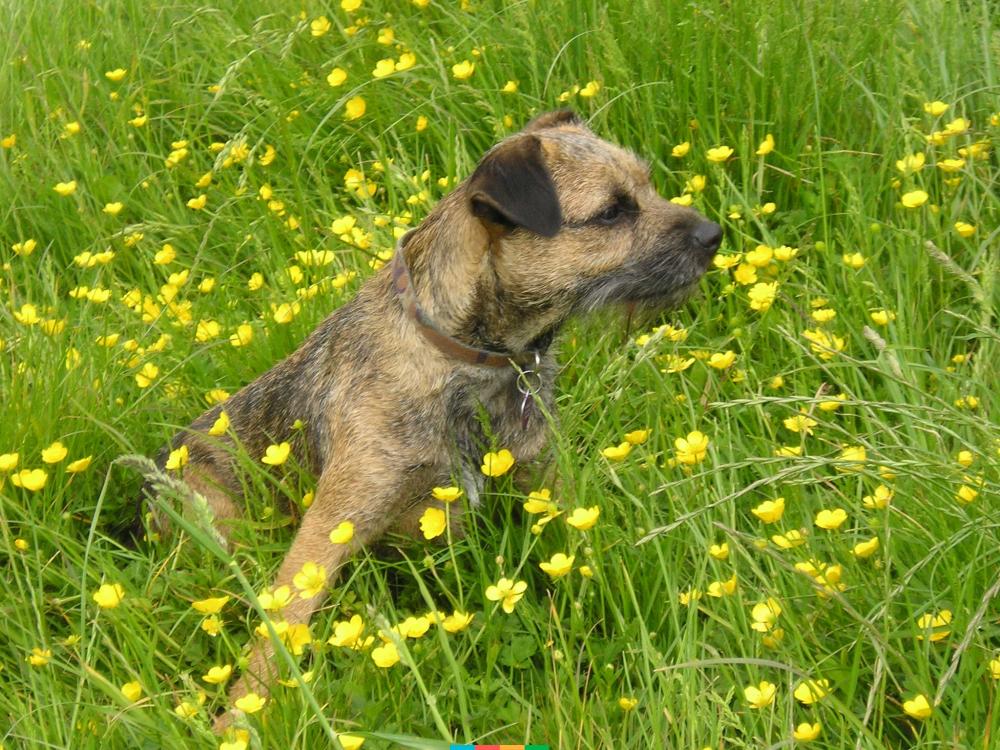
On a hot day, walk your dog less often.
Like any other dog, Border Collies require regular flea, tick, and other blood-sucking insect treatments, as well as deworming. Your veterinarian will advise you on the frequency of these treatments and the most effective medications for your region, based on your dog's specific needs. It's also a good idea to consult with your vet about which vaccine to choose for the comprehensive vaccination program: puppies receive these at eight and twelve weeks of age, and adult dogs receive them annually. Vaccinate your working dogs against rabies on time – this is very important!
Pregnancy and childbirth
Reproductive processes, as is known, occur in the same way in all dogs, regardless of their breed. Treat your bitch's pregnancy as a natural physiological phenomenon, not as an emergency. Continue walking her as usual—fresh air and moderate exercise are very beneficial for a pregnant dog. However, in the second half of pregnancy, closer to the big day, avoid allowing the expectant mother to run too fast or jump too much; walks during this time should be much more relaxed.
Improve the quality of her diet: increase the amount of protein and fermented milk products in her diet. Avoid increasing portion sizes too much during the second half of pregnancy, as very large puppies can complicate the birth process. However, reproductive problems are extremely rare in this breed; Border Terriers usually give birth naturally.
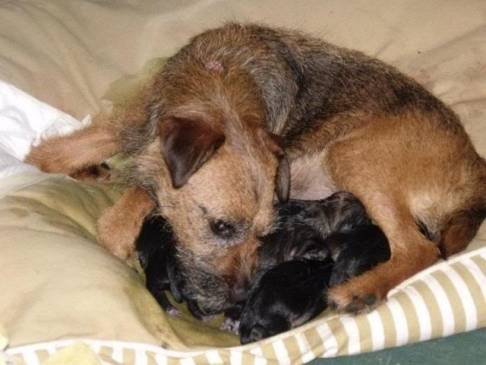
Pregnancy and birth in Border Collies usually proceed without problems.
It is better to make an appointment with a good veterinarian in advance so that he can back you up and provide assistance to the mother in labor at the slightest problem.
After the allotted 58 to 63 days, the long-awaited babies will be born—a Border Terrier litter typically consists of three to six puppies. Carefully monitor the puppies to ensure all the puppies are delivered and the mother-to-be's milk supply is normal. There should always be fresh water near the nest, or even better, tea with milk: this will increase lactation well.
Reviews
I attended a veterinary cardiology workshop, and Feri and Ike came with me for the training. Their presence proved very helpful. A crucial part of the workshop, echocardiography (heart ultrasound), required the presence of live dogs. The Border Terriers demonstrated 100% composure and sociability. Feri and Ike underwent cardiac ultrasounds with over forty trainees. Ferik was also taken along by participants in a workshop on exotic animal diseases, and an American doctor demonstrated the stages of a neurological examination of a four-legged patient to the Russian doctors. I heard many compliments and praise for the beloved dogs.
Wirehaired terriers that regularly show prefer to have their coats "rolled," meaning they are regularly plucked every 2-3 weeks year-round. From my personal experience, I don't like rolling. In my opinion, rolling is bad for a coat as stiff and straight as that of a Border Terrier because it's impossible to achieve a uniform, dense coat; the dog looks somewhat "shaggy." But perhaps I've simply never gotten the hang of it, or this effect is unique to my dogs. I still prefer to completely pluck my dogs a few times a year. Of course, this doesn't allow you to show at every show, but it does allow you to present your Border Terrier in a reliable condition, meaning a full, good coat, with only touch-ups on areas like the throat, chest, paws, and buttocks. And of course, any loose hairs on the body. A Border Terrier should look as natural as possible at a show. Incidentally, a proper coat requires minimal trimming. A shaggy dog essentially has an abnormal coat, one that's overly soft and "open." Unfortunately, such dogs are quite common.
The diet should consist of 70% meat and offal (cooked) and 30% grains and vegetables. Grains should be gluten-free (especially for allergy sufferers) and easily digestible, such as rice, rolled oats, and buckwheat. Vegetables should be cooked. Unlike omnivorous humans, dogs' bodies digest plant carbohydrates poorly and absorb almost no vitamins from them. For example, a dog's intestines are unable to convert carotene into vitamin A, while a human can easily consume carrots and sour cream! For this, a dog would need to consume the intestines of a herbivorous prey... However, plant foods are still important for intestinal function. And, of course, it's absolutely essential to provide a multivitamin supplement when feeding a homemade diet.
Badger season opened this weekend. My Uncas went first. He worked brilliantly, pushing all the badgers into a dead end and holding them there with his voice—helping us decide where to dig a pit. He came to the surface several times to show himself and catch his breath. After an hour and a half, we took the first badger from the pit. The injuries were minimal—a couple of holes in the neck and a snag in his beard, chewed up… We took the second one 2.5 hours later from a new pit dug by Uncas' brother, Hunter. The badgers weighed almost 20 kg.
Oddly enough, the Border Terrier's unassuming appearance served it well. The breed failed to attract the attention of cynologists and was neither subjected to rampant breeding nor "improvement" in the name of show glamour. For three centuries now, Border Terriers have delighted owners with their pristine charm, charismatic nature, intelligence, and quick wit. And the working qualities of this small, courageous dog remain beyond praise.