Milk and dairy products are essential for the normal growth, development, and functioning of both children and adults. But how does dairy affect the health of our four-legged friends? Let's find out in today's article.

Benefits of Milk for Dogs
Milk is beneficial for dogs only in small quantities. This product is essential for the normal growth and development of young animals. The micronutrients contained in milk are important for the development of muscle tissue, bone, and cartilage in puppies.
Restrictions on cow's milk consumption arise due to lactose, which is broken down in the intestines by the enzyme lactase. While a puppy (up to 3 months) has a high lactose content, older dogs experience a deficiency. This prevents proper digestion of milk, leading to loose stools and allergic reactions.
Before drinking, it is better to dilute milk or use products with a low fat content (no more than 2.5%).
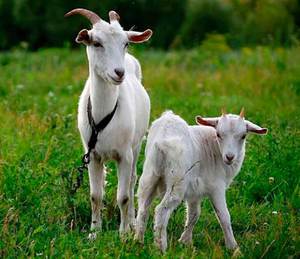
Also, it is better for owners to give preference to goat's milk, since it is safer due to:
- reduced lactose content;
- the presence of vitamin A;
- content of unsaturated fats and proteins.
Can dogs drink kefir?
Kefir is given to both young and older dogs. This fermented milk product promotes normal digestion and improved nutrient absorption.
In some cases, kefir is given to puppies and adult dogs to wean them off regular milk.
When choosing kefir, it is better to give preference to low-fat options or those containing a minimum amount of fat.
How does a dog's body react to cottage cheese?
Cottage cheese is an essential source of calcium, phosphates, potassium, and B vitamins. Veterinarians recommend feeding cottage cheese to puppies as one complete meal, and to adult dogs several times a week. Cottage cheese is highly digestible and has a minimal risk of allergic reactions.
Introducing cottage cheese to pregnant and nursing female puppies is also beneficial. Sometimes, calcined cottage cheese is prepared for puppies by mixing cottage cheese with calcium supplements. These include calcium chloride and calcium lactate.
Can dogs eat cheese?
It's not recommended to feed cheese to dogs as a complete meal, as it's high in fat.
Cheese can be used as a treat during training sessions. For this purpose, it is recommended to choose low-fat cheeses that contain minimal amounts of colorings, flavorings, and other artificial additives. The recommended daily dose is 20 to 70 grams of cheese, depending on the dog's weight.
Each owner chooses their pet's diet independently. It can often depend on the individual characteristics and condition of the animal. For example, if the dog is pregnant and nursing puppies.
Milk is a source of nutrients (calcium, protein) essential for both humans and their four-legged friends. However, despite its benefits, it's not advisable to make milk a regular part of a dog's diet. It should be consumed in reasonable quantities to avoid harming the animal's health.