The Leonberger is a large, strong dog with a balanced character. Developed in the nineteenth century, the breed has undergone some modifications over time. Specifically, the silver-gray color was removed from the standard. Its natural sociability makes it a good companion.
Leonbergers require a fair amount of time and attention. Proper care determines their health and lifespan.
Content
General description and breed standard
Leonberger is a fairly large breed of dog, classified as a service dog.
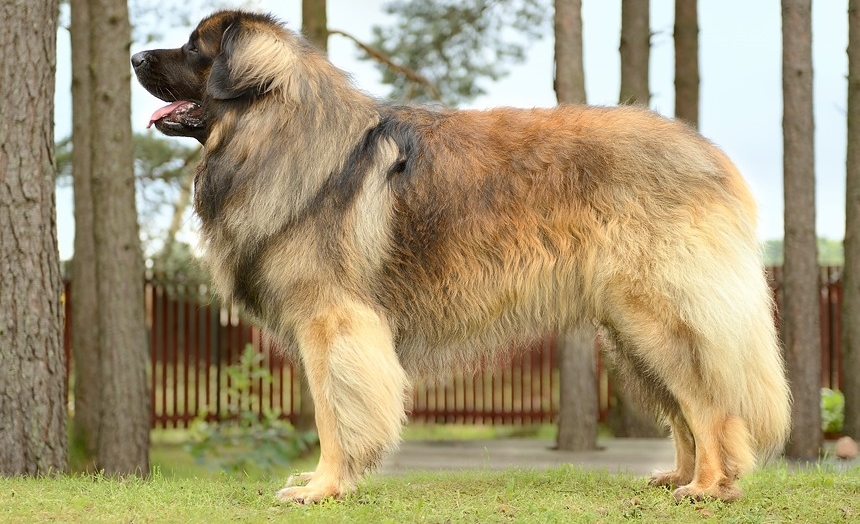
The characteristic features of the standard are:
- massive body with a taut lower line;
- pronounced withers, especially in males;
- strong, straight back;
- wide, well-muscled loin;
- rounded, slightly elongated croup;
- a broad chest, the depth of which is half the height of the dog at the withers;
- moderately pronounced transition from the forehead to the muzzle; the ratio of the latter to the skull is 1:1;
- ears and mask on the muzzle are black;
- strong jaws with a scissor bite (pincer bite is also acceptable);
- presence of 42 teeth; however, the absence of the third molar is allowed;
- hanging, high-set ears;
- the tail is straight, covered with thick long hair;
- parallel limbs;
- the step is wide and the limbs move in a straight line;
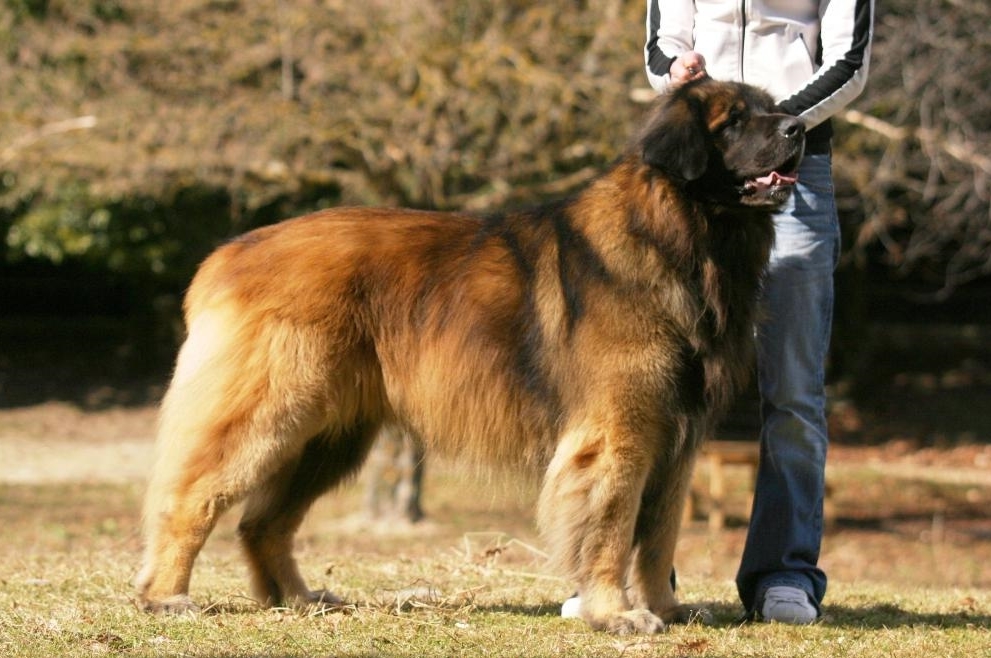
- Smooth, long coat with a dense undercoat. A small white spot on the chest and white hairs on the toes are acceptable.
The following color options are considered standard:
- lion yellow;
- ginger (red);
- dark red;
- sand (fawn, cream);
- red-brown.
In addition, the standards allow for black hair tips, but dominance of the color is unacceptable.
Males are 72-80 cm tall; females are 65-75 cm tall. Weight ranges from 45 to 75 kg.
The average lifespan of a Leonberger is 9-12 years. Lifespan depends on both the animal's health and proper care.
Historical background
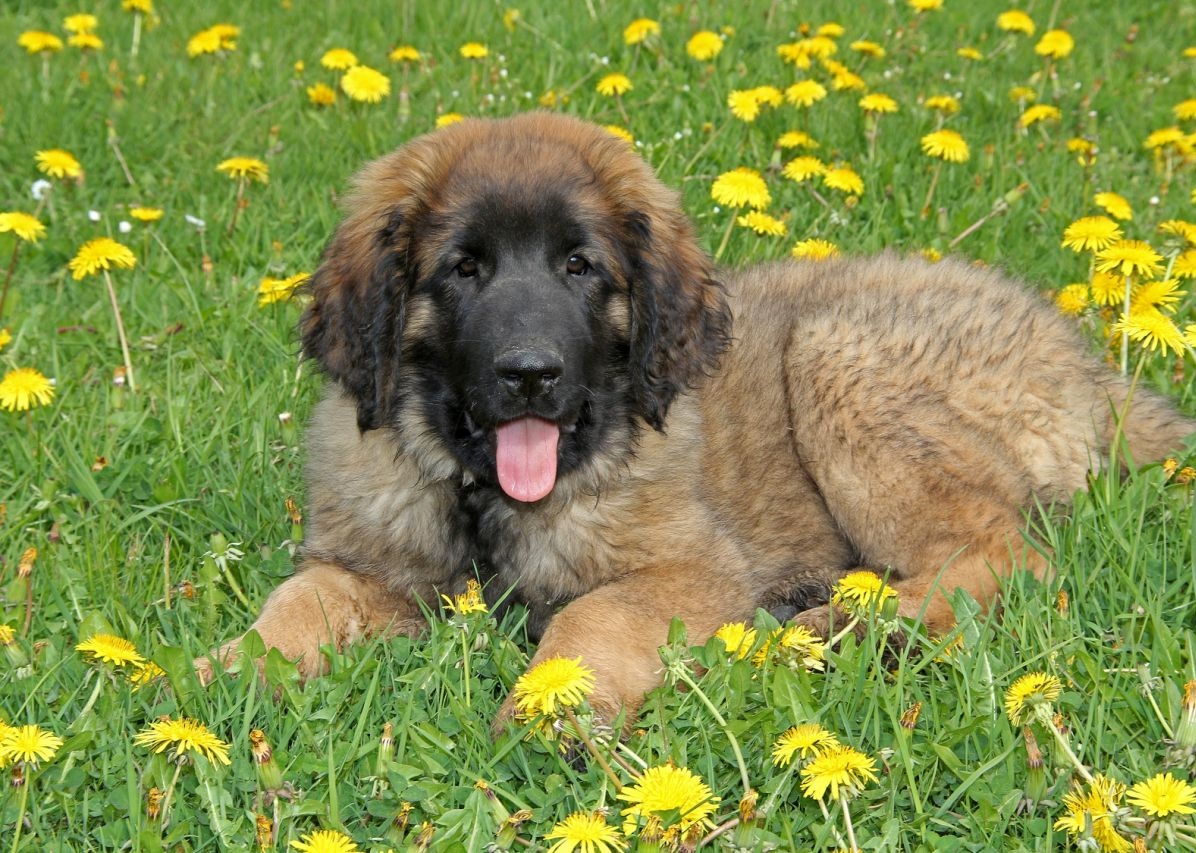
The name comes from the town of Leonberg in Germany. It is the result of an attempt by a municipal council member to breed a dog breed that resembles a lion.
In the 1830s and 1840s, a black-and-white Newfoundland was crossed with a St. Bernard. The resulting variety was named the Great Pyrenees. By crossing the latter's offspring with a yellow-and-white St. Bernard, a new breed was developed with the following characteristics:
- large sizes;
- long hair;
- calm disposition;
- great physical strength;
- endurance;
- acute vision;
- fine hearing.
The new hybrid could run and swim fast and was distinguished by its courage.
It is believed that the first representatives meeting the standards were born in 1846. The silver-gray color, originally obtained as a result of crossing different breeds, was eliminated in 1973, leaving the yellow-brown and its variants as the standard.
Character
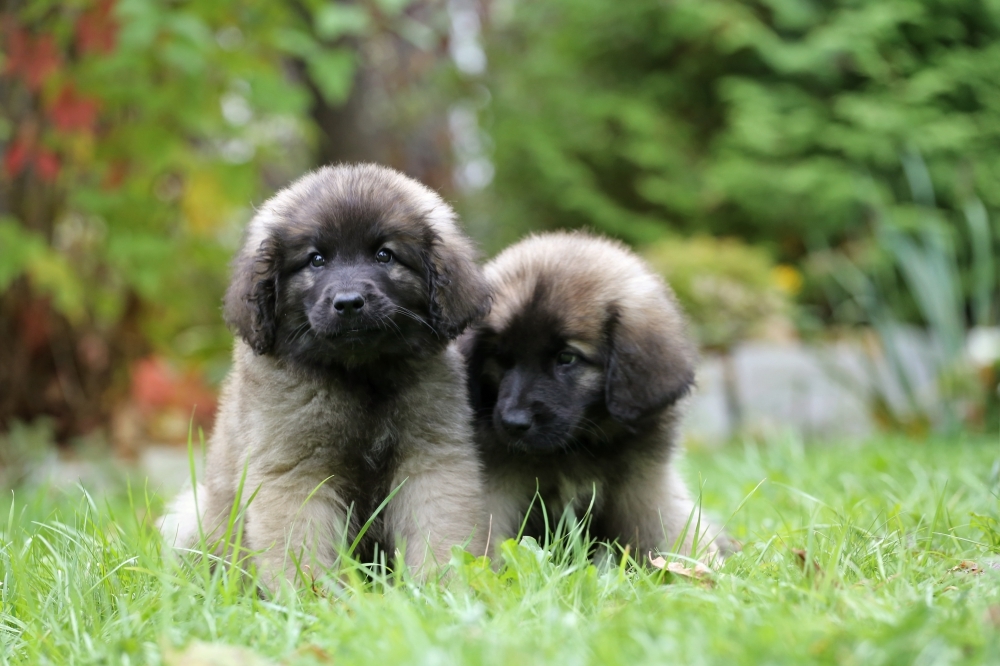
The Leonberger breed is characterized by:
- cheerful character;
- friendliness;
- caring;
- communication skills.
These dogs make excellent watchdogs and guard dogs. Leonbergers also demonstrate the qualities necessary for a true companion: they will become a loyal companion and even a friend to any family member.
With a lively temperament and a calm, even disposition, they have proven themselves to be excellent rescue dogs. These animals also perform well as guide dogs and nannies. When bringing this breed into the family, it's important to remember that it's primarily the adults who show care and affection for children. A puppy, overextending itself, may push a child while playing.
Leonbergers differ from other guard and watchdog breeds in that they lack malice, aggression, or a desire to dominate. However, this does not detract from their qualities.
Pros and cons of the breed
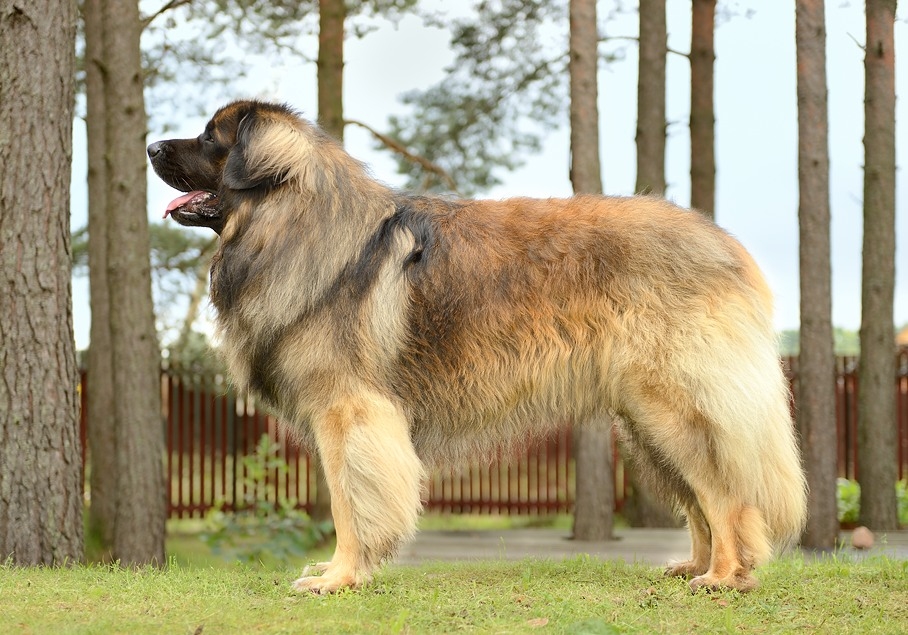
The following are recognized as positive traits of Leonbergers:
- a calm disposition, combined with courage and a willingness to protect any member of the family;
- the ability to be both a companion for the owner and a “nanny” for his children;
- lack of tendency to strive for dominance and show aggression;
- obedience;
- good nature.
Negative traits of the breed include their unwillingness to live in a regular city apartment.
Care and maintenance
The animal requires space to run and play. It is recommended to create a small pond or place a pool or bathtub filled with water in the yard. A country house, especially near a body of water, would be an ideal place for such a dog.
Keeping a Leonberger in a kennel is not recommended, as they require constant human contact. During walks, this breed needs ample opportunity to run and, if possible, swim. Walks should last 1-2 hours; the dog should be played with and taught commands.
What to feed
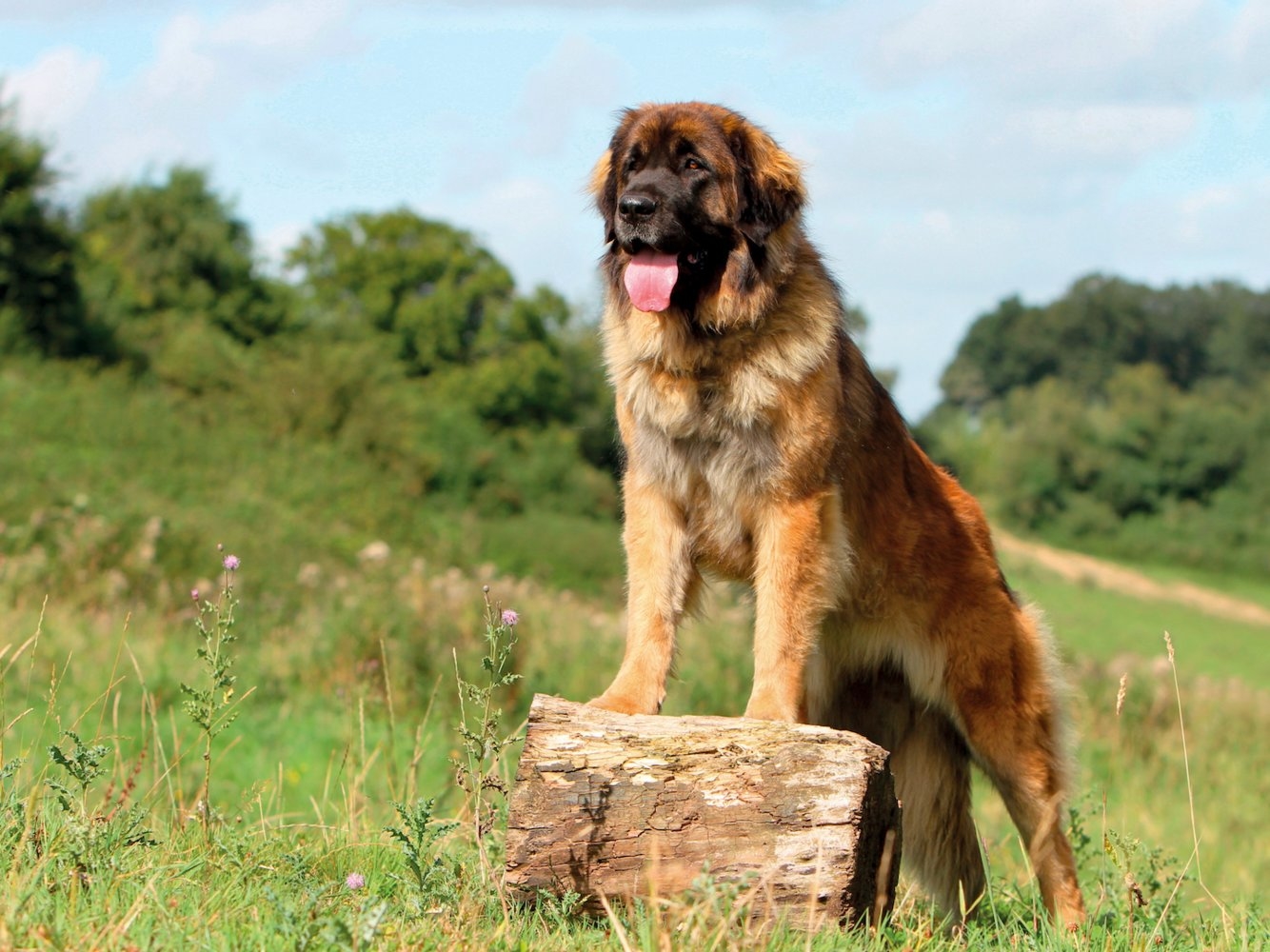
The Leonberger's diet can include both natural food and premium dry food. However, it is necessary to follow the rule that it is forbidden to mix them in one feeding.
Experts cite the following advantages of dry food:
- Feeding your dog solid food is an effective measure to prevent tartar formation;
- Using dry food saves time on food preparation;
- The mixtures have a balanced composition, including all vitamins and minerals in the required quantities.
It is important to ensure that your dog drinks enough fluids.
The dog should eat the entire portion offered. If there's any leftover food, put it in the refrigerator until the next feeding. The second portion should be slightly smaller. This way, the owner can determine the optimal size.
Food should be at room temperature.
Your dog's behavior during feeding time should be closely monitored: refusal to eat indicates that it's feeling unwell or becoming ill. In this case, an unscheduled oral examination and consultation with a specialist are necessary.
The following foods are beneficial for Leonbergers:
- lean meat (raw or scalded with boiling water);
- boiled boneless sea fish;
- porridge;
- vegetables (especially carrots);
- turkey necks;
- cartilage;
- ribs;
- apples;
- vegetable oil (1 teaspoon should be added to food per day).
Products prohibited for consumption:
- sweets, including chocolate;
- smoked meats;
- bird bones;
- fried food;
- pasta;
- fatty meat;
- hot spices, salt;
- legumes.
Feeding frequency varies depending on the dog's age. A two-month-old puppy should be fed five to six times a day. By four months, the frequency is reduced to four times a day. Up to seven months, three to four meals a day are recommended. An adult Leonberger is recommended to be fed twice—morning and evening.
Experts recommend meat dishes for evening meals—they provide satiety until the morning.
Grooming
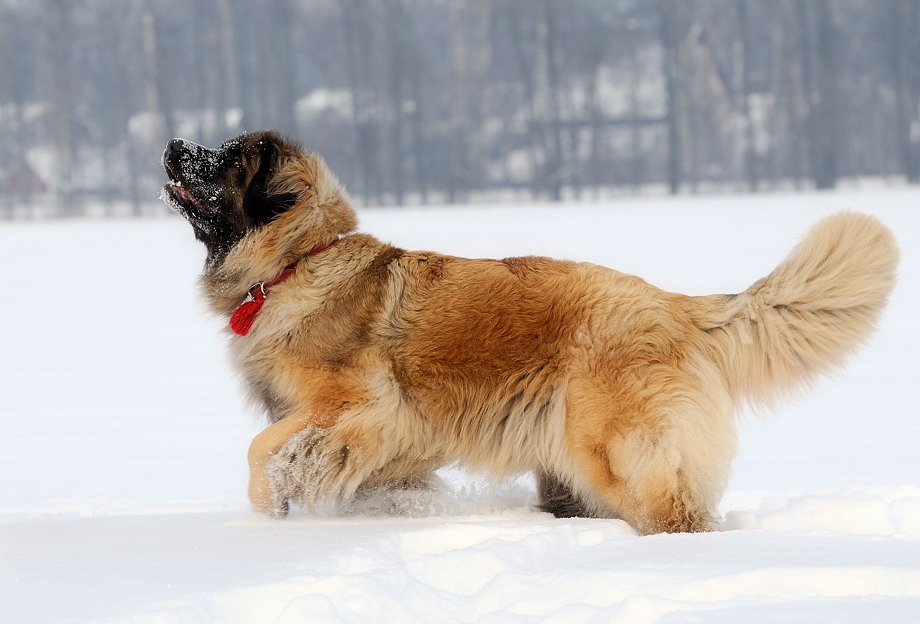
A dog must be accustomed to any grooming procedures from an early age, and they should be carried out regularly. Otherwise, it will be extremely difficult to cope with an adult.
Experts recommend regularly rinsing the animal's eyes with weak tea leaves, at least once a week.
The inside of the ear should be wiped with a damp cloth and aired. A sign of healthy ears is a light pink tint to the auricle, as well as the absence of wax and unpleasant odor.
You should have your teeth and gums examined regularly. To prevent tartar buildup, experts recommend including fresh tomatoes in your diet. Solid foods, such as raw carrots, are also beneficial.
The animal should be bathed once a month or whenever its coat becomes dirty. In the summer, Leonbergers enjoy swimming in open water.
It is recommended to treat the coat monthly with a tick and flea repellent as a preventative measure, as it is extremely difficult to detect parasites in it.
Grooming is essential. The dog should be brushed daily with a metal comb or comb to remove loose hair. Shedding can continue year-round in apartment-dwelling dogs.
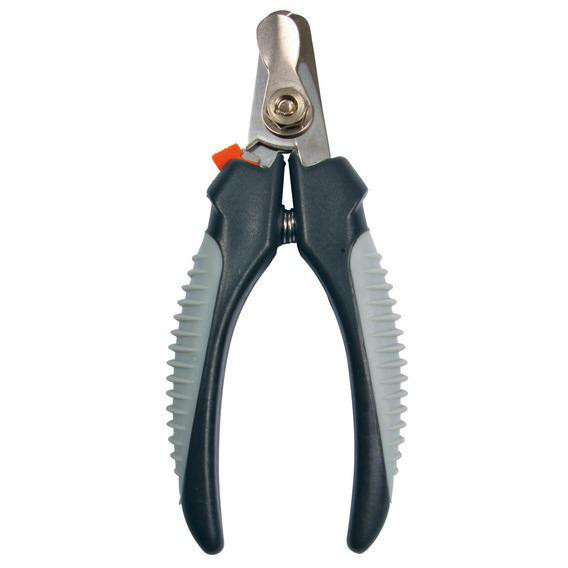
Claws should be trimmed monthly with a special tool - a claw cutter designed for large breed dogs.
Education and training
Leonbergers are intelligent and obedient, and respond well to training. It's recommended to begin basic discipline training at three months of age. Experts warn against punishing the puppy or even yelling at it without cause.
The dog reacts extremely sensitively to shouting and family quarrels, so to avoid disruptions in training, it is necessary to create a calm atmosphere.
Diseases and treatment
The following diseases are most common for this breed:
- Hip dysplasia. Dogs with this condition are recommended to have their diet adjusted, incorporating as much as possible of foods that are beneficial for joint health, such as cartilage and broth. The diet should be supplemented with vitamin D3 and calcium. In some cases, physical therapy and bracing can produce good results.
- Bursitis. As inflammation develops, it's essential to ensure the joint remains completely still. Cold exposure is acceptable at the onset of the disease. Medications include anti-inflammatory therapy, both systemic and topical. Electrophoresis produces good results. If this is ineffective, surgery is performed. Sometimes, joint retraining under general anesthesia is necessary.
- Herpes. The presence of a herpes infection requires prompt initiation of etiotropic antiviral therapy. Acyclovir is an effective medication. To prevent the development of secondary infections, the use of broad-spectrum antibacterial agents is recommended.
- Dermatomycosis. For fungal infections, systemic antifungal antibiotics are preferred. Topical therapy is not very effective because the skin is densely covered with hair. For successful treatment of dermatomycosis, an optimal immune status is essential. Therefore, if the immune system is weakened, vitamin therapy is recommended.
- Keratitis. Depending on the origin of the disease, antiviral or antibacterial eye drops are prescribed. If the inflammatory process is severe, medications containing nonsteroidal anti-inflammatory drugs are added to the treatment. In severe cases, surgery may be necessary.
Breeding
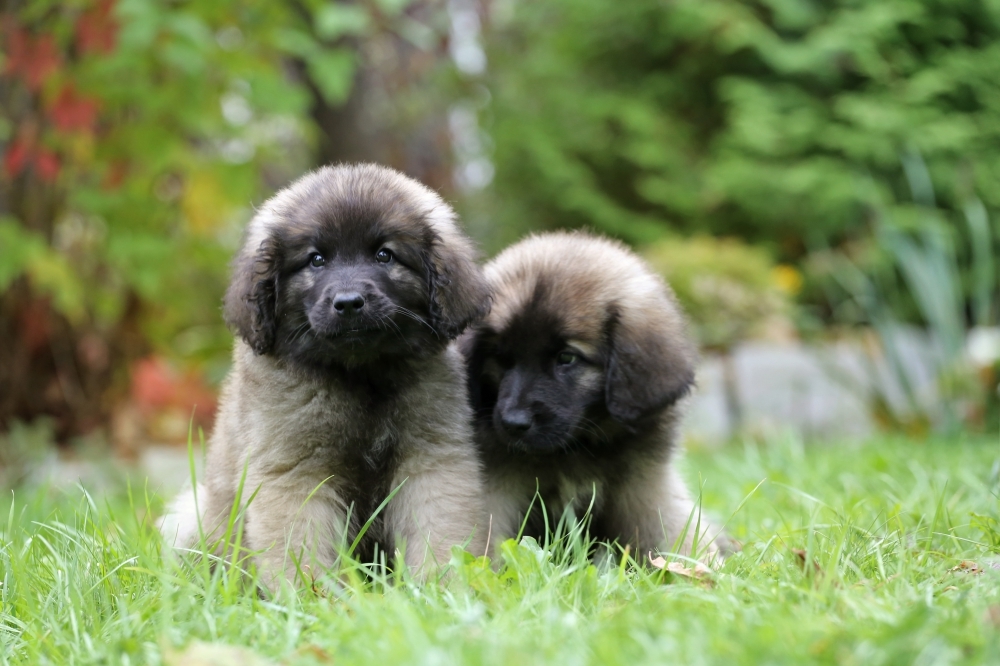
Leonbergers are bred in specialized and multi-breed nurseries. The staff always includes specialists who monitor the dogs' health and breed purity. If necessary, they can act as consultants when choosing a puppy.
Knitting
Mating is recommended after the female's third heat. As part of the preparation, it is necessary to ensure that both partners are completely healthy and to administer preventative deworming.
Experts recommend meeting the animals twice to ensure a successful mating.
Caring for offspring
Leonberger puppies are intelligent and obedient, so they are relatively easy to raise and train. Treats and praise will make training sessions more productive. However, irritation, yelling, and force can cause the dog to become withdrawn and ignore commands.
In addition to socialization, it's important to pay attention to the animal's health. A healthy puppy is cheerful and active, with clear eyes, light pink ears, a soft belly, and a cool, moist nose. Following expert recommendations, owners should regularly groom their eyes and ears, brush their fur, and keep their paws clean.
What to call it
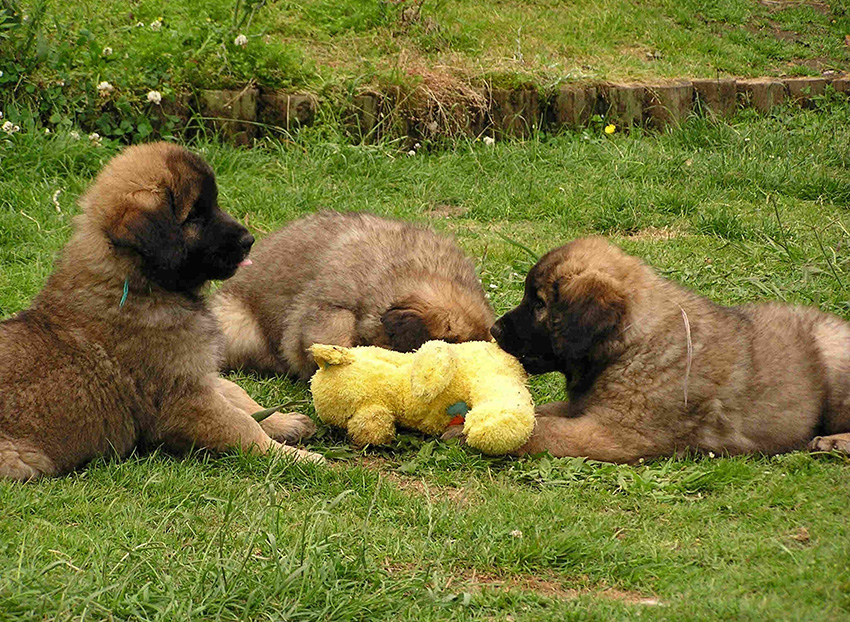
In Leonberger fancier communities, the following nicknames for male pets are often encountered:
- Altyn;
- Diamond;
- Buran;
- Gordon;
- Marshmallow;
- Watchman;
- Chingiz;
- Edgar.
Common nicknames for girls:
- Aster;
- Rita;
- Flora;
- Utah;
- Jadwiga.
Once you've decided on a nickname, you should immediately begin accustoming your pet to it.
The Leonberger is a large, courageous, yet obedient and sociable dog. It can serve as a companion, educator, guide dog, and guard dog. When adopting a Leonberger, remember that it requires an optimal exercise regimen and regular, thorough grooming. This will ensure it grows into a healthy, strong companion and helper.