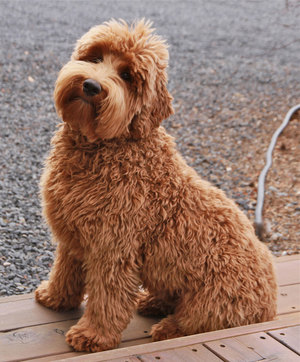
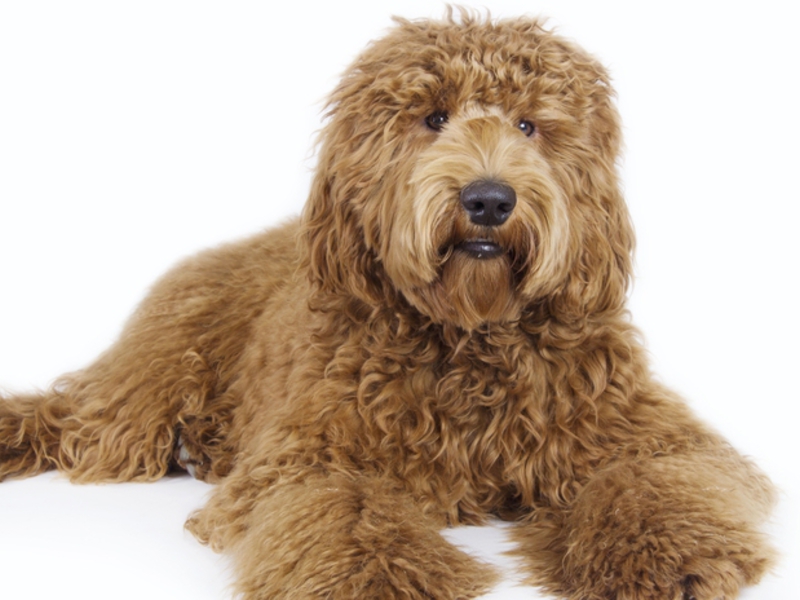
 The Labradoodle (Cobberdog) is one of the most famous and popular hybrid breeds in the United States and Europe. This dog was developed in Australia in 1989 by crossing a Labrador with a Poodle.
Australian Wally Conron's goal was to create the ideal hypoallergenic guide dog suitable for people with disabilities. The Lambradoodle inherited its non-shedding coat from the Poodle and its high intelligence from the Labrador.
It should be noted that the Labradoodle is not simply a crossbreed or hybrid of two purebred dogs, but a deliberately bred breed that carries not only the genes of the Labrador and the Poodle, but also the blood of the English Cocker Spaniel, American Spaniel, Irish Water Spaniel, and Soft Coated Wheaten Terrier.
Content
Description of the Australian Labradoodle dog breed
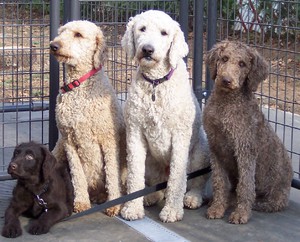
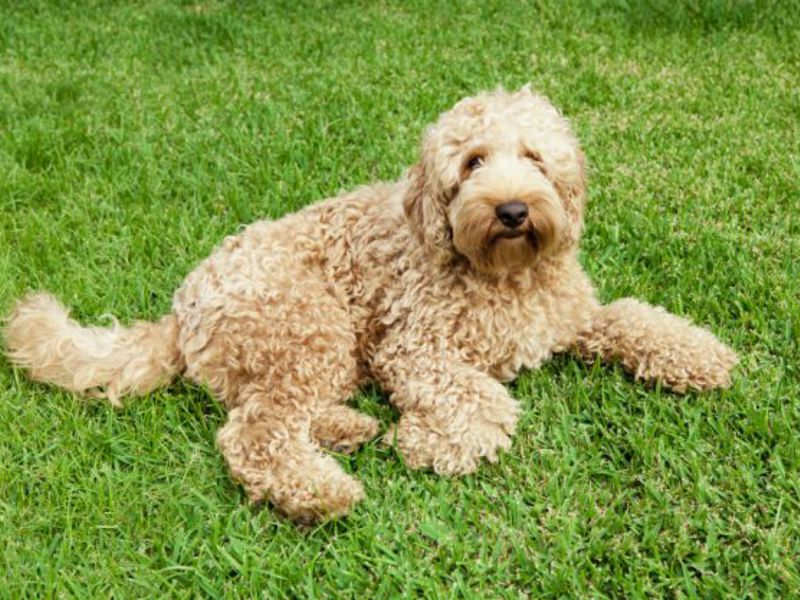
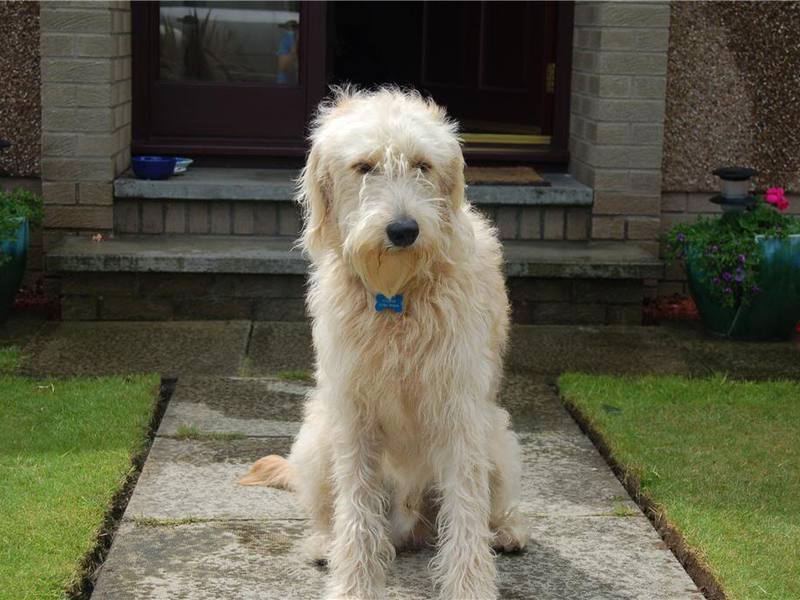
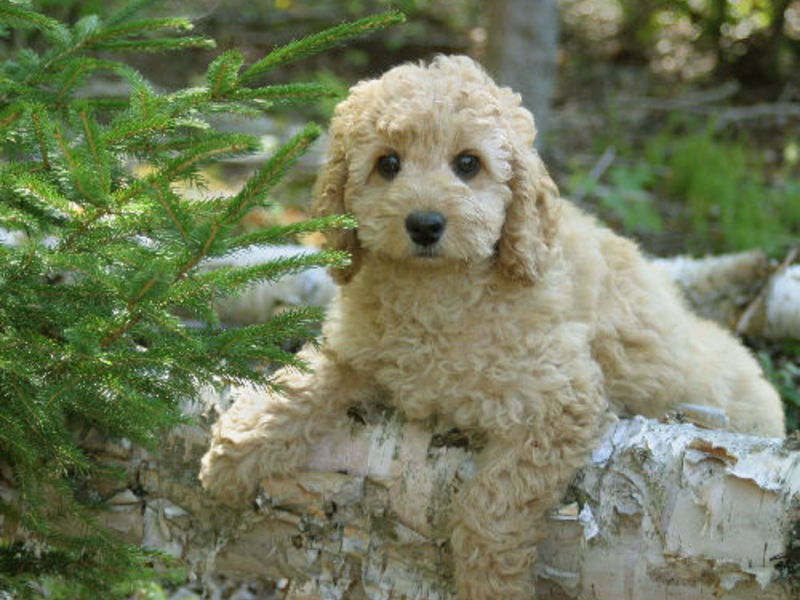
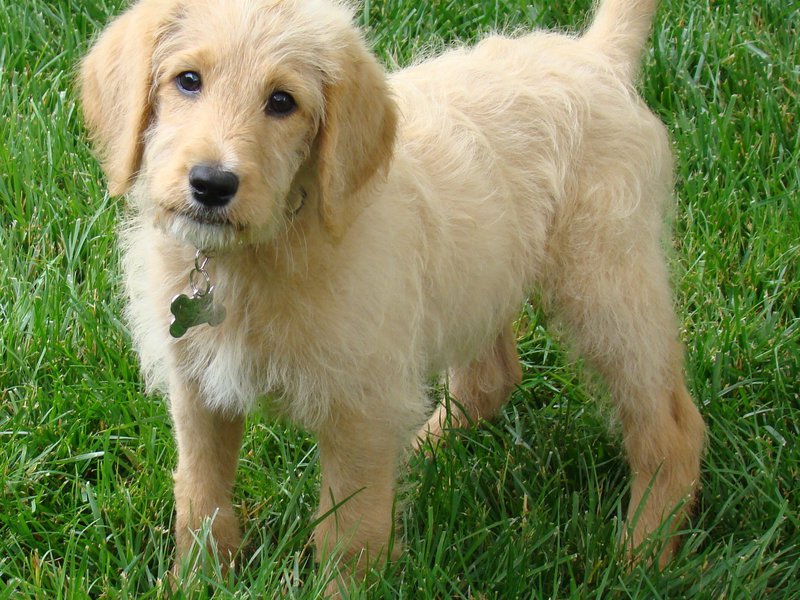
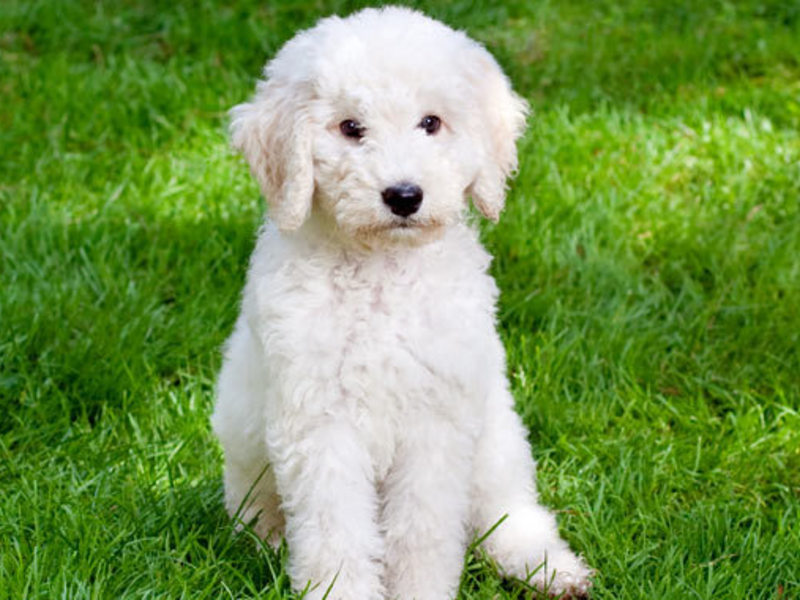
Dogs of this breed can be of two types: 75/25 poodle-Labrador and 50/50 poodle-LabradorIn the first case, the dogs are more reminiscent of poodles in appearance—they inherited only their size and personality from Labradors. In the second case, the dog, on the contrary, is more like a Labrador, except for the coat, which resembles a poodle.
- Based on height, adult dogs are divided into three types: miniature, medium, and standard. The height at the withers varies by type and ranges from 35 to 65 cm.
- Life expectancy: 13-15 years.
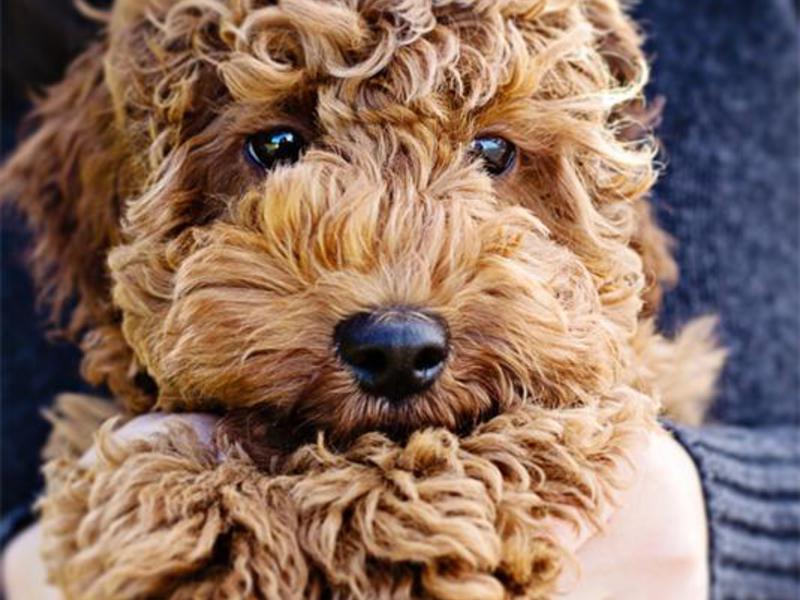
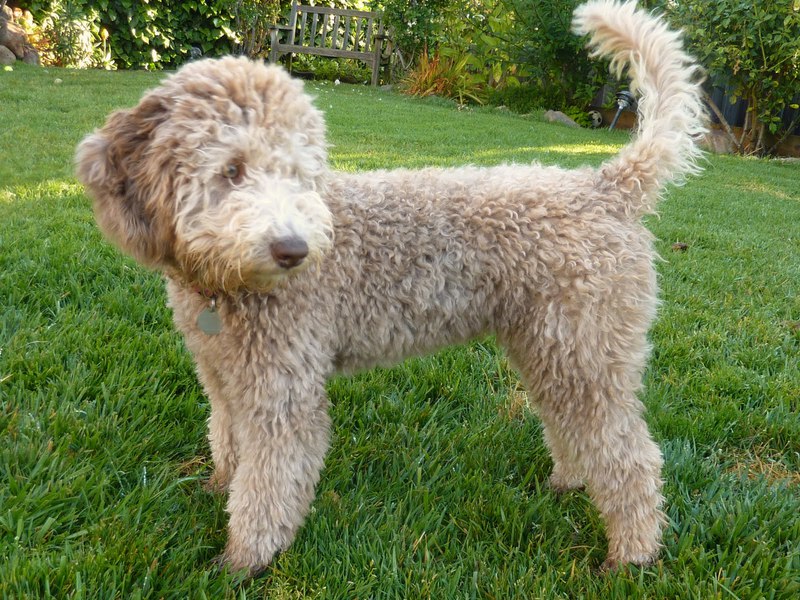
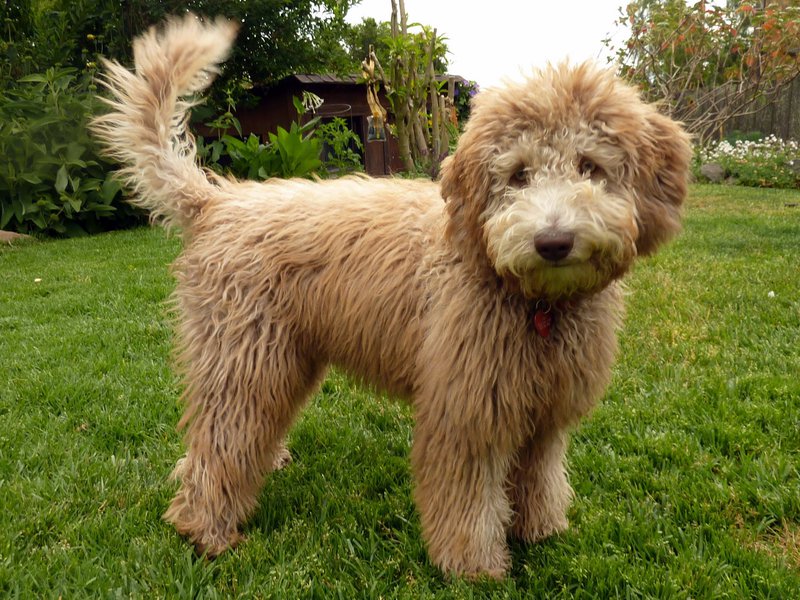
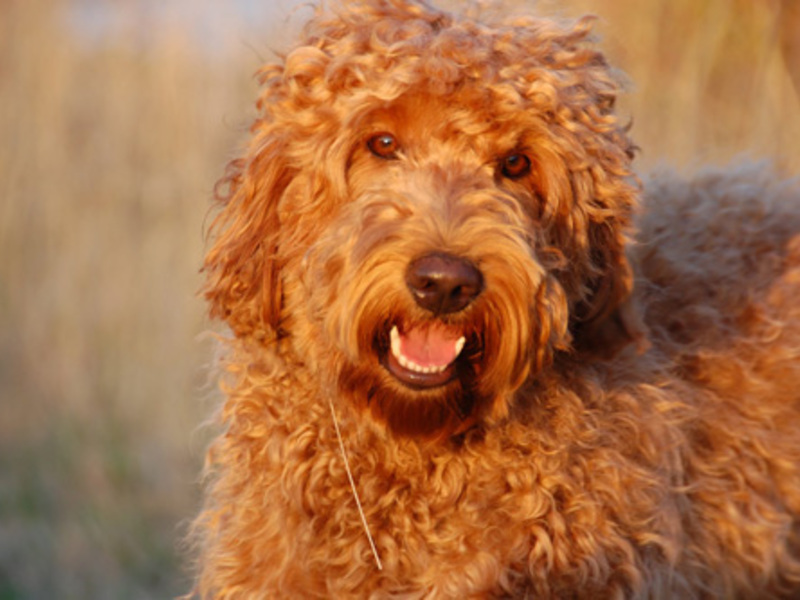
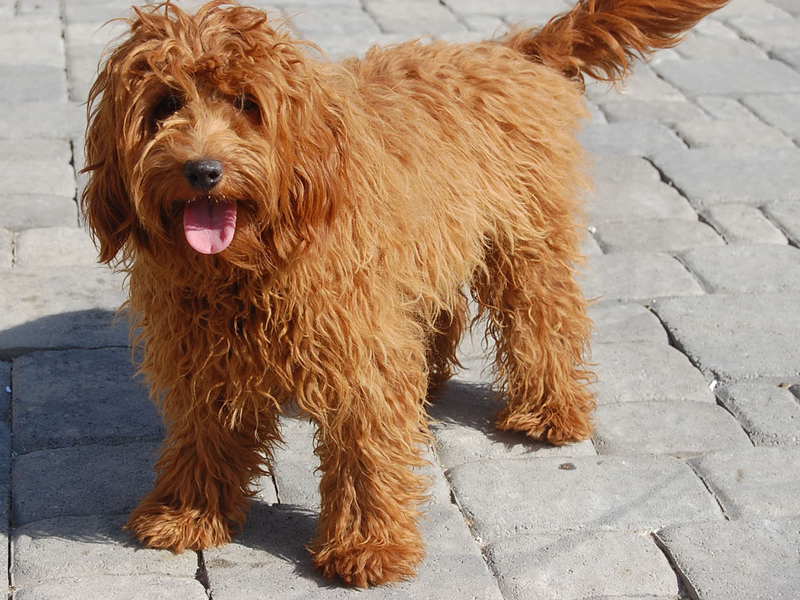
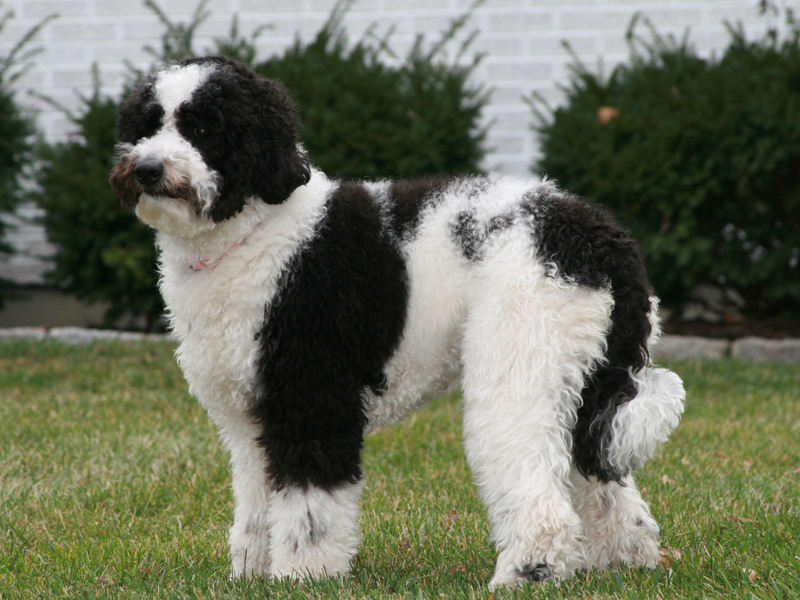
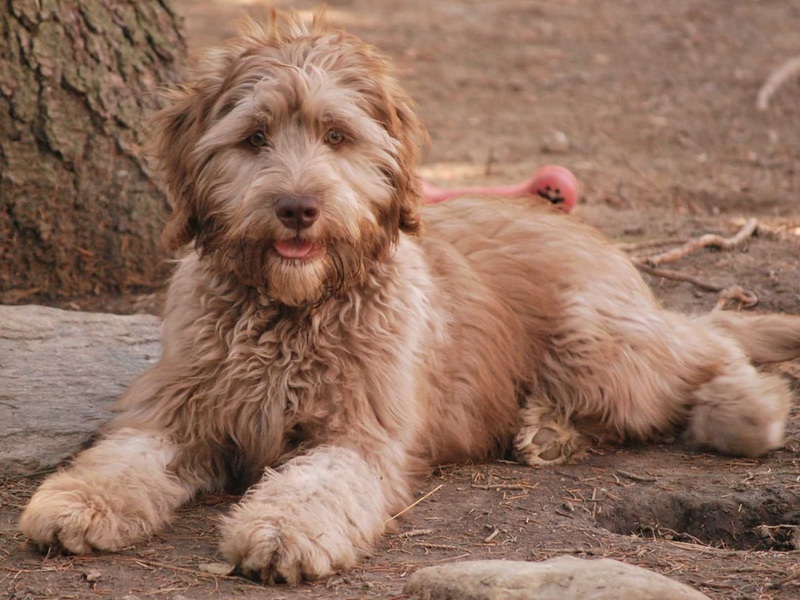
- The coat is fine and soft and can be either curly or straight.
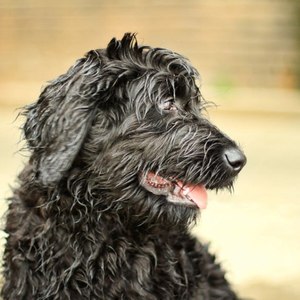
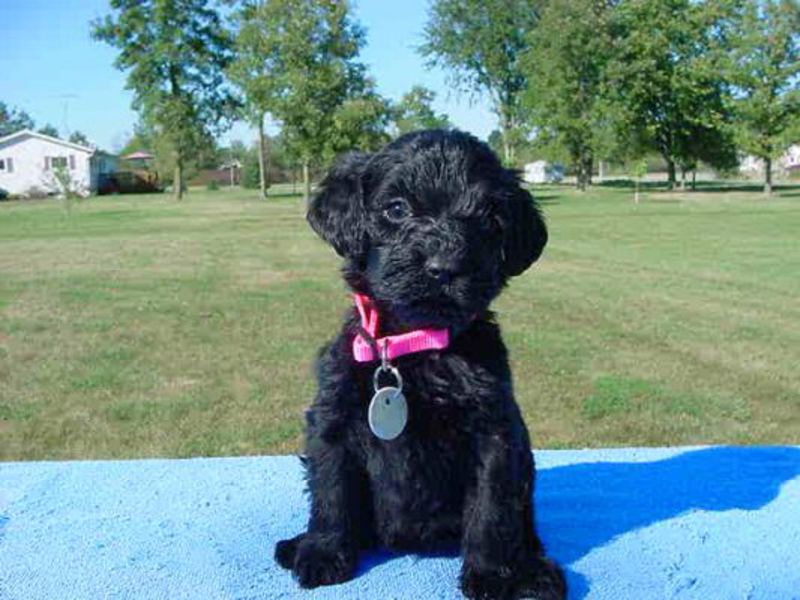
- Color: white, black, red, and all shades of chocolate.
- Breed difficulties - the dog needs a haircut from time to time.
- The average price for one Labradoodle is about $650.
Labradoodle Character and Purpose
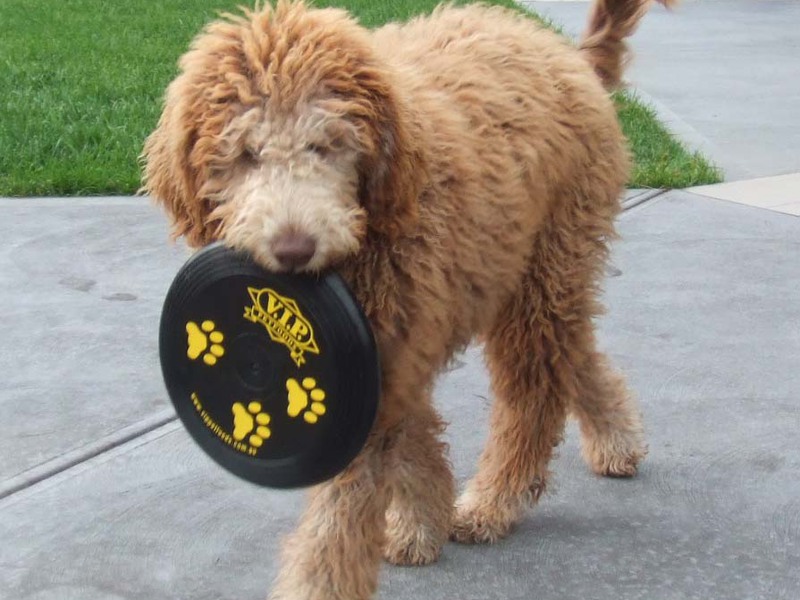
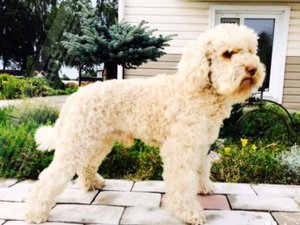 Labradoodle - cute, cheerful creature, always ready to join in any game you play, whether it's tag or fetch. The dog is completely non-aggressive and easy to train, making it ideal for babysitting or assisting a disabled person.
Representatives of this breed are widely used in canine therapy and will happily support you in your athletic endeavors. Thanks to their thick, dense coat, Labradoodles easily withstand adverse weather conditions—strong winds, snow, rain, etc.—which is why they are often involved in rescue operations. They are also have a keen sense of smell, which allows them to be used in the search for dangerous substances and drugs.
Labradoodles are very active, yet self-controlled, dogs. They get along well with everyone in the household and get along well with other pets. Labradoodles are happy to join in any playful activity and easily become the life of the party.
Care and Maintenance of Australian Labradoodles
Since this dog is quite active, it needs vigorous walks with playtime to allow it to release its boundless energy. It should be walked at least twice a day, with each walk lasting at least an hour. It should be bathed once or twice a month, and its coat should be trimmed about the same frequency.
There is no specific standard for the Labradoodle, because is a designer breedHowever, preference is given to dogs with many of the Labrador's characteristics combined with the finely curled, fluffy coat of a poodle. To prevent matting and remove dirt, the dog's face should be wiped with a damp cloth after every walk and meal. The animal's entire body coat also requires regular brushing and combing to prevent tangling and matting. Since Australian Labradoodles are virtually non-shedding (with some exceptions, depending on the pedigree), plucking of dead hair should be performed approximately once or twice a year.
Although the animals easily tolerate bad weather, they are still not suitable for keeping outdoors (with the exception of the southern regions of Russia).
Labradoodle Nutrition
In the puppy's diet should include the following products:
 vitamins;
- vegetables;
- cereals;
- fruits;
- fermented milk products;
- sea fish;
- lean meat.
 vitamins;
Two- to three-month-old puppies should be fed at least six times a day. As the animal matures, the portion size should be increased and the frequency of feedings reduced. The calorie content and size of the portion are determined by the dog's lifestyle, including its activity level, workload, and living conditions. Naturally, a lazy dog should consume less food than an active pet. An adult dog can easily get by with two meals a day, but its diet should still include all the necessary nutrients.
In order for the animal's diet to be correct and balanced, it is recommended from an early age accustom a dog to eating dry food, which contain not only the necessary products, but also all the necessary minerals and vitamins.
Advantages and disadvantages of the breed
Although the breed was conceived as ideal, like all other dogs, Labradoodles have their pros and cons.
Advantages:
- easy to care for;
- lack of aggression;
- excellent health;
- minimal risk of allergic reactions;
- cheerful, playful character;
- possibility of using as a nanny;
- high intelligence and learning ability.
Flaws:
- needs a haircut;
- cannot be used as a security guard;
- may be hyperactive;
- Due to its excessive mobility, it is not suitable for elderly people.
How to Choose a Labradoodle Puppy
 Since this breed is not yet widespread in Russia, purchasing a genuine purebred puppy in our country and the CIS is quite difficult—there's a high risk of encountering a counterfeit. It would be better to go to one of the European countries for your Labradoodle: the UK, Denmark, the Netherlands, Finland, or Poland.
Before purchasing a puppy, it is worth paying attention to the documents of the father and mother - both parents must be registered with the Australian Labradoodle Association (The owner is required to provide the appropriate document. Furthermore, the puppy's parents must be free of any medical conditions (cardiovascular disease, hip dysplasia, etc.). Permission to breed dogs is also issued by the Association.
You should purchase a puppy when it's at least 2.5 months old, making sure it's healthy and has received age-appropriate vaccinations. Also, ask the seller for a pet passport.
Nicknames for Labradoodles
So, you've bought a puppy and are faced with the task of choosing a name. A dog's name is given for life, and it should be as clear and understandable as possible for the animal and convenient for the owner.
Try to make sure the name suits your pet, doesn't sound like a human name, and has a clear, resonant sound. If possible, avoid giving your dog a name that's difficult to pronounce or too long, or consider a shortened version to make it easier for your dog to remember.
Approximate nicknames for male dogs: Rich, Ricky, Wind, Edvis, Jackie, Curly, etc..
For females - Lucky, Laska, Linda, Hermione, Nessie, Gina, etc.
Labradoodle training
 The abilities of this breed are truly limitless. Labradoodles possess the intelligence of a Labrador and can perform tricks like a poodle. Training these dogs is a joy. They can serve as bloodhounds, rescuers, and guide dogs, and they have also demonstrated excellent results in all types of dog sports. Because these dogs quickly lose interest in monotonous activities, training tactics should be constantly varied.
With proper training, the Labradoodle feel great in a city apartmentHowever, this large dog is still better suited to living in a private country house. Regardless of where it lives, it needs regular exercise lasting at least two hours. It enjoys active ball games, jogging, and hiking, but also enjoys walking on a leash.
So, the Labradoodle breed was originally created with specific goals in mind—helping the blind and people with disabilities. However, thanks to their character and personality, these dogs are widely used for other purposes as well. They are excellent friends, ideal companions, and loyal, sensitive helpers with well-developed intuition. The Australian Labradoodle is always ready to accommodate its owner's every whim and is capable of being in almost constant contact with people without suffering any discomfort.
 Olga
Olga
1 comment