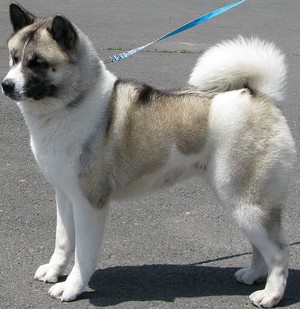
First of all, a person deciding to get a dog must choose from a variety of breeds. It's important to consider your lifestyle, preferences, and activity level. A love of travel means traveling with your pet. Many countries prohibit the import of certain breeds for safety reasons.
American Bulldog

A versatile dog breed, it serves as a guard, watchdog, and companion. Originally designed to protect lands, the dog's strength and loyalty were prized.
They boast an athletic build, strength, endurance, and intelligence. They are unrivaled protectors, willing to give their lives for their owners. The American Bulldog is an intelligent breed, capable of making independent decisions, including when to attack. Stopping them from doing so is difficult, and their bite force can reach up to 140 kilograms. Managing their behavior depends on upbringing and training.
If handled incorrectly, an Ambüll will be disobedient and therefore dangerous to others. Border guards are unable to assess the level of training and preparation of such a dog. Therefore, authorities in many countries have taken the easy way out: banning American Bulldogs from crossing the border.
American Pit Bull Terrier

One of the most aggressive dog breeds, it was originally bred for fighting. It will not back down from a fight and will fight to the finish.
Possesses strength, tenacity, and lightning-fast reflexes. Used in service work and search and rescue operations thanks to its highly developed sense of smell.
Training that involves developing aggression towards humans is prohibited.
Pit bull terriers are also hostile to other animals and do not tolerate being housed with other dogs or cats. The American Pit Bull Terrier requires gradual and careful socialization.
An uncontrolled pit bull is powerful and dangerous, and an attack with a fatal outcome is predictable. The breed is not officially recognized by the Fédération Cynologique Internationale, and European Union countries prohibit its breeding. Understandably, no one wants to allow such dogs into the wild without knowing how their owners raised them.
Tosa Inu

Developed in Japan in the late nineteenth century, it was the result of crossing European and Japanese fighting breeds and was intended for all types of dog fighting.
It is one of the strongest, most aggressive, and ferocious dogs. It has a strong dislike of other dogs and a strong distrust of strangers.
Open aggression is not typical of Tosa Inus, but their strong guarding qualities lead them not only to adopt threatening postures but also to attack. They are dangerous to strangers who might provoke them into becoming angry and attacking. They are not friendly with children, so they should not be left unattended.
The self-confidence, fearlessness, and power of this breed can lead to disaster if not properly supervised. Walking them without a leash and muzzle in crowded areas is risky.
The Tosa Inu is difficult to train and should only be performed by professionals. This fighting dog is banned from import into many countries and is considered a dangerous breed.
Canary Dog
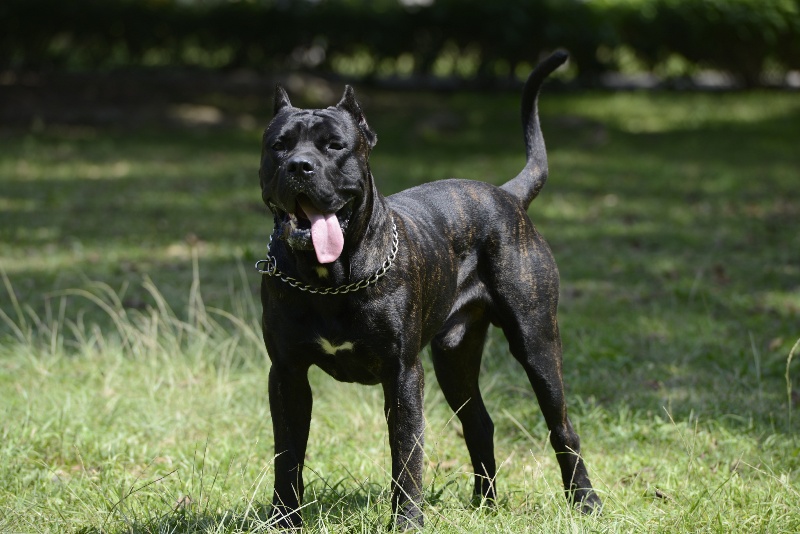
Originally from the Canary Islands, the breed was bred in the sixteenth century to guard livestock. Over time, it began to be used to protect homes, serving as a guard dog.
He has a confident demeanor and is suspicious of strangers. He is not prone to unprovoked aggression, but is highly territorial. When defending his territory, he is capable of incredible tenacity and attacks instantly.
Outside its confines, it is calm and friendly, affectionate, and rarely barks. It is intelligent, capable of making a choice, and, as a result, attacking unexpectedly for anyone intruding into its territory.
Has a dominant personality, considering itself the leader of the pack. It may perceive children's active play and activities as a threat and will defend itself, so it's important to prevent them from being together.
Fanciers value this breed for its serious fighting qualities and ability to defeat other gladiator breeds. It is banned in more than 10 countries.
Each of the listed dog breeds has significant advantages and benefits. They share one common reason for import bans into many countries: a predominance of aggressive traits that can result in injury and death. If you plan to travel frequently with your dog, it's best to avoid these breeds.