A dog's position in sleep can tell its owner not only about its personality and health, but also its current mood. To better understand your pet, simply observe its habits during its sojourn in the realm of Morpheus.
The dog sleeps on its side
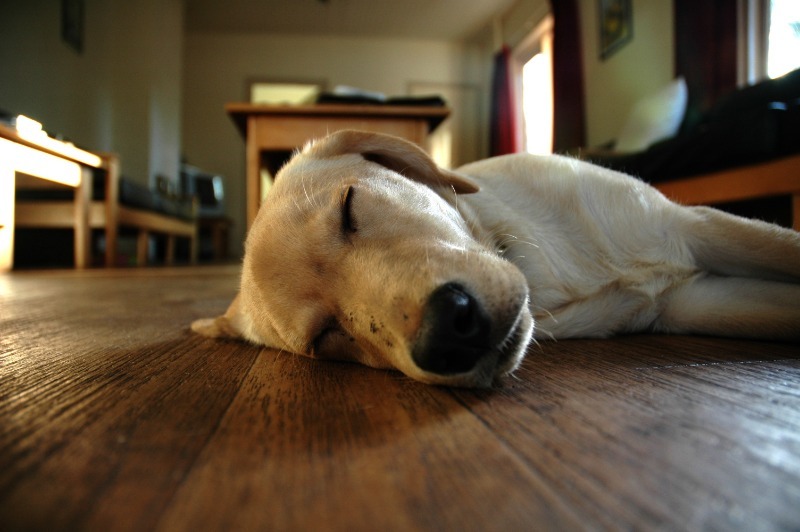
Many animals enjoy this position and are perfect for resting and sleeping. Lying on their side, pets feel completely secure and aren't afraid to show off their tender belly. This means they're subconsciously comfortable, safe from the dangers of their vital organs, and completely relaxed. The side-lying position demonstrates a strong bond and complete trust between the pet and their owner.
Curled up into a ball
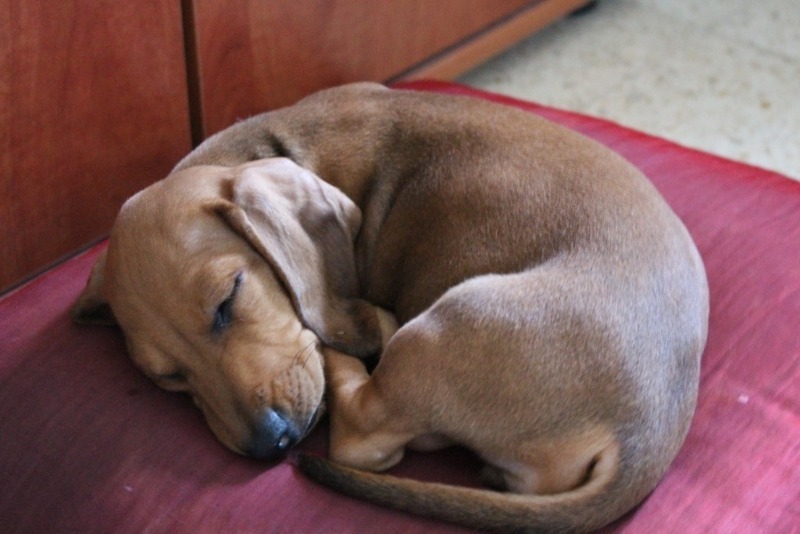
This sleeping position is considered protective. The dog is trying to cover its vital organs, namely its paws, throat, and stomach. Or it may simply want to conserve heat. It's quite possible that the dog is experiencing fear or discomfort due to outside noise. And some particularly gentle four-legged "comrades" simply enjoy sleeping curled up in a cozy ball.
Sleeping on the stomach with legs extended
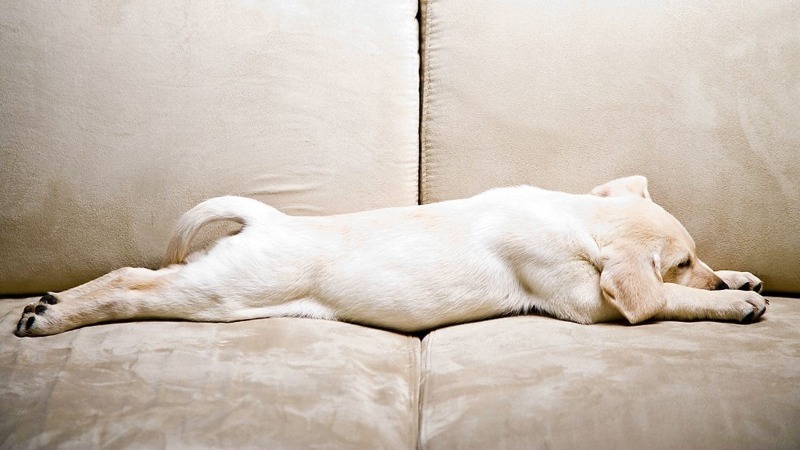
This adorable position is more typical of puppies, but it can also be seen in adult dogs. In it, the animal completely relaxes, falling into a deep sleep. At the same time, this pose is typical of energetic dogs with guard skills, ready to quickly spring to their feet in the event of unexpected danger. It's also typical of those who love to frolic and play.
On the back
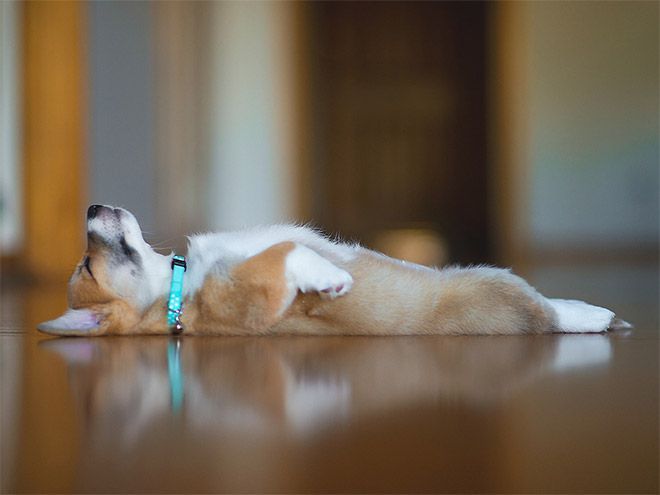
Sleeping on the back is the most relaxed position for dogs, as it exposes all vital organs. Regularly resting in this position indicates a state of comfort and complete trust in others. Alternatively, it could indicate that the dog is hot or very tired during the day. This position is typical for animals that can quickly adapt to any conditions.
Sleeping with your paws raised up
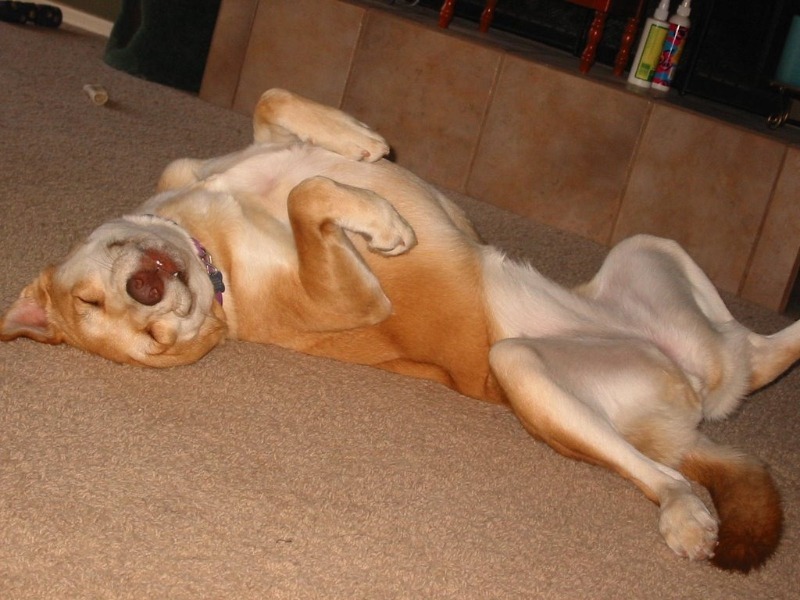
A rather exposed position, never used by stray dogs, who are constantly on alert. Meanwhile, pets who completely trust their owners often fall asleep in this position, exposing their most vulnerable areas, when tired or wanting to cool off after a vigorous walk. Dogs with long legs are especially fond of this position.
When getting a pet, it's important to be extremely attentive to its behavior. Unable to speak, they can be quite defenseless and vulnerable, so the owner's primary responsibility is to recognize their four-legged friend's needs and desires promptly to ensure the most comfortable conditions for their growth and development.