Pet dander allergies are common, affecting people of all ages and genders. Fortunately, they're not a barrier to owning a dog. There are hypoallergenic breeds that carry a minimal risk of developing or exacerbating allergies.
Content
Causes and symptoms of dog allergies
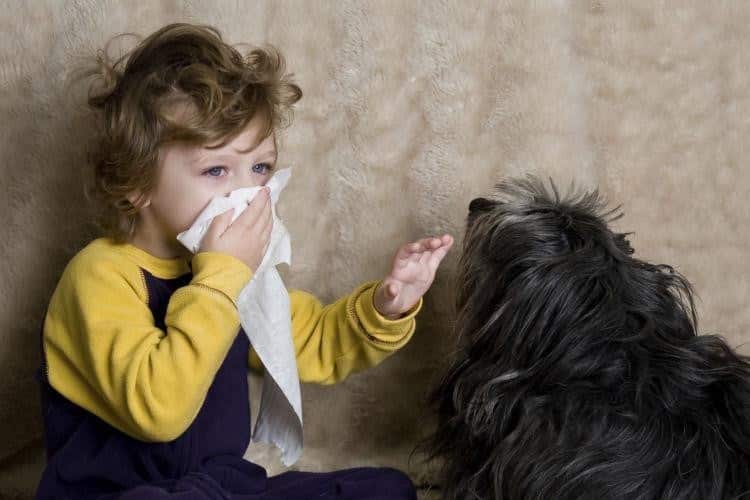
The larger the dog, the higher the risk of allergies.
So, first of all, we need to figure out what exactly is causing the allergy symptoms.
These could be:
- animal hair;
- saliva;
- feces;
- epithelium;
- secretions of sweat and sebaceous glands.
The main irritant is the Can f1 protein, which is contained in all of the above. The larger the animal, the more allergens it releases into the surrounding space..
It's also important to consider the dog's temperament. The more it barks, the more saliva it releases into the air.
Signs of animal allergies:
- rhinitis;
- swelling of the nasopharyngeal mucosa;
- dermatitis;
- lacrimation;
- sneezing.
As you can see, the symptoms are no different from reactions to other allergens. Therefore, it's important to first determine which allergen is causing these unpleasant reactions.
Recommendations for choosing a hypoallergenic dog breed
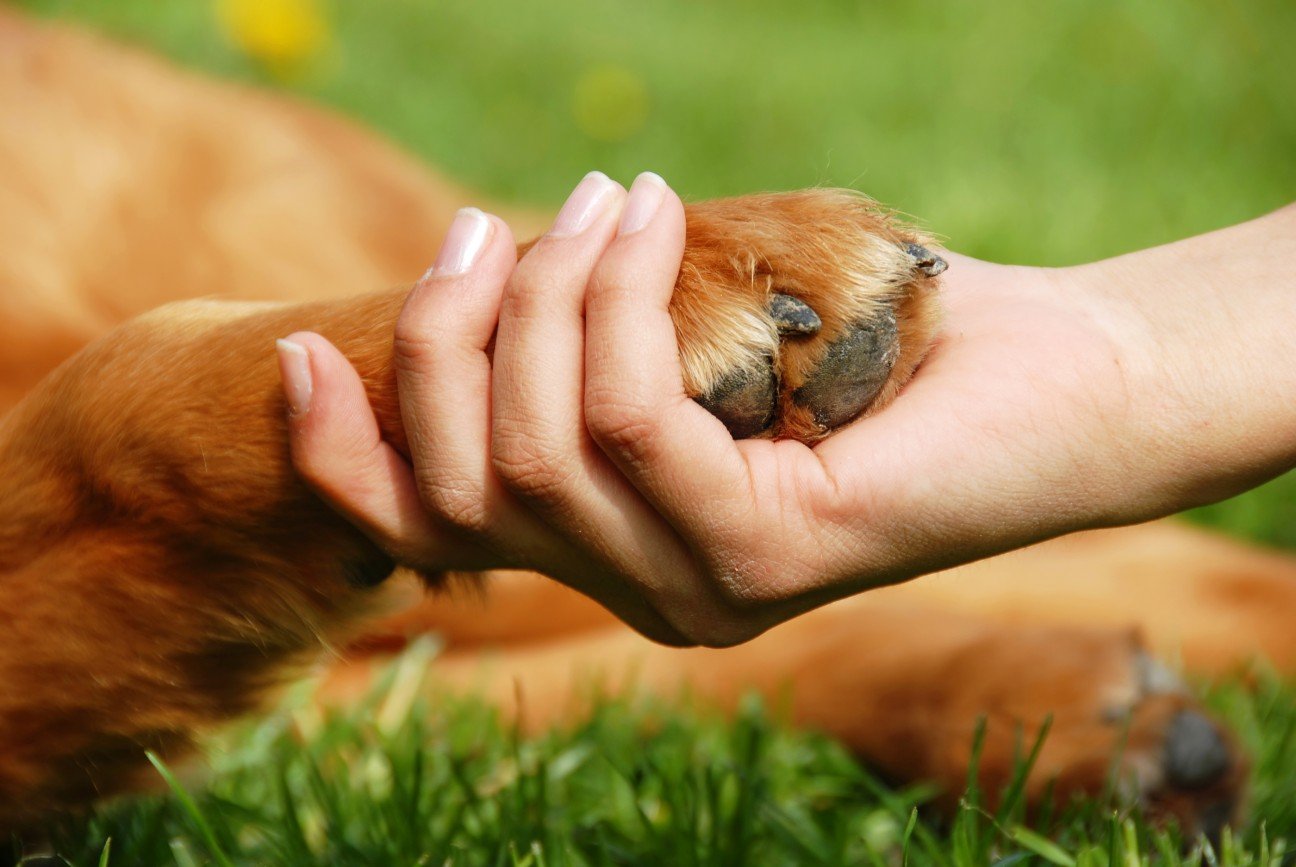
Before getting a dog, you need to determine if you feel comfortable in its presence.
It's impossible to say with 100% certainty that a particular breed of animal won't cause an adverse reaction in an allergy sufferer. Canine experts and doctors recommend spending some time with the dog and observing your own condition during this period.
An important characteristic of a hypoallergenic breed is infrequent and light shedding.This property is independent of the animal's fur length. It can be short-haired, but still shed and grow hair constantly. This situation complicates cleaning. It's also important to consider that short hairs are more difficult to detect and remove than long ones.
It's also important to consider the dog's personality. It should be friendly, but not eager to spend all its time with its owner. Obedience is also an important trait. Therefore, it's important to consider the future pet's parents, from whom it can inherit its temperament and trainability.
Proper grooming minimizes the risk of allergies. Bathe and brush your pet regularly. Limit the amount of time your pet spends in the bedroom or room of the allergy sufferer.
Hypoallergenic breeds
Research conducted by the American Canine Society has identified the dog breeds that are best suited as pets for people with allergies.
Maltese Bichon (Maltese)
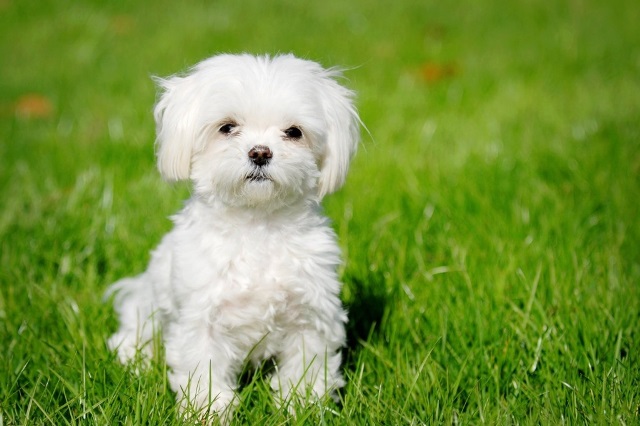
The charming and proud Maltese Bichon
A companion dog breed with a cheerful and friendly personality, the Maltese is considered one of the most elegant animals, with a proud head carriage.
This breed is easy to keep because it can be easily trained to use a newspaper toilet at home.With such a dog, you can skip walks in bad weather or because you're busy.
Maltese are sensitive to the scent of mice and moles. If they smell a hole, they will inevitably start digging it. Because of this predilection, Bichons require regular grooming.
Breed characteristics:
- average height at the withers: for bitches 20–23 cm, for males – 21–25 cm;
- weight - 3-4 kg;
- the coat is medium length, straight and silky;
- Shedding occurs no more than twice a year and is not clearly expressed.
Yorkshire Terrier
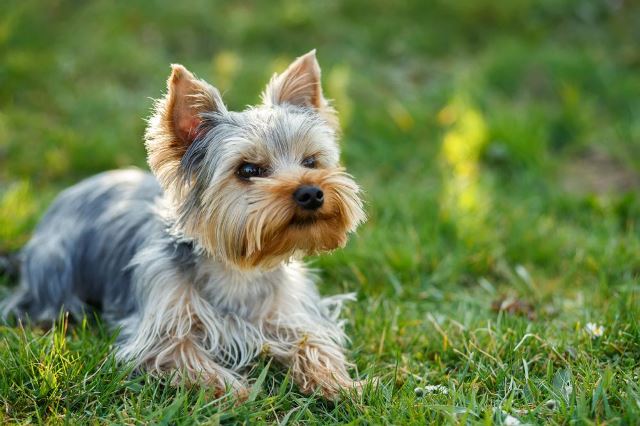
Due to the similarity of the fur to human hair, Yorkshire terriers shed unnoticeably.
Among this breed, there are some dogs considered "mini" or "super mini." These breeds don't exist in the international classification, but these designations indicate a distinctive feature of these dogs—their small size. When choosing a pet in the "standard" or "mini" categories, remember that the smaller the animal, the lower the risk of allergies.
Yorkshire Terriers are known for their playful, energetic, and energetic nature. They get along well with other pets, are devoted to their owners, and are able to sense their moods. The structure of the fur of dogs of this breed is similar to the structure of human hair.The shedding occurs as smoothly and imperceptibly as hair replacement in humans.
Breed characteristics:
- standard - weight 2.5–3.5 kg;
- mini - 1.5–2.5 kg;
- super mini - up to 1.5 kg.
Chinese Crested Dog
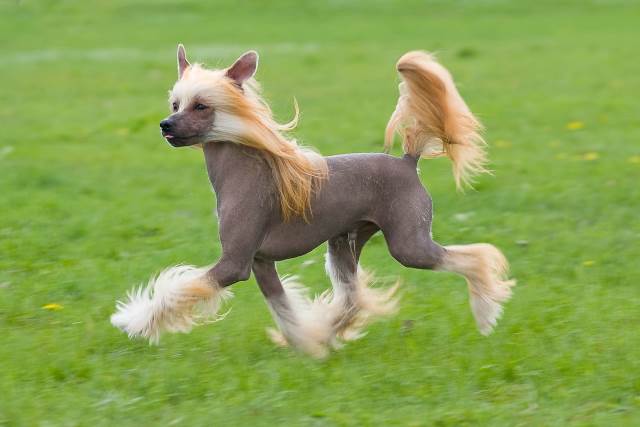
It would be hard to find a more affectionate and obedient companion.
A unique feature of the Chinese Crested is that it can be either powderpuff or hairless. Moreover, both types can be present in the same litter. For allergy sufferers, the best choice is a hairless animal. However, powderpuff dogs, which shed infrequently and mildly, are also suitable..
Chinese Cresteds are toy dogs. They don't have innate guard or hunting skills. These animals have a docile and gentle nature, but are more difficult to train. Docility is in their blood. For this breed, their owner is an object of adoration, so they are always affectionate and friendly.
Breed characteristics:
- height at withers - 27–35 cm;
- average weight - 3-5 kg.
Mexican Hairless Dog (Xoloitzcuintle)
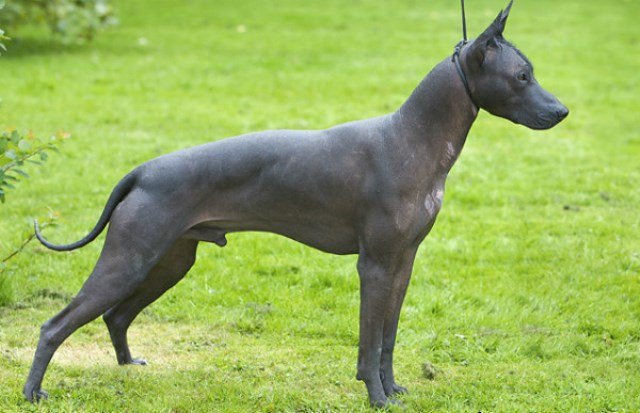
Despite their menacing appearance, Mexican hairless dogs are calm and friendly.
The main characteristics of the breed are hairlessness and dark skin. However, downy individuals are often found in litters.
Mexican Hairless have a well-developed guard instinct. They are calm and friendly by nature, they don’t bark for no reason, they are intelligent and resourceful.Xoloitzcuintli are devoted to their owners and household members and get along well with children and other pets.
Breed characteristics:
- height at withers - 45–60 cm;
- weight - 4-7 kg;
- Dark spots on the skin of the body are acceptable.
Welsh Terrier
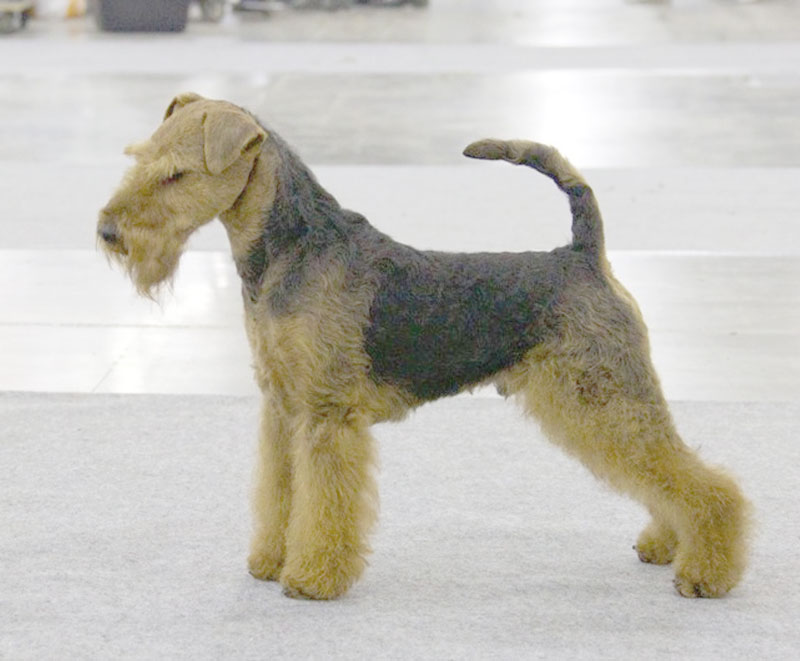
Attentive, obedient, and rarely shedding—aren't they the perfect pets?
One of the best breeds for those who suffer from allergies. Welsh Terriers have short, stiff hair and shed rarely and sparingly.By nature, they are obedient and calm, attentive and intelligent. They make excellent watchdogs and guard dogs. Welsh Terriers are easy to train and have a good memory.
All members of the breed have well-developed muscles. The neck is fairly long, the head is medium-sized, and the muzzle is elongated. Their coloring is predominantly black and red.
Caring for your pet involves regular walks, brushing and bathing.
Breed characteristics:
- height at withers - 40–60 cm;
- average weight - 7-10 kg;
- two- or three-color coat color.
Whippet
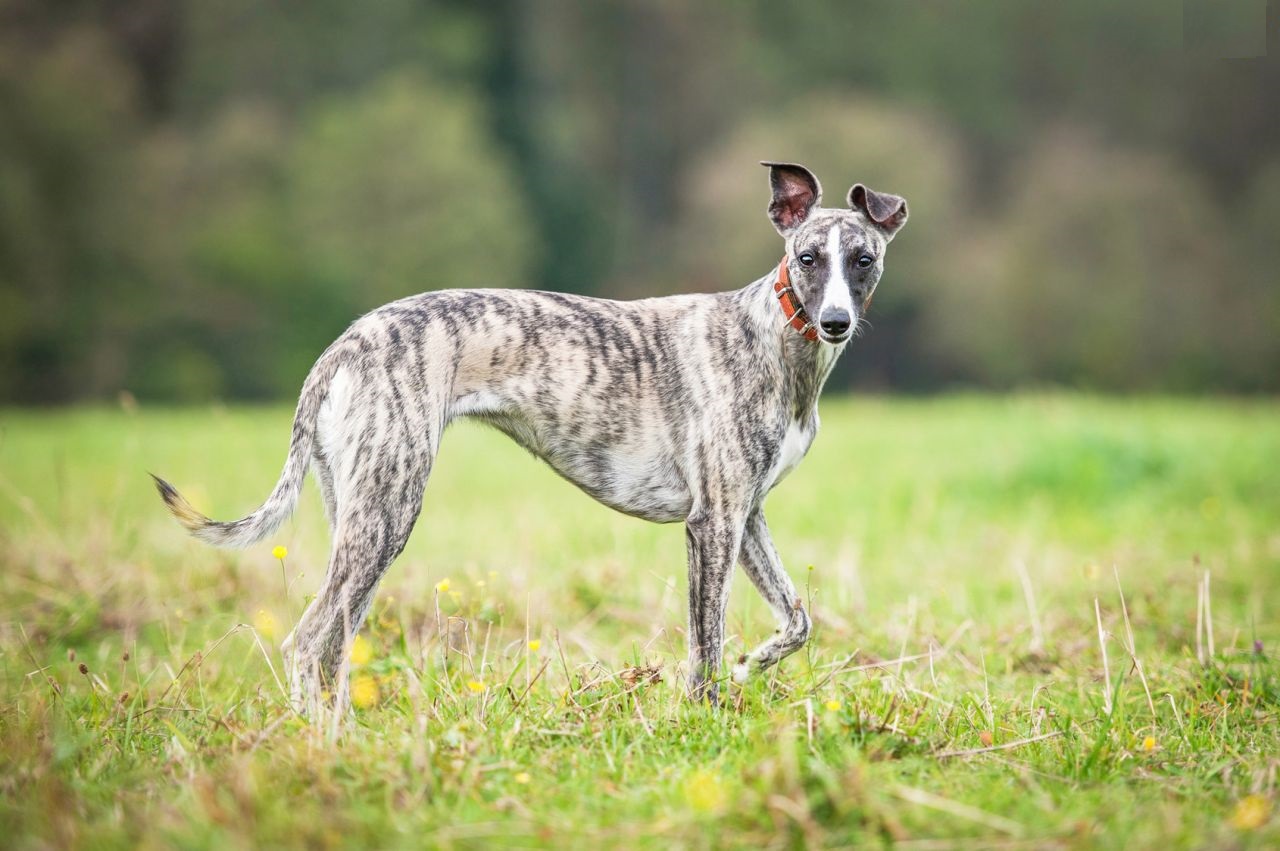
Whippets are great running dogs.
This breed is classified as a hunting dog. These dogs are known for their endurance, agility, and keen sense of smell.
By nature, whippets are calm, quiet and obedient, but they are not averse to playing with household members and racing with their fellow dogs.They are people-oriented and get along well with children and other animals.
The coat is short, fine, dense, and lies close to the body. This pet requires regular brushing.
Breed characteristics:
- height at withers - 44–51 cm;
- average weight – -12 kg;
- The predominant colors are white, red, blue, sand, and black.
Portuguese Water Dog
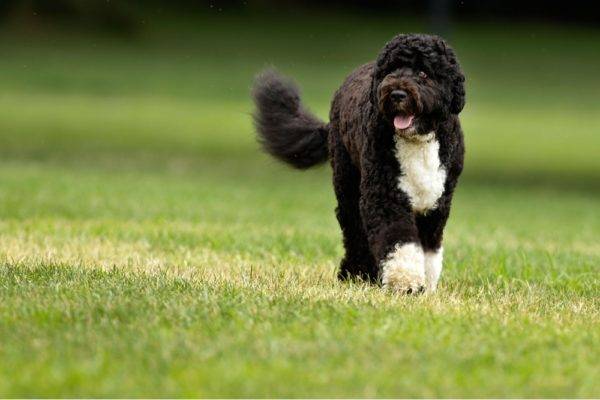
Even some US presidents can't resist this breed.
Representatives of this breed absolutely need long walks with jogging and games..
The Portuguese Water Dog's body type is largely determined by its activity level. These dogs have a square body shape, a level back, and a slightly curved withers. Their coat is dense, without an undercoat or mane. The guard hairs are found on the chest, groin, and front legs.
Breed characteristics:
- height at withers - 45–55 cm;
- average weight - 15–22 kg;
- The colors in the coloring include black, white and brown.
Bedlington Terrier
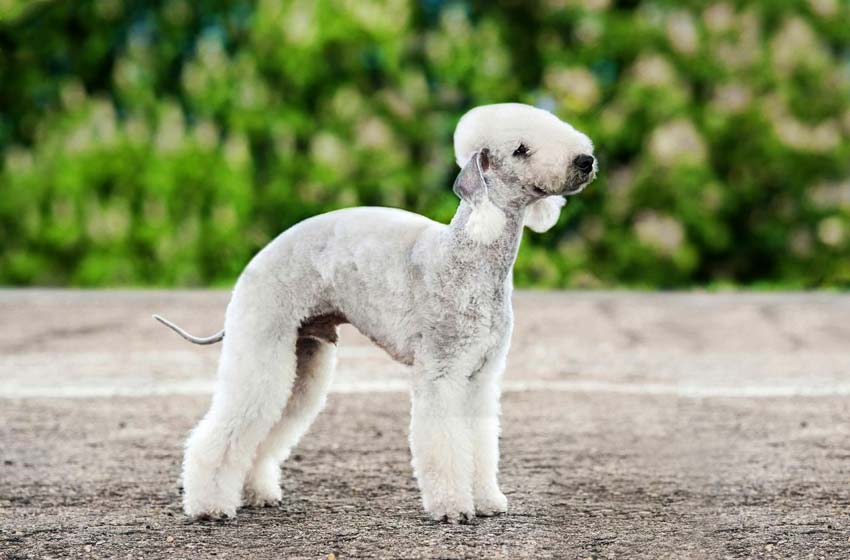
Bedlingtons are very intelligent and great with children.
One of the most striking and original breeds. Their body structure resembles that of a hound, with an elongated muzzle and a long neck. Their intelligence level is comparable to that of working breeds. Bedlingtons are easily trained, intelligent, and docile. They understand children well and tolerate their antics. They are not quarrelsome, but rather attentive and calm.
Dogs of this breed quickly determine the character and intentions of strangers and can be either friendly or reserved.The coat is thick, fluffy, and medium-length. Representatives of this breed require regular trimming. Frequent bathing is not recommended, as this can cause the coat's natural curl to fade.
Breed characteristics:
- height at withers - 41 cm;
- average weight - 8-10 kg;
- The color range includes black, gray, and white.
As you can see, people who suffer from allergies but love dogs have a fairly wide range of hypoallergenic breeds, so to speak, for every taste.