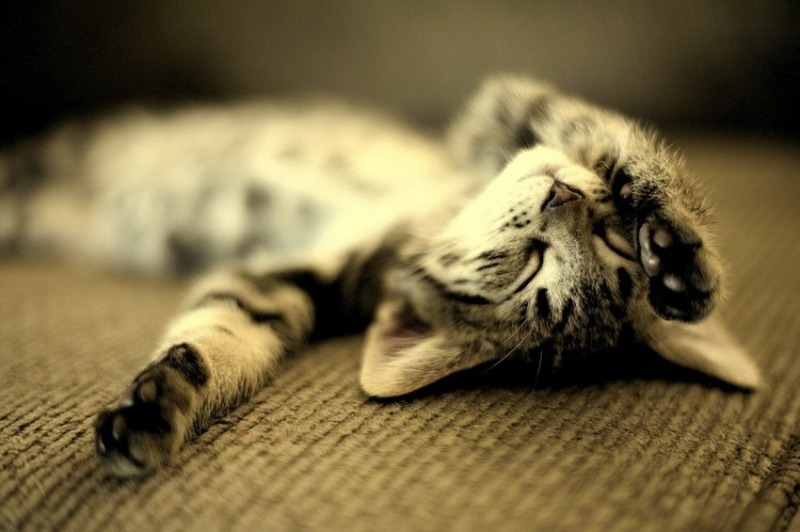
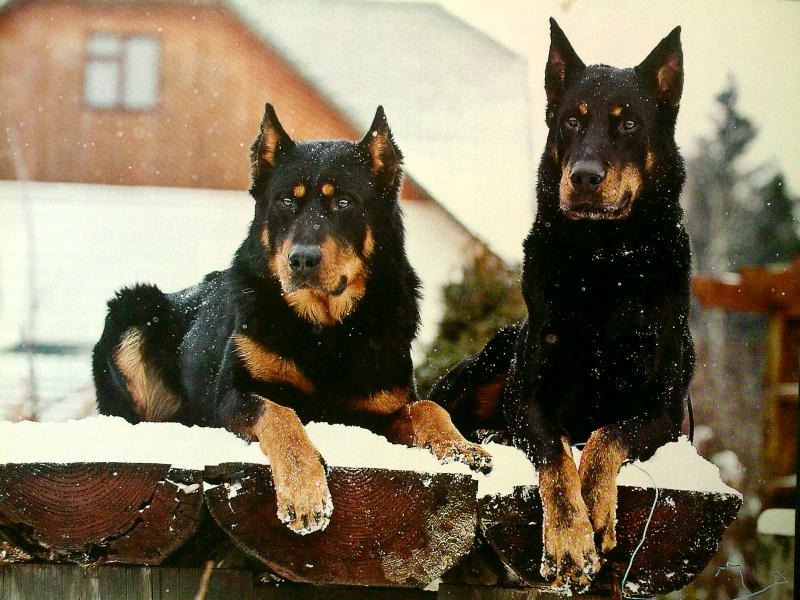
Snoring affects not only humans but also animals. Whether snoring in dogs is normal or whether it's time to take your pet to the vet is discussed below.
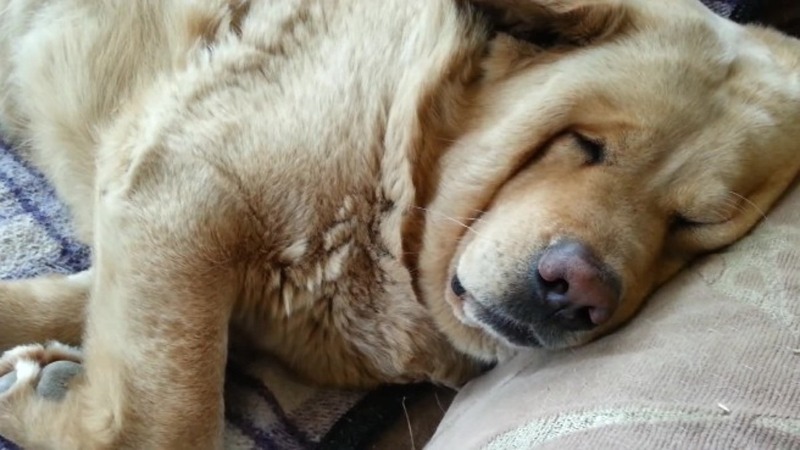
Causes of snoring in dogs
In brachycephalic breeds, snoring is caused by facial features: a flattened nose, an elongated palate, flat nostrils, and a flat larynx. All of this negatively impacts breathing, causing difficulty in airflow.
This category includes:
- bulldogs;
- bullmastiffs;
- Bordeaux dogs;
- boxers;
- American Bulldogs;
- pugs;
- Pekingese;
- Shih Tzu.
In these dog breeds, mild snoring occurs from birth and is considered normal. However, brachycephalic breeds require more careful monitoring of their breathing. Stress, overheating, and excess weight can cause irregular breathing and lead to pathologies. While sleeping, the dog should not pant or gurgle. If this occurs, a specialist should examine the dog.
Snoring can also occur in dogs of other breeds. Most often, its sudden onset indicates a health problem.
Common causes of snoring:
- Excess body weight. Fat folds form around the dog's throat, which impede airflow.
- Sleep disorder (apnea). A prolonged pause in breathing during sleep (about 10 seconds), followed by gasping for breath.
- Allergic swelling. Can be caused by strong odors: tobacco smoke, varnishes and paints, aerosols.
- Cardiovascular failure.
- Tumors.
- Viral diseases (runny nose, colds).
What to do if your dog snores
Identifying the cause of your pet's snoring can often be difficult. For a more accurate diagnosis and a speedy recovery, consult a specialist at the first sign of snoring. They will conduct a thorough examination and refer your pet for the necessary tests.
If your pet is overweight and has no other associated illnesses, you should:
- increase physical activity (regular and long walks in the fresh air);
- reduce the overall caloric content of the diet.
If the dog is completely healthy, but snoring continues, you should pay attention to:
- Maintain clean and humid air in your apartment. Avoid using strong-smelling air fresheners and avoid smoking in the apartment.
- Quality of dog walking.
- Presence of allergens in the home and while walking. If possible, avoid areas where allergenic plants are blooming during your walk.
- The animal's sleeping area. It should be appropriate for the dog's size, comfortable, and practical.
Should I worry?
Light snoring may be normal for your pet. Loud gurgling sounds, choking, loud snoring, or prolonged pauses in breathing should alarm the owner.
In any case, if you notice any unusual sounds, you should immediately get examined by a veterinarian. With a specialist's opinion, you and your pet can rest easy.