It's not uncommon to observe a cat fidgeting or twitching strangely in its sleep. Some owners are okay with this behavior, while others are alarmed. To determine whether a cat's sleep movements are abnormal, it's important to understand the underlying causes.
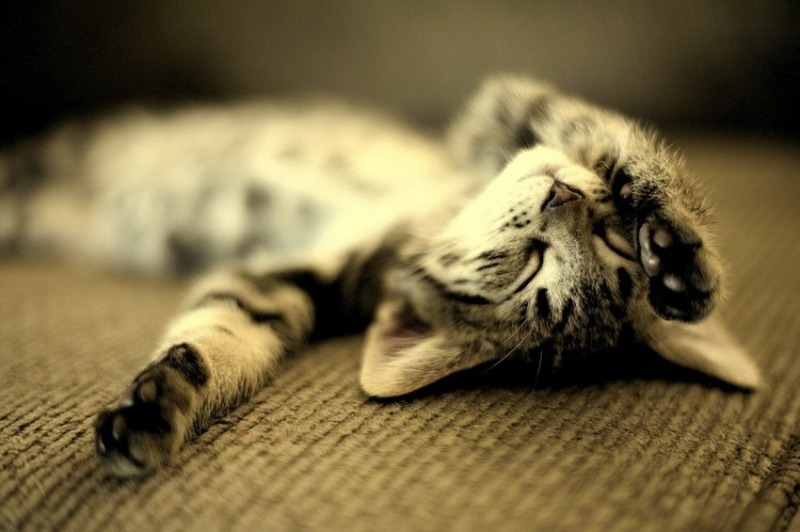
The cat dreams of hunting or chasing
It's been proven that cats experience genuine emotions while sleeping and make decisions based on instinct. Experts believe that cats most often dream of chasing prey. Therefore, a sleeping pet may twitch its paws, move its whiskers, and even meow softly.
The cat is completely relaxed
If a cat twitches without opening its eyes, it may simply be sleeping very deeply. An animal unsure of its safety typically sleeps lightly and intermittently. However, if a pet is relaxed, it goes through all the stages of sleep, some of which may be accompanied by eye movements under closed eyelids and changes in the position of various body parts.
Should you be concerned if your cat twitches a lot in its sleep?
Mild twitching during sleep is normal for cats. Movements of the paws, tail, and mouth indicate the onset of REM sleep. This activity is most common in young cats. If the cat is over two years old, twitching during sleep can be a sign of nervousness, as well as latent or overt aggression. The cat may have been stressed during the day.
Consult a specialist if your cat's twitching resembles a seizure. If in doubt, wake your pet. A healthy cat should be alert within 10-15 seconds. Difficulty breathing, lethargy, and a disrupted swallowing reflex are warning signs indicating an underlying medical condition. Conditions that can cause restless sleep include:
- poisoning by food, chemicals, gases;
- dehydration;
- hypothermia or heat stroke;
- cardiovascular pathologies;
- diabetes mellitus;
- dysfunction of the thyroid gland;
- respiratory tract damage.
If your pet doesn't wake up at all, they're likely having a seizure and you should call a veterinarian immediately. Seizures indicate a problem with the central nervous system, so they shouldn't be ignored. Cats that are expecting or have recently given birth are at risk. Postpartum preeclampsia, accompanied by tremors and hypoglycemia, is a dangerous condition that can lead to coma and death.
A cat can twitch in its sleep due to both illness and natural causes. If the animal's health is a concern, gently awaken it to ensure all is well. If the pet fails to regain consciousness, it requires immediate medical attention.