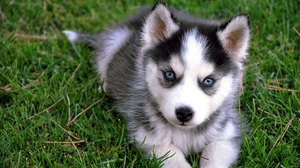
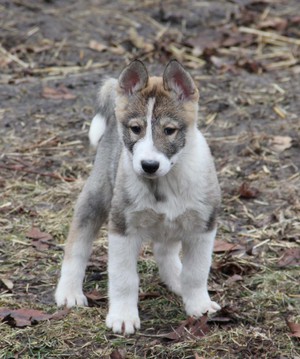
When planning to bring home a dog, prospective owners often decide which of two similar breeds is better. It's important to consider not only appearance but also character, temperament, and maintenance requirements. At first glance, a Siberian Husky may seem indistinguishable from a Laika, but there are significant differences.
Husky: appearance and character
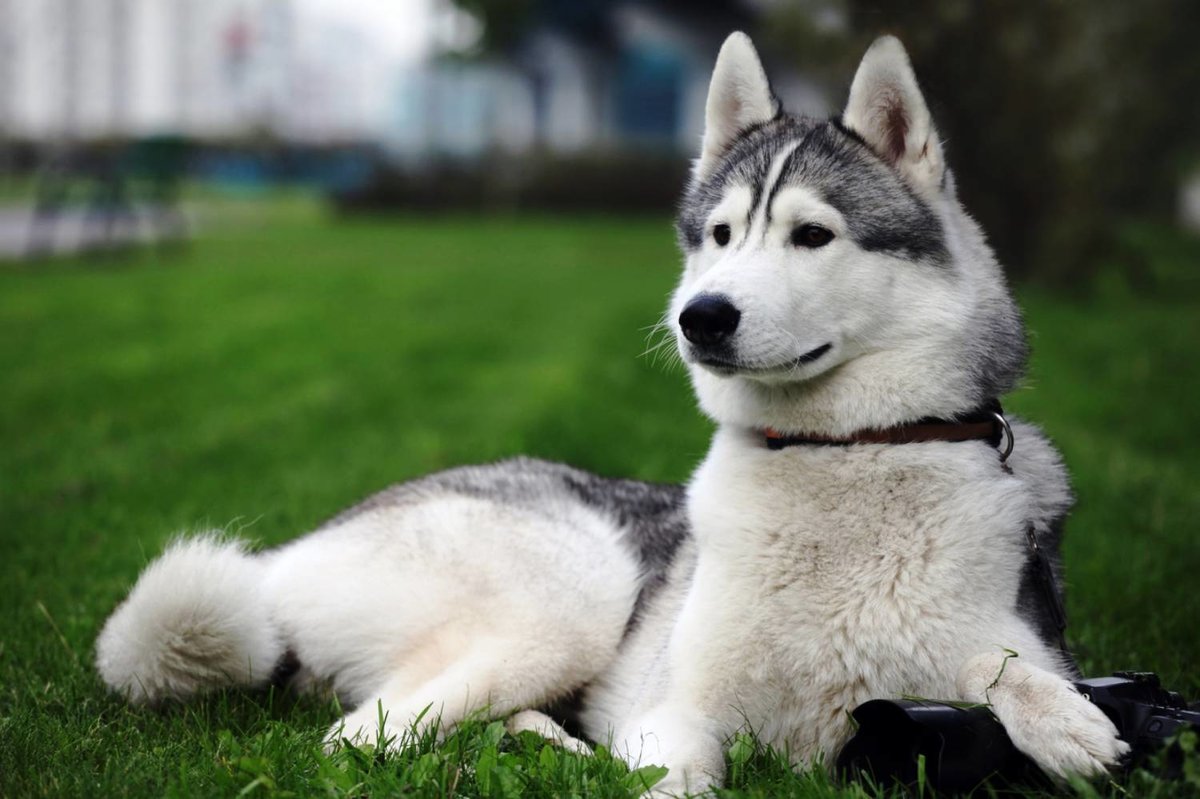
Huskies, very fashionable today, captivate everyone with their unique appearance. These massive, slightly elongated dogs have powerful legs, a broad chest, and a large, harmonious head on a strong neck. Their muzzle is elongated, and their ears are set high. Their long, bushy tail is straight and slightly lowered.
The husky's distinctive coloring lends it a special charm—black, gray, fawn, copper, or red and white. Its coat is very thick and coarse, with a profuse undercoat. Its light blue eyes stand out prominently on its face, and some individuals have irises of different colors.
The Husky is a good working breed, characterized by endurance and activity. The dog is used to transport goods over long distances, in dog sleds, and for hunting. Animals of this breed are calm and not prone to unprovoked aggression, but they do not tolerate excessive familiarity.
The name "husky" comes from "huskimos," the name sailors on English merchant ships used to refer to the Eskimos. Officially, they were the ones who developed the breed.
Features of Likes
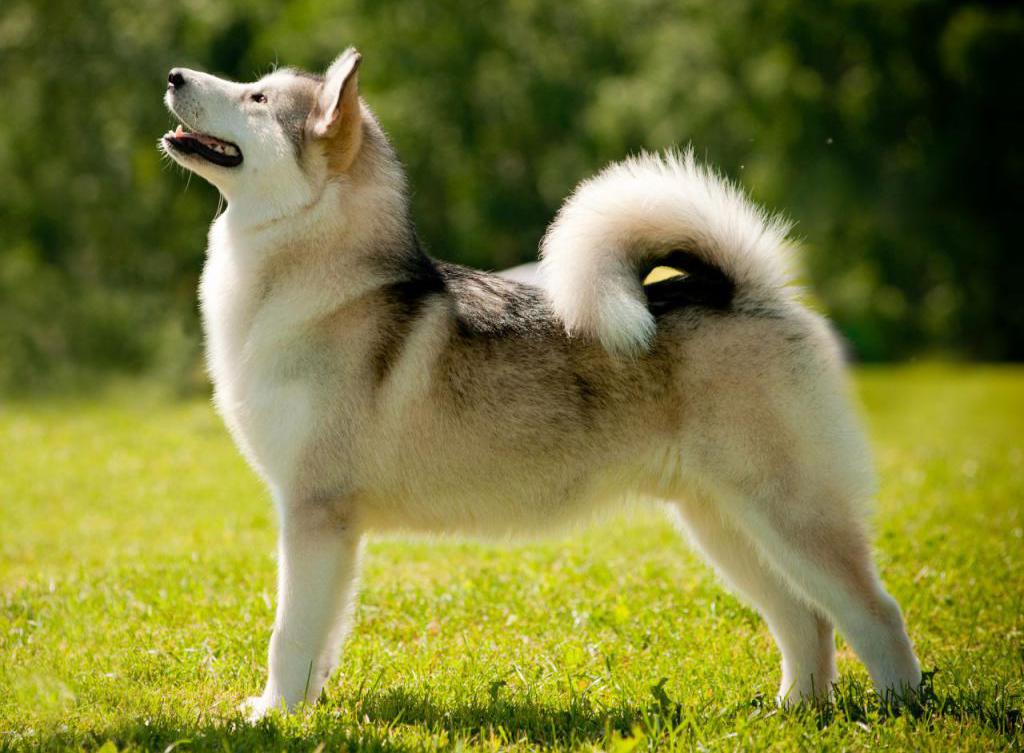
The Laika breed group includes at least nine species: the East Siberian, European, Karelo-Finnish, and others. These dogs vary in size and coloring, but are very similar in build. They are compact, long-legged, and have a square-shaped silhouette. A striking difference from other breeds is the fluffy, rather long tail, curled into a ring.
Laikas have a very dense and coarse coat, with a thick undercoat. They have a fluffy collar around their necks. Their color ranges from sandy to brown, and gray, black, and white individuals are also found.
All Laikas are distinguished by their independent nature. They obey only one owner and are not inclined to interact with their owner's friends and family members. A well-trained dog is not aggressive, but is also wary of strangers. They are excellent hunters, capable of carrying small loads, and guarding the home.
A brave Laika can even independently capture large prey, such as a wild boar.
Who to prefer
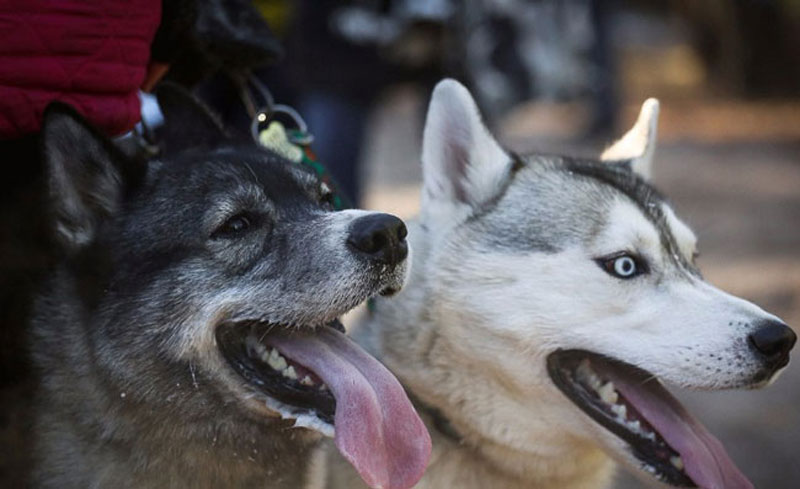
Those considering adopting a Husky should understand that this breed is not suited for indoor living. These active, energetic dogs need to work, walk, play, and run around a lot. In a warm apartment, the dog will shed excessively and become less than presentable. The best option is to keep them in a kennel with long daily walks. Huskies can live in an apartment, but they require frequent walks and occasional trips out of town.
If there are children in the family, it is better to choose a husky - they are more sociable. These dogs are also ideal for those seeking an active companion for sports and long walks. However, huskies are not suitable for guarding the home: they rarely bark, expressing their emotions through yelps or howls.
The Laika is an indispensable dog for a hunter. It can hunt any game, learns quickly, and guards its owner's home in its free time.
When choosing a breed, it's important to weigh all the pros and cons. Don't rely solely on appearance; the most important thing is whether the future owner and pet can coexist comfortably under the same roof.