Bichon Frises are small, playful, and energetic toy dogs. They grow up loving, playful, and mischievous, never aggressive, and never bark. Grooming them is challenging, complex, and time-consuming, as they have curly white fur. Prospective owners should be prepared for regular bathing and brushing.
Content
Description and breed standard
The Bichon Frise (which translates as "curly and bearded") is a descendant of the Barbet, or Irish Water Spaniel.
These dogs have a plush, cuddly appearance, like a stuffed animal. They have curly white fur with a thick undercoat. The body is slightly elongated and strong. The head is relatively small, with large, brown eyes. The nose is wide and dark. The neck is elongated, and the back is straight and muscular. The paws are strong and slightly rounded. The tail is thickly furred and carried upward.
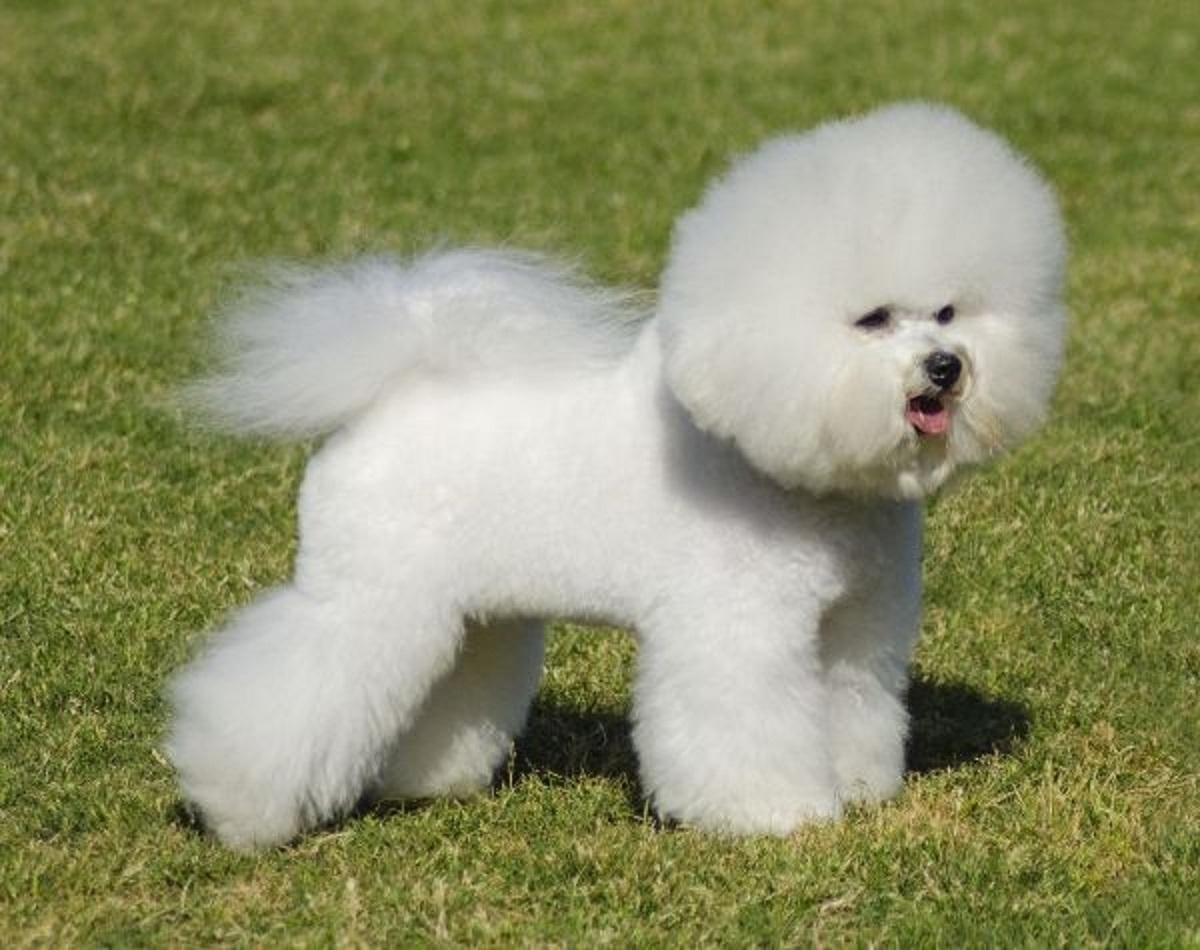
They are often called French lapdogs.
FCI Standard No. 215 of May 11, 1998. Bichon à poil frisé. Group 9 "Toy and Companion Dogs." Section 1 "Bichon Friesians and Related Breeds." Height: 15 to 30 cm, weight: up to 5 kg.
Historical background
The breed began to spread around the world before the 14th century. They initially arrived from the Mediterranean to the Canary Islands, and from there were later introduced to other countries. Over time, these dogs became known to French and Spanish aristocrats. Owning a dog of this breed was considered a sign of good taste.
Interesting fact: these dogs were so popular that they were often depicted on canvas. For example, the Bichon Frise can be seen in paintings by Francisco Goya (1746–1828).
Previously, there were four main varieties of Bichons:
- Tenerife,
- Maltese,
- Bolognese,
- Havana.
Despite its high status, official standards and descriptions of the breed were only approved in the 20th century.
Character
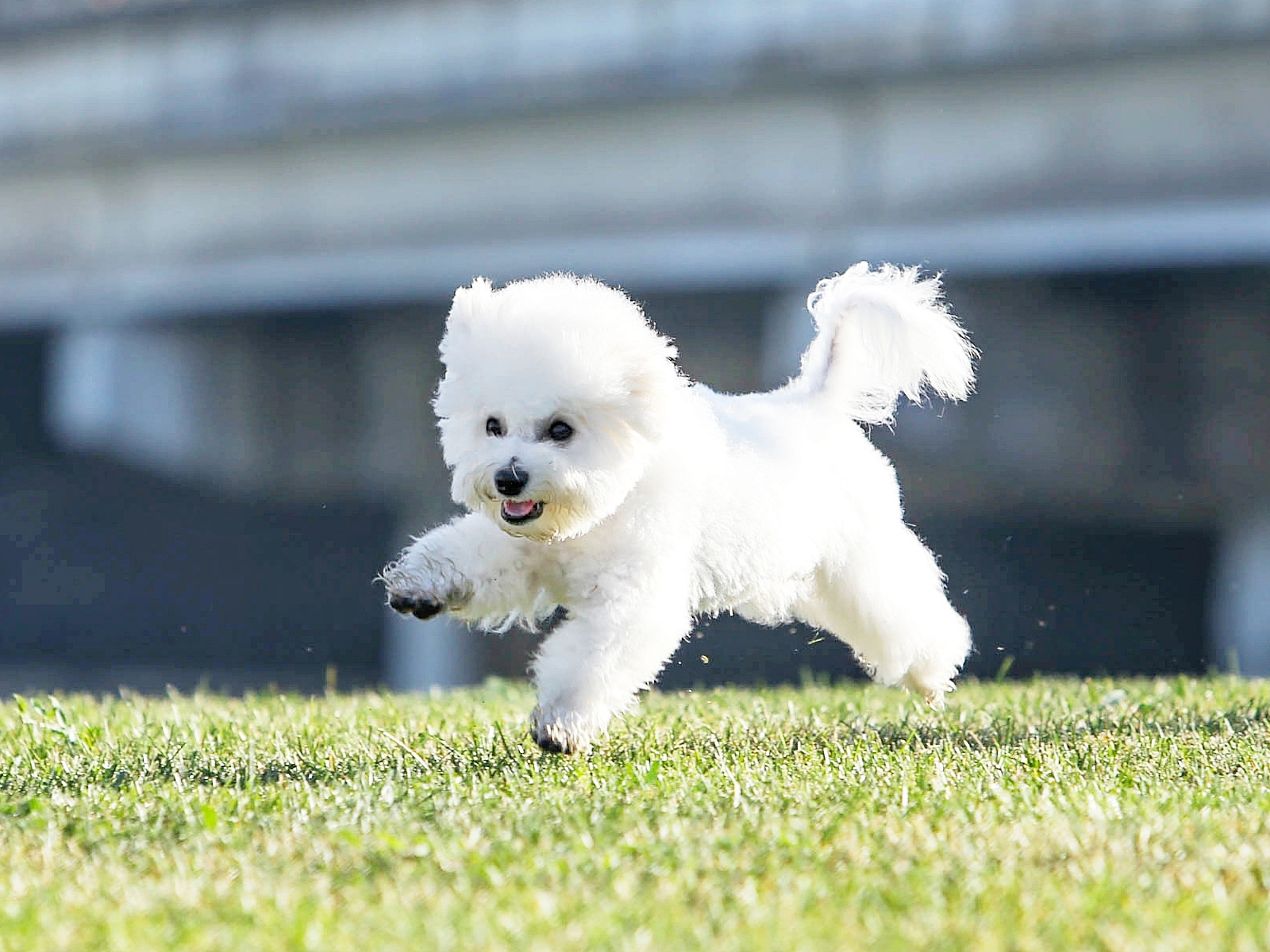
If the owners are constantly away from home, it is better not to get a dog.
The following are some of the characteristic features of this breed:
- The dog is unable to remain alone for a long time; it will begin to howl and whine.
- These animals are never aggressive, although they can sometimes be shy. They are generally friendly, affectionate, and active. They get along well with children and other pets.
- The Bichon Frise is a toy breed that is extremely trainable. The dog learns all commands well, but training must be approached with care, avoiding scolding and never punishing the pet, as this can make it timid.
Dogs often exploit their cute appearance, knowing they can get away with anything. They play with their owners' personal belongings, steal food from the table, and climb on upholstered furniture. It's important to discipline your puppy from the first months of life.
Pros and cons of the breed
The following qualities can be attributed to the advantages of the breed:
- friendliness, cheerful disposition, affection;
- hypoallergenic wool;
- suitable for apartment living;
- with elderly people, small children, cats, dogs.
Another advantage for many potential owners is that when getting a puppy, there is no urgent need to take it for a walk several times a day.
The dog won't wake you up in the morning asking to go outside. It uses a litter box or a special absorbent pad to go to the bathroom. It's recommended to walk it at least five times a week, but this depends on the climate in your region.
The disadvantages of keeping a Bichon Frise include:
- the need for regular grooming;
- the importance of adhering to the prescribed diet, as the breed is prone to allergic reactions;
- Monitoring the health of the animal, they are prone to vision problems - cataracts, blindness.
If you train your dog from the very beginning, it will grow up to be a very smart, obedient, and disciplined dog.
Care and maintenance
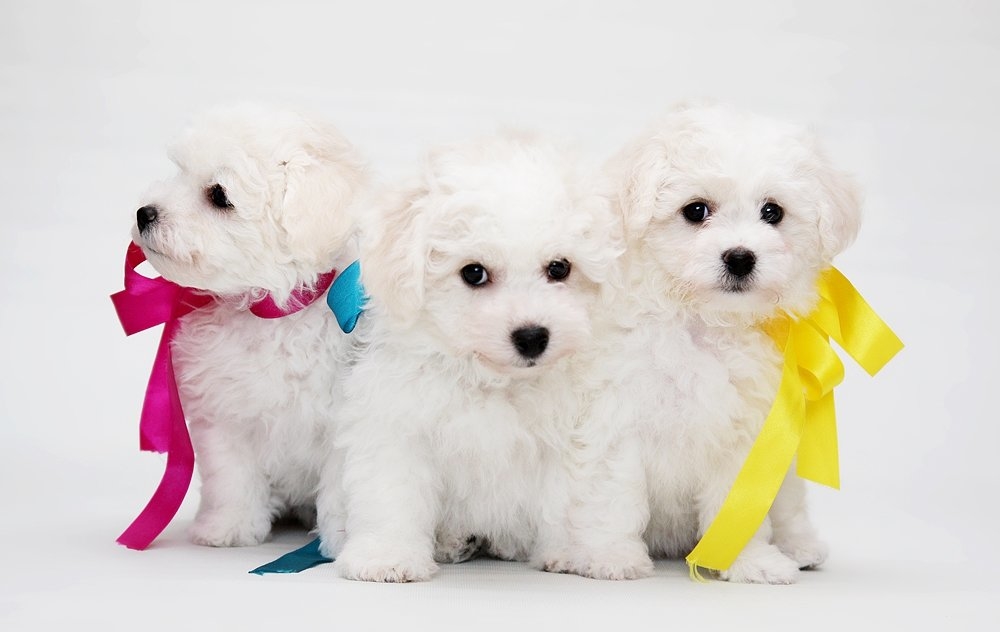
Potential puppy owners should understand that keeping a Bolognese requires a lot of expenses.
Despite all their advantages, Bichon Frises are quite challenging to care for. You'll need to work on their appearance and nutrition.
Owners often have to turn to specialists for help—these financial expenses should be prepared for in advance.
What to feed
The diet for Bichon Frise dogs is no different from that of any other decorative breed. However, there is one important feature: pets often suffer from allergic reactions. This means they need to be fed special dry and wet foods. If you're creating your own diet, it's recommended to consult with your veterinarian.
The quality of your dog's diet can affect its coat. To keep it beautiful, silky, and shiny, supplement your dog's diet with vitamins from various groups.
You can feed your lapdog the following foods:
| What to feed a Bichon Frise | Advantages | Appearance of the packaging | Approximate price |
| Acana (Akana) | Made from natural meat and hypoallergenic, the company offers a wide selection of feeds, from poultry and rabbit to cattle. |  | From 370 rubles (340 g package) |
| Royal Canin | The price is lower than competitors. The food is available at any pet store, so there's no need to order. |  | From 700 rubles (1 kg) |
| Eukanuba (Eukanuba) | This line of food is designed for animals with sensitive digestion. The price is high, but the quality of the products is also high. |  | From 800 rubles (1 kg) |
Grooming
The dog's coat will need daily grooming: combing out the undercoat and untangling curls. Because pets are extremely active and mobile, they often develop mats. Some owners, to make things easier, simply clip their pets, but this requires professional groomers, as doing the job yourself is very difficult.
If a person regularly trims a lapdog's hair, then it will be necessary to buy clothes for it, since the dog gets cold even at relatively high temperatures.
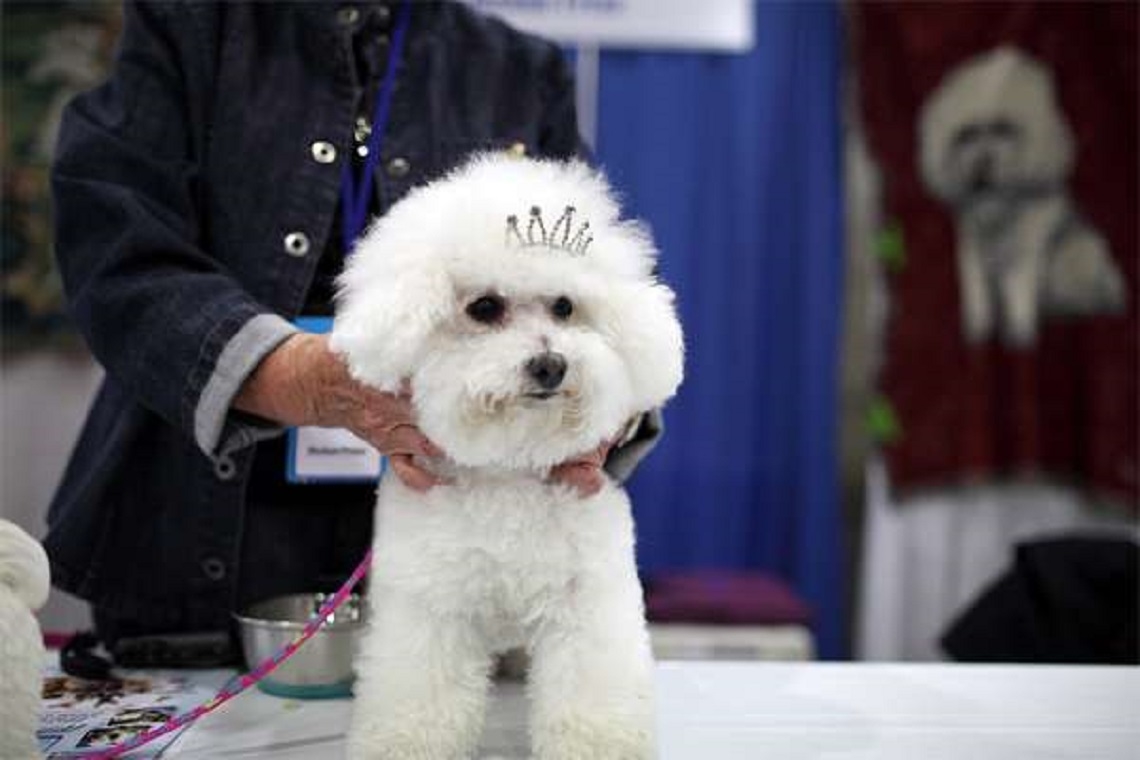
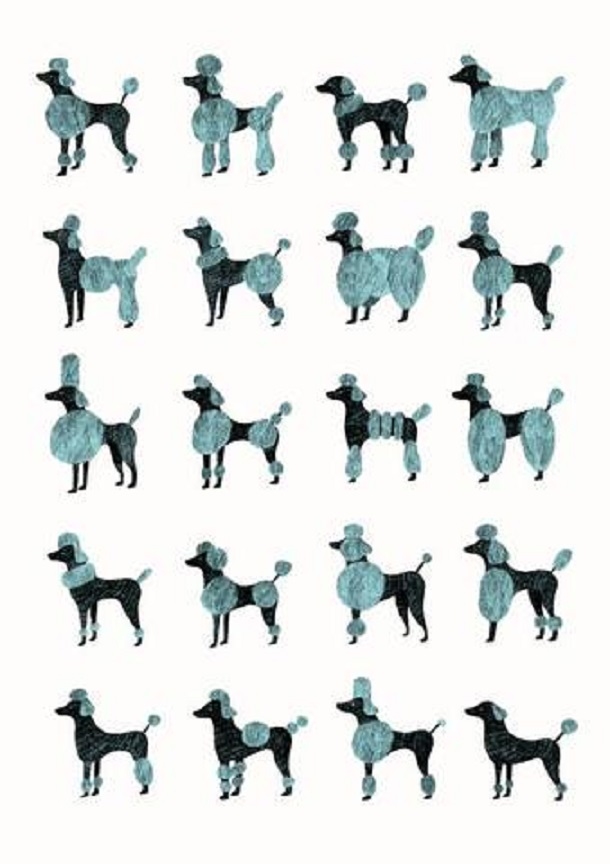
Trimming at home is possible if the dog is well-behaved, trained to sit quietly, and tolerate discomfort. However, don't expect to achieve a beautifully trimmed coat right away. Several trimming options are shown in the illustration.
Education and training
You can train your pet yourself, but many prefer the services of professional, experienced dog trainers. It's not that the Bichon Frise is a difficult breed. Some individual dogs may have difficulties with training, but if you don't overexert them during puppyhood, they won't have any problems.
French lapdogs are typically taught basic rules of behavior both outdoors and indoors. By 4-5 months, they can be taught commands.
Because this is a show breed, many of its members are highly disciplined, intelligent, capable of performing various tricks, and understand what their human requires of them. These dogs are certainly much easier to train than other toy dogs.
Diseases and treatment
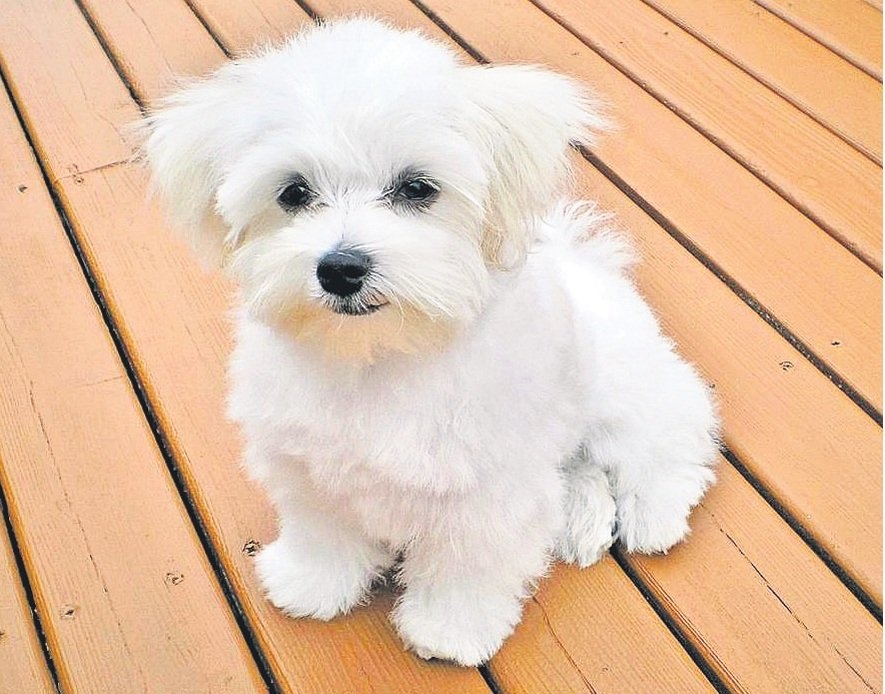
In exceptional cases, dogs live up to 18-20 years.
The most common diseases in the breed include the following:
- ophthalmological, leading to blindness (corneal dystrophy, cataracts, inversion and eversion of the eyelids, etc.);
- urolithiasis;
- tartar;
- epilepsy;
- diabetes mellitus.
Some breed members have weak immune systems and therefore have difficulty with vaccinations. However, it's important to administer them on time to ensure the dog's health remains healthy.
Average life expectancy
It's impossible to say exactly how long lap dogs live, as it all depends on their care and feeding. Experts say the average lifespan is around 12–15 years. Ornamental breeds suffer from serious health problems, so some animals have to be euthanized to reduce their suffering.
Breeding
If you want to get a dog for future breeding, you need to understand that this comes with certain challenges. Care for the female dog during and after pregnancy must be meticulous.
Knitting
The dog will be ready for mating during her second or third heat cycle (depending on her health). It's recommended to visit a veterinarian beforehand to ensure there are no hormonal imbalances. It's also essential to take parasite prevention measures.
Mating days are selected individually; there are no strict criteria. A pregnant bitch should be checked for discharge. This usually ends on the second day after mating.
It's essential to switch to food designed for pregnant and nursing dogs. Giving birth can be difficult for dogs and they may lose weight during pregnancy.
Caring for offspring
Newborn puppies are cared for with the utmost care, as they are very small at birth. They are fed with a dropper, gradually introducing additional food.
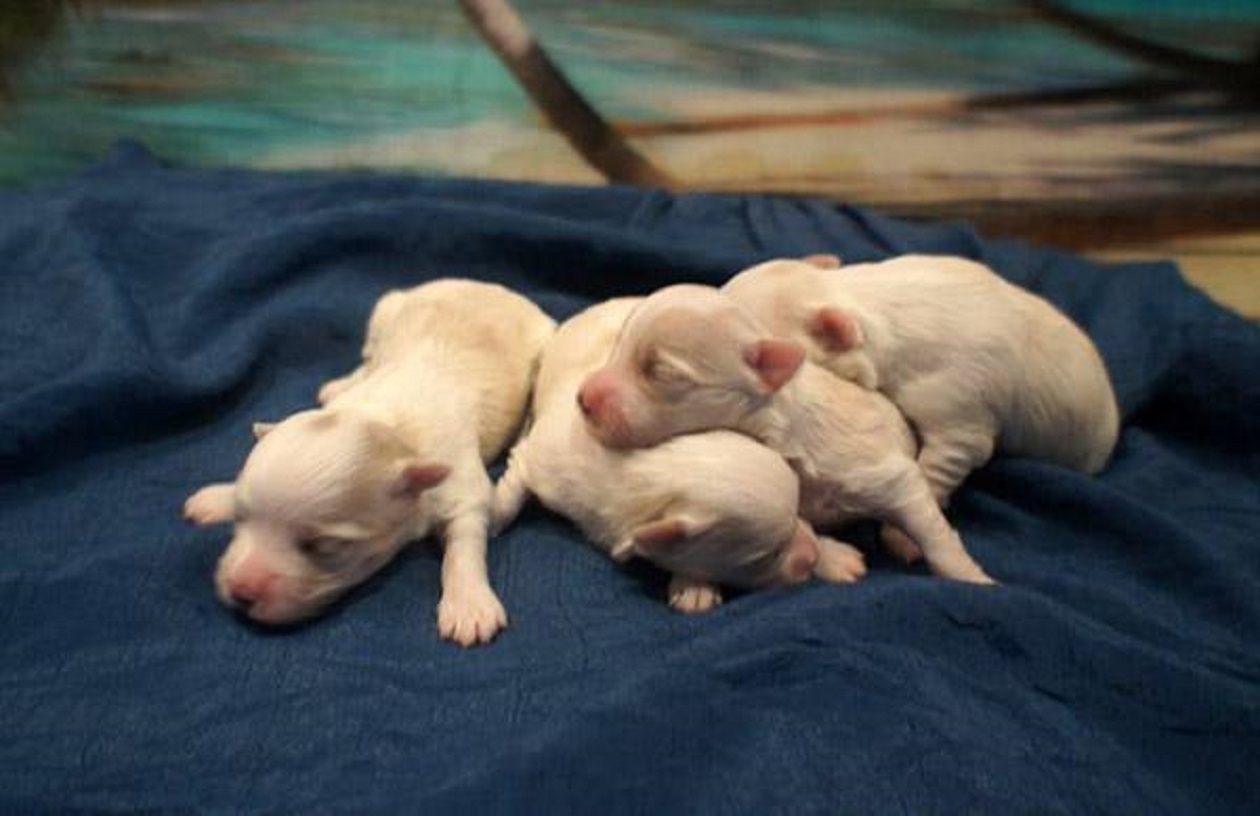
A dog rarely gives birth to more than 3-4 puppies.
What to call it
The question of a name is problematic for some owners, since not all nicknames correspond to the appearance of the Bichon Frise.
Names for boys:
- Adik;
- Brutus;
- Jasper;
- Old;
- Harley;
- Fluff;
- Snowball;
- Charlie.
Names for girls:
- Aika;
- Blizzard;
- Naida;
- Saiga;
- Grace;
- Delphi;
- Comet;
- Yula.
Breeders often come up with nicknames and include them in their passports. It's possible to train a dog to respond to several names at once.
Potential breeders considering a French Bulldog should understand that this breed requires a significant financial investment. Regular grooming is required, which takes a significant amount of time. A dog should not be acquired solely for its appearance. It has a unique character and habits that not all owners will be able to adapt to.