Babesiosis in dogs is a case where the diagnosis comes as a shock and feels like a death sentence. The disease is severe and rarely resolves without negative consequences for the animal's health. To reduce the risk of infection in a pet, and if it does become ill, to treat it as quickly as possible, owners should be aware of this condition.
Content
History of the disease
Babesiosis (also known as piroplasmosis) is a disease caused by the activity of a parasitic infection that has entered the animal’s bloodstream. It develops acutely and can progress to a chronic stage when the dog has a strong immune system or is suffering from babesiosis more than once.
The chronic stage is characterized by acute symptoms that are intermittent and short-lived. These symptoms alternate with periods of remission lasting up to several weeks, during which the dog appears completely healthy.
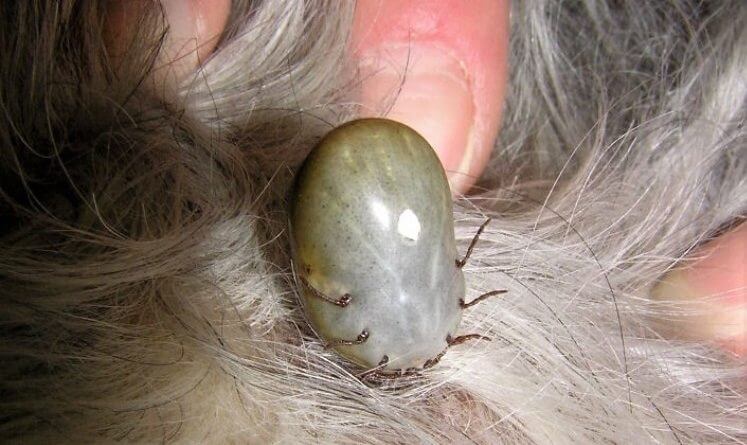
Not every dog can become infected, even if you find a parasite attached to it.
Reasons
The causative agent of babesiosis in dogs is Piroplasma canis, a single-celled parasite that localizes in blood components.
Canine piroplasmosis is transmitted by ticks of the following species:
- Dermacentor pictus and Dermacentor marginatus;
- Rhipicephalus sanguineus and Rhipicephalus turanicus.
Insects attack animals in summer and autumn. Babesiosis is transmitted transovarially—the pathogen enters the bloodstream through the parasite's saliva after its bite.
There are several methods for removing ticks, but it's best to have a veterinarian do it at a clinic using a special instrument. Do not attempt this manually, as there's a risk of contracting other diseases that are already dangerous to humans.
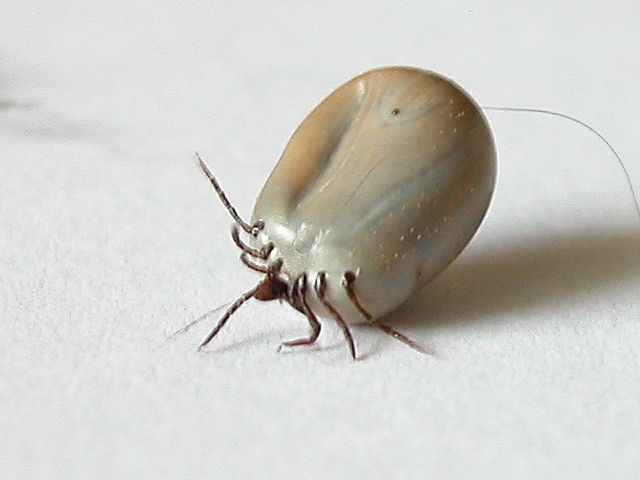
The pathogens themselves and the toxic products of their vital activity are the first factor that has an allergic effect on the animal’s body.
Symptoms and pathogenesis
After infection, an incubation period begins. Its duration depends on the dog's health and age. Young animals and those with weakened immune systems are most vulnerable.
As a rule, the first signs of the pathology appear on the 2nd–4th day; the incubation period can last up to three weeks if the dog is vaccinated or has previously suffered from piroplasmosis.
The acute form manifests itself as a complex of characteristic symptoms.
Primary factors include:
- increased pulse and rapid breathing;
- refusal to eat;
- pronounced general weakness;
- increase in body temperature to 42 °C.
This continues for 2–3 days, during which active reproduction of the pathogen in the red blood cells occurs.
Secondary symptoms of the acute period include:
- redness of the eyes;
- worsening heart rhythm;
- shortness of breath;
- signs of blood in the urine;
- convulsions and paresis of the hind limbs;
- digestive disorders (including watery stools).
In severe cases, the dog's teeth become yellow.
This period lasts from 3 to 7 days. The temperature, which was initially high, gradually decreases to normal.
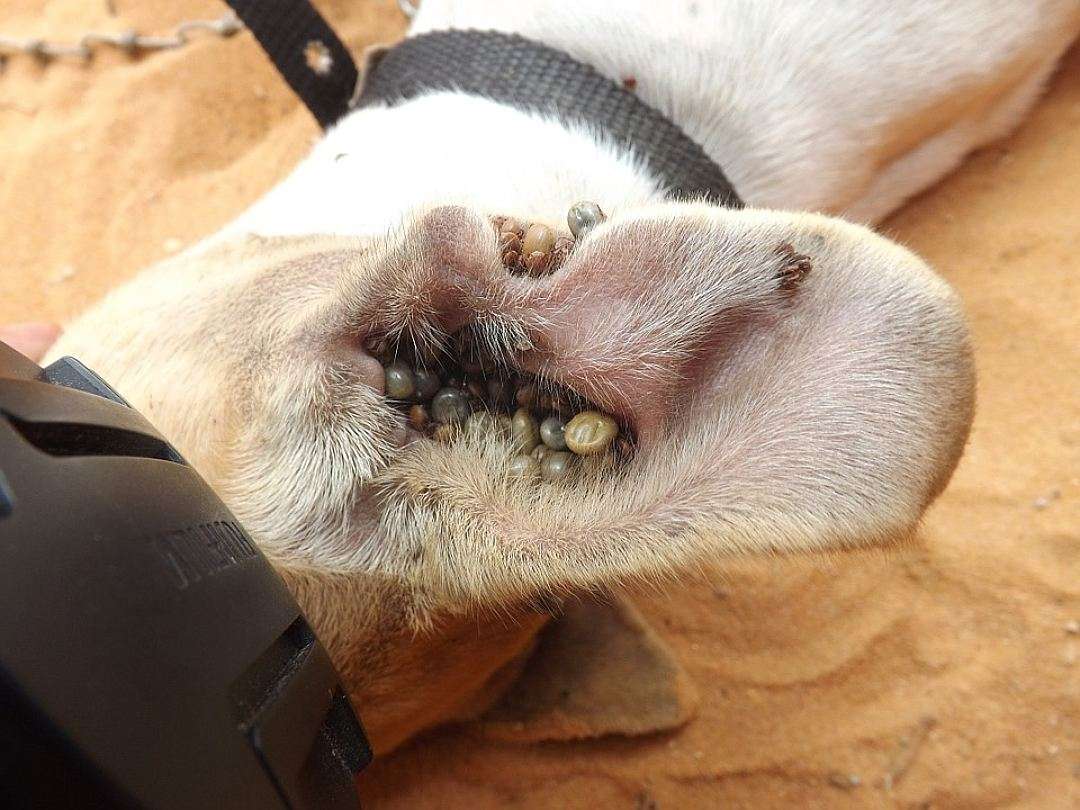
By removing a dozen ticks from an animal that are not infected with piroplasms, you can be sure that the dog will not get sick.
Insufficient treatment or its complete absence may result in the death of the animal.
The chronic form of babesiosis in dogs is not so pronounced and is accompanied by the following symptoms:
- paleness of the mucous membranes;
- problems with digestion;
- decrease in overall tone;
- a slight increase in temperature.
One of the main symptoms of the chronic period is constipation, which alternates with loose stools.
The chronic phase's symptom complex persists for 1–1.5 months. The dog's condition gradually improves. Remission lasts up to six months.
What is the danger of this disease?
Babesiosis is dangerous due to the following complications:
- cerebral ischemia;
- failure of the immune system;
- anemia;
- CNS dysfunctions;
- inflammation of the pancreas;
- weakening of the heart, kidneys and liver;
- pulmonary insufficiency.
To minimize the risk of complications, veterinary clinics offer plasmapheresis procedures. The pet's blood is passed through a special filter that cleanses it of toxins and dead cells, significantly reducing the load on the liver and lungs.
Diagnostics
The diagnosis is made after a conversation with the dog's owner, a clinical examination of the animal, and laboratory blood tests for the presence of piroplasmosis canis:
- smear for babesiosis;
- ELISA (enzyme-linked immunosorbent assay);
- PCR (polymerase chain reaction tests).
The test data provides the veterinarian with a wealth of information to make a diagnosis and prescribe treatment.
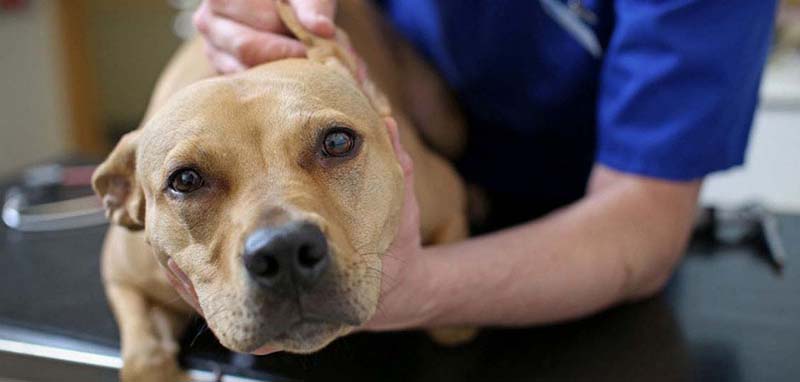
If ticks were removed from the dog during the season, it is advisable to do a general blood test and a test for piroplasmosis in order not to miss the time of the disease development.
Treatment of babesiosis in dogs
The main therapy for babesiosis includes drugs such as:
- Berenil, Primaquine and Chlotetracycline;
- Imidocarb, Zotelon and Xanthomycin;
- Aureomycin, Piro-stop and Forticarb;
- Veriben, Pyrosan, Fenamidone and others.
The animal also needs additional treatment, the reasons for which are:
- Intoxication of the body. To cleanse the blood of toxins, intravenous administration of calcium chloride, glucose, and isotonic saline solutions is practiced.
- Decreased body defenses. To restore immunity, veterinarians prescribe immunostimulants in the form of ascorbic acid and B vitamins.
- Risk of developing allergic reactions. Dexamethasone is indicated for prophylaxis.
- Cardiac dysfunction. To normalize the functioning of this organ, Cardiomin and Sulfocamphocaine are used.
- Liver dysfunctions. They are eliminated with hepatoprotective drugs (improving the condition of the liver and normalizing its functions).
To speed up the animal’s recovery, general strengthening measures are also used.
Treatment of babesiosis in the acute stage is carried out on an outpatient basis, since at this stage infusion therapy is used, which involves the administration of drugs through IVs. At home, such procedures can only be performed by dog owners who have veterinary education and the skills to perform therapeutic procedures.
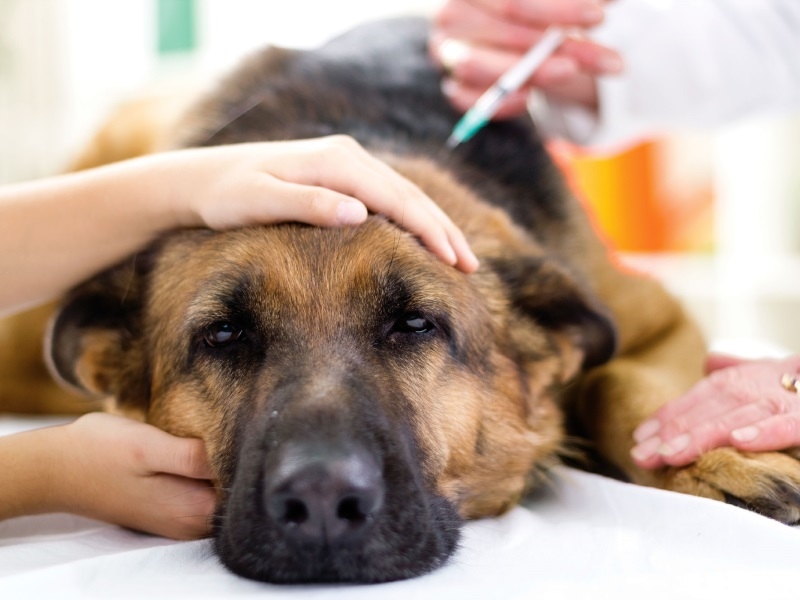
When your pet's condition improves and therapy consists of injections and tablets, you can treat your pet at home.
It is important to ensure that your pet receives proper nutrition during the period of illness and subsequent rehabilitation. The diet should be low in calories. Fermented milk products will form the basis of the diet. To avoid overloading the digestive system, fresh vegetables and fruits will need to be avoided.
When it's time to return to a normal diet depends on your dog's well-being and objective health indicators. Once blood and urine tests are consistently normal, your veterinarian will recommend further dietary changes.
During the illness, it is extremely important to create conditions in which your pet will be as comfortable as possible:
- place the dog in a separate, non-walk-through room;
- provide minimal lighting, as bright light will become an additional irritant for the animal;
- ensure that family members, especially children, do not disturb the sick dog;
- Reduce the volume of the TV and do not create noise in the apartment.
When treatment of a dog is started in the early stages and carried out in full, the chances of recovery are high. Once the signs of the disease have completely disappeared, the dog will need to be protected from physical activity for another two weeks and its activity will need to be limited.
Consequences
Complications from babesiosis in dogs can be caused not only by the infection but also by the treatment. Treatment involves highly toxic medications that weaken the animal's body. The dog becomes lethargic and may lie for long periods with wide-open eyes.
Among the drugs that, in addition to their therapeutic effect, have severe side effects:
- Imidocarb and similar medications. They cause an imbalance of neurotransmitters—substances that ensure the normal transmission of nerve impulses—and also trigger allergies. To reduce the side effects of Imidocarb, doctors prescribe atropine or antihistamines.
- Diminazine and analogues. Toxic to the liver and nervous system.
The severity of complications mainly depends on how timely the therapy is started.
Prevention
Preventive measures can help protect your pet from the risk of babesiosis. These measures can be divided into two groups:
- Tick control. This is the basis of preventative measures. It is recommended to treat the fur of domestic dogs with repellents or insecticidal acaricidal compounds. Sprays, drops, and even collars impregnated with tick repellent are available for this purpose. During the warm season, from May to October, the animal should be treated monthly. It is important to inspect the dog every time after a walk and remove ticks from its fur.
- Vaccination. Highly effective immunoprophylaxis of babesiosis, which is used in clinically healthy dogs treated for helminths.
In Russia, imported drugs are used for vaccination:
- Pirodog (France) is approved for use in dogs aged 5 months and older. The drug is administered twice, with the second dose administered one month after the first.
- Nobivac-Piro is used from six months of age. It is administered twice, 3–6 weeks apart.
Revaccination is recommended:
- after 6 months - in areas with an unfavorable situation with piroplasmosis;
- after 12 months - in regions where outbreaks of piroplasmosis have not been registered.
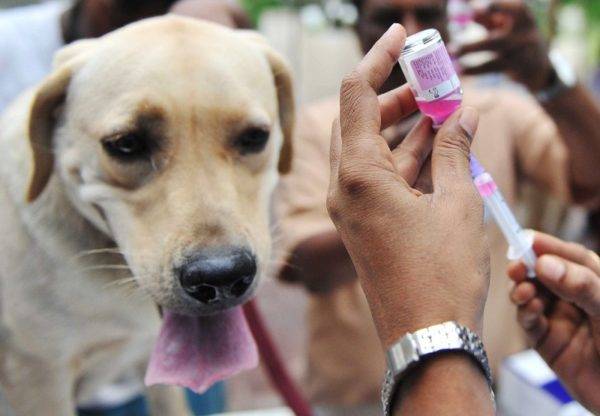
Vaccination helps ensure that the pathology will proceed in a mild form.
In Moscow and the surrounding region, for example, the following vaccination schedule is used:
- January-February;
- July-August.
There are several reasons for this:
- During the incubation period and during the first signs of pathology, dogs cannot be vaccinated;
- Animals that have recovered from babesiosis are vaccinated no earlier than 2 months after clinical recovery;
- The vaccine is administered to animals no later than one month before the onset of tick activity to reduce the animals' exposure to tick vectors during the vaccination period and to allow the immune system to develop a response to Babesia. This response develops 21 days after the booster injection and reduces the severity of piroplasmosis symptoms in the vast majority of animals within six months of the initial vaccination.
The drug is administered subcutaneously at a dose of 1 ml. The dosage is independent of the dog's age and weight, but the following restrictions apply:
- The vaccine against piroplasmosis may not be mixed with other vaccines, except for rabies and leptospirosis prophylaxis from the same manufacturer. The interval before and after vaccinations against other diseases must be at least two weeks;
- Vaccinations should not be given to pregnant or lactating bitches.
Vaccination does not provide a complete guarantee that a dog will not become ill with babesiosis after a tick bite, but it does minimize the likelihood of a fatal outcome.
Remarkably, Piroplasma canis poses no danger to humans. Therefore, there is no risk of infection when caring for a sick animal.
Video: Veterinarian's Advice on Treating Piroplasmosis
Babesiosis in dogs is a dangerous parasitic disease with a high mortality rate, especially among unvaccinated animals. At the first sign of illness, your pet should not be treated with human medications or methods; it's best to immediately consult a veterinarian. To ensure your dog's health and longevity, it's recommended to ensure its timely and comprehensive vaccinations.