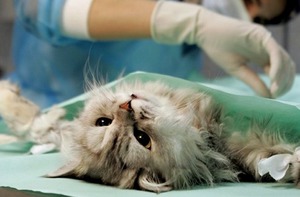
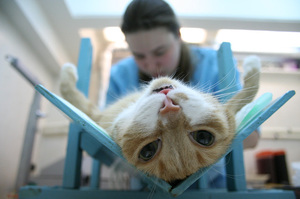
In most cases, dog castration is performed to prevent unwanted litters. It also significantly improves the pet's working abilities. However, it's important to remember that the procedure is performed under general anesthesia. Before making a final decision, weigh the pros and cons of this procedure.
Reducing the risk of developing diseases
Neutering of pets is recommended if:
- you don't want to have offspring from a mongrel dog
- do not plan to participate in exhibitions
- do not want to breed offspring and place the puppies
- the dog's aggressiveness and uncontrollability against the background of sexual desire goes beyond reasonable limits
- The dog has diseases of the genitourinary system.
There's a common misconception that you should let your dog give birth once before neutering it. This isn't entirely true. If you want your pet to be healthy and able to easily cope with any illnesses, you need to get everything done before her first heat.
Inflammatory diseases of the genitourinary system, reproductive organs, and uterus are particularly dangerous for dogs. Neutered animals can avoid these serious illnesses, which can lead to severe complications. Intact pets are at risk of developing endometritis, prostatitis, diabetes, and perineal hernia.
Cancer prevention
Sterilization and castration are, first and foremost, a preventative measure against common diseases. Nature has endowed every living creature with the ability to reproduce and procreate. If this ability remains unfulfilled, various pathologies can develop, including cancer.
Spaying a female dog before her first heat reduces the risk of developing mammary cancer, uterine tumors, and ovarian tumors. In males, spaying prevents venereal sarcoma and prostate adenoma. If the dog has already given birth, spaying is unlikely to prevent future diseases.
Stopping uncontrolled reproduction
The primary problem with unneutered dogs is unwanted pregnancy. The owner must consider where to place the offspring. The animal strictly follows its natural instincts and can give birth several times a year. But since the owner is responsible not only for the adult dog but also for the offspring, the decision to neuter the animal falls entirely on their shoulders.
When a dog's reproductive instinct awakens, its only concern is finding a mate. During this period, the animal becomes restless and sometimes even aggressive. It becomes unruly and attempts to escape.
Neutering an animal eliminates the need to reproduce. Heat cycles, which are the source of hormonal surges, disappear.
The owner's peace of mind in the absence of the pet
Neutering reduces a dog's sex hormone levels. The dog becomes calmer and more kind. The pet no longer tries to dominate family members. It becomes increasingly focused on its owner, who becomes an authority figure. This behavior has a positive impact on training, as the dog achieves high performance due to its increased attention.
Owners who frequently leave their pets with relatives, friends, or at boarding facilities will now have peace of mind. The dog will be well-behaved and obedient. Even if it suddenly runs away, it won't bring any surprises back from a walk.
Reducing injuries
Neutering deprives your pet of his sexual instinct. Now he won't be constantly searching for a mate. This, in turn, has a positive impact on his health, as he won't have to get involved in fights over females. A dog driven by sexual instinct can become unresponsive and get hit by a car or get lost on the street, following a pack of dogs.
Neutered males are more manageable. They rarely fight with other dogs. Because they lack a reproductive instinct, they are safer on walks. Their nervous system is more balanced. These dogs interact easily with other dogs.
Neutering your pet takes no more than half an hour. By the second day, your pet will be able to move around and play freely. Neutering is encouraged in all countries and is considered a sign of caring for their pet. However, ultimately, the decision always remains with the owner. If you're unsure whether to have this procedure performed on your dog, consult a veterinarian.