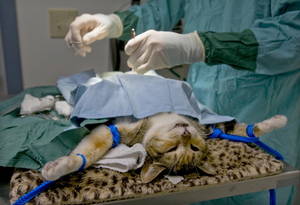
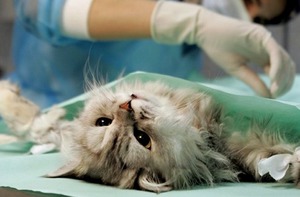
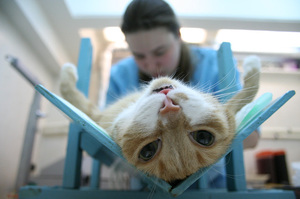
A visit to the veterinarian is far from the most enjoyable experience for both owner and pet. Pet owners are most concerned about surgical procedures. One form of surgery is castration. However, the procedure is also the most controversial.

Reducing aggression
Neutering involves removing the testicles, which are responsible for the secretion of sex hormones. During puberty, cats can be quite aggressive, both toward humans and toward males of the same type. Neutering helps resolve this aggression. After the procedure, cats become more balanced and friendly. This is a major advantage for families with small children, who might disturb the cat at any time.
 Increasing life expectancy
 Increasing life expectancy
A neutered cat's lifespan increases by an average of 3-5 years. This is because the cat is less likely to go outside. Consequently, the risk of contracting dangerous infections and testicular diseases, being hit by a car, or being attacked by other animals is significantly reduced.
The likelihood of escape is reduced
After castration, a cat's uncontrollable sexual desire is virtually eliminated. For this reason, a neutered cat is less likely to escape through an open window.
Protection against diseases of the genitourinary system
Neutering is a preventative measure against conditions such as testicular tumors, prostatitis, adenoma, and other genitourinary disorders. It's important to consider the pet's age when performing the procedure. A kitten's genitourinary system is not fully developed until it's one year old, so neutering is not recommended during this period.
Cleanliness and order in the house
A neutered cat leads a more sedentary life. He doesn't need to divide his territory and, therefore, leave marks on furniture and walls.
The benefits of castration far outweigh the potential downsides. Disadvantages of the procedure include the need for special care during the first few days after surgery and potential complications for older animals. There are also risks to the cardiovascular system due to anesthesia.
The most important thing a pet owner should do before surgery is find a reputable specialist. Neutering takes only about an hour, and the animal's full recovery period is 7-14 days.